Solar maintenance should feel boring. A well-installed residential solar system does not need constant fussing from the homeowner. It needs attention steady enough to catch changes before they become mysteries: a production dip that does not match the weather, a new patch of shade from a tree that grew into the afternoon sun, an inverter alert that has been blinking for two weeks, or a roof concern that deserves a service call instead of wishful thinking.
The first habit is simply to know what normal looks like. Look at the monitoring app often enough that the seasonal rhythm becomes familiar. Spring production will not look like winter production. A cloudy week is not a failure. A stormy day can make the graph look dramatic. The signal you are looking for is a persistent mismatch: one string lagging behind, a sudden change after no obvious weather event, or a fault that remains after the system should have recovered.
Read The System From The Ground
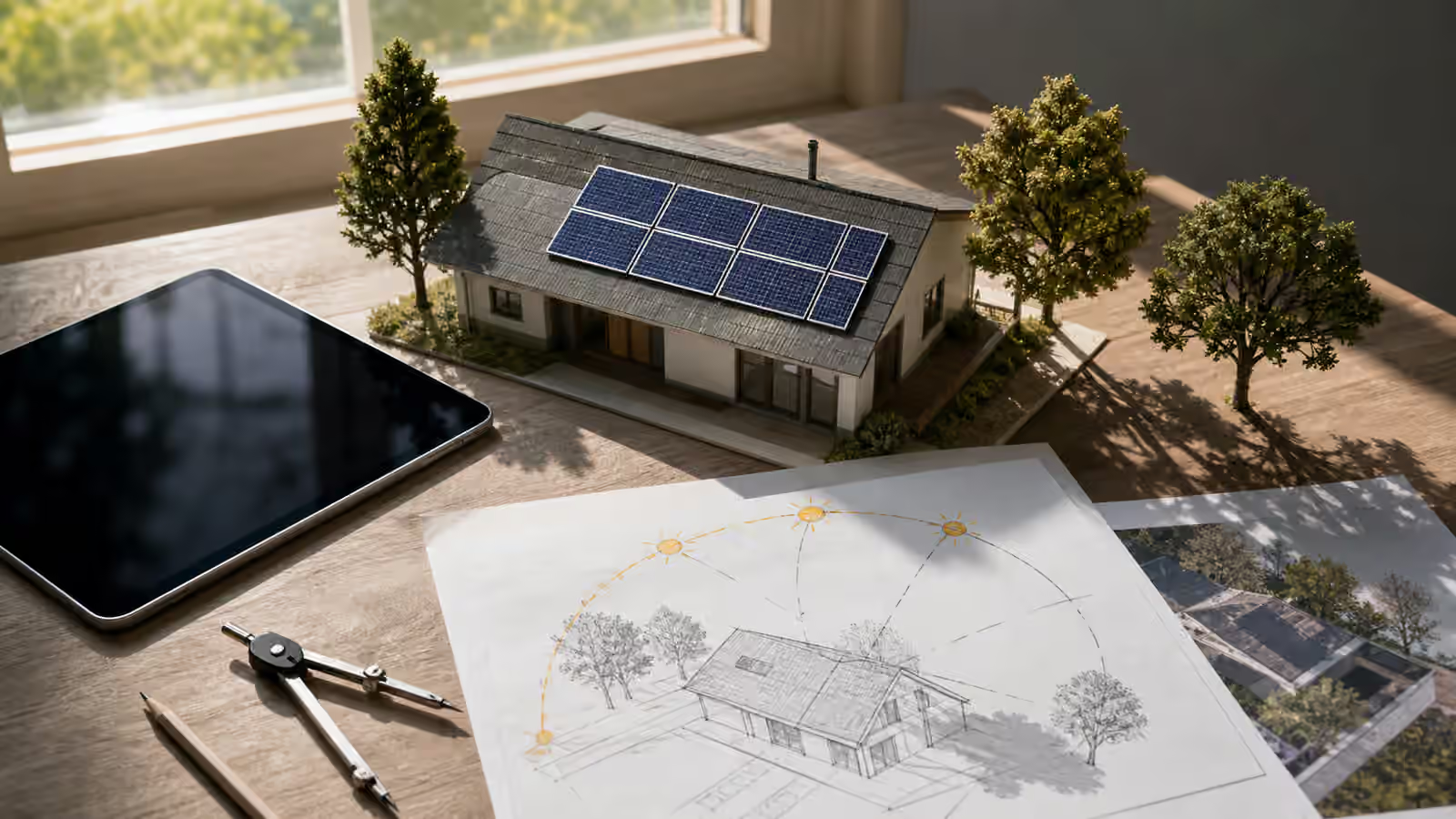
Most homeowner maintenance should happen from a safe place. Stand back and look for obvious changes: branches throwing new shade, debris that is visible without climbing, damaged-looking panels, loose-looking conduit, or signs of roof trouble. The goal is not to become the service technician. The goal is to notice enough to call the right person with a useful description.
A solar system is also a recordkeeping project. Keep the contract, equipment model numbers, system layout, warranties, monitoring login, utility approval, and service contacts somewhere findable. When a problem appears, those details save time. Without them, even a simple support call can turn into a scavenger hunt.
Cleaning Is A Safety Decision First
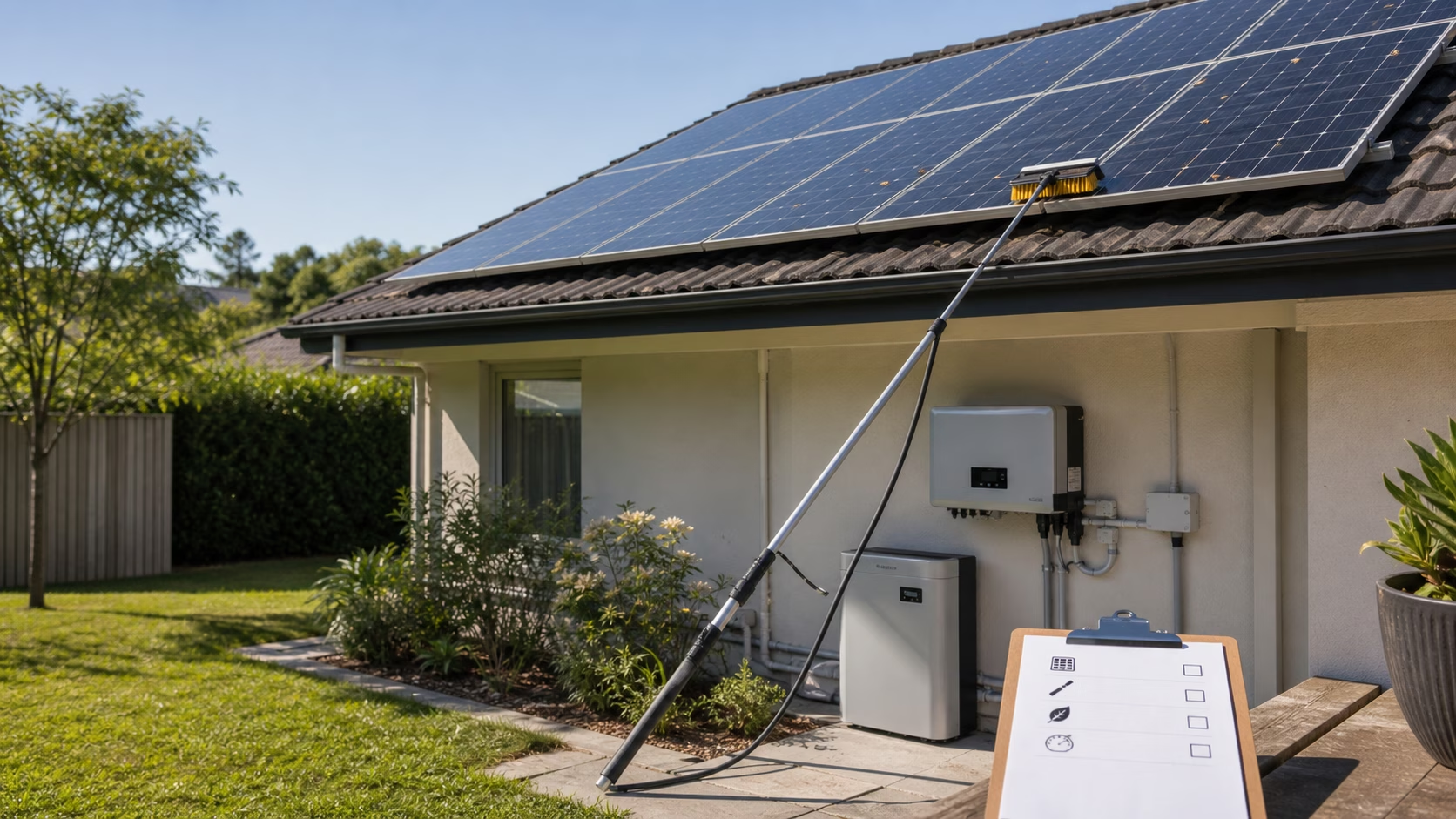
Rain handles ordinary dust in many places. In dry climates, smoky seasons, pollen-heavy springs, coastal salt air, or areas with heavy bird activity, panels may get dirty enough that cleaning matters. The production graph can help you decide whether dirt is truly costing you or whether the system is simply living through normal weather.
The safety question comes before the cleaning question. If the work requires roof access, steep slopes, wet surfaces, ladders near electrical equipment, or awkward reaching, hire the work or use safer ground-based methods. A small gain in production is not worth a fall. For ground-level planning, a solar panel cleaning brush with extension pole may help you understand the tools involved, but access and electrical safety still set the boundary.
Know When To Call Service
Call the installer or a qualified service provider when monitoring shows a persistent fault, production drops in a way weather cannot explain, panels or wiring appear damaged, roof leaks appear after installation, inverter warnings persist, or battery behavior changes. The important word is persistent. Solar output moves constantly; a fault or pattern that stays is different from an ordinary dip.
A home energy monitor can be useful if you are trying to understand whole-home energy patterns alongside solar production. It will not replace the solar monitoring system or installer support, but it can make the house side of the story clearer.
For boundaries around roof work, DC circuits, disconnects, and professional service, read Solar Electrical Safety .
Apply this guide as a decision record
Use Solar Panel Maintenance: Monitoring, Cleaning, Shade, and Service Calls to turn a vague household question into a checkable one. Its scope is specific: A practical maintenance guide for residential solar panels, inverters, monitoring apps, shade changes, cleaning decisions, and safe service boundaries. Before changing the setup, write down the condition you are trying to change, the constraint that matters most, and the evidence you still lack.
For a first pass through solar panel maintenance, compare the current state with a relevant baseline and record one observation, measurement, or conversation. Make the smallest reversible change available. Keep the manual, model number, room condition, schedule, or maintenance note beside the decision so a future check does not depend on memory. Keep solar maintenance, solar panels, inverter in view as separate signals instead of treating them as one verdict.
A useful follow-up asks whether Solar Panel Maintenance: Monitoring, Cleaning, Shade, and Service Calls improved the named problem without creating a new one. Check the tradeoff that fits this subject — heat, noise, comfort, water, power, wear, effort, or cost — and describe the result in plain language. If a boundary is safety-critical, stop at the guide’s limit and bring the details to a qualified local professional.
The conclusion for solar panel maintenance should stay narrow. Record what was observed, which condition made the result possible, what maintenance keeps it dependable, and what would make you revisit the choice. That turns a guidebook into a decision record you can use again rather than a promise to remember.