Solar buying is a contract decision, a roof decision, and an electrical design decision. The panels are only one piece. A proposal that talks only about monthly savings is skipping the parts of the project that decide whether the system will perform, age well, and remain understandable after the salesperson leaves.
Before comparing prices, understand the roof, the utility rules, the expected production, the inverter design, and the outage behavior. Residential solar looks simple from the street, but it depends on a chain of assumptions: roof condition, orientation, shade, available area, panel layout, inverter architecture, monitoring, interconnection, export rules, financing, warranties, and service responsibility.
The roof is part of the system
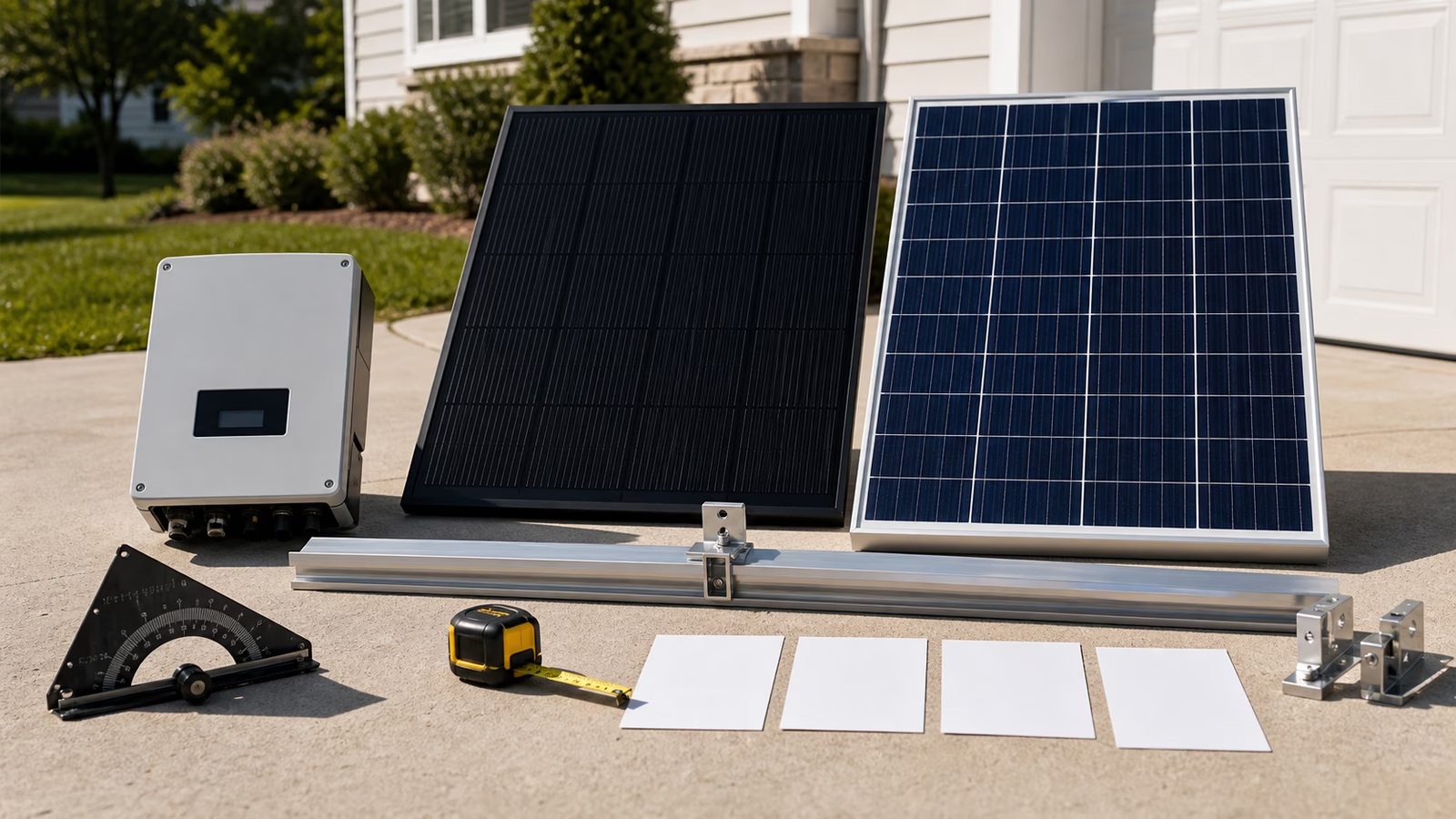
The roof should be evaluated before the panel count becomes the center of the conversation. Age and condition matter because removing and reinstalling panels for roof work can turn a cheap shortcut into an expensive detour. Orientation and pitch matter because they shape production through the day and across the year. Available area matters because vents, chimneys, dormers, setbacks, and roof planes can interrupt a layout that looked generous from the ground.
Shade is the quiet problem in many solar proposals. Trees, chimneys, neighboring buildings, and nearby roof features can make a good-looking array produce less than expected. Ask for the shade analysis and expected production by month, not just a single annual number. A monthly view shows whether the system carries winter loads, summer air conditioning, or shoulder-season production in the way the proposal implies.
Inverters, batteries, and outages
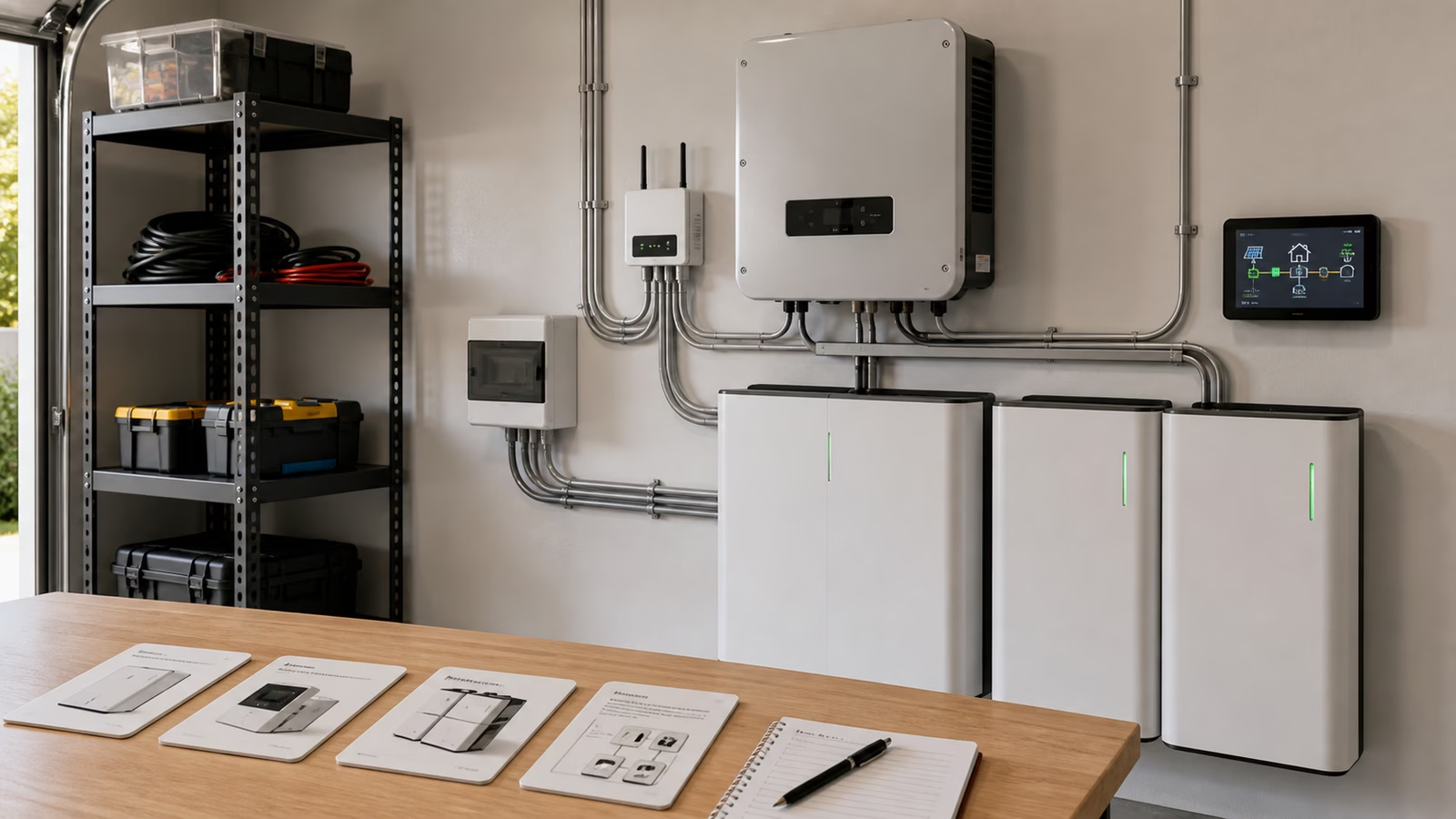
The inverter design decides how panel production becomes usable household electricity and how the system is monitored. Some systems use a string inverter, some use microinverters, and some use optimizers. The right choice depends on roof layout, shade, serviceability, monitoring expectations, and installer support. The proposal should explain why that design fits this roof rather than presenting inverter choice as an afterthought.
Batteries change the conversation again. A proposal may include a battery, leave the system battery-ready, or ignore storage entirely. Be especially clear about outage behavior. Ordinary grid-tied solar usually shuts down when the grid is out unless the system includes equipment designed to operate safely during an outage. Full sun on the roof does not automatically mean power in the house.
Contract and service reality
The contract should answer what happens if production is lower than expected, who handles permits and utility approval, who services the system after installation, and what warranties cover panels, inverters, roof penetrations, batteries, and workmanship. If the deal is a lease or power purchase agreement, understand what rights and obligations transfer when the home is sold. If financing is involved, read it as carefully as the equipment proposal.
Avoid pressure tactics, vague savings claims, and any proposal that does not give you time to review. A solar system is meant to sit on the house for a long time. The decision deserves slower reading than a same-day discount allows.
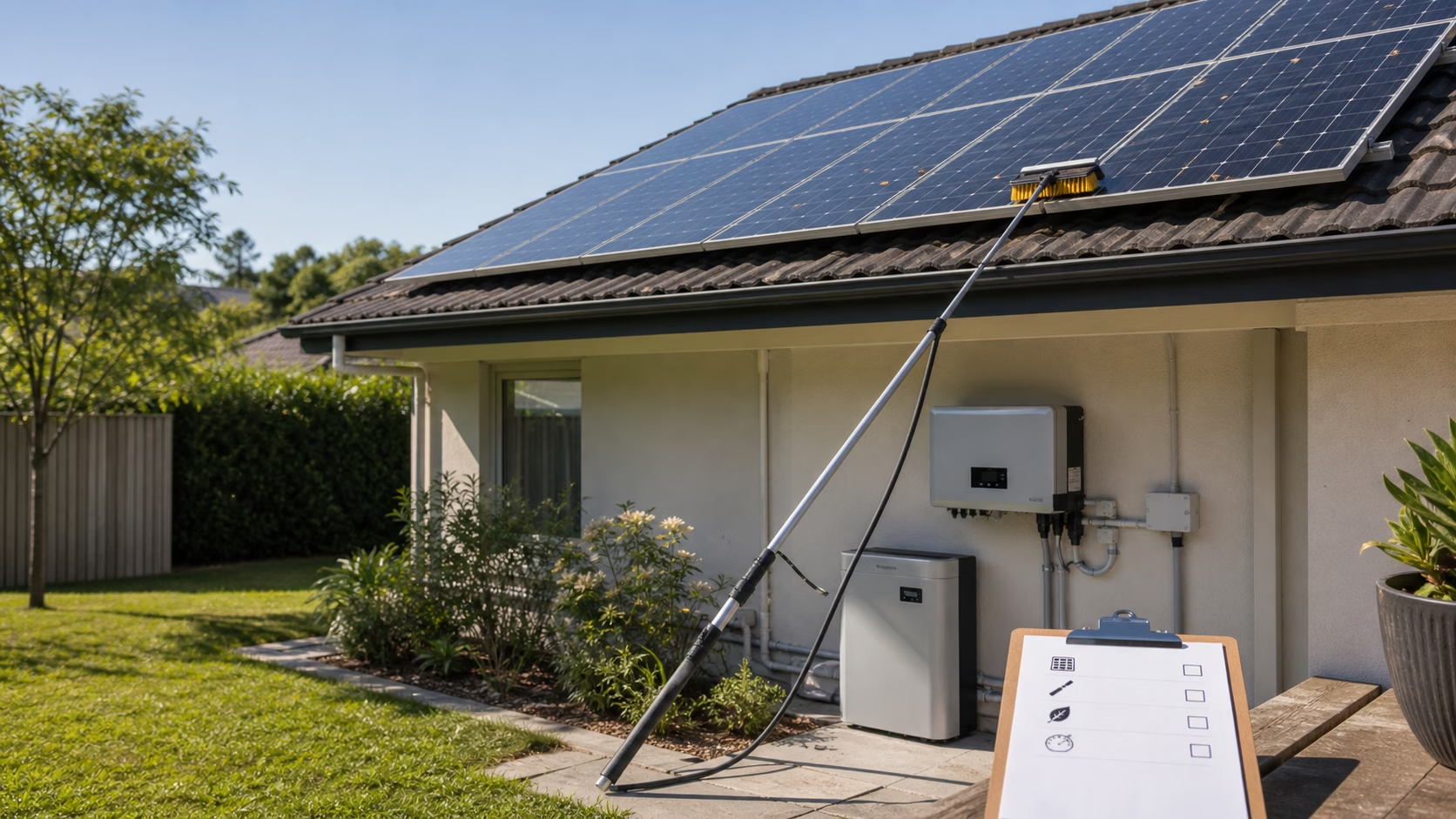
Most solar buying is installer-driven, but planning and maintenance basics can still be useful. A solar panel cleaning brush may help you understand ground-level cleaning tools, a roof safety harness kit is worth researching only in a professional safety context rather than casual DIY, and a home energy monitor can help compare household use against expected production.
For off-grid and small-home thinking, compare this with Tiny Home Solar Power Sizing .
Apply this guide as a decision record
Use Solar Panel Buying Guide: Roof, Contract, Inverter, and Battery Questions to turn a vague household question into a checkable one. Its scope is specific: How to evaluate residential solar panel proposals without fragile price claims or unsupported production promises. Before changing the setup, write down the condition you are trying to change, the constraint that matters most, and the evidence you still lack.
For a first pass through solar panel buying guide, compare the current state with a relevant baseline and record one observation, measurement, or conversation. Make the smallest reversible change available. Keep the manual, model number, room condition, schedule, or maintenance note beside the decision so a future check does not depend on memory. Keep solar panels, buying guide, inverter in view as separate signals instead of treating them as one verdict.
A useful follow-up asks whether Solar Panel Buying Guide: Roof, Contract, Inverter, and Battery Questions improved the named problem without creating a new one. Check the tradeoff that fits this subject — heat, noise, comfort, water, power, wear, effort, or cost — and describe the result in plain language. If a boundary is safety-critical, stop at the guide’s limit and bring the details to a qualified local professional.
The conclusion for solar panel buying guide should stay narrow. Record what was observed, which condition made the result possible, what maintenance keeps it dependable, and what would make you revisit the choice. That turns a guidebook into a decision record you can use again rather than a promise to remember.