Home energy maintenance works best when it follows the seasons instead of memory. A filter gets changed before airflow suffers. A dehumidifier is checked before the basement smells damp. A battery is inspected before the first storm, not during it. Shading is adjusted before summer sun turns rooms into heat traps. The calendar does not need to be elaborate. It needs to be connected to the way the house actually changes through the year. For background, see DOE — Energy Saver (2022): assessing home energy use .
The reason seasonal rhythm helps is that energy systems are ordinary until they are not. A heat pump with a clogged filter still runs, just poorly. A freezer with dirty coils still keeps food cold, until it uses more energy or struggles in a hot garage. A backup battery may sit quietly for months before anyone asks it to work. Maintenance is the practice of noticing small problems while they are still small.
Spring is for recovery and moisture
Spring is a good time to ask what winter taught the house. Drafts, cold rooms, condensation, ice near roof edges, uncomfortable floors, and high heating bills are all clues. They should be written down while the memory is fresh. Air Sealing and Insulation Priorities is easier to use when the homeowner remembers which rooms were uncomfortable rather than guessing in July.
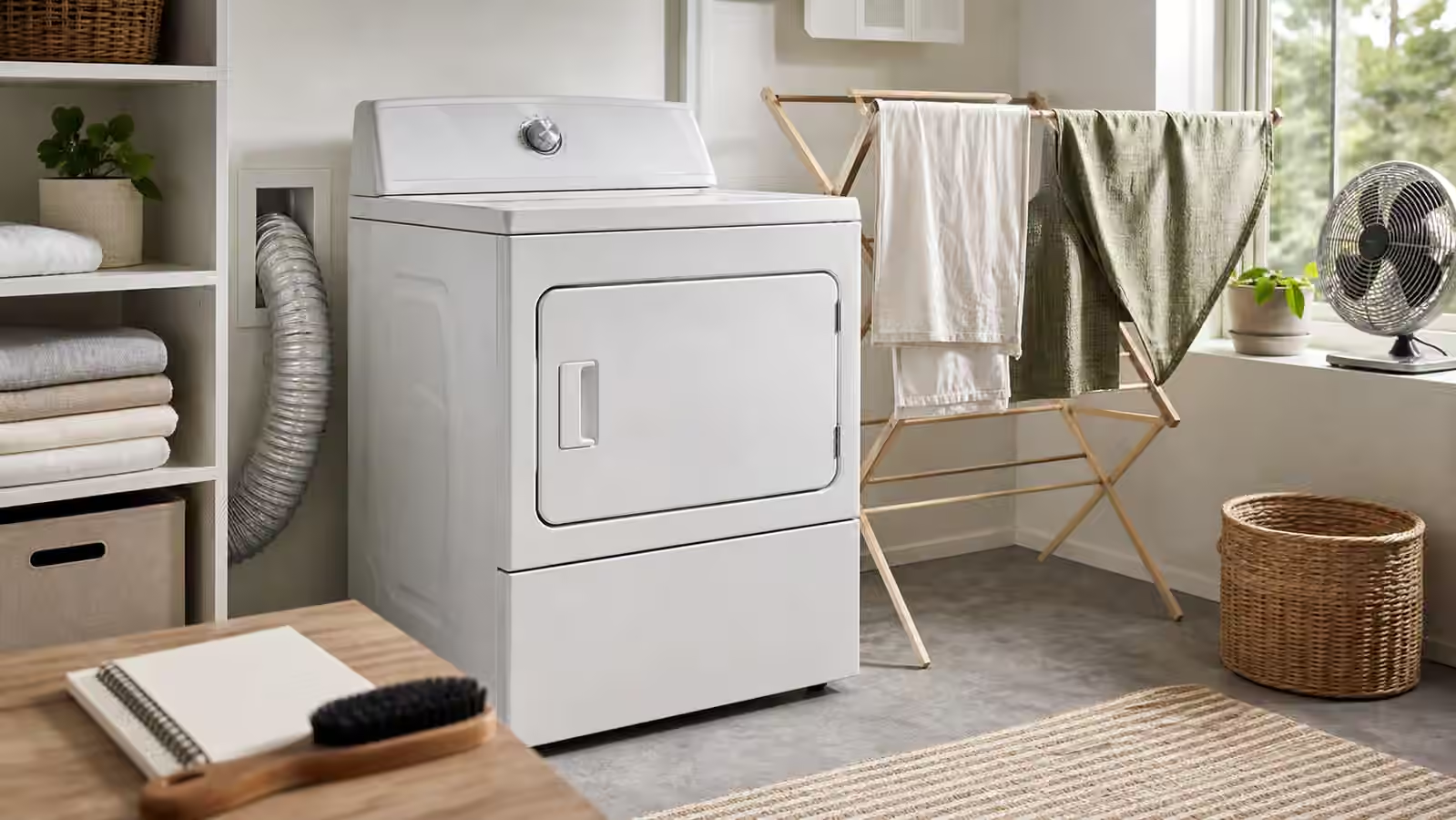
This is also the season to prepare for moisture. Basements, crawlspaces, and utility rooms may begin changing as outdoor humidity rises. A dehumidifier should be clean, placed correctly, draining properly, and measured as an energy load if it runs often. Dehumidifier Energy Planning explains why a dehumidifier can become a meaningful part of the electric bill. Checking it early is better than discovering a clogged hose or full bucket after the air already smells musty.
Heat pumps and air conditioners deserve attention before cooling season. Filters, outdoor clearances, indoor vents, condensate drains, and thermostat settings should be reviewed according to equipment instructions. Heat Pump Maintenance goes deeper, but the seasonal habit is simple: do not wait for the first hot day to learn that airflow is weak.
Summer is for heat, shade, and refrigeration
Summer makes heat gains visible. Rooms with strong afternoon sun, unshaded windows, hot attics, and poorly insulated additions can dominate comfort. Window Shading and Solar Heat Gain is useful because shading is not only decorative. Exterior shade, blinds, curtains, trees, awnings, and habits all decide how much heat the cooling system has to remove.
Refrigerators and freezers also deserve summer attention, especially in garages or warm rooms. Coils, door gaskets, clearance, temperature settings, and loading habits affect energy use and food safety. A garage freezer that was fine in mild weather may work harder in heat. Refrigerator and Freezer Energy Planning can help decide whether a secondary freezer is worth its energy and where it belongs in backup priorities.
Solar owners can use summer to observe production patterns without obsessing over every cloud. A clean, unobstructed system should behave consistently for its design, season, and weather. New shade from tree growth, dirt, equipment warnings, or monitoring gaps should be noticed. Solar Panel Maintenance keeps that work practical. The homeowner does not need to climb on a roof; visual checks, monitoring review, and professional service when needed are enough.
Fall is for backup and heating readiness
Fall is the best time to make winter less dramatic. Heating equipment should be ready before the first cold stretch. Filters, vents, outdoor heat pump clearance, thermostat schedules, and service needs should be reviewed. If the house uses a heat pump, Heat Pump Thermostat Controls can prevent the common mistake of treating it exactly like an old furnace. Smooth operation often matters more than aggressive setbacks.
Backup power also belongs in fall because storms, ice, wind, and long nights can make small problems bigger. Portable power stations should be charged and tested according to manufacturer instructions. Home batteries should show normal status. Generator plans should be reviewed with Generator Safety for Outages , especially carbon monoxide placement, fuel storage, transfer equipment, and who knows how to operate the system. Extension cords and improvised connections should not be invented during bad weather.
The household should also revisit Outage Food, Water, and Communications . A backup plan is not only watts. It is also water, lighting, phone charging, medication needs where applicable, refrigerator decisions, and communication. Fall gives enough time to adjust without panic.
Winter is for observation, not major guessing
Winter reveals the building envelope. Cold rooms, drafty floors, condensation, noisy ductwork, frequent auxiliary heat, and uncomfortable temperature swings are evidence. Some fixes can be small and immediate, such as replacing a dirty filter or clearing a blocked vent. Larger fixes should be noted for better weather. It is hard to solve every insulation, duct, or air-sealing problem in the middle of a cold snap, but it is easy to write down what the house is telling you.
Energy bills should be watched with context. A cold month can raise use even if equipment is working well. Utility Bill Baselines for Home Energy Planning helps separate weather from equipment changes. If a heat pump suddenly uses far more electricity than expected, the cause may be weather, settings, airflow, backup heat, refrigerant problems, or envelope issues. The bill is a clue, not a diagnosis by itself.
Winter is also a good time to observe standby loads because people spend more time indoors. Home offices, media rooms, chargers, and network gear may run longer. Standby Loads and Home Office Energy turns that observation into useful measurements. The quiet baseline matters when nights are long and backup runtimes feel shorter.
Maintenance should follow equipment instructions
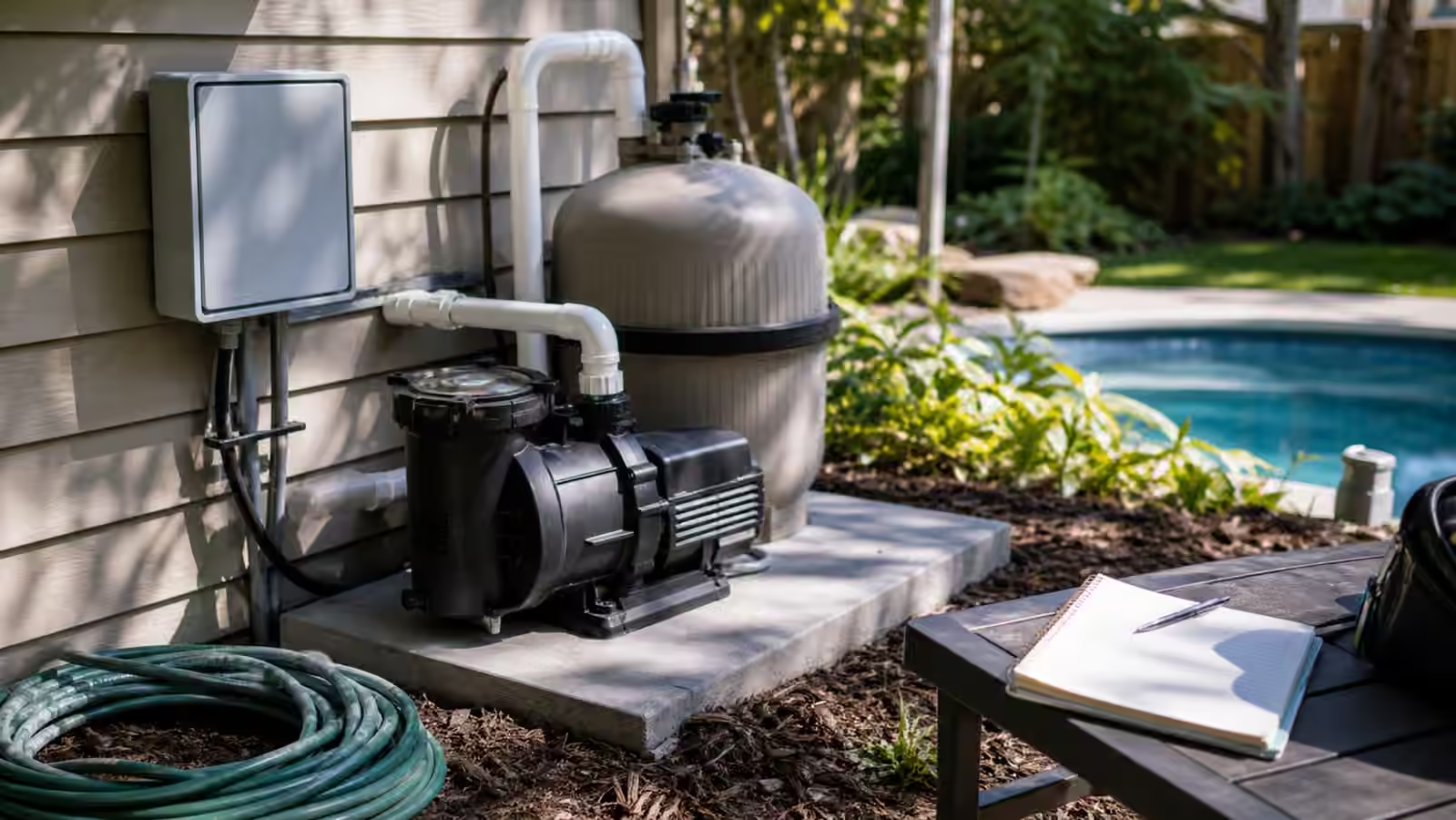
A seasonal calendar should never replace manuals, installer guidance, or professional service. Batteries, generators, heat pumps, solar inverters, water heaters, EV chargers, and appliances all have specific instructions. Some checks are safe homeowner habits. Others require qualified service. The calendar’s job is to remind the household to look, listen, record, and schedule the right help.
For batteries, that may mean checking status indicators, environment, clearances, and service messages without opening equipment. Battery Maintenance explains why placement, temperature, firmware, and inspection habits matter. For heat pump water heaters, it may mean cleaning filters and checking condensate paths according to instructions. For solar, it may mean monitoring production and calling a professional rather than climbing onto a roof.
The calendar should be realistic. A household will not follow a twelve-page maintenance ritual every month. It may follow a simple seasonal rhythm if it is tied to visible changes: before cooling, before heating, before storm season, after unusual bills, after renovations, and after equipment warnings.
Keep records where decisions happen
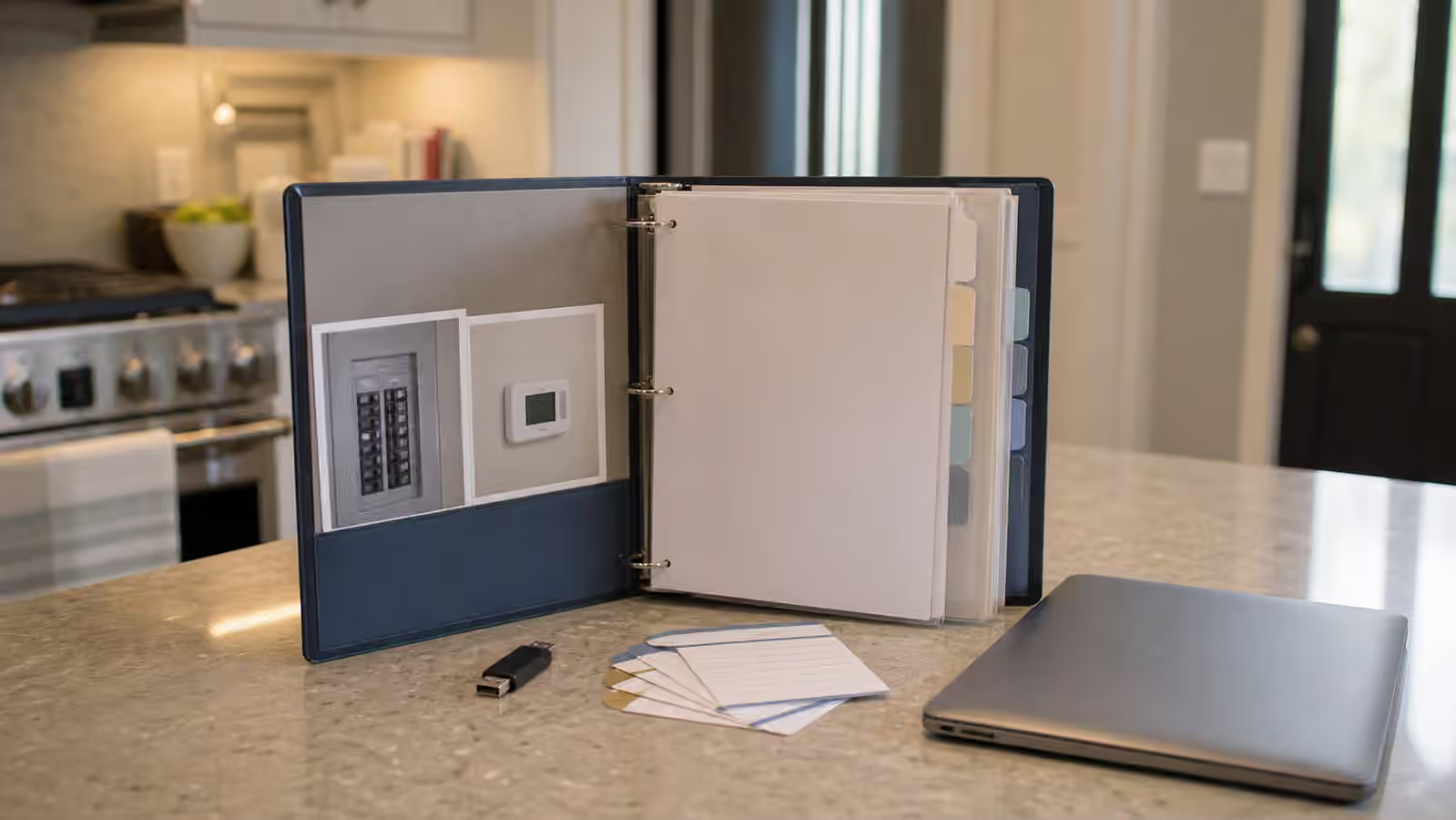
Maintenance notes become more valuable when they live with the energy map. Whole-Home Energy Map should not only show equipment. It should show the age of filters, battery location, solar monitoring access, freezer location, dehumidifier behavior, backup circuits, and known comfort complaints. A future contractor, installer, or family member can understand the house faster when those notes are in one place.
Photos help. A picture of a clean filter size, battery clearance, inverter screen, panel label, or dehumidifier drain route can save time later. Dates help even more. “Changed filter before cooling season” is useful. “Basement dehumidifier ran constantly after three days of rain” is useful. “Garage freezer struggled during heat wave” is useful. The record does not need perfect prose. It needs enough context to guide the next decision.
Seasonal maintenance is not about fussing over the house. It is about preserving choices. Equipment lasts better when it can breathe, drain, stay clean, and be tested. Backup plans work better when batteries and generators are checked before they are needed. Efficiency projects make more sense when bills, comfort, and maintenance history are visible. A home energy calendar turns scattered chores into a steady rhythm, and that rhythm keeps the lab honest.