Renters do not control every part of a home energy system. They usually cannot replace the electrical panel, add rooftop solar, cut into walls, change windows, install a heat pump, or rework ductwork without permission. That does not make energy planning pointless. It changes the tool set. A renter-friendly plan focuses on movable equipment, careful observation, reversible improvements, better timing, and clear maintenance requests. For background, see DOE — Energy Saver (2022): renters and rental properties .
The first rule is to respect the lease, building rules, safety instructions, and local requirements. The second rule is to avoid spending renter money on changes that should be a property owner’s responsibility. Within those boundaries, a renter can still lower waste, improve comfort, prepare for outages, and understand which loads drive the bill.
Begin with what you can measure
A renter’s energy plan should start with records, not purchases. Utility Bill Baselines for Home Energy Planning works even when the home is temporary. A year of bills is useful if available, but even a few months can show whether electricity rises in summer, winter, or steadily across the year. If utilities are included in rent, the renter may not see the whole bill, but they can still observe comfort, appliance use, drafts, and equipment behavior.
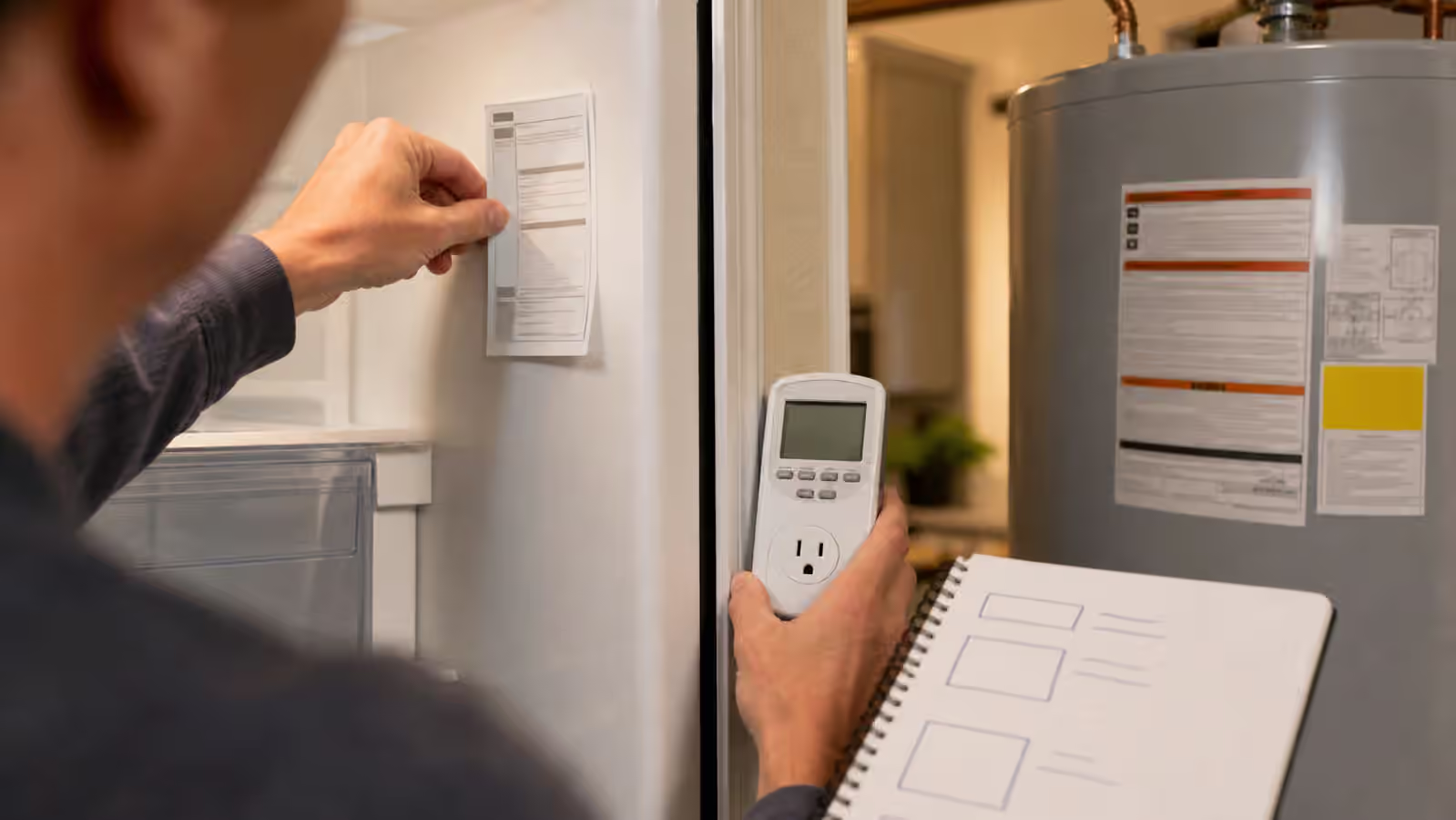
Plug-in loads are often the easiest renter measurements. A plug-in energy meter can check a desk setup, old refrigerator if the unit has one, entertainment equipment, dehumidifier, fan, portable air conditioner, or space heater. The point is not to measure every outlet. It is to find the loads that run for many hours or create surprises. Standby Loads and Home Office Energy is especially useful for renters who work from home because office gear can become a steady background layer.
Measurements also protect against vague blame. A high bill may be caused by electric heat, a portable air conditioner, poor weatherization, an old appliance, a water heater, or a rate change. The renter may not be able to fix every cause, but clearer evidence makes better decisions possible.
Treat windows as reversible equipment
Windows are one of the renter’s most important energy surfaces because they can often be managed without permanent work. Curtains, cellular shades, removable films where allowed, draft stoppers, and seasonal habits can change comfort. In summer, timely shade can reduce solar heat gain. In winter, curtains and careful draft attention may reduce discomfort near glass. The exact options depend on building rules and window type, so permission matters before adhesive films, hardware, or visible exterior changes.
Window Shading and Solar Heat Gain explains why timing is important. Closing a shade before direct sun hits the glass can work better than reacting after the room is already hot. Opening shade for winter sun may help some rooms. A renter can learn which window matters most by watching temperature and sunlight for a few days.
Drafts deserve a cautious approach. A door draft stopper is simple and movable. Removable weatherstripping may be allowed in some rentals and not in others. Blocking required ventilation, covering combustion air paths, or sealing around equipment without understanding the building can be unsafe. When a draft is severe, damaged, wet, or connected to pests, the right renter action may be a documented maintenance request rather than a personal project.
Use timing where it does not make life worse
Renters can often shift loads without changing the building. Laundry may move away from expensive rate periods if the renter pays the bill and has flexible access. A dishwasher, if present, may run later. A portable power station can recharge during a better window if it is used regularly. Small cooking appliances may reduce heat in summer compared with an oven, though cooking habits should stay realistic.
Time-of-Use Rates and Home Energy Timing and Load Shifting at Home are useful only when the renter actually has a rate that rewards timing or a household routine that can absorb the change. Shared laundry rooms, noise rules, work schedules, and building quiet hours may matter more than the cheapest hour. A good renter plan avoids turning neighbors or sleep into hidden costs.
Smart plugs and timers can help with lamps, chargers, fans, and some small appliances when used according to instructions. Smart Plugs, Timers, and Load Control at Home should be read with caution around high-load devices. Plug-in controls are not a shortcut for heaters, air conditioners, or appliances that require direct connection and manufacturer-approved use.
Portable backup should match apartment realities
Many renters cannot use fuel generators because of exhaust, storage, lease rules, local restrictions, balconies, noise, or basic safety. For small outage loads, a portable power station may be more realistic. It can run a router, phone, lamp, laptop, or carefully measured small device within its limits. It can move to the next home. It does not require wiring changes.
Portable Power Station Buying Guide helps keep expectations grounded. A portable battery is not a hidden whole-apartment backup system. Space heaters, large air conditioners, electric kettles, microwaves, and other high-load appliances can drain it quickly or exceed its inverter limits. The backup plan should start with Outage Food, Water, and Communications because communication, light, and food safety often matter before convenience loads.
Charging and storage also deserve attention. The battery should be kept where instructions allow, away from heat or damage, and not buried under household clutter. Extension cords, overloaded outlets, and improvised wiring defeat the purpose of a safer renter-friendly plan.
Document maintenance requests clearly
Some energy problems belong to the property. A broken window latch, missing door sweep, failed bath fan, leaking refrigerator gasket on a supplied appliance, malfunctioning heating system, blocked vent, water intrusion, or unsafe outlet is not a lifestyle optimization. It is a maintenance issue. The renter’s job is to describe it clearly, preserve records, and follow the proper request channel.
Good documentation is factual. The bedroom window does not latch. The bath fan does not turn on. Water appears on the sill after rain. The supplied refrigerator runs constantly and the door gasket is torn. The heater cannot maintain the set temperature in mild weather. The outlet sparks or feels hot. Avoid diagnosing beyond what you know. Describe the observation, date, location, and impact.
This approach also helps avoid renter overreach. Buying gadgets to compensate for a broken building can become expensive and still leave the core issue untouched. A portable heater may warm a drafty room, but Portable Electric Space Heater Energy Planning explains why it should not replace a repair request for a failed heating system or severe draft.
Buy things that can move with you
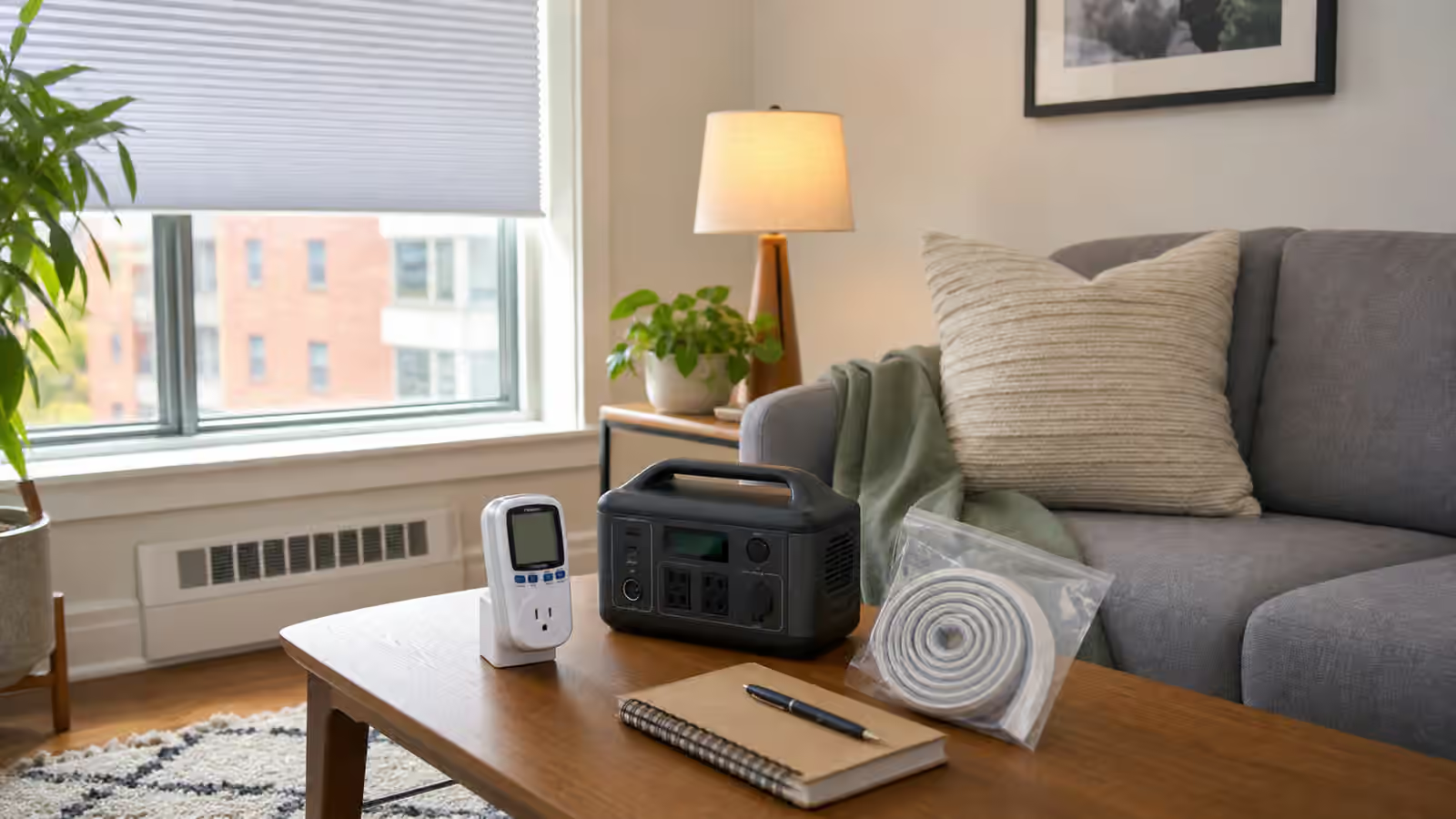
Renter energy spending should favor items that can leave with the renter or provide immediate comfort without altering the property. A plug-in energy meter, good curtains, a door draft stopper, a portable power station, efficient lamps, a small fan, a safe power strip for low-load electronics, and a notebook can all travel. A custom improvement that only fits one window or depends on adhesive removal may be less attractive unless the comfort benefit is clear and permission is secure.
This does not mean every movable item is wise. A portable air conditioner may be necessary in some homes, but it can use significant energy and needs proper venting. A dehumidifier may help a damp unit, but persistent moisture may need building repair. A second freezer, extra heater, or always-on electronics can add load in a small space. Home Energy Monitoring Basics keeps those choices visible.
When moving, take the energy notes with you. Which loads mattered? Which window habits worked? Which backup items were useful? Which problems required maintenance rather than renter fixes? The next home will have different walls, windows, appliances, and rates, but the observation habit carries over.
Make the temporary home easier to understand
A rental may not be permanent, but it is still the home using energy this month. A renter-friendly plan does not pretend the tenant owns the building. It simply focuses on the decisions available: measure plug-in loads, manage windows, time flexible appliances, avoid unsafe workarounds, prepare modest backup, and document problems clearly.
That plan can be quieter and more effective than a pile of gadgets. It gives the renter a way to improve daily comfort while preserving boundaries. It also creates better conversations with property managers, roommates, contractors, or a future landlord. The home energy lab is not only for people with a roof, panel, and mechanical room they control. It is for anyone willing to make the loads, comfort problems, and constraints visible before spending money.