Home energy planning usually goes wrong when the shopping starts before the load list. A portable power station, home battery, EV charger, solar array, heat pump, or induction range can all be the right upgrade. They can also be expensive distractions if they solve the wrong problem.
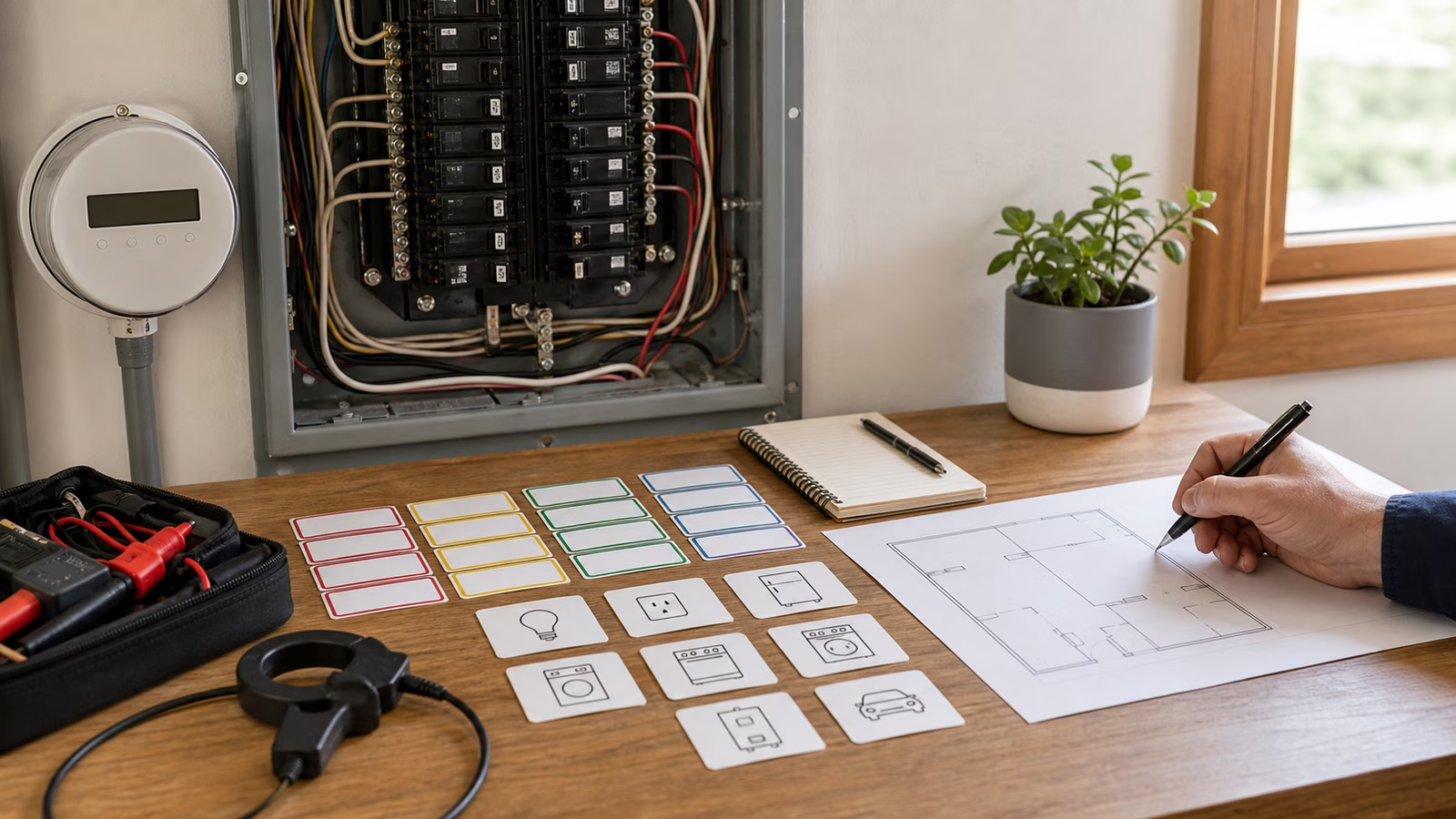
The first step is not a product. It is a short map of what the home needs to run. In half an hour, you can separate the critical loads from the comfort loads, notice the large electrical loads, decide what kind of outage you are planning for, and name the reason you are upgrading in the first place.
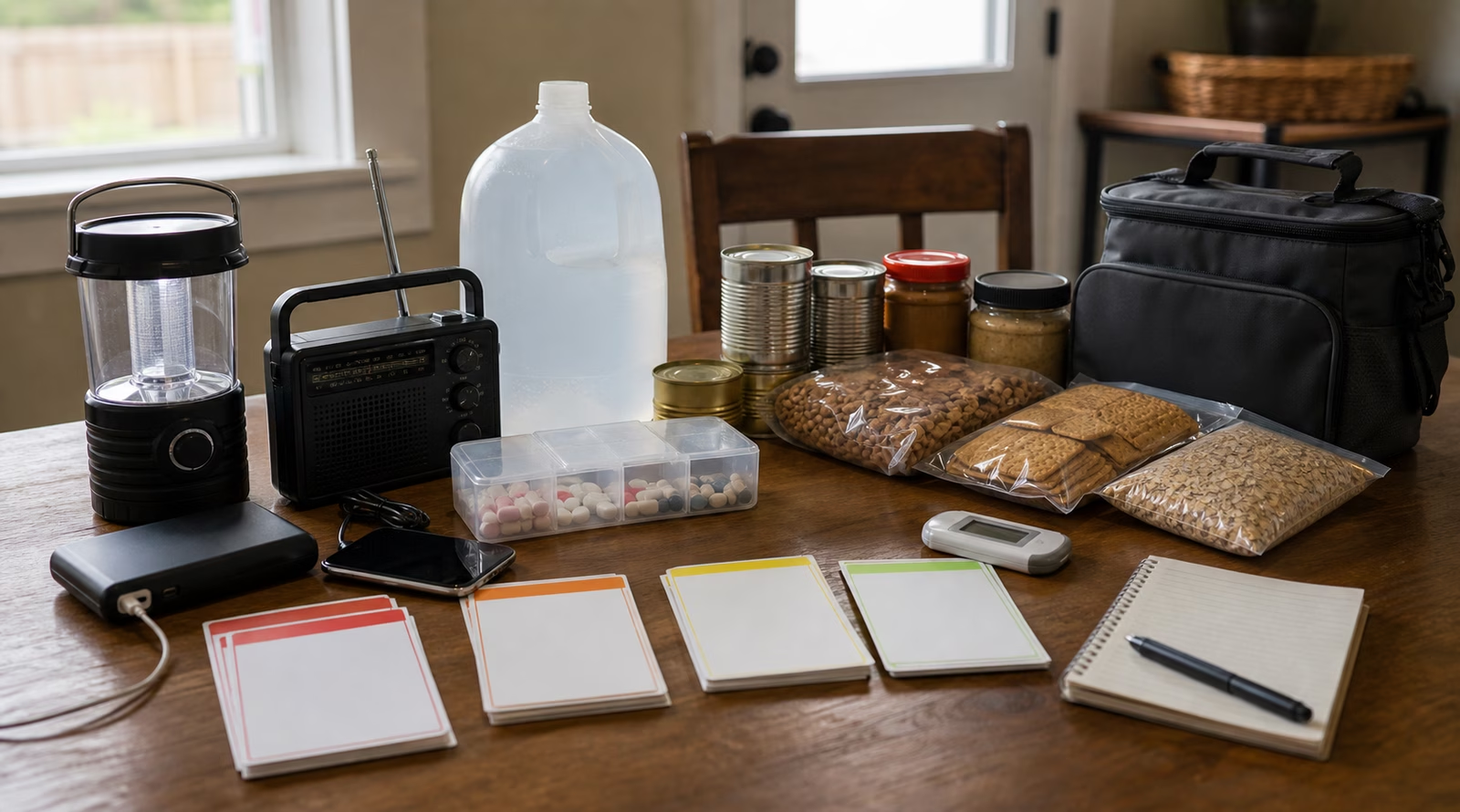
Critical loads are the things that protect health, food, communication, water, and basic safety: refrigeration, medical devices, sump pumps, phone charging, network gear, and heat or cooling when it is truly needed for safety. Comfort loads are the things that make an outage bearable but not necessarily dangerous: lights, fans, small appliances, a work setup, a microwave, or a little entertainment. Large electric loads, such as a heat pump, water heater, dryer, range, or EV charger, need special attention because they can overwhelm a casual backup plan.
The outage duration matters just as much as the load. A few hours, one night, one full day, and several days are different designs. So is the reason behind the project. Resilience, lower energy use, electrification, comfort, and future-proofing can overlap, but one of them is usually the real driver.
Choose the first path
If the problem is short outages, begin with Outage Priority List and decide what actually deserves backup. If the numbers are confusing, read Watts, kWh, and Loads before comparing batteries or panels. If backup shopping has already started, pause at Backup Power Sizing so capacity, surge, and recharge become concrete.
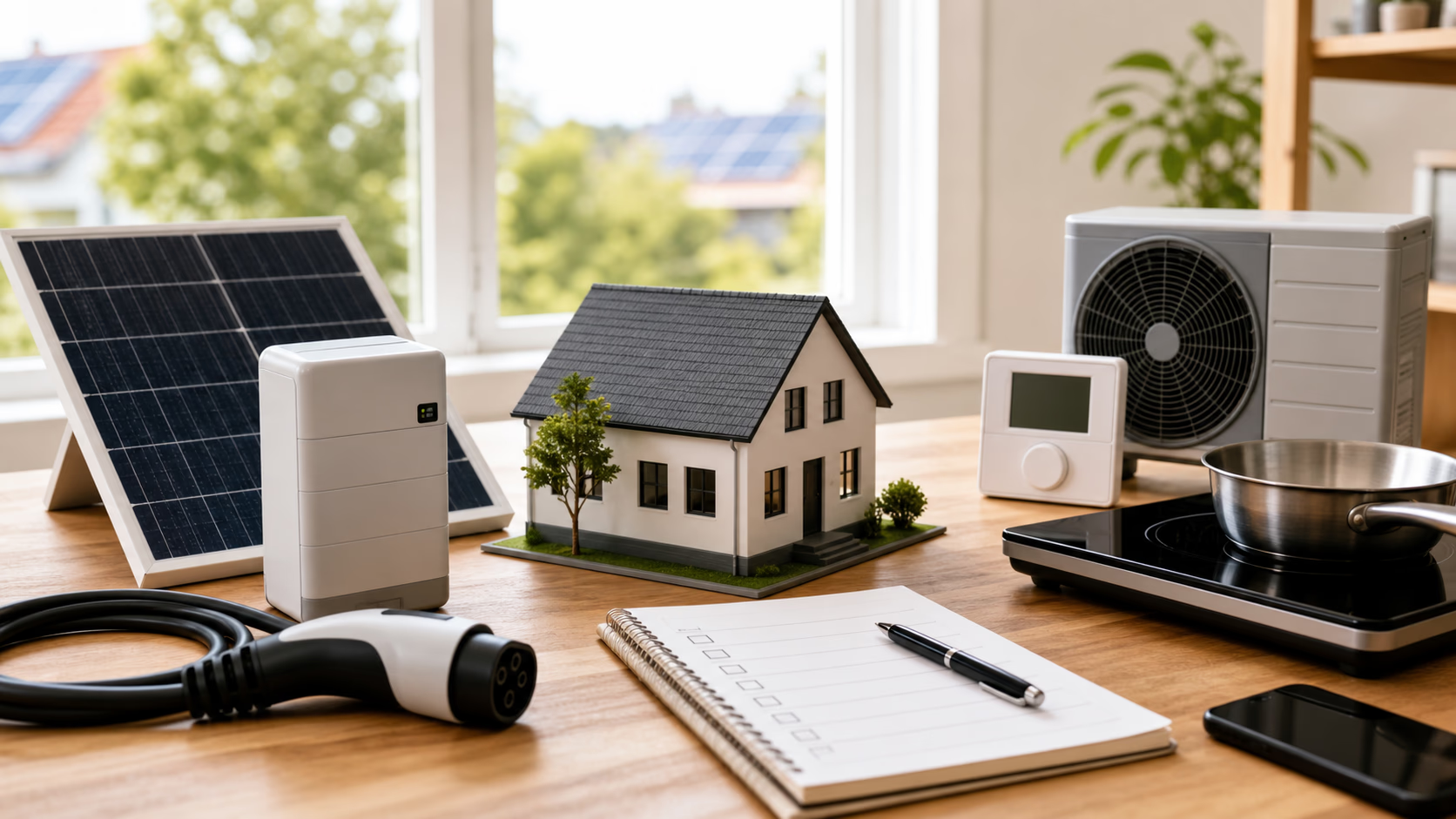
Solar curiosity belongs with Solar Panel Sizing , where roof production and household use can meet. Heating and cooling questions belong with Heat Pump Buying Guide because comfort depends on sizing, ducts, insulation, and controls. Kitchen electrification belongs with Induction Cooktop Buying Guide , especially if the electrical panel or cooking routine is still uncertain.
The order that usually works
First, reduce waste. Air sealing, insulation, efficient lighting, and better controls shrink the system you need. The Department of Energy makes the same point for renewables: efficiency comes before sizing a renewable system.
Second, plan resilience. Decide what must run during an outage before you compare backup devices.
Third, electrify thoughtfully. Heat pumps, induction cooking, and EV charging can be excellent upgrades, but they may require panel capacity, new circuits, load management, or professional work.
Fourth, maintain what you install. Filters, firmware, battery state of charge, panel cleaning, and test runs matter more than the brochure suggests.
For smaller homes and off-grid thinking, read Tiny Home Solar Power Sizing and Tiny Home Heating and Cooling . Tiny homes make the same load math visible faster.
Your next move
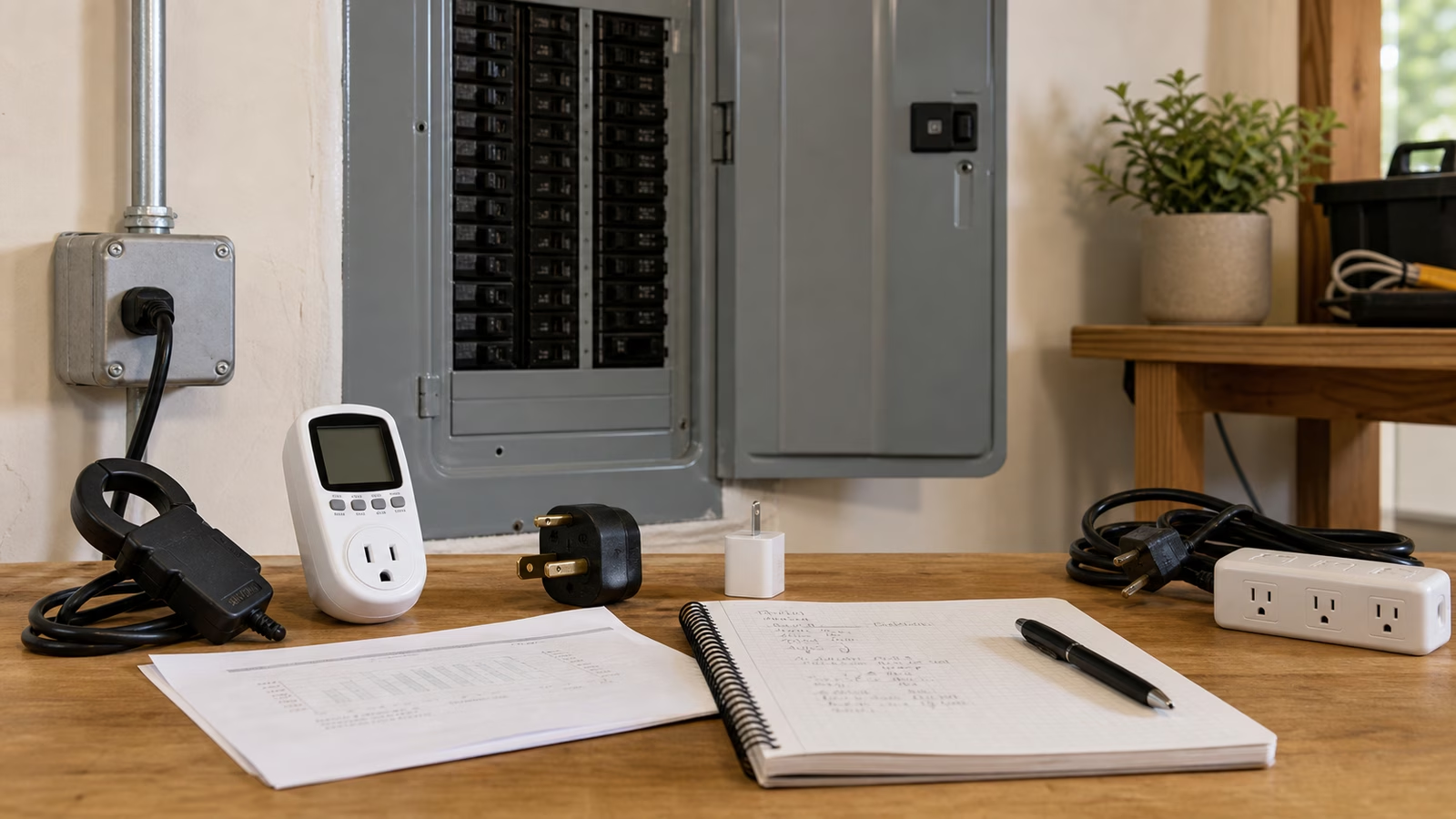
Make a one-page home energy note before buying anything. Write down the loads you care about, the outage duration you want, the upgrades you are considering, the electrical work that may need a professional, and the questions that still need answers. Then use the rest of this library to fill in the numbers.
Apply this guide as a decision record
Use Home Energy Quickstart: Make the Load List Before You Buy to turn a vague household question into a checkable one. Its scope is specific: A plain first pass through home backup power, solar, batteries, EV charging, heat pumps, induction cooking, and efficiency upgrades. Before changing the setup, write down the condition you are trying to change, the constraint that matters most, and the evidence you still lack.
For a first pass through quickstart, compare the current state with a relevant baseline and record one observation, measurement, or conversation. Make the smallest reversible change available. Keep the manual, model number, room condition, schedule, or maintenance note beside the decision so a future check does not depend on memory. Keep quickstart, beginner, home energy in view as separate signals instead of treating them as one verdict.
A useful follow-up asks whether Home Energy Quickstart: Make the Load List Before You Buy improved the named problem without creating a new one. Check the tradeoff that fits this subject — heat, noise, comfort, water, power, wear, effort, or cost — and describe the result in plain language. If a boundary is safety-critical, stop at the guide’s limit and bring the details to a qualified local professional.
The conclusion for quickstart should stay narrow. Record what was observed, which condition made the result possible, what maintenance keeps it dependable, and what would make you revisit the choice. That turns a guidebook into a decision record you can use again rather than a promise to remember.