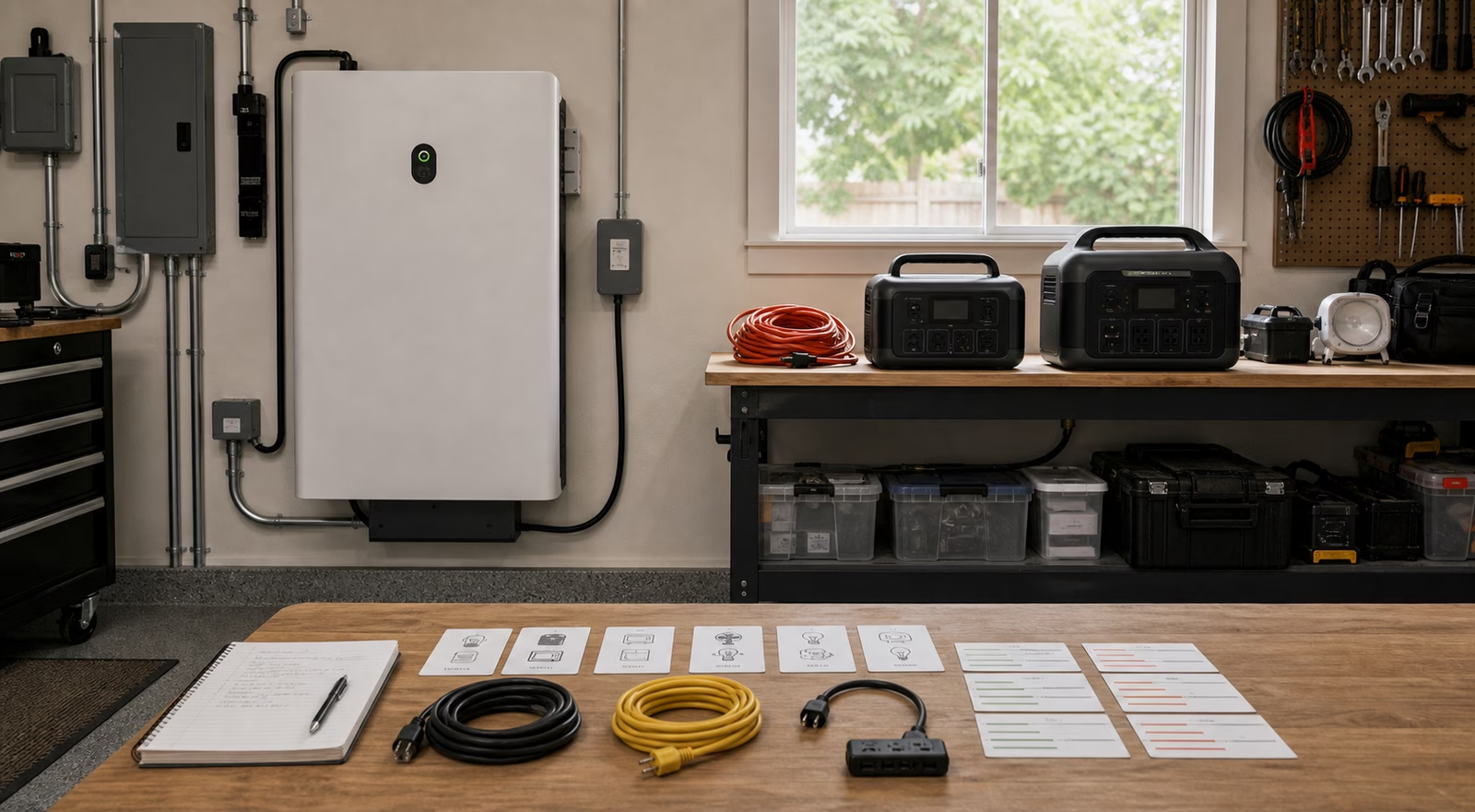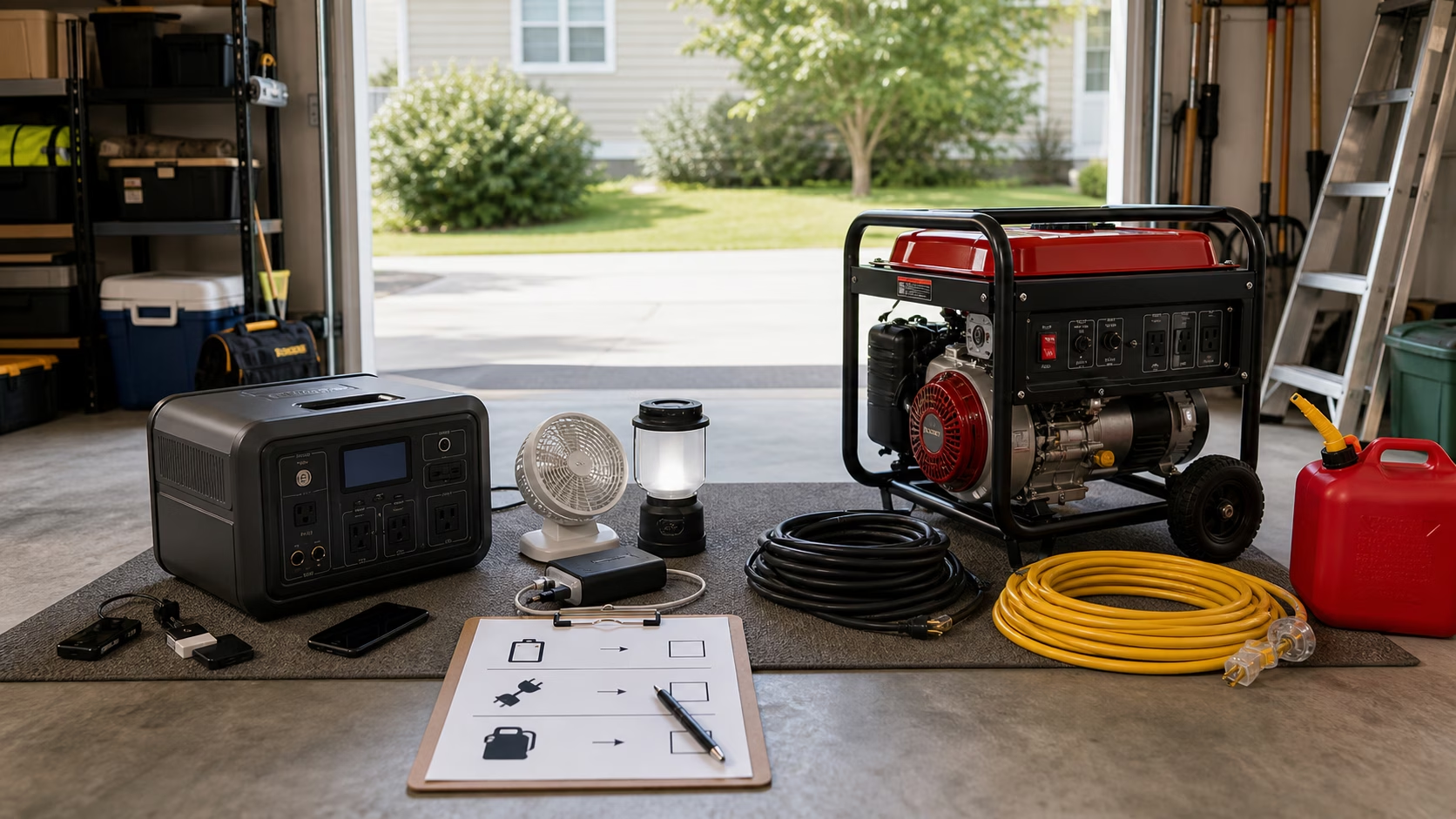
Portable power stations and fuel generators solve different outage problems. They overlap enough to be compared, but they should not be treated as interchangeable boxes.
A battery is quiet, indoor-friendly when used as directed, and simple for small electronics. It stores electricity ahead of time, then gives it back through outlets, USB ports, DC ports, or sometimes a higher-output connection. A fuel generator makes electricity while it runs, which can be powerful and useful for longer outages, but it brings carbon monoxide, fuel storage, noise, weather exposure, maintenance, and connection hazards into the plan.
Where the battery is strongest
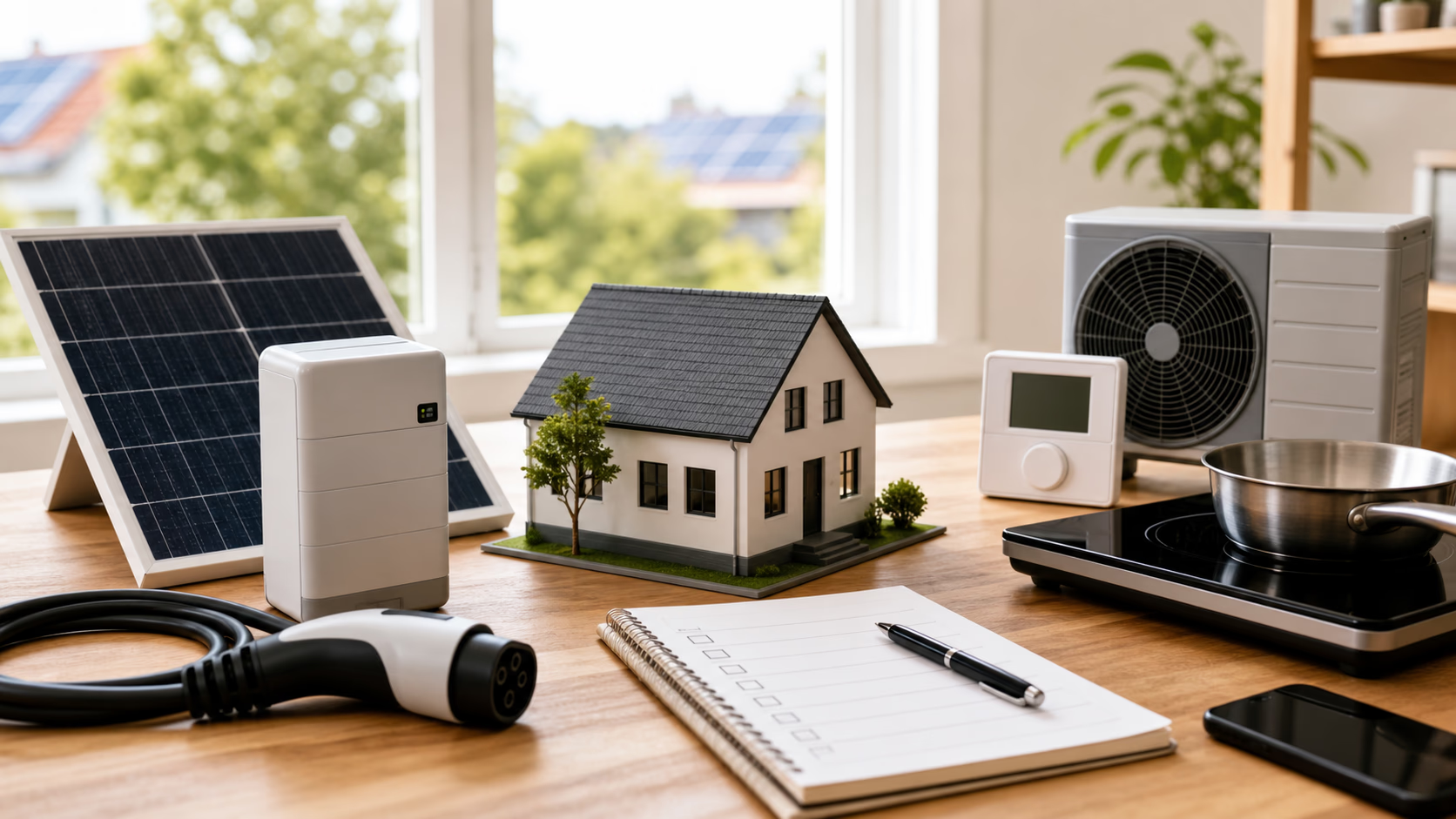
Choose a portable power station when the priority list is specific and modest: phones, lights, router, laptop, small medical devices with verified requirements, or a measured refrigerator load for a defined period. It is especially strong for renters, apartments, and homes where fuel generator use is impossible, unsafe, restricted, or simply too much work for the loads that need backup.
The battery advantage is livability. It can sit indoors if the manufacturer allows that use, it runs quietly, and it does not need gasoline in the middle of the night. The tradeoff is that runtime is limited by capacity and recharge options. Once the battery is empty, it needs wall power, compatible solar, vehicle charging where supported, or another charging source before it can help again.
Where The Plans Overlap
Many homes are better served by a layered plan than by choosing one heroic device. A portable battery can keep phones, lights, router, and a laptop running indoors while a generator, if safely used outside, handles heavier or longer-duration loads. That separation keeps the quiet indoor tasks quiet and keeps fuel-burning equipment out of living space. It also reduces the temptation to run extension cords everywhere. The overlap only works when each device has a named job, a safe cable path, and a recharge or refuel plan that still makes sense on day two.
Where the generator may fit
A generator may fit longer outages, larger tools, well pumps, jobsite-style loads, or homes where fuel storage and safe outdoor placement are realistic. It can keep producing power as long as the machine is maintained and fuel is available. That endurance is the appeal, but it comes with rules that cannot be softened.
Ready.gov and CDC both warn that fuel generators belong outdoors and away from windows, doors, and attached garages because of carbon monoxide. A generator must never run indoors or near openings, and panel-connected backup must use proper transfer equipment installed under applicable rules. The generator may be stronger than a portable battery, but unsafe connection can make that strength dangerous.
Choosing without hype
Start with the outage priority list. Small indoor loads point toward a battery-first plan. Long outages with reliable fuel access may justify a generator. Whole-home or HVAC loads usually need professional design, whether the answer is a permanent battery, a generator, load shedding, or a hybrid system. Apartments and rental buildings usually push the answer back toward battery backup because fuel generator placement is rarely safe or allowed.
Useful shopping starts broad, then narrows by the actual load plan. A portable power station can cover small backup needs cleanly, while a battery carbon monoxide alarm belongs in any home that might use fuel-burning backup equipment. If cords are part of the plan, use an outdoor-rated heavy-duty extension cord sized for the load and environment.
Read Generator Safety for Outages before using fuel backup.
Apply this guide as a decision record
Use Portable Power Station vs Generator: Clean Battery or Fuel Backup? to turn a vague household question into a checkable one. Its scope is specific: A practical comparison of portable power stations and fuel generators for outages, safety, runtime, noise, indoor use, and recharge planning. Before changing the setup, write down the condition you are trying to change, the constraint that matters most, and the evidence you still lack.
For a first pass through portable power vs generator, compare the current state with a relevant baseline and record one observation, measurement, or conversation. Make the smallest reversible change available. Keep the manual, model number, room condition, schedule, or maintenance note beside the decision so a future check does not depend on memory. Keep portable power station, generator, comparison in view as separate signals instead of treating them as one verdict.
A useful follow-up asks whether Portable Power Station vs Generator: Clean Battery or Fuel Backup? improved the named problem without creating a new one. Check the tradeoff that fits this subject — heat, noise, comfort, water, power, wear, effort, or cost — and describe the result in plain language. If a boundary is safety-critical, stop at the guide’s limit and bring the details to a qualified local professional.
The conclusion for portable power vs generator should stay narrow. Record what was observed, which condition made the result possible, what maintenance keeps it dependable, and what would make you revisit the choice. That turns a guidebook into a decision record you can use again rather than a promise to remember.