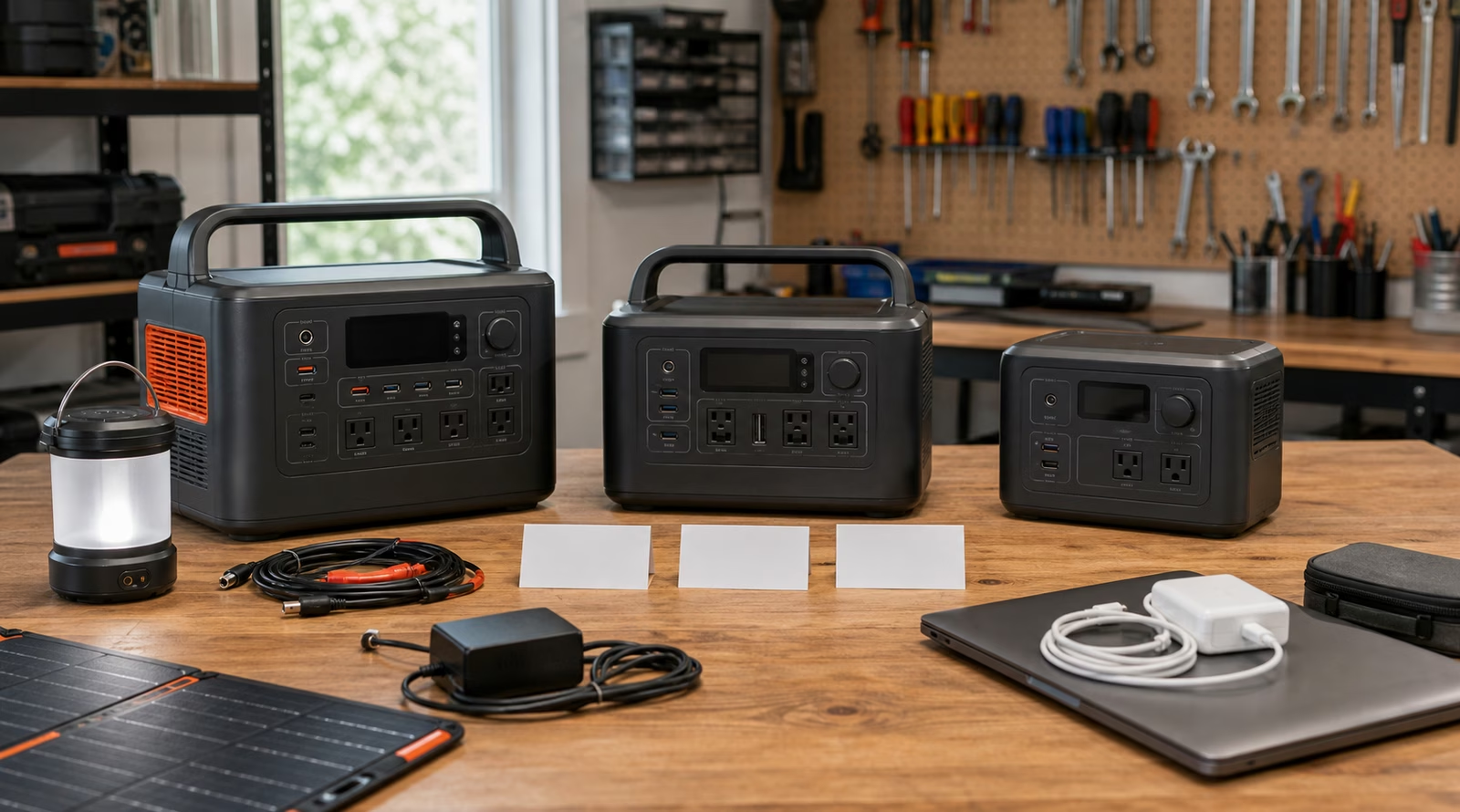
A portable power station is a battery, inverter, charger, and outlets in one box. It is one of the cleanest backup options for apartments, renters, short outages, camping, work sites, and small critical loads. It is not automatically a whole-home backup system, and it should not be judged only by the largest number printed on the front.
The right portable station is the one whose usable capacity, continuous AC output, surge output, ports, charging options, battery chemistry, and support match the job. Runtime depends on usable capacity. What can run at the same time depends on output. Whether a motor or compressor starts depends on surge. Whether the station is pleasant to own depends on weight, noise, screen clarity, fan behavior, recharge speed, warranty, and how easily the household can remember to keep it charged.
Match the station to the outage
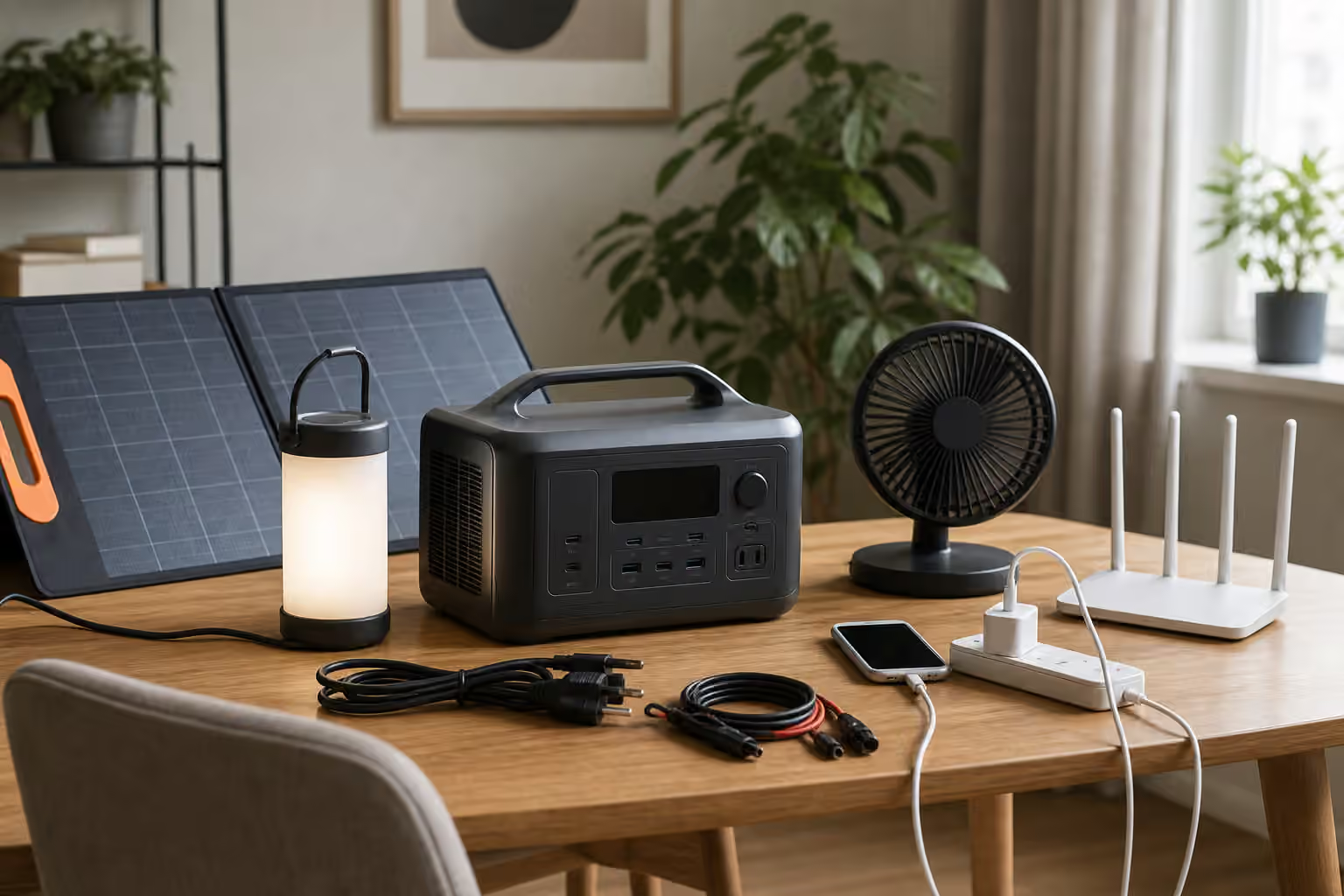
For phones, lights, and a router, modest capacity may be enough. These loads are predictable, and they often matter more for communication and calm than for raw power. For a refrigerator, measure or conservatively estimate both energy use and startup surge. A refrigerator that cycles through the day is very different from a laptop charger, and the inverter has to be able to handle the moment it starts.
For medical devices, do not guess. Use device documentation and ask the provider about backup requirements. Some devices have strict power, runtime, battery, or alarm needs, and the consequence of getting the number wrong is too serious for a casual estimate.
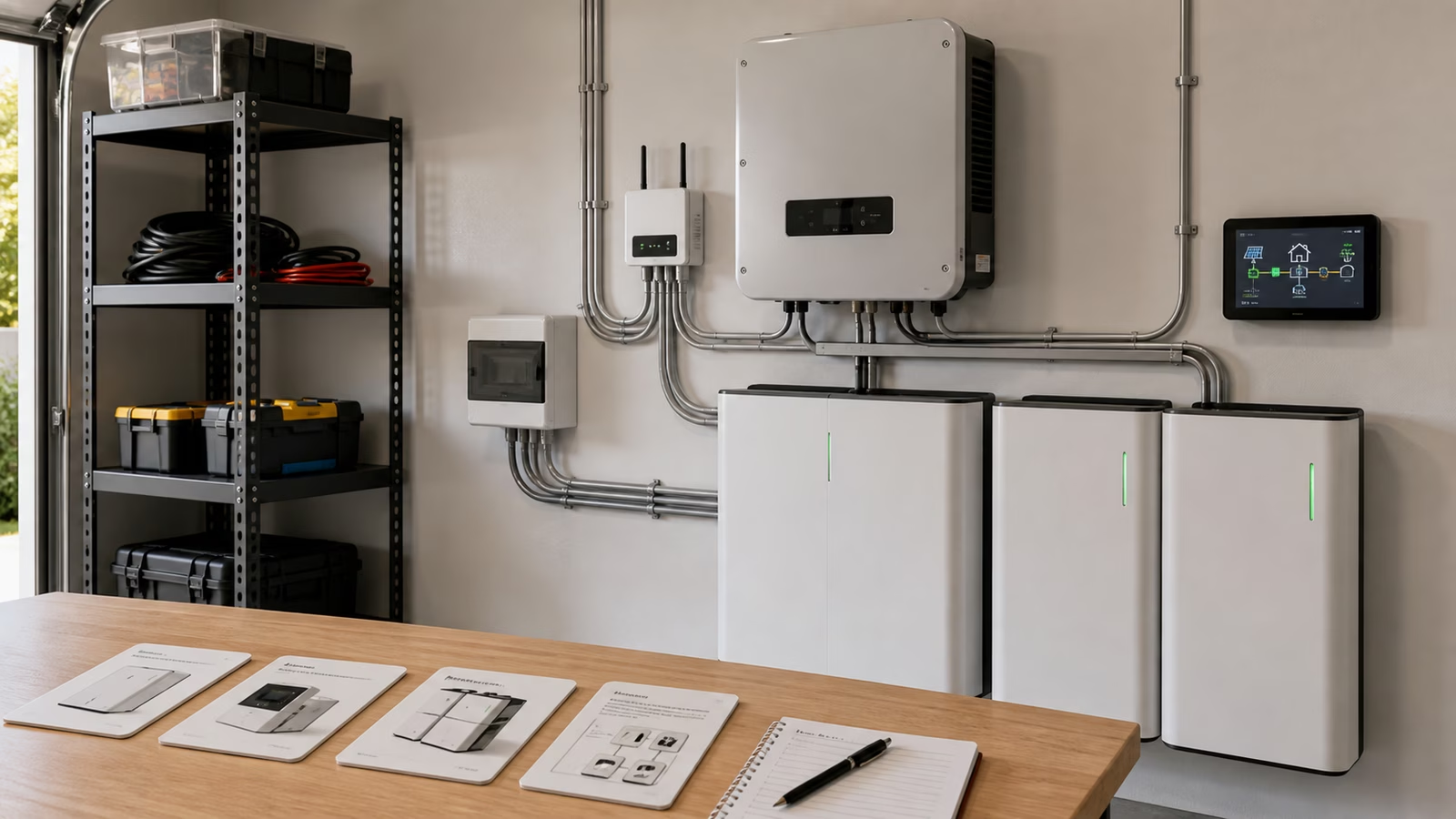
If the outage list includes a heat pump, electric water heater, range, dryer, well pump, or EV charging, the plan is usually outside casual portable-station territory. Some high-end portable systems can handle larger loads with expansion batteries or special connections, but at that point the decision begins to resemble permanent backup planning and should be treated with the same care.
Capacity, surge, and charging
Usable capacity tells you how much energy is available. Continuous output tells you how much power the station can deliver steadily. Surge output tells you whether it can handle short startup demands. Solar input tells you how much panel power the station can accept, which may be much lower than the total wattage of panels you wish you could connect. Recharge speed matters after an outage, during travel, and when a storm gives you only a short warning window.
UPS behavior is useful when the station will protect a router, modem, computer, or other device that should stay on during a brief grid interruption. It is not universal, and the details matter. Some products switch fast enough for sensitive electronics, while others are simply batteries with outlets. Read the documentation before assuming it will behave like a true UPS.
Buying decision
Choose a portable station when you rent, cannot install a permanent battery, want quiet indoor battery power, and have a small, specific outage plan. Look elsewhere when you need automatic whole-home backup, large 240V loads, multiple days of heavy heating or cooling, or code-compliant panel integration.
Use broad searches, then compare specs against the load list. A portable power station with LiFePO4 battery is a useful starting point for long-cycle battery chemistry, a portable solar panel for power station can support daylight recharge if it matches the station’s input limits, and a heavy-duty outdoor-rated extension cord is worth choosing carefully when loads are not right beside the station.
Avoid choosing by headline watt-hours alone. Ports, surge behavior, charging limits, battery care, warranty support, and the actual outage routine matter just as much.
For a direct comparison with generators, read Portable Power Station vs Generator .
Apply this guide as a decision record
Use Portable Power Station Buying Guide: Capacity, Ports, Surge, and Solar Input to turn a vague household question into a checkable one. Its scope is specific: How to compare portable power stations for outages, renters, camping, work, and small backup loads without relying on hype. Before changing the setup, write down the condition you are trying to change, the constraint that matters most, and the evidence you still lack.
For a first pass through portable power station buying guide, compare the current state with a relevant baseline and record one observation, measurement, or conversation. Make the smallest reversible change available. Keep the manual, model number, room condition, schedule, or maintenance note beside the decision so a future check does not depend on memory. Keep portable power station, buying guide, backup power in view as separate signals instead of treating them as one verdict.
A useful follow-up asks whether Portable Power Station Buying Guide: Capacity, Ports, Surge, and Solar Input improved the named problem without creating a new one. Check the tradeoff that fits this subject — heat, noise, comfort, water, power, wear, effort, or cost — and describe the result in plain language. If a boundary is safety-critical, stop at the guide’s limit and bring the details to a qualified local professional.
The conclusion for portable power station buying guide should stay narrow. Record what was observed, which condition made the result possible, what maintenance keeps it dependable, and what would make you revisit the choice. That turns a guidebook into a decision record you can use again rather than a promise to remember.