A pool or spa can be one of the largest discretionary energy loads at a home, partly because the equipment is easy to forget. The pump may sit behind a fence or around the side of the house, humming through a schedule nobody has questioned in years. The water looks fine, so the motor keeps running. Then the utility bill arrives, and the pool is blamed in a vague way without anyone knowing which setting, season, or habit matters. For background, see DOE — Energy Saver (2022): assessing home energy use .
Pool and spa energy planning is not about starving the water of circulation or ignoring water quality. It is about understanding what the pump is doing, how long it needs to do it, how speed changes energy use, and how heating, covers, cleaning, and chemistry interact. Water care still has to work. The question is whether the equipment is running with intention.
Treat the equipment pad as a load center
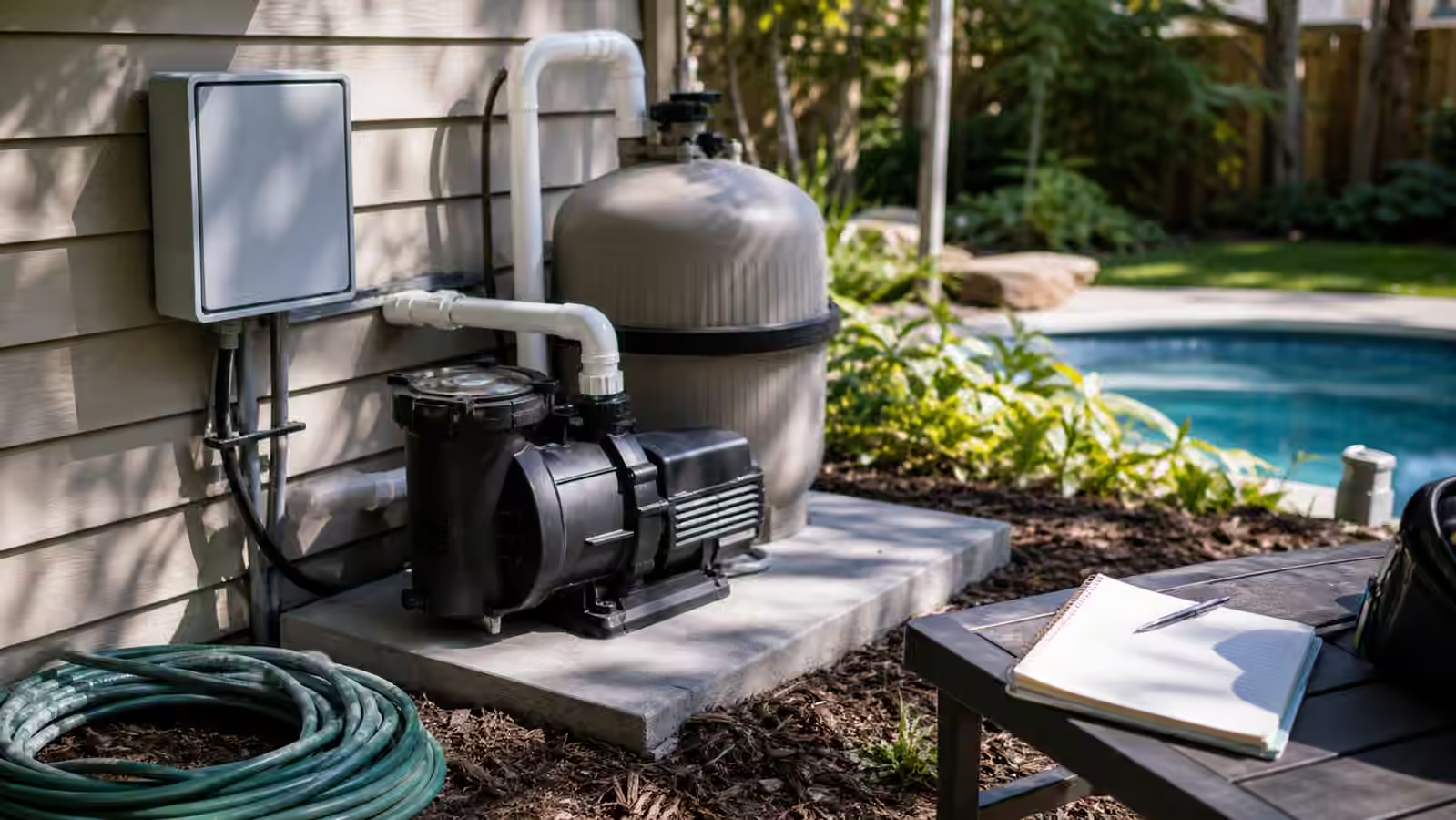
Start by mapping the equipment pad. Identify the pump, filter, heater if present, valves, timer or controller, cleaner booster pump if present, lights, spa controls, and any automation. Write down what runs daily, what runs seasonally, and what only runs during cleaning or heating. If labels are missing or confusing, do not guess at valves or electrical equipment. Pool systems can combine water, electricity, pressure, and heat in ways that deserve qualified service.
The load belongs on Whole-Home Energy Map because it can be large enough to affect solar sizing, bill baselines, and load shifting. A home with modest indoor use and a long-running pool pump may look mysterious until outdoor loads are included. Utility Bill Baselines for Home Energy Planning is useful because pool season often shows up as a pattern across months.
Do not rely only on memory. A timer may have been set for old equipment, a previous owner, a different season, or a water problem that no longer exists. A variable-speed pump may be capable of lower-speed circulation, but the schedule may still imitate a single-speed habit. A spa may have standby settings that quietly maintain heat or circulation. The equipment pad should have a current operating note, not folklore.
Speed changes the energy story
Pumps use energy to move water against resistance. In many pool systems, moving water more slowly for longer can use less energy than forcing high flow for a shorter period, though the right schedule depends on the pump, plumbing, filter, cleaner, heater, chlorination, and water needs. Variable-speed pumps exist because speed matters. A single-speed pump gives fewer options and can become an expensive background load if oversized or over-scheduled.
This is where professional setup can pay for itself. A good pool technician should be able to explain which functions require higher flow and which can run at lower speed. Heating, spa jets, suction cleaners, pressure cleaners, waterfalls, and some chlorination systems may have minimum flow needs. Basic filtration may not need the same speed. The goal is not to randomly turn things down. It is to match speed to the task.
Timers matter because a good speed setting run at the wrong hours can still be wasteful or noisy. Load Shifting at Home can help if the household has solar production, time-based rates, or neighborhood quiet hours to consider. Some homes may prefer pump operation during sunny hours to align with solar output. Others may need to avoid peak pricing or noise-sensitive times. Water care and local conditions come first, but timing is still part of the energy plan.
Filtration time is not a moral number
Many pool owners inherit a rule about how many hours the pump should run. The rule may be too broad, too old, or disconnected from the actual pool. Water volume, bather load, debris, shade, climate, filter condition, pump speed, plumbing, sanitizer system, and season all matter. A pool under heavy leaf drop or high use may need a different schedule from a covered pool in a quiet week.
The right habit is to change one thing at a time and watch water quality, pressure, skimmer behavior, and clarity. Shortening runtime without tracking the result is not planning. Running a pump all day because it feels safe is not planning either. If the water turns cloudy, pressure rises, or chemistry becomes hard to manage, the schedule may be too aggressive or another maintenance issue may be hiding.
Filter maintenance is part of energy use. A dirty filter can increase resistance and make the pump work harder or reduce flow. Backwashing, cartridge cleaning, pressure checks, and replacement intervals depend on the filter type and manufacturer guidance. Energy savings should not come from neglecting the filter. They come from making the system easier for the pump to move.
Heating and covers can dominate the story
A spa or heated pool adds another layer. Heating water can use far more energy than circulation alone, especially when heat is lost to air, wind, evaporation, and uncovered surfaces. A cover can be one of the most important energy tools for heated water because evaporation carries away a large amount of heat. The cover has to be practical enough that people actually use it.
Setpoint habits matter. A spa held hot around the clock for occasional use is a different load from one heated before planned use, though recovery time and equipment design decide what is practical. A pool heater used to extend the season may turn a shoulder-month comfort choice into a major fuel or electric load. The goal is not to shame the choice. It is to name it.
Outdoor loads also affect backup planning. Most homes will not put pool heating or normal pool circulation on critical backup power, but some equipment may need freeze protection, safety controls, or special handling in certain climates. That belongs with professional advice and Outage Priority List . A pool is usually not a critical load in the same way refrigeration, medical equipment, water pumping, or communication can be, but equipment protection may still matter.
Make the schedule visible
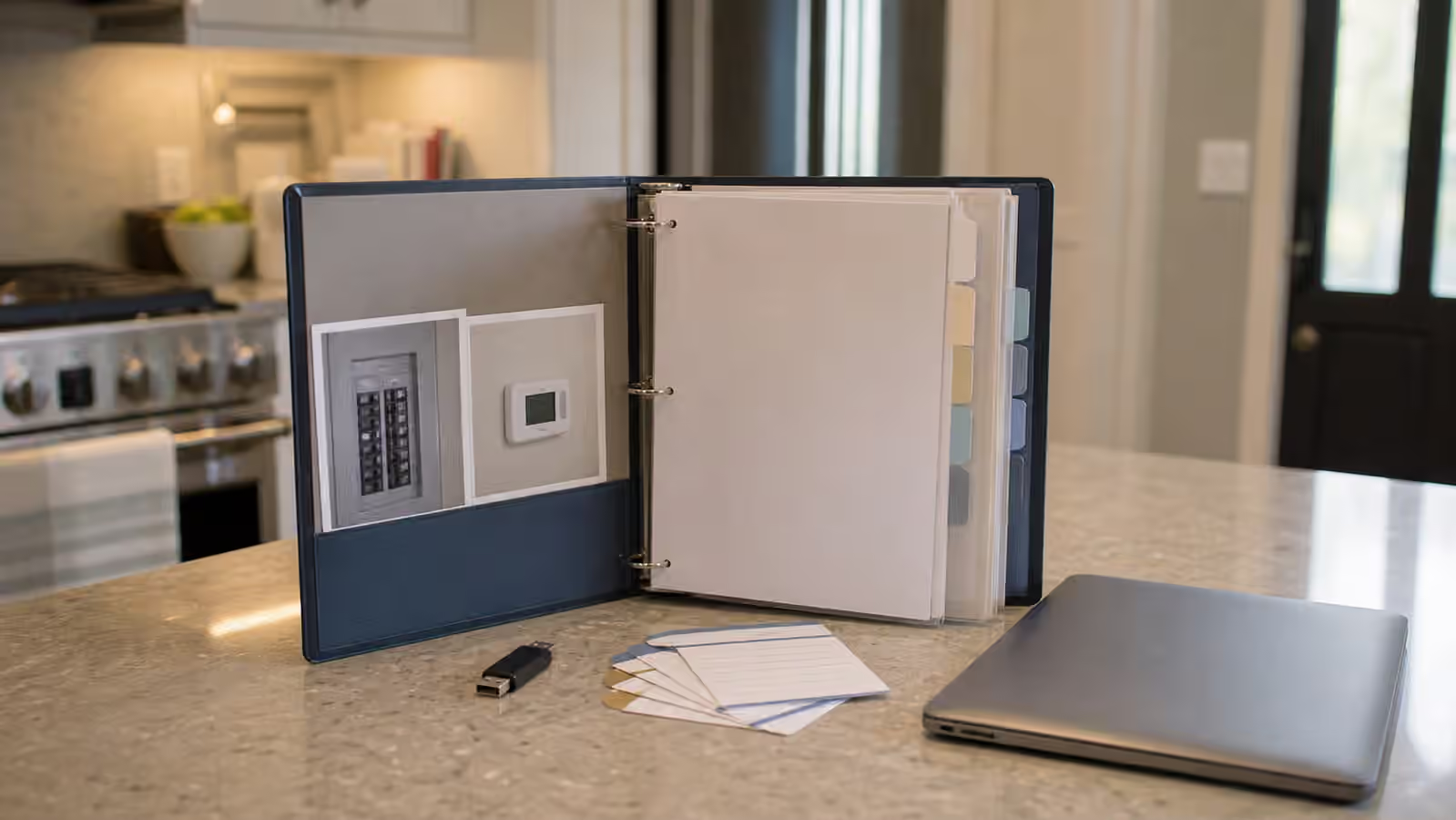
The best first improvement is a visible schedule note. Write down pump speeds, run times, heater settings, cover habits, cleaning cycles, and seasonal changes. Add the note near the controller or in the home energy folder. If someone changes the schedule for a party, storm cleanup, algae treatment, repair, or vacation, write that down too. Otherwise temporary changes become permanent.
Measurement can help. A dedicated pool circuit is not always easy to measure with a plug-in meter, but a whole-home monitor, utility interval data, or controller estimates may show patterns. Home Energy Monitoring Basics can help connect the outdoor hum to the bill. Even without detailed monitoring, the monthly baseline can reveal whether pool season is driving the increase.
Pool and spa energy work is practical maintenance. Keep water healthy, keep equipment safe, and stop treating long pump runtime as invisible. Once the schedule, speed, filter condition, cover use, and heating habits are written down, the pool becomes a known load instead of a vague summer expense.