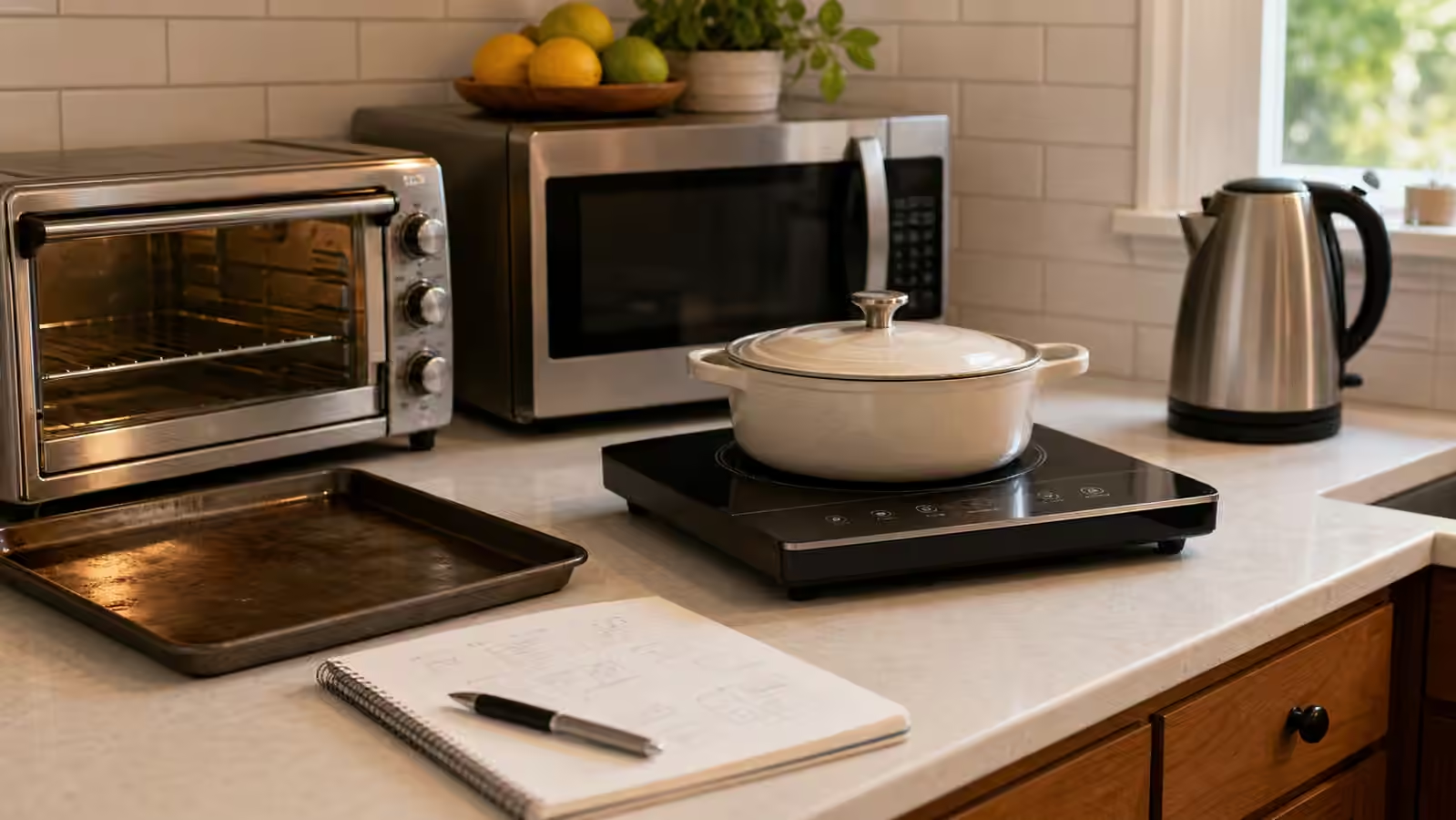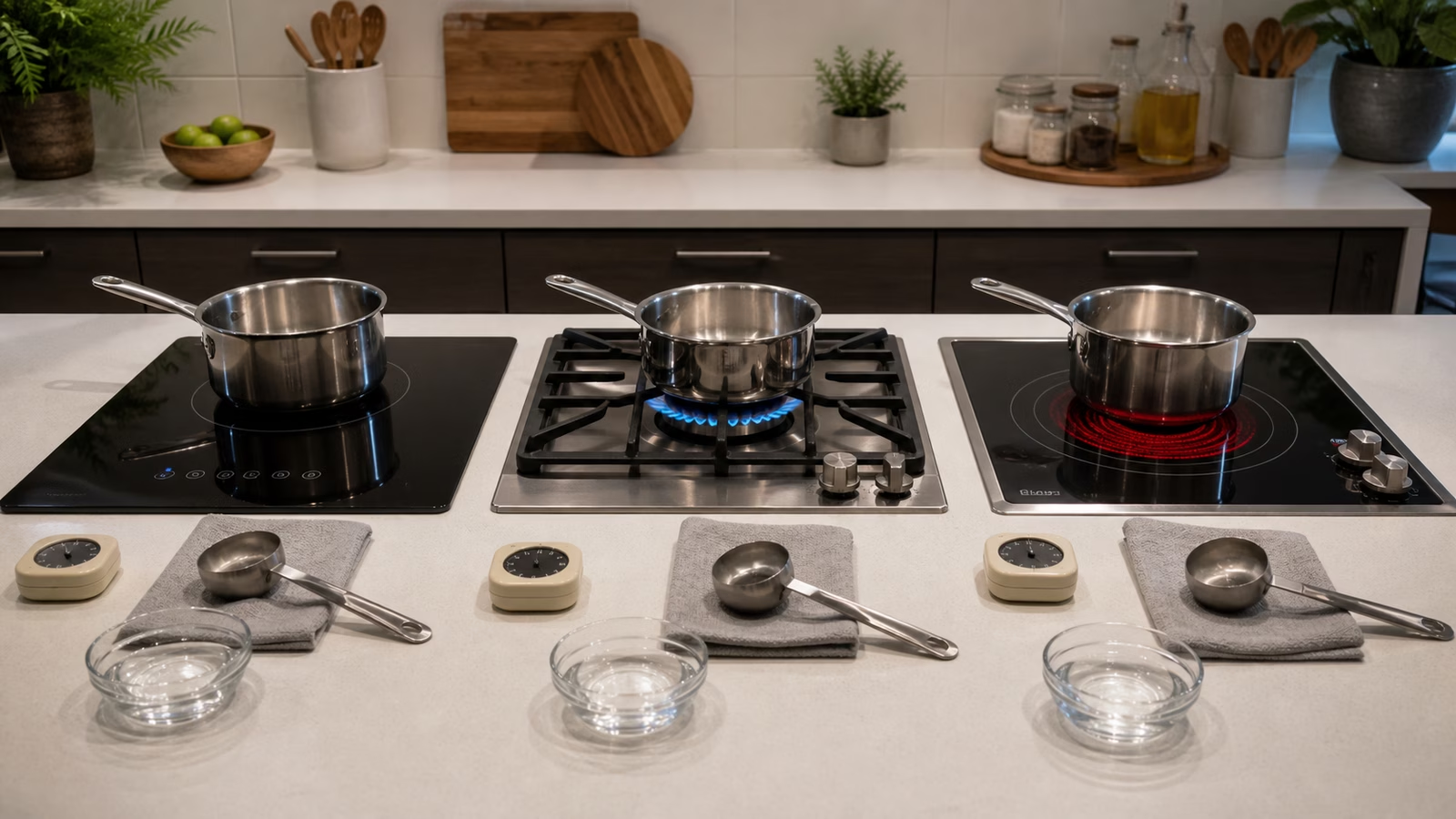
Cooktop debates get emotional quickly because stoves become part of family muscle memory. People know the sound of a gas flame catching, the glow of an electric coil, or the quick snap of an induction pan coming up to heat. The practical question is calmer: which cooking system fits your kitchen, cookware, ventilation, electrical capacity, and habits?
Gas is familiar because the flame is visible and immediate. It works with almost any cookware and makes heat feel tangible. It also brings combustion into the kitchen, which means ventilation matters for more than odors and grease. Traditional electric is familiar in a different way. It asks for patience, holds heat after the setting changes, and can be perfectly serviceable when the household understands its rhythm. Induction is the newcomer for many kitchens: fast, clean, and responsive when the cookware is compatible and the controls feel right.
The Feel Of Control
Induction’s strongest everyday argument is response. The pan heats quickly and backs down quickly because the cookware is being heated directly. Boiling water, reheating rice, cooking eggs, searing in a compatible skillet, and cleaning after a messy dinner can all feel easier. Good induction controls can simmer well, but not every unit feels the same. Some people dislike touch controls, especially with wet hands or crowded counters. Some units make fan or coil noise. Some cooks need a week or two to relearn settings because “medium” is not the same across technologies.
Gas has a different pleasure: visible adjustment. You can see the flame shrink and grow. That feedback is useful, and many cooks are attached to it. The tradeoff is that the flame heats the room and the air, not only the pan. The grates and burners need cleaning, and the kitchen needs serious ventilation because cooking particles and combustion byproducts both matter.
Traditional electric sits between these stories. Smooth-top electric can be easier to wipe than gas, but the glass surface stays hot and heat response is slower than induction. Coil electric is durable and inexpensive in many settings, but it is not usually chosen for finesse.
The Hidden Constraints
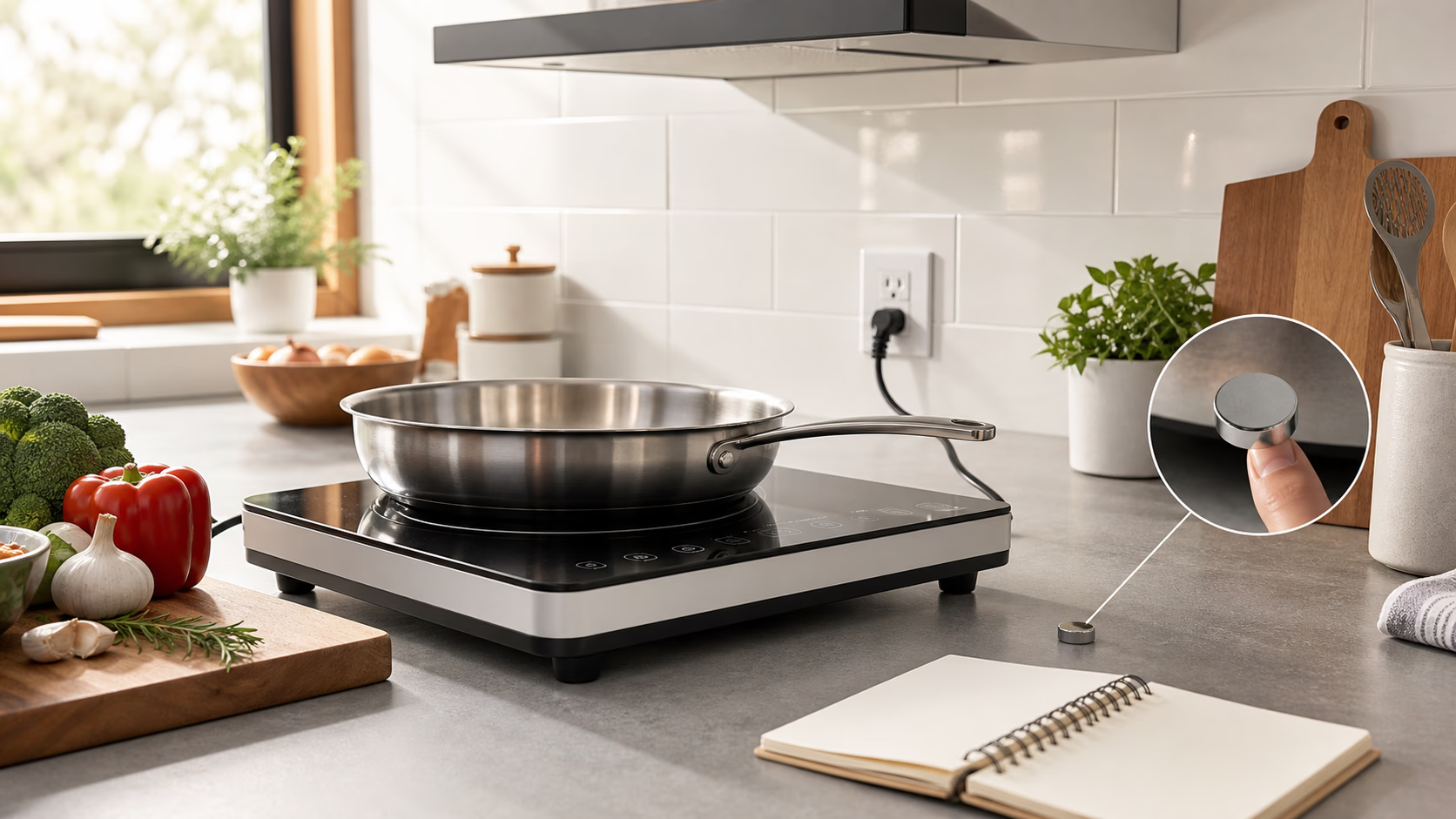
Induction’s first hidden constraint is cookware. A magnet should stick firmly to the bottom of the pan. Flat bottoms matter. If your favorite pans fail the test, the switch may also be a cookware project. A induction-compatible cookware set can help, but buying a giant set before you know what you use is rarely necessary.
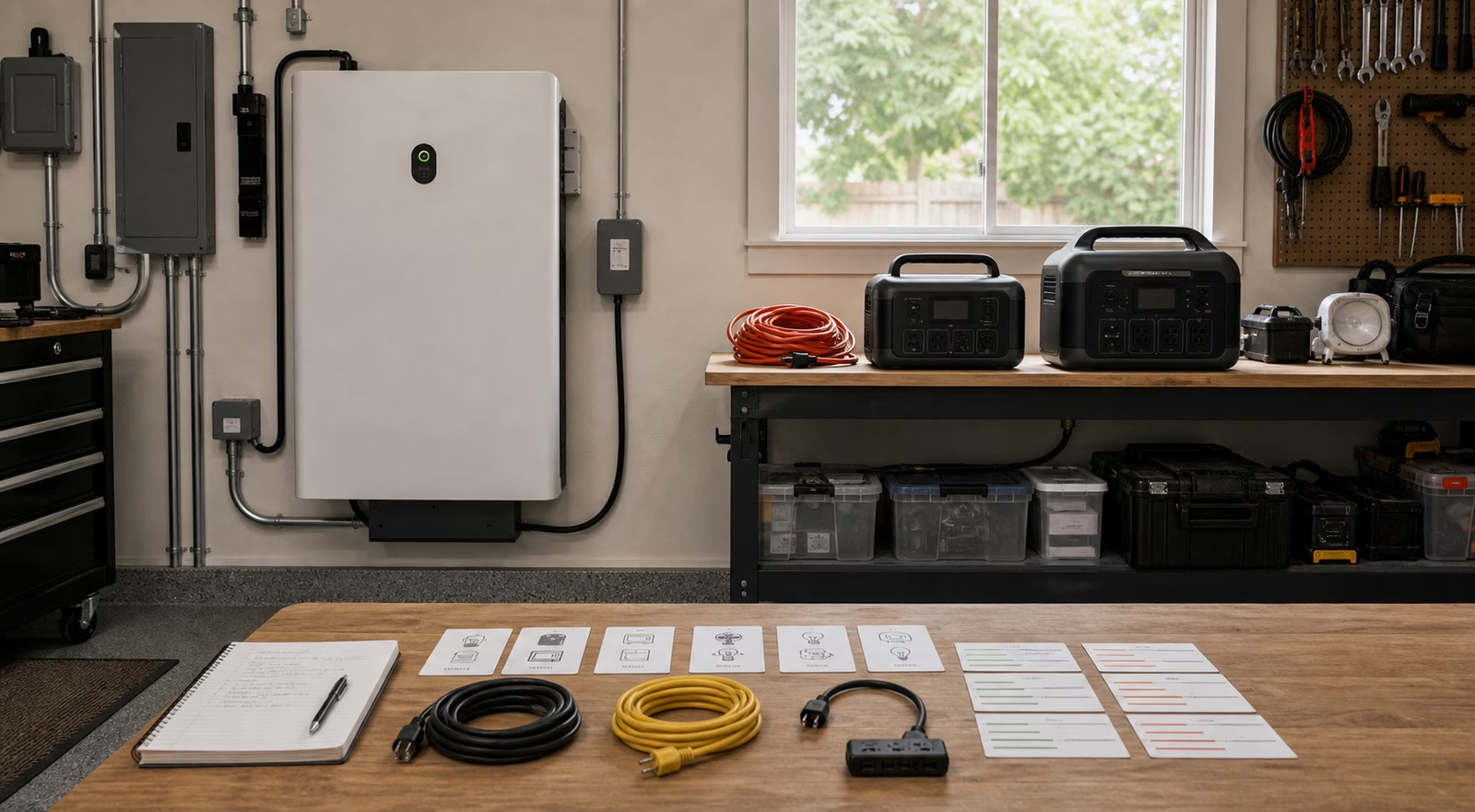
The second hidden constraint is power. A portable portable induction cooktop is a low-risk test. A full range or drop-in cooktop may require circuit checks, panel capacity review, countertop fit, ventilation planning, and installation work. Gas has its own infrastructure questions: gas line condition, venting, combustion safety, and whether the home is moving away from fuel-burning appliances over time.
Choose The Kitchen You Will Actually Use
Choose induction if you want responsive electric cooking, easier cleanup, compatible cookware, and a kitchen that can handle the electrical side. Keep gas or traditional electric if the budget, cookware, panel capacity, ventilation, or cooking preferences make the switch premature. There is no virtue in forcing the upgrade before the kitchen is ready.
For cooking ideas that fit a simple electric kitchen, see Boy Kibble Quickstart . For the wiring side of the decision, read Induction Electrical Capacity .
Apply this guide as a decision record
Use Induction vs Gas and Electric: Choosing a Cooktop by Workflow, Safety, and Power to turn a vague household question into a checkable one. Its scope is specific: A practical comparison of induction, gas, and traditional electric cooking by control, cookware, ventilation, cleaning, and electrical needs. Before changing the setup, write down the condition you are trying to change, the constraint that matters most, and the evidence you still lack.
For a first pass through induction vs gas electric, compare the current state with a relevant baseline and record one observation, measurement, or conversation. Make the smallest reversible change available. Keep the manual, model number, room condition, schedule, or maintenance note beside the decision so a future check does not depend on memory. Keep induction, gas stove, electric range in view as separate signals instead of treating them as one verdict.
A useful follow-up asks whether Induction vs Gas and Electric: Choosing a Cooktop by Workflow, Safety, and Power improved the named problem without creating a new one. Check the tradeoff that fits this subject — heat, noise, comfort, water, power, wear, effort, or cost — and describe the result in plain language. If a boundary is safety-critical, stop at the guide’s limit and bring the details to a qualified local professional.
The conclusion for induction vs gas electric should stay narrow. Record what was observed, which condition made the result possible, what maintenance keeps it dependable, and what would make you revisit the choice. That turns a guidebook into a decision record you can use again rather than a promise to remember.