Induction cooking can be a tiny experiment or a real electrical project. That difference matters. A portable induction burner can sit on the counter, plug into an ordinary outlet, and teach you the feel of magnetic cooking in one evening. A full induction range or drop-in cooktop may involve a dedicated circuit, panel capacity, appliance fit, ventilation, delivery clearance, countertop work, and a qualified installer.
The mistake is treating every induction decision as if it were the portable burner. The technology feels clean and modern, so the installation can sound simpler than it is. The cooking surface may be sleek, but the electrical question behind it is still plain: does this appliance match the circuit and capacity the home can safely provide?

Start With The Actual Appliance
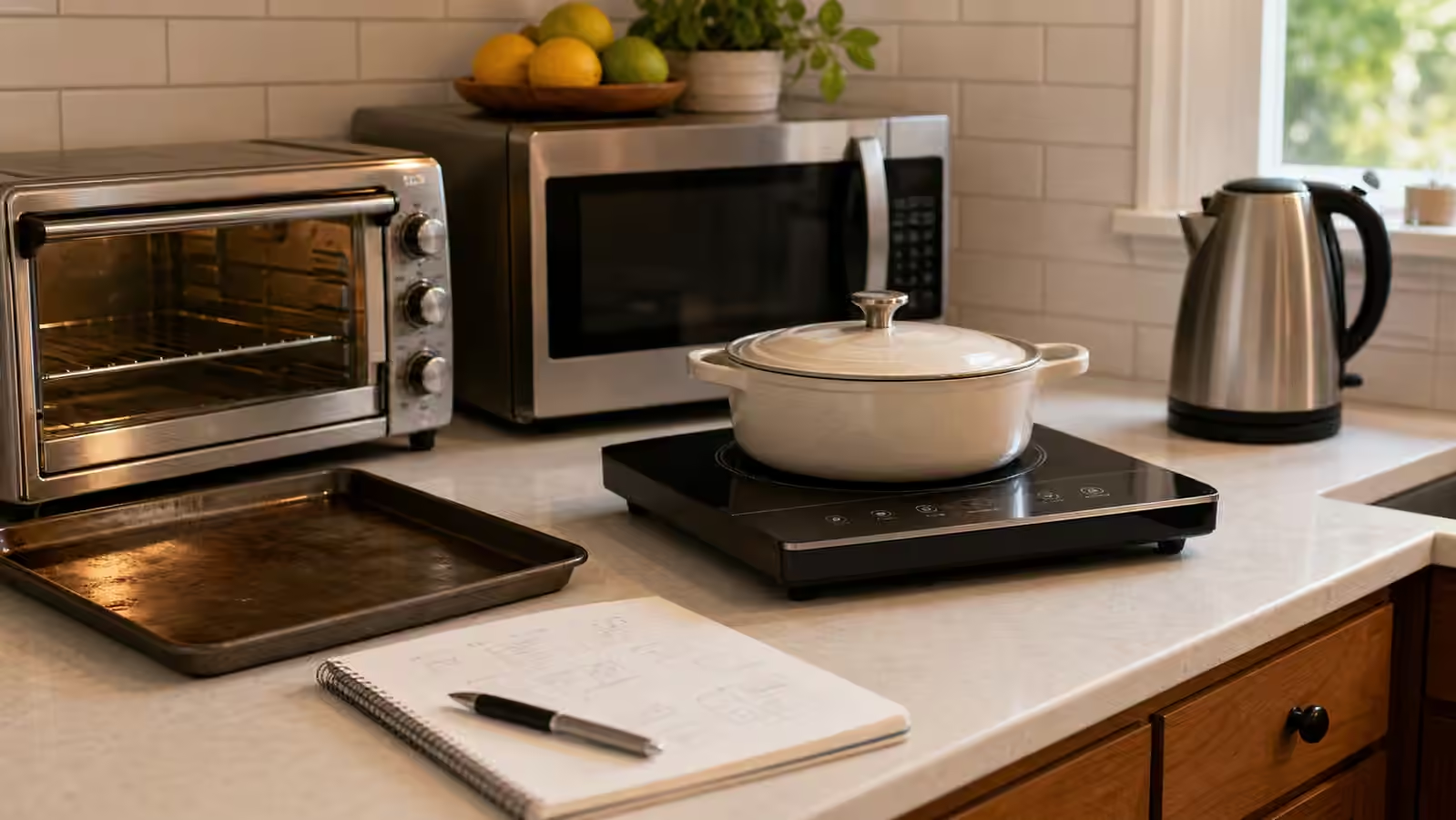
Portable burners are the easy test path. They let you learn whether you like the speed, control, noise, pan compatibility, and counter workflow before you commit to a kitchen change. A portable induction cooktop is also useful for renters, temporary setups, and households that want one fast burner without replacing the range.
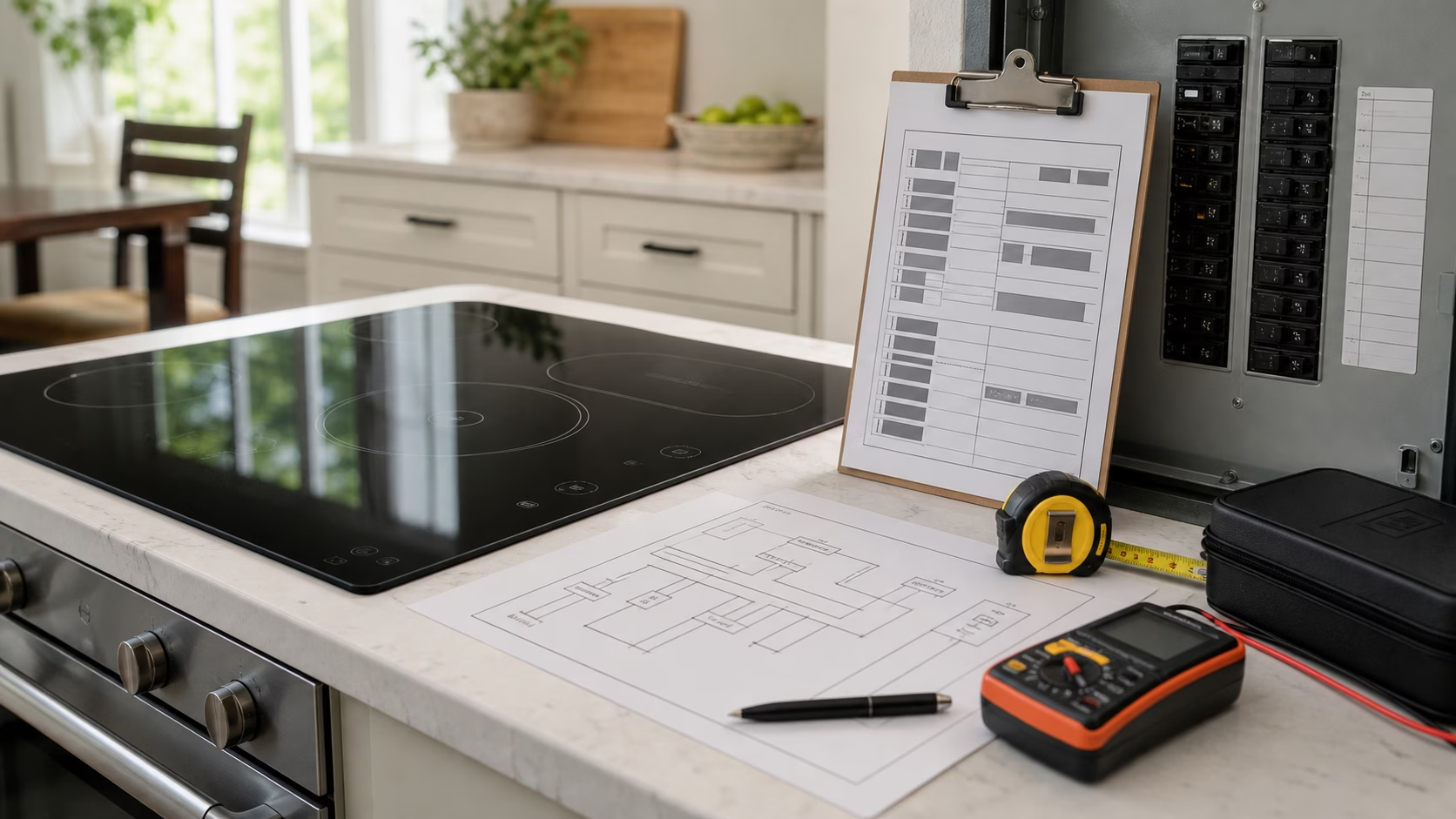
Built-in cooktops and full ranges are different. Do not assume the existing range circuit fits the new appliance. Check the product requirements, the circuit rating, the wiring, the outlet or hardwire requirements, and the installation instructions. If the appliance needs a different circuit or the panel capacity is unclear, have the home reviewed before ordering. Delivery day is the wrong time to discover the kitchen is not ready.
Panel Capacity Is A Whole-Home Question
Induction often arrives as part of a larger electrification story. The same household may be considering a heat pump, EV charger, heat pump water heater, electric dryer, solar, or a battery. Each upgrade may make sense on its own. Together, they change the load picture. That does not mean the plan is impossible; it means the plan needs sequencing, load calculation, and sometimes load management.
If several upgrades are coming, build the Whole-Home Energy Map first. The map helps you see whether the kitchen upgrade is isolated or part of a broader panel strategy.
Cooking Still Needs Air
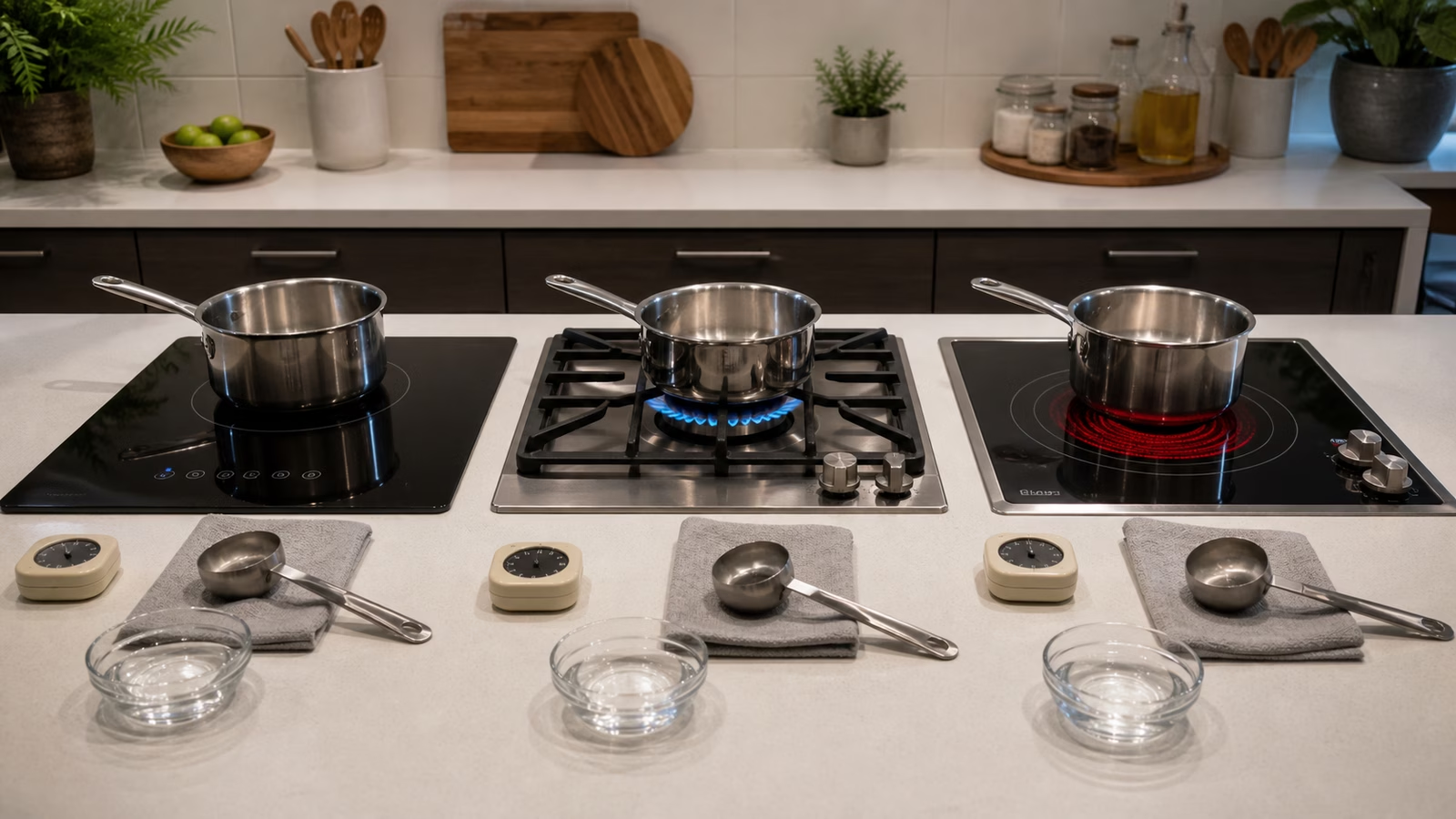
Induction removes combustion at the burner, which is a meaningful change from gas. It does not remove cooking byproducts. Searing, frying, boiling, and baking still create moisture, particles, grease, and odors. Ventilation still matters. In some kitchens, the best induction upgrade is paired with a quieter, better-used hood or a workflow that actually captures what cooking releases.
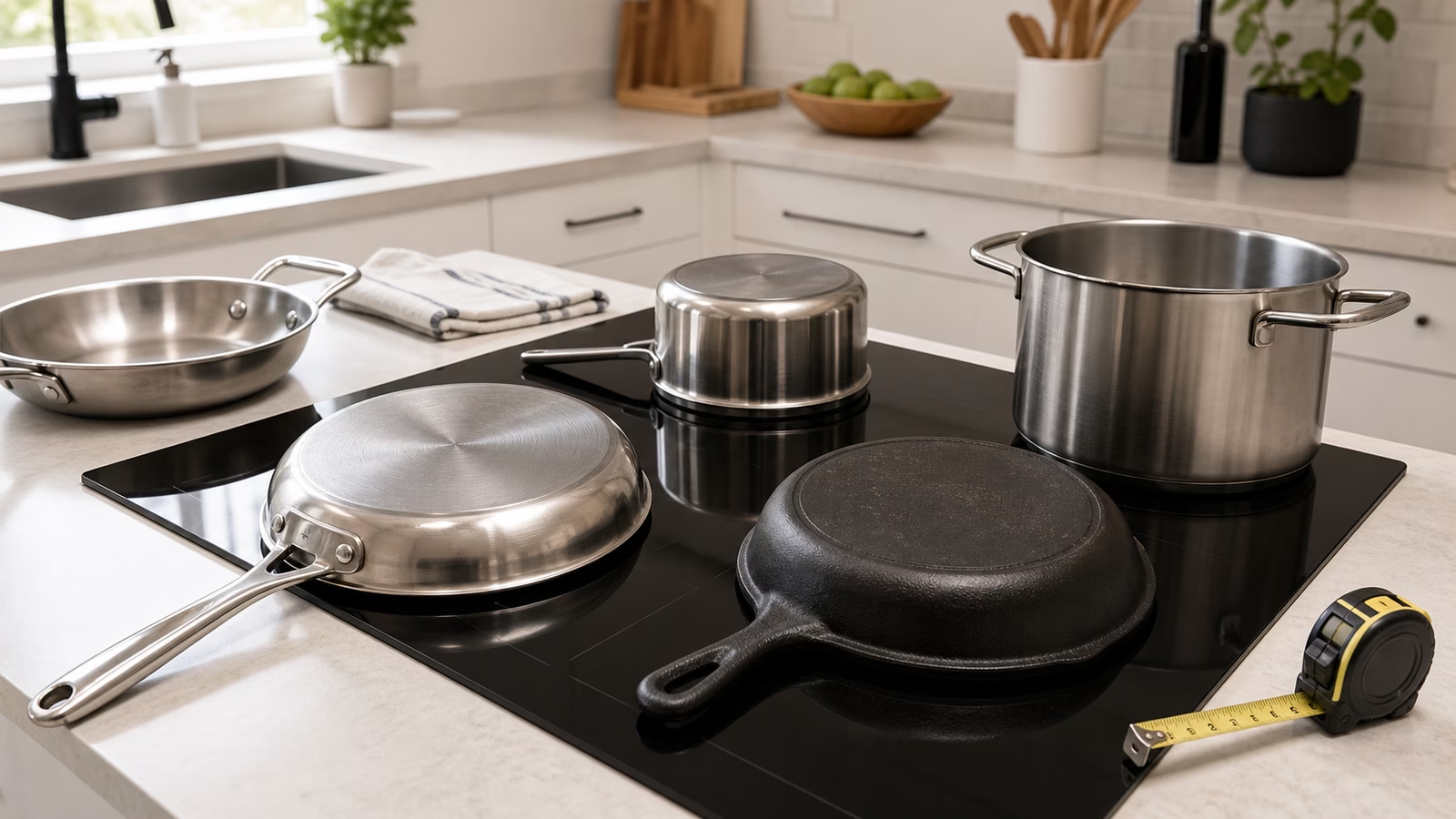
Cookware is the other practical bridge. A cookware magnet tester or ordinary magnet can show whether pans are likely compatible. If most of your favorite cookware fails the magnet test, budget for at least one good induction-compatible skillet before judging the cooking experience.
Know When To Pause
Pause before ordering if panel capacity is unknown, the existing circuit rating is unclear, the appliance requires different wiring, cookware is mostly incompatible, countertop or cabinet work is needed, ventilation is weak, or the delivery path is tight. None of these are reasons to abandon induction. They are reasons to make the project honest before the box arrives.
For small kitchens, Tiny Home Kitchen Design is useful because it treats prep space, storage, appliance fit, and ventilation as one workflow.
Apply this guide as a decision record
Use Induction Electrical Capacity: What to Check Before the Kitchen Upgrade to turn a vague household question into a checkable one. Its scope is specific: How to think about induction range and cooktop electrical needs, circuits, cookware, ventilation, and panel planning. Before changing the setup, write down the condition you are trying to change, the constraint that matters most, and the evidence you still lack.
For a first pass through induction electrical capacity, compare the current state with a relevant baseline and record one observation, measurement, or conversation. Make the smallest reversible change available. Keep the manual, model number, room condition, schedule, or maintenance note beside the decision so a future check does not depend on memory. Keep induction, electrical capacity, kitchen in view as separate signals instead of treating them as one verdict.
A useful follow-up asks whether Induction Electrical Capacity: What to Check Before the Kitchen Upgrade improved the named problem without creating a new one. Check the tradeoff that fits this subject — heat, noise, comfort, water, power, wear, effort, or cost — and describe the result in plain language. If a boundary is safety-critical, stop at the guide’s limit and bring the details to a qualified local professional.
The conclusion for induction electrical capacity should stay narrow. Record what was observed, which condition made the result possible, what maintenance keeps it dependable, and what would make you revisit the choice. That turns a guidebook into a decision record you can use again rather than a promise to remember.