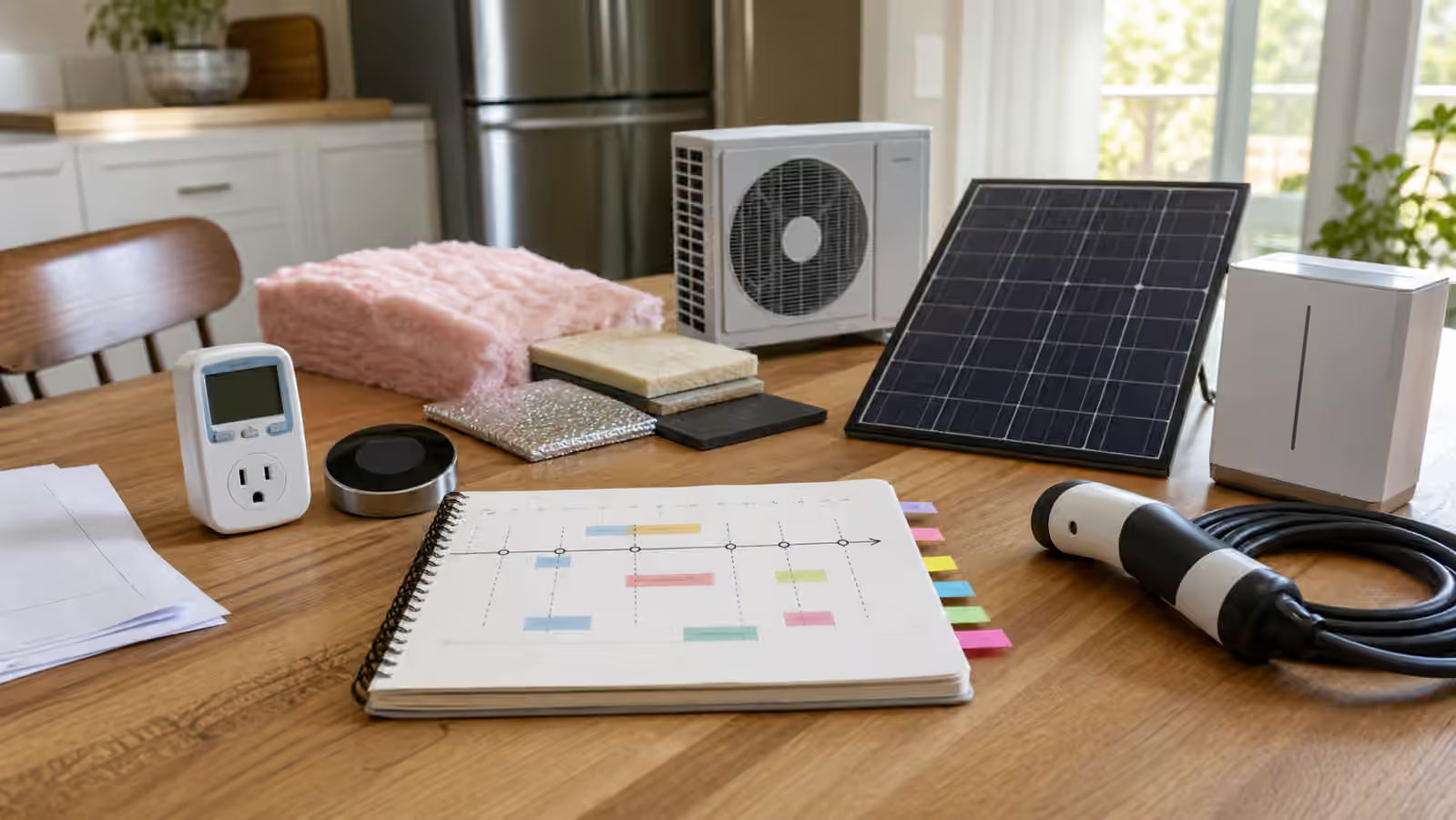
A good home energy plan is often less about choosing the perfect device and more about choosing the right order. The same homeowner might want lower bills, better comfort, a heat pump, an EV charger, solar, a battery, and outage backup. Each of those projects can make sense on its own. The trouble starts when they arrive in a random sequence and the house has to absorb the consequences. For background, see DOE — Energy Saver (2022): assessing home energy use .
Sequencing is the quiet work that keeps upgrades from fighting each other. Weatherization can reduce the size of a heating system. A panel review can change the way an EV charger is installed. A utility bill baseline can keep a solar proposal from being built around a guess. A critical-loads plan can make a battery smaller and more useful. The order does not have to be perfect, but it should be intentional enough that one project leaves better information for the next.
Start with the house you already have
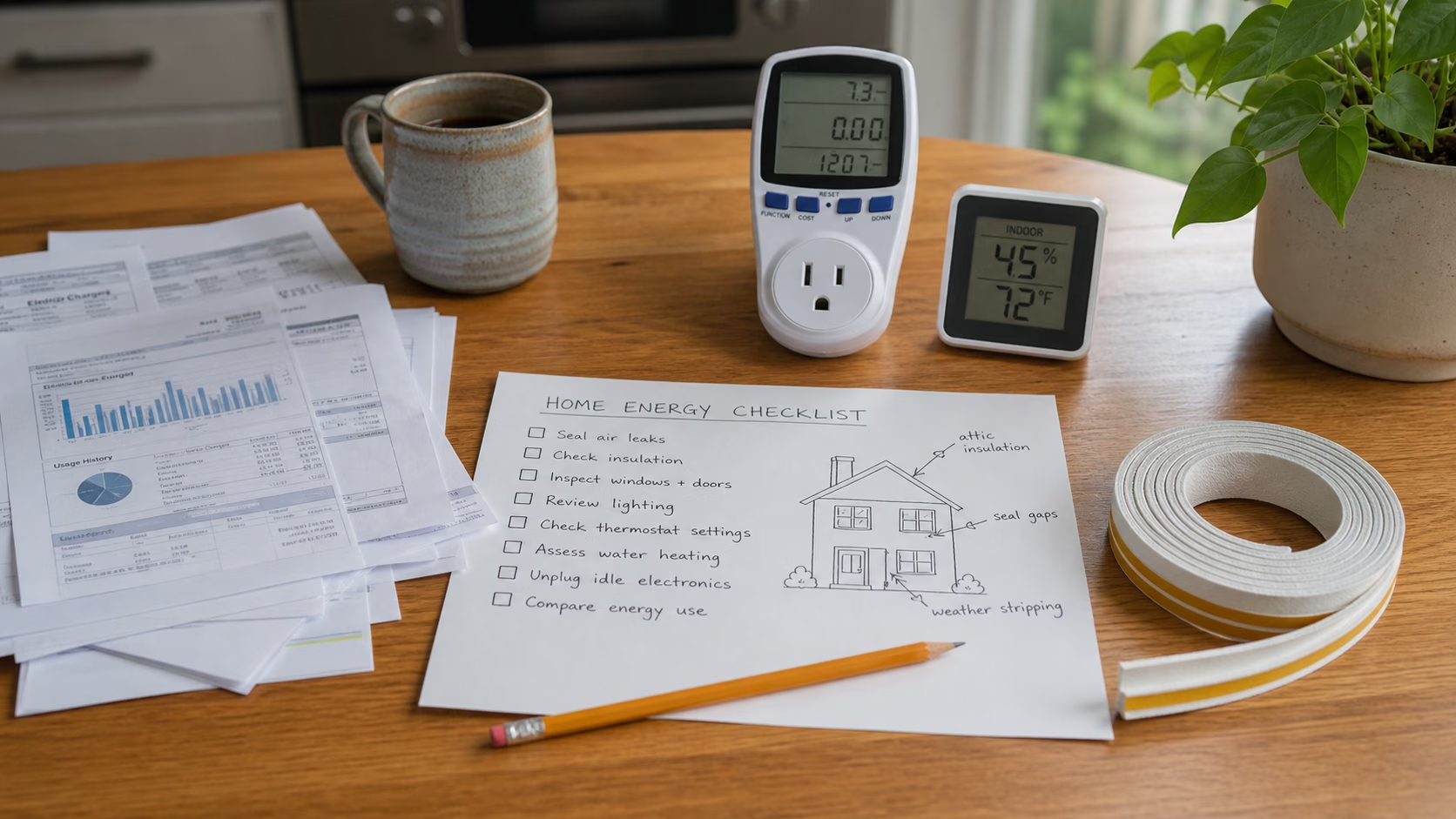
Before the first contractor appointment, the home needs a plain baseline. Utility Bill Baselines for Home Energy Planning shows the seasonal shape of electric and fuel use, while Watts, kWh, and Loads turns individual devices into planning language. This is not paperwork for its own sake. It is how a project avoids chasing a story that is not true.
A home with a high summer electric peak has a different order than a home with high winter heating fuel. A house with a large always-on electric baseline may need Standby Loads and Home Office Energy before it needs a larger battery. A house with a damp basement may need moisture and drainage attention before adding equipment that will live near that space. The baseline does not choose the upgrade. It tells you which assumptions deserve evidence.
This early phase should also include a simple Whole-Home Energy Map . Put major loads, fuels, rooms, equipment locations, and outage priorities on one page. The map will be imperfect, but it turns a stack of product categories into a house. That matters because contractors, electricians, HVAC designers, and solar installers often see only their slice of the project. The homeowner is the person who has to keep the slices connected.
Reduce the load before sizing the replacement
Weatherization belongs early because it changes the size of the problem. Air Sealing and Insulation Priorities and Attic and Crawlspace Energy Priorities are not glamorous compared with solar panels or a new heat pump, but they can reduce drafts, stabilize rooms, and make equipment work less hard. A better envelope can support a smaller heating and cooling system, gentler thermostat settings, and longer backup runtime.
The order is not always simple. A failing furnace may need urgent replacement before a full weatherization project can be finished. A roof that will soon be replaced may delay solar. A panel with obvious problems may need attention before electrification moves forward. Sequencing is not a rigid doctrine. It is a way of asking what information should be gathered before a decision becomes expensive to undo.
Ventilation should be kept close to air sealing in the sequence. Ventilation Planning After Air Sealing explains why tightening a home changes moisture, exhaust, fresh air, and combustion-safety questions. If weatherization is treated as only caulk and insulation, the project may miss the air story that follows.
Bring the panel into the conversation early
Many electrification projects meet at the electrical panel. EV charging, heat pumps, induction cooking, heat pump water heating, solar, batteries, and workshop loads may all be reasonable, but they still need circuits, capacity, routing, protection, permits, and professional design. Electrical Panel Planning Before Home Electrification should therefore happen before a shopping decision locks in amperage, location, or installation assumptions.
An early panel review can change the entire project sequence. A homeowner may learn that a managed EV charger is more practical than a service upgrade right now. A future heat pump water heater might be easier to wire if a subpanel is placed during another project. A solar battery may need a different backed-up-load strategy than the homeowner imagined. None of those answers should be discovered after equipment has been delivered.
The panel conversation should include future projects, not only the one being quoted. If an electrician is visiting for an EV charger and the household expects a heat pump later, say so. If an induction range is likely within a year, say so. If outage backup matters, say so. The cheapest time to leave a clean path for the next project is often during the current one.
Decide what backup is supposed to protect
Backup power should not be the last-minute add-on to a solar or battery purchase. It needs its own purpose. Outage Priority List and Backup Power Sizing ask which loads matter during an outage and how long they need to run. That answer may lead to a portable power station, a generator with safe transfer equipment, a home battery, a critical-loads panel, or a simpler non-electric plan for food, water, and communications.
The sequencing issue is that backup decisions affect wiring, storage, and controls. If a battery will back up only selected circuits, those circuits need to be chosen. If a generator is part of the plan, Generator Transfer Switch and Interlock Planning belongs before anyone treats a cord as a household solution. If a sump pump or well pump is essential, Sump Pump and Well Pump Backup Planning may outrank more visible comfort loads.
Backup planning also keeps solar expectations honest. Rooftop panels alone do not necessarily power a home during an outage. A battery alone may not run large loads for long. A small portable system may be excellent for phones, network gear, lights, and a refrigerator, but weak for heating, cooling, and pumps. The sequence should expose those limits before the homeowner pays for the wrong promise.
Let one project leave clues for the next
The best home energy sequence creates evidence as it goes. A utility baseline shows what changed after weatherization. A plug-in meter reveals whether a freezer deserves backup power. A panel review explains which loads can be added easily and which ones need management. A heat pump installation shows whether room comfort improved or whether ductwork, controls, or envelope work still need attention.
This evidence should be written down. Model numbers, photos, settings, contractor notes, permits, utility letters, and service records all make later projects less mysterious. When the next installer arrives, the house already has a memory. That memory can prevent duplicate work, repeated measurements, and vague claims.
Sequencing is successful when each step makes the next decision calmer. The home does not need every upgrade at once. It needs an order that respects the building, the electrical system, the people living there, and the budget. Start with the house, reduce the avoidable load, make the panel visible, define backup honestly, and let the evidence accumulate. The result is not a perfect master plan. It is a home energy path that can survive real life.