Home energy work leaves behind more than equipment. It leaves settings, model numbers, photos, permits, utility approvals, service notes, warranties, manuals, filter sizes, breaker labels, control modes, and small decisions that explain why the system works the way it does. If those records disappear, the next project starts with guessing. If they are kept in a usable form, the house becomes easier to maintain and safer to improve. For background, see DOE — Energy Saver (2022): assessing home energy use .
A documentation handoff sounds formal, but it can be simple. It is the folder, binder, or shared drive that lets a homeowner, tenant, family member, contractor, or future buyer understand the energy systems without opening every panel, calling every installer, or repeating every measurement. The goal is not museum-quality recordkeeping. The goal is a house memory that survives busy weeks and service calls.
Record the system as it actually exists
The first layer is identification. Write down model numbers, serial numbers where appropriate, installation dates, installer contact information, warranty details, filter sizes, battery model names, inverter details, charger settings, thermostat model, water heater size, and equipment locations. Photographs can be more useful than long descriptions, especially for labels that are hard to reach later.
Appliance Nameplates and Energy Labels explains why labels are planning clues. Documentation turns those clues into a durable record. A heat pump label photographed during installation may help a service technician years later. A photo of a battery gateway, disconnect, or EV charger setting may explain a control issue. A filter size written down in the maintenance folder prevents the repeated mistake of buying the wrong one.
The record should describe the house, not an idealized version of it. If a circuit label is vague, note that. If a room has a known airflow issue, note it. If a heat pump water heater is louder during certain hours, note where it is located and how it is scheduled. Future decisions are better when they inherit the real context.
Keep settings with explanations
Settings are easy to change and hard to remember. Thermostat schedules, heat pump lockouts, auxiliary heat behavior, solar battery reserve, inverter modes, EV charging limits, water heater schedules, smart plug timers, and generator maintenance routines can all affect comfort, bills, and resilience. A screenshot or photo is useful, but an explanation is better.
Solar Battery Control Modes is a good example. A battery may be set for backup reserve, self-consumption, time-based control, or another mode depending on the system. If nobody records why the reserve is set where it is, a later change may damage the outage plan. Load Shifting at Home has the same issue. A schedule that was designed around EV charging, water heating, and solar production can look arbitrary to someone who was not present.
The explanation can be short. It might say that the EV charger is limited because the panel has other large loads. It might say the thermostat avoids deep winter setbacks because backup heat can run during recovery. It might say the battery reserve is higher during storm season. These notes let someone adjust the system without erasing the reasoning.
Tie service records to maintenance habits
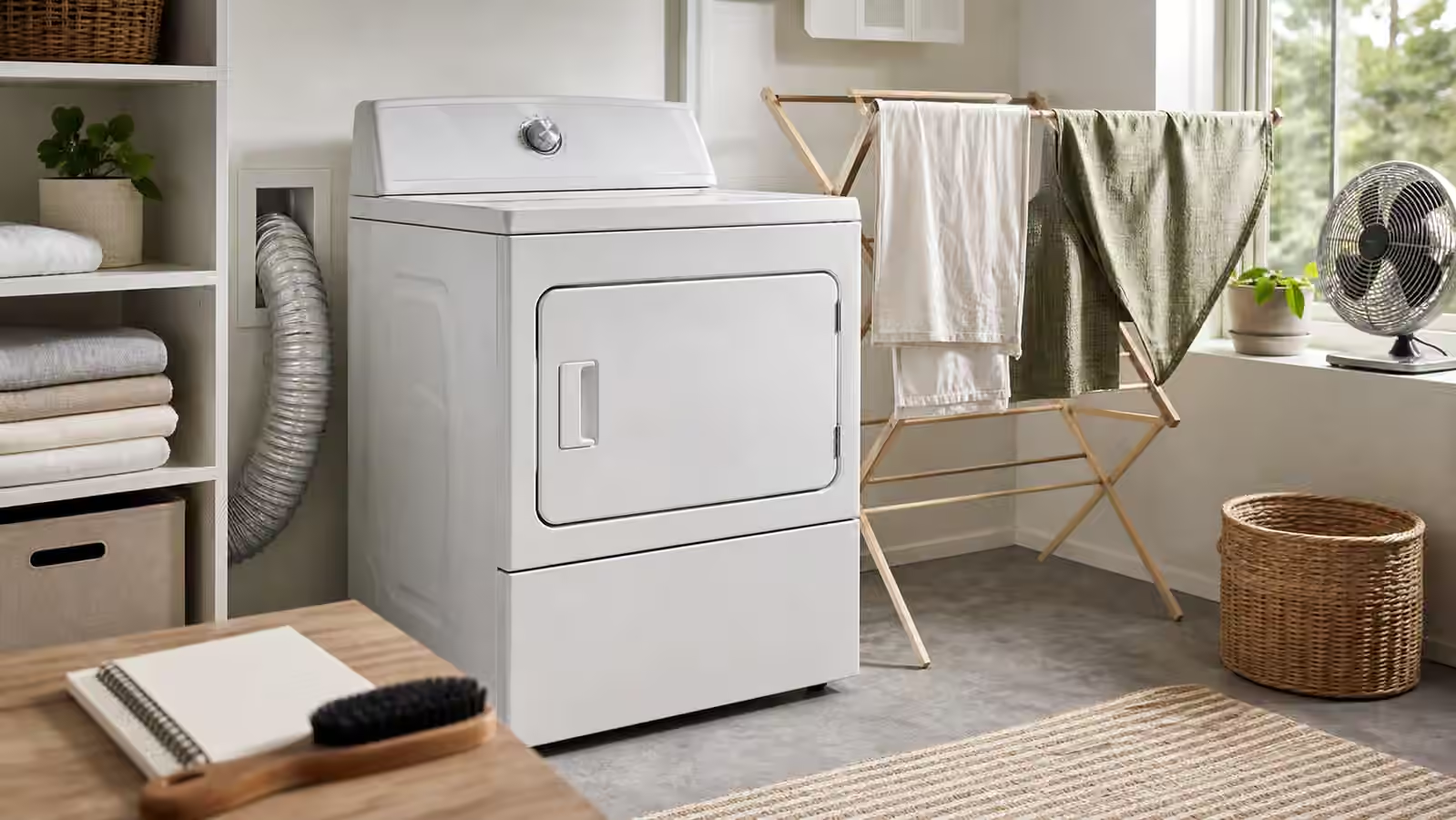
Maintenance is where documentation pays for itself. Seasonal Home Energy Maintenance Calendar gives the rhythm, but the handoff gives the house-specific details. Which filters fit the heat pump? When were they last changed? Who cleaned the outdoor unit? When was the generator test run? What did the solar installer say about monitoring alerts? When was the dryer vent cleaned? Which dehumidifier setting worked best last summer?
Records do not have to be complicated. A dated note after service is enough if it says what was done, what was observed, and what should be watched. The next person can then tell whether a noise is new, whether a battery capacity concern has appeared before, or whether a water heater setting was changed for a reason.
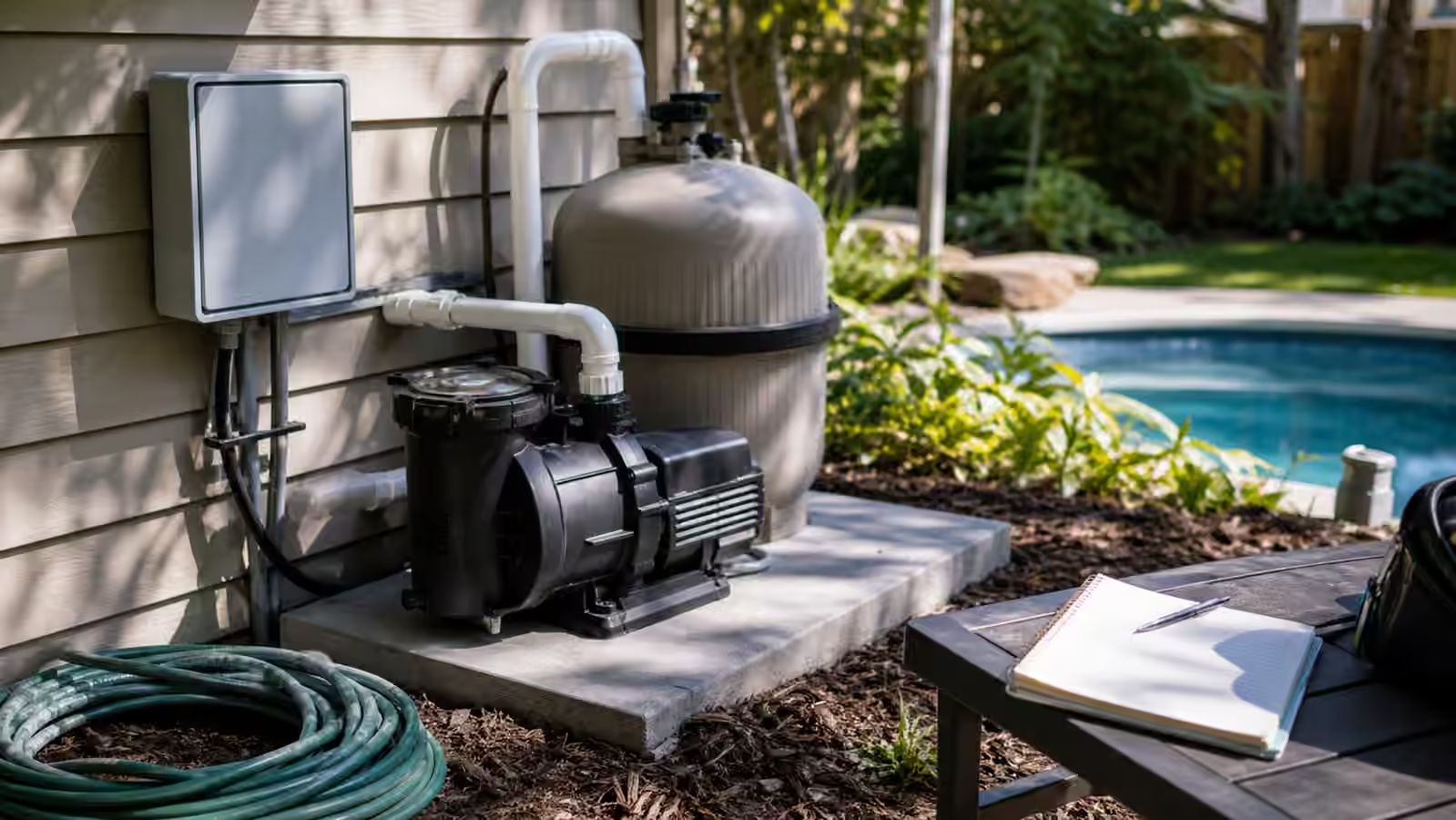
This is especially useful for equipment that is quiet until it is not. Batteries, inverters, pumps, ventilation equipment, and heat pumps may run for long periods without attention. When they need service, the history becomes valuable. A blank history forces a technician to reconstruct the past from clues.
Preserve permits, approvals, and utility correspondence
Solar, batteries, EV chargers, generators, service upgrades, transfer equipment, and some HVAC or water-heater projects may involve permits, inspections, interconnection approvals, utility program documents, or installer commissioning notes. Those papers can matter long after the project is finished. They may explain what equipment is allowed to operate, how it is connected, and what changes require another review.
Solar Electrical Safety and Generator Transfer Switch and Interlock Planning both depend on clear boundaries. A future homeowner or electrician should not have to guess whether a generator inlet is part of an approved transfer system or whether a solar system can operate during an outage. Documentation keeps safety information attached to the hardware.
Keep the final approved versions, not only sales proposals. Proposals can change. The installed system is what matters. If drawings or one-line diagrams are provided, keep them. If the utility sends an approval letter, keep it. If an inspection sticker is present, photograph it. These records are not decorative. They are part of the system.
Make outage instructions plain
Outages are the worst time to interpret a technical manual. A home with a generator, portable power station, home battery, critical-loads panel, sump pump backup, or communications plan needs simple instructions written while the lights are on. Outage Priority List names what matters. The handoff explains how this particular house responds.
The instructions should say what is backed up, what is not, what should be turned off, how to check battery reserve, where chargers and cables live, how communications are powered, where flashlights are stored, and who to call for equipment problems. For generator systems, the instructions should stay within the installed transfer equipment and manufacturer guidance. They should not invite improvisation. For portable batteries, the notes should include realistic loads and recharge expectations from Battery Runtime Calculator .
Plain instructions also help people who did not design the system. A family member, house sitter, tenant, or future owner may need to know what the system can safely do. Good documentation reduces stress because it does not require everyone to remember a verbal explanation from months ago.
Choose a format that will actually be maintained
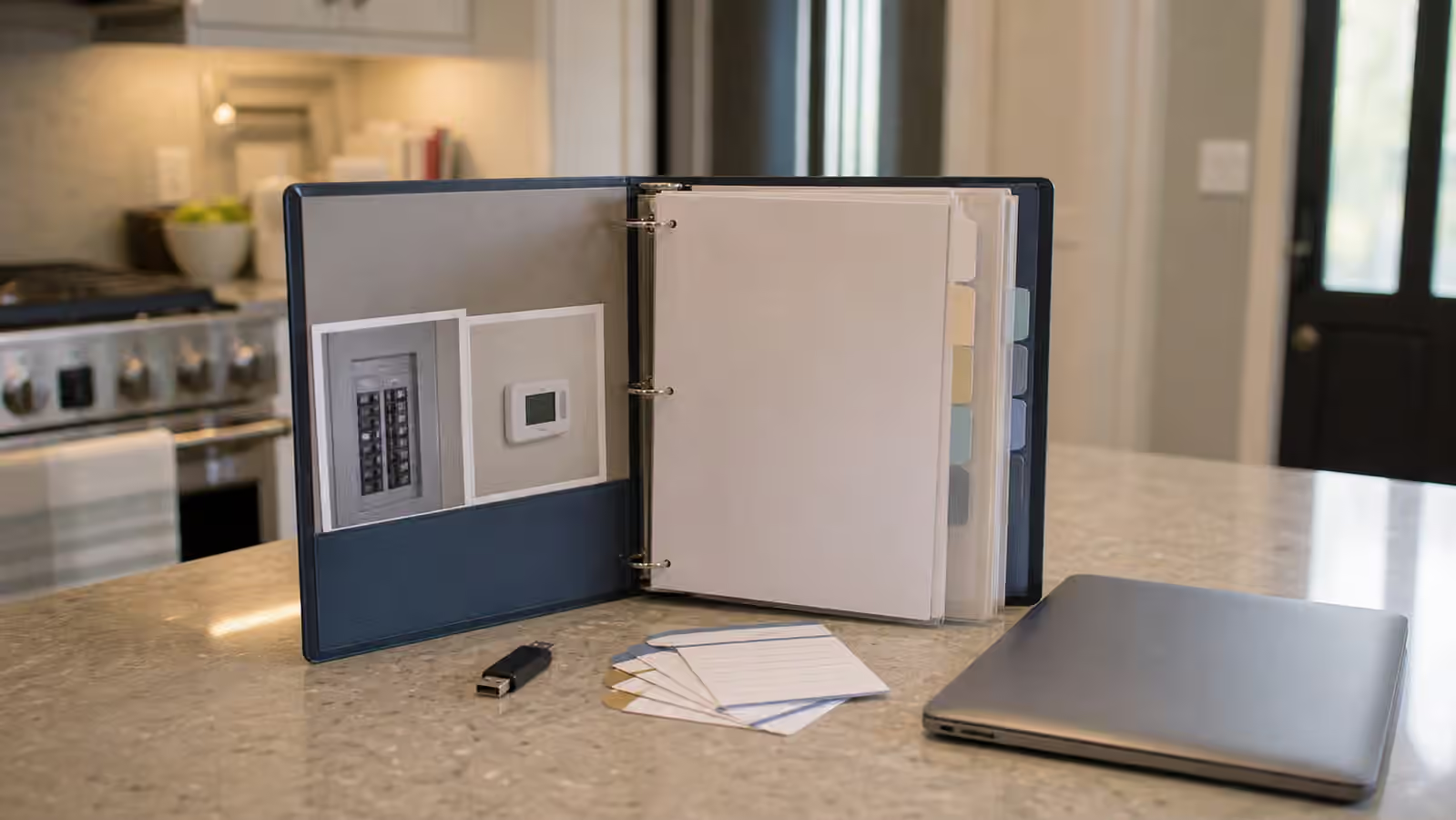
The best documentation system is the one that survives. A physical binder near the utility area can work if papers are not lost. A digital folder can work if filenames are clear and access is shared. Many homes benefit from both: physical quick instructions and digital copies of manuals, photos, receipts, and permits. The exact format matters less than the habit of updating it after work is done.
Use names that make sense to a tired person. A folder called “Heat pump install 2026” is better than a string of random downloads. Photos should show context, not only close-ups. A breaker-panel photo should include the panel location and a close view of the label. A thermostat setting screenshot should be dated. A service note should mention whether the technician recommended a follow-up.
Documentation is part of home energy resilience because it makes the house less dependent on memory. It helps the next repair, the next upgrade, the next outage, and the next person who has to understand the system. A well-documented home is not more complicated. It is simply easier to pick up where the last project left off.