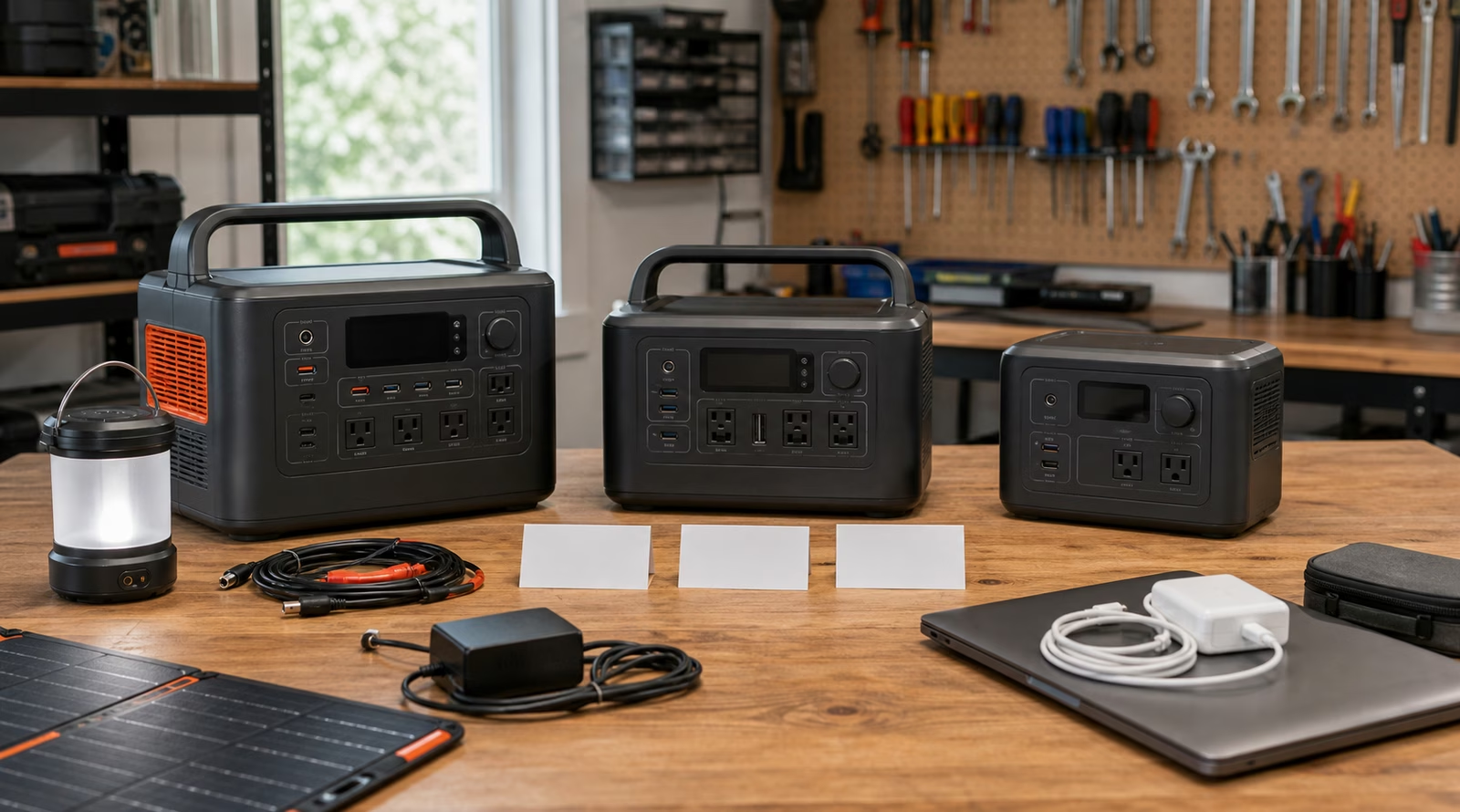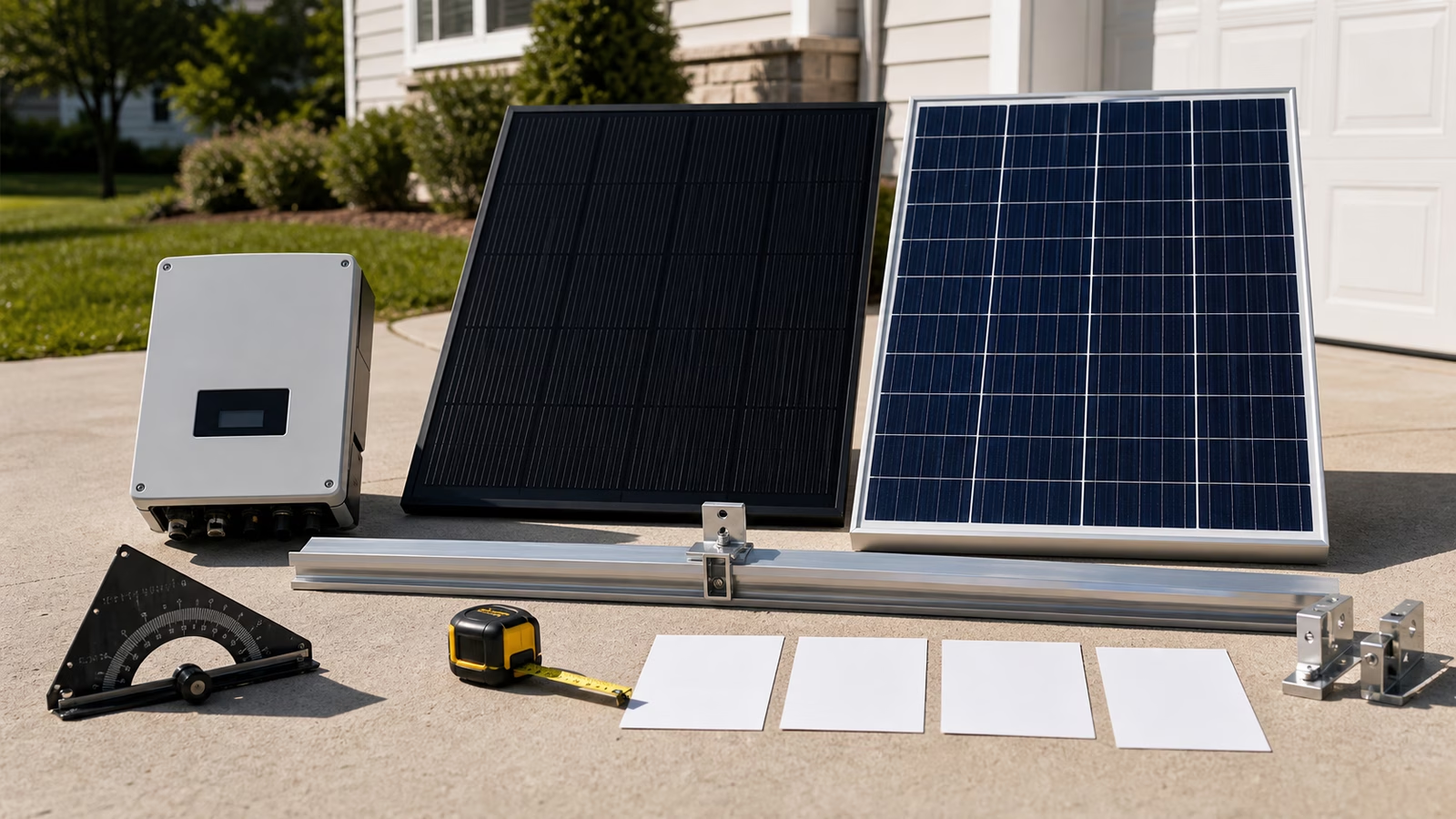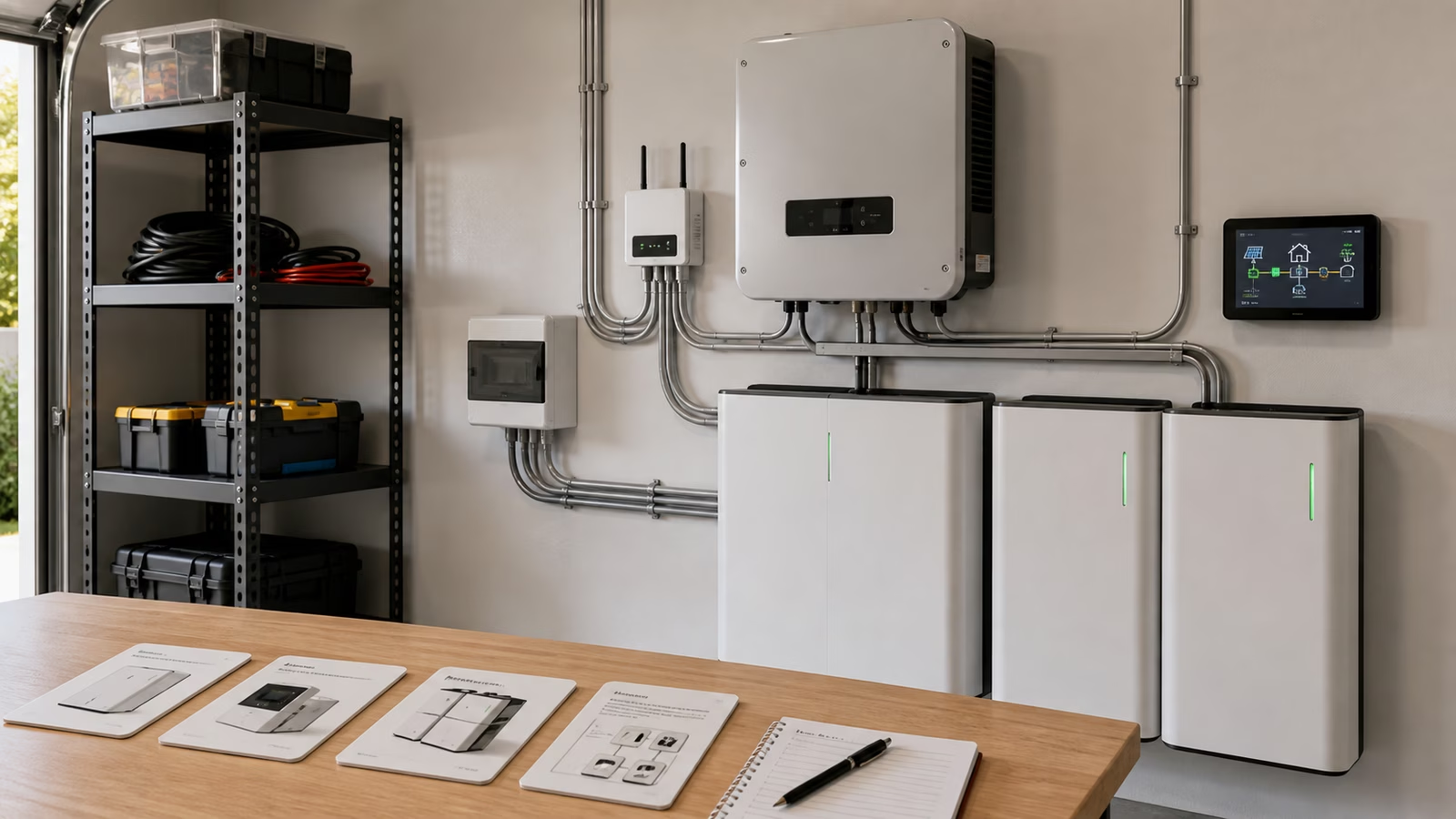
A home battery is not just a bigger portable power station. Once it is wired into the house, it becomes part of the electrical system, and the design matters as much as the battery box. A good battery proposal should make the home easier to understand, not more mysterious.
The buying process should start with backed-up loads, not brand names. Before comparing chemistry, apps, or glossy spec sheets, decide what the battery is supposed to protect. A refrigerator, network gear, a few lights, a garage door, and selected outlets create one design. A sump pump, heat pump, well pump, induction range, or whole-home promise creates a much more demanding design. The battery is only useful if its capacity, inverter output, surge capability, and controls match the job.

Capacity and output
Usable capacity tells you how much energy the system can deliver before it reaches its reserve. It is not always the same as the headline capacity on marketing material. Some energy is held back to protect the battery, support system behavior, or meet warranty requirements. The installer should be able to say plainly how many usable kilowatt-hours you are buying and what happens when the battery reaches its reserve during an outage.
Inverter output is a separate question. A battery can store enough energy for a long outage but still fail to start a compressor, pump, or other surge-heavy load if the inverter is too small. Continuous output tells you what can run steadily. Surge output tells you what can start. Load management tells you whether large loads can be delayed, limited, or shut off automatically before they overwhelm the system.
Whole-home or critical loads
Whole-home backup sounds clean because it avoids hard choices. In practice, large loads change the design quickly. HVAC, water heating, cooking, laundry, EV charging, and well pumps can turn a simple backup goal into a major electrical project. That does not make whole-home backup wrong, but it does mean the proposal should explain how those loads are controlled and what the battery can support in real conditions.
A critical-load design is often more practical. It may back up the refrigerator, lighting, network gear, selected outlets, a garage door, a sump pump, and a modest heating or cooling strategy. This kind of system asks a better question: what keeps the household safe, connected, fed, and functional until the grid returns? If you want heat pump backup, read Heat Pump Sizing Basics and Inverter Sizing before assuming one battery will handle it.
The installer conversation
Ask the installer to explain the backed-up circuits, usable capacity, continuous output, surge behavior, solar recharge behavior, reserve setting, monitoring tools, permits, inspections, utility approvals, equipment warranty, and workmanship warranty in ordinary language. If the proposal includes solar, it should say whether the battery can recharge from solar during an outage and under what limits. If it includes load shedding, it should say what is included, what costs extra, and what the homeowner can override.
Choose a home battery when you can approve permanent electrical work, want automatic backup, care about solar integration, prefer cleaner backup than a fuel generator, and can define which loads deserve protection. Be cautious when the installer will not explain usable capacity, the proposal does not name the backed-up loads, large loads are promised without control details, or the sales pressure moves faster than your ability to review the contract.
The FTC’s solar guidance is a useful mindset for batteries too: review contracts, company history, warranties, and financing terms before signing. A battery is a long-lived system, so the paperwork should be as solid as the hardware.
Best next page
Compare this with Home Battery vs Portable Power if you are not sure whether you need permanent equipment.
Apply this guide as a decision record
Use Home Battery Buying Guide: What to Ask Before You Sign to turn a vague household question into a checkable one. Its scope is specific: A practical home battery buying checklist covering backed-up circuits, usable capacity, inverter power, solar integration, and installer questions. Before changing the setup, write down the condition you are trying to change, the constraint that matters most, and the evidence you still lack.
For a first pass through home battery buying guide, compare the current state with a relevant baseline and record one observation, measurement, or conversation. Make the smallest reversible change available. Keep the manual, model number, room condition, schedule, or maintenance note beside the decision so a future check does not depend on memory. Keep home battery, buying guide, backup power in view as separate signals instead of treating them as one verdict.
A useful follow-up asks whether Home Battery Buying Guide: What to Ask Before You Sign improved the named problem without creating a new one. Check the tradeoff that fits this subject — heat, noise, comfort, water, power, wear, effort, or cost — and describe the result in plain language. If a boundary is safety-critical, stop at the guide’s limit and bring the details to a qualified local professional.
The conclusion for home battery buying guide should stay narrow. Record what was observed, which condition made the result possible, what maintenance keeps it dependable, and what would make you revisit the choice. That turns a guidebook into a decision record you can use again rather than a promise to remember.