A furnace makes heat. A heat pump moves heat. That small sentence explains most of the tradeoff.
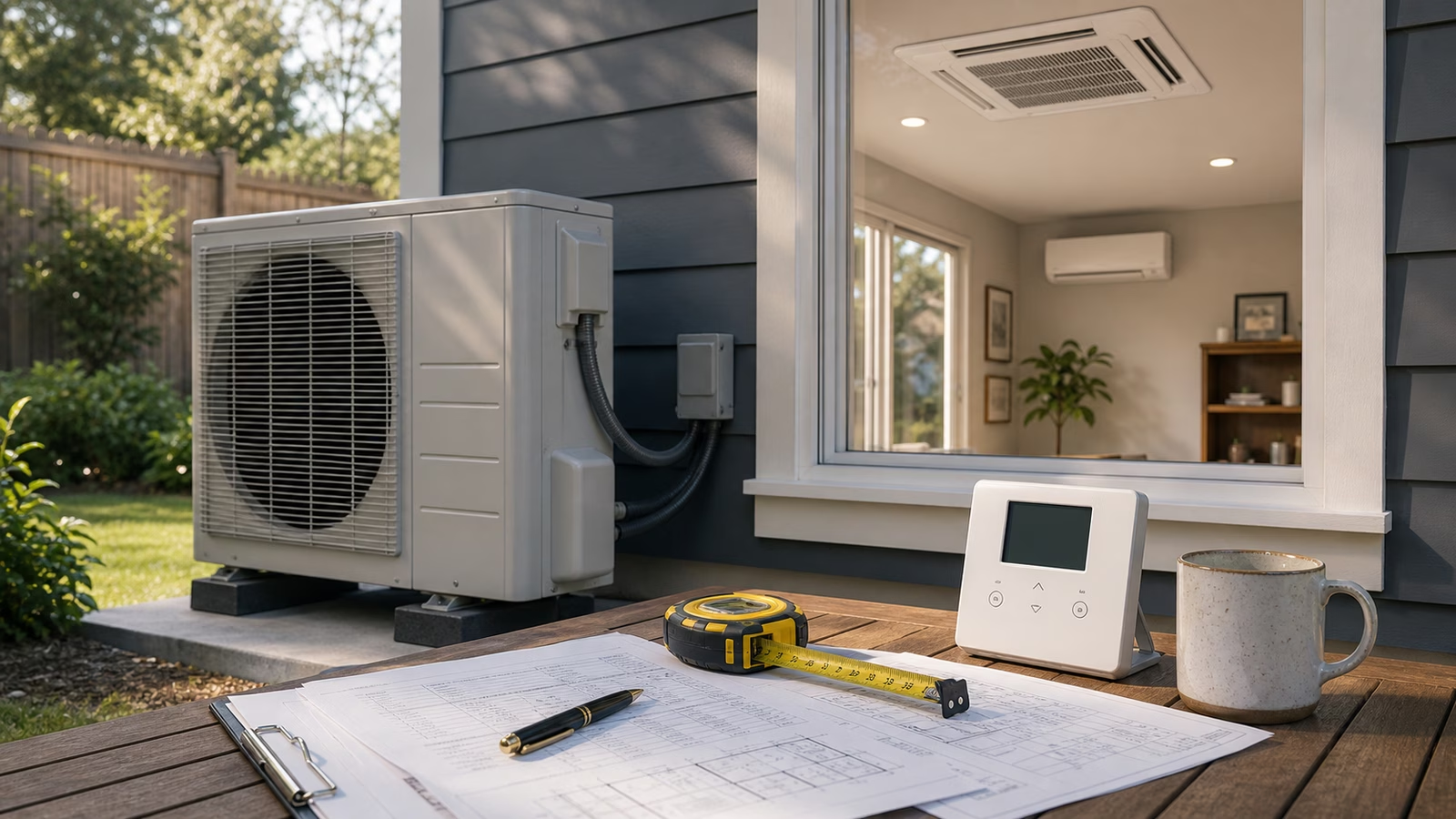
A gas or oil furnace burns fuel in the home and pushes heated air through ducts. An electric furnace or resistance heater turns electricity directly into heat. A heat pump uses electricity differently: it gathers heat from outside air and moves it indoors, then reverses that process for cooling. Because it transfers heat rather than creating it directly, a heat pump can deliver more usable heat per unit of electricity than resistance heat. Because it is also an air conditioner, it can simplify a home that otherwise needs separate heating and cooling equipment.
Comfort and climate
Heat pump comfort is steady when the system is sized well, the airflow is right, and the house is not leaking heat faster than the equipment can replace it. The supply air may feel gentler than furnace air because the system often runs longer at lower intensity. That can be comfortable and efficient, but it can surprise people who expect short blasts of very hot air from a furnace.
Furnaces are familiar in cold climates because they can deliver high-temperature heat even when outdoor conditions are harsh. That familiarity is useful, but it does not automatically mean a furnace is the best long-term plan. Modern cold-climate heat pumps can work in many colder regions, provided the model is selected for local winter lows and the installer designs the system around real heat loss, not hope.
The house matters as much as the equipment. Air sealing, insulation, duct condition, room layout, and window quality all influence whether either system feels good. A furnace can overpower some building problems with brute heat, but that may hide waste. A heat pump tends to reveal those problems earlier because efficiency depends on keeping the load reasonable.
Safety and maintenance
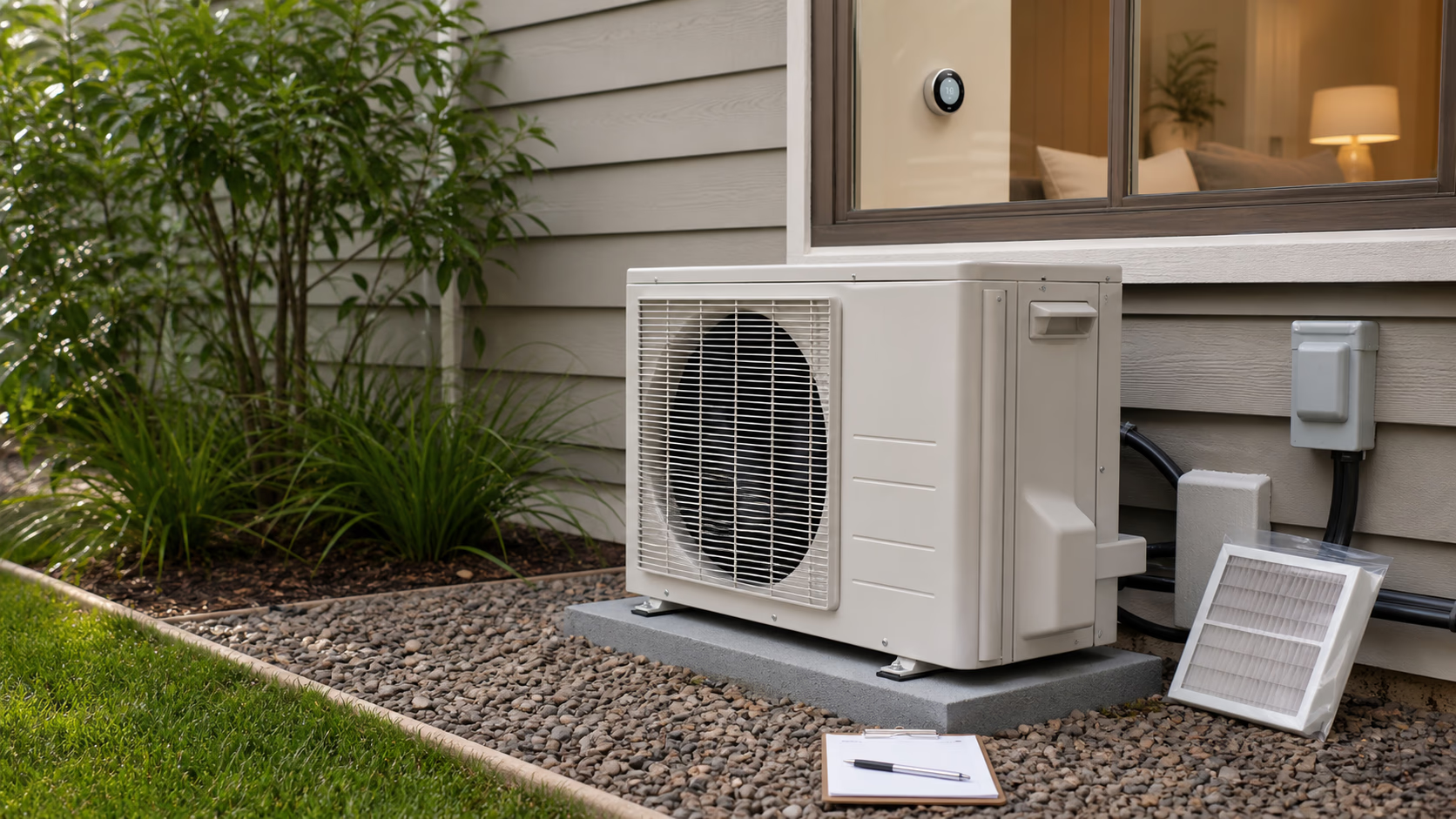
A heat pump does not burn fuel at the indoor air handler, so it avoids the carbon monoxide and venting concerns that come with combustion appliances. That does not make it maintenance-free. Filters still need attention, coils need airflow, outdoor units need clearance, condensate drains need to work, and controls need to be set correctly.
A combustion furnace brings its own maintenance obligations. Venting, combustion safety, heat exchangers, filters, burners, and carbon monoxide detection all matter. A well-maintained furnace can be reliable, especially when the equipment is recent and the ducts are already in good condition. An ignored furnace is not just inefficient; it can become a safety problem.
The staged path
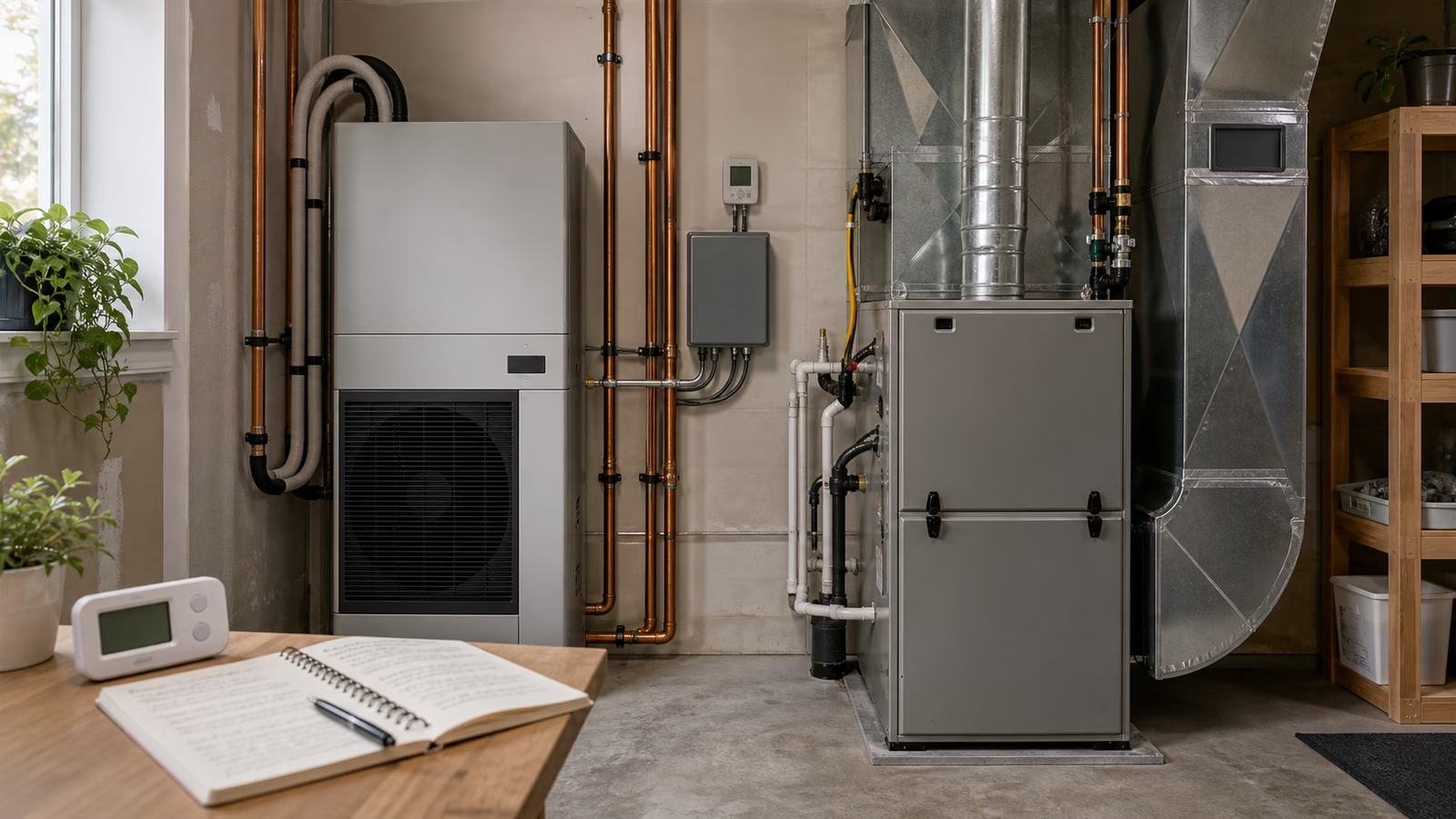
The decision is not always heat pump or furnace forever. Some homes use a hybrid approach, with a heat pump handling most heating and cooling while a furnace or other backup covers rare cold periods. That can be a practical bridge when the electrical panel plan is unresolved, the furnace is still young, fuel prices are unusual, or the homeowner wants electrification without turning the whole house into one project.
Controls decide whether a hybrid system is elegant or wasteful. If backup heat comes on too early, the heat pump may become an expensive air conditioner with a furnace doing most winter work. If backup heat is locked out too aggressively, the house may struggle during cold snaps. The installer should explain the balance clearly before the system is installed.
Choose a heat pump when you want efficient electric heating and cooling, have a credible design, and are ready to think about the house as a whole system. Keep or improve a furnace when the equipment is recent, the home is not ready, local economics favor a slower transition, or the backup plan needs more time. The right answer is the one that makes the house comfortable, safe, serviceable, and coherent with your electrical future.
For the buying checklist, read Heat Pump Buying Guide .
Apply this guide as a decision record
Use Heat Pump vs Furnace: The Comfort Tradeoffs That Actually Matter to turn a vague household question into a checkable one. Its scope is specific: A practical comparison of heat pumps and furnaces by climate, comfort, efficiency, backup heat, ducts, and electrification goals. Before changing the setup, write down the condition you are trying to change, the constraint that matters most, and the evidence you still lack.
For a first pass through heat pump vs furnace, compare the current state with a relevant baseline and record one observation, measurement, or conversation. Make the smallest reversible change available. Keep the manual, model number, room condition, schedule, or maintenance note beside the decision so a future check does not depend on memory. Keep heat pump, furnace, comparison in view as separate signals instead of treating them as one verdict.
A useful follow-up asks whether Heat Pump vs Furnace: The Comfort Tradeoffs That Actually Matter improved the named problem without creating a new one. Check the tradeoff that fits this subject — heat, noise, comfort, water, power, wear, effort, or cost — and describe the result in plain language. If a boundary is safety-critical, stop at the guide’s limit and bring the details to a qualified local professional.
The conclusion for heat pump vs furnace should stay narrow. Record what was observed, which condition made the result possible, what maintenance keeps it dependable, and what would make you revisit the choice. That turns a guidebook into a decision record you can use again rather than a promise to remember.