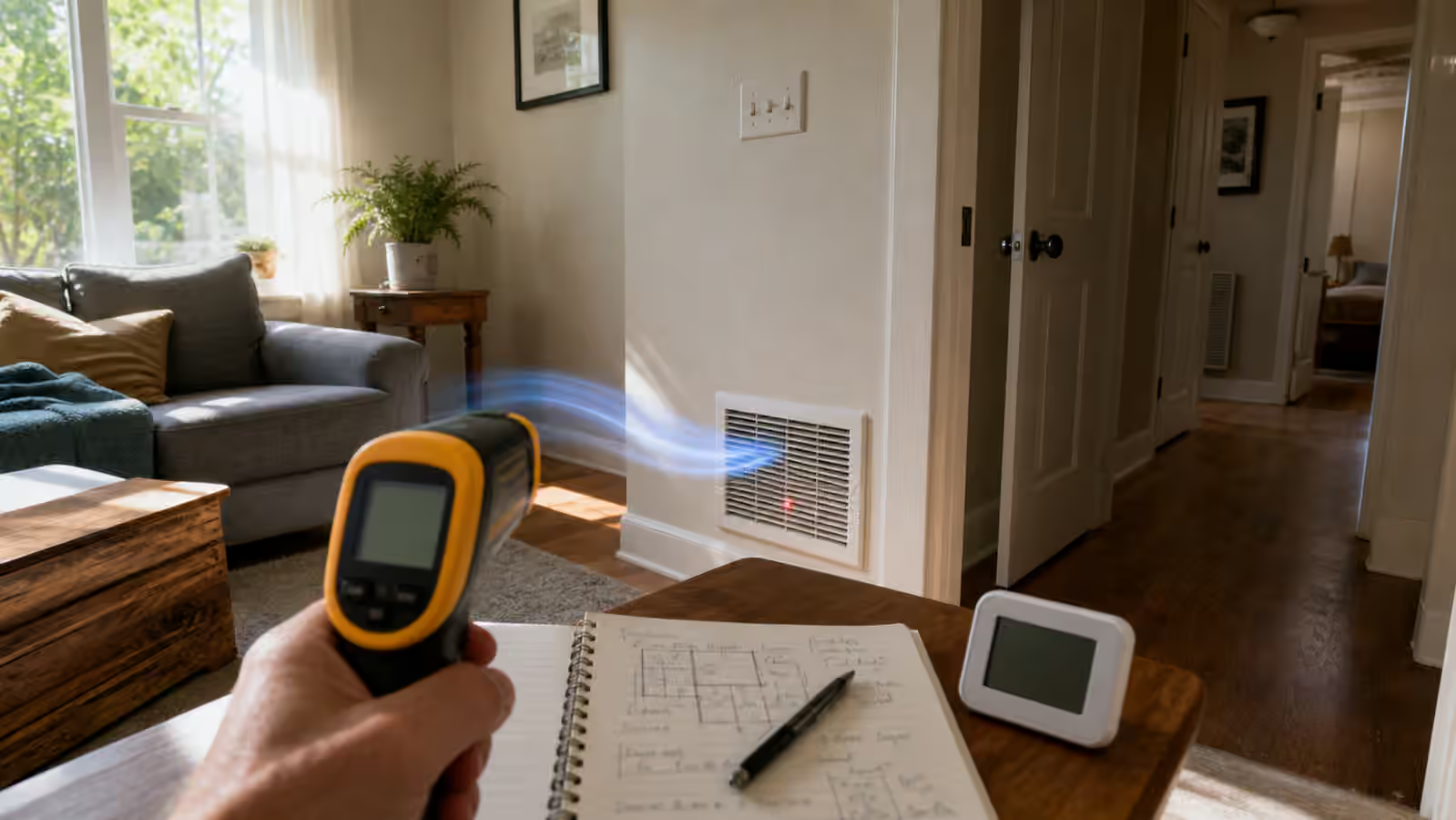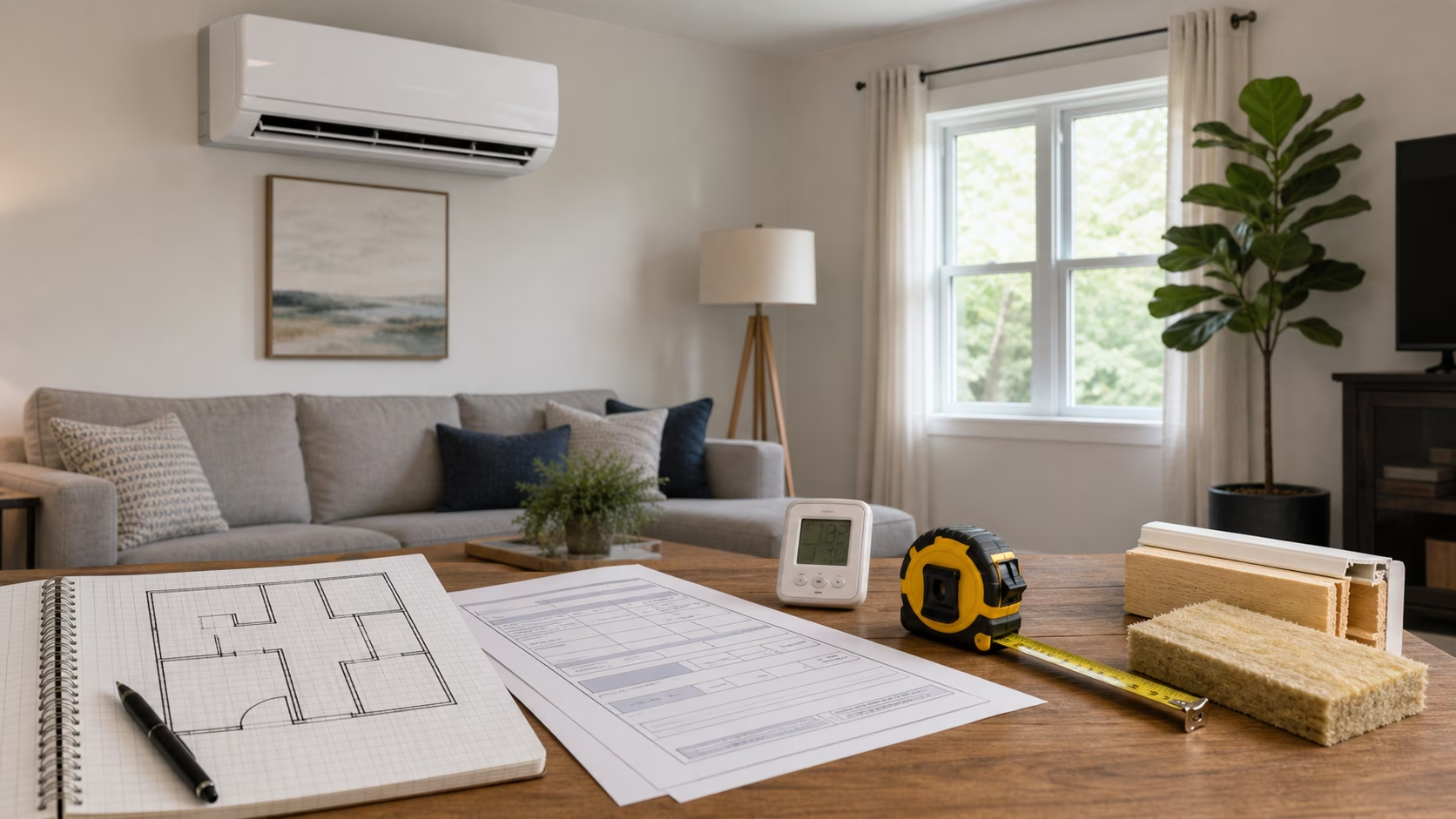
Heat pump maintenance is less about tinkering and more about respecting airflow. The machine is trying to move heat, and it can only do that well if air can move freely through filters, coils, ducts, registers, and outdoor clearance. When a heat pump feels disappointing, the cause is often not dramatic. A clogged filter, a blocked return, a buried outdoor unit, or a thermostat habit that keeps waking backup heat can quietly erase much of the system’s advantage.
The easiest maintenance rhythm begins with attention. Notice how the system sounds when it is healthy. Notice how long it usually runs on mild days. Notice which rooms are slow to warm or cool. That ordinary memory becomes useful later, because changes stand out. A new rattling sound, weaker airflow, water where it should not be, or a room that stops reaching setpoint is easier to catch when you know the baseline.
Keep The Air Path Honest
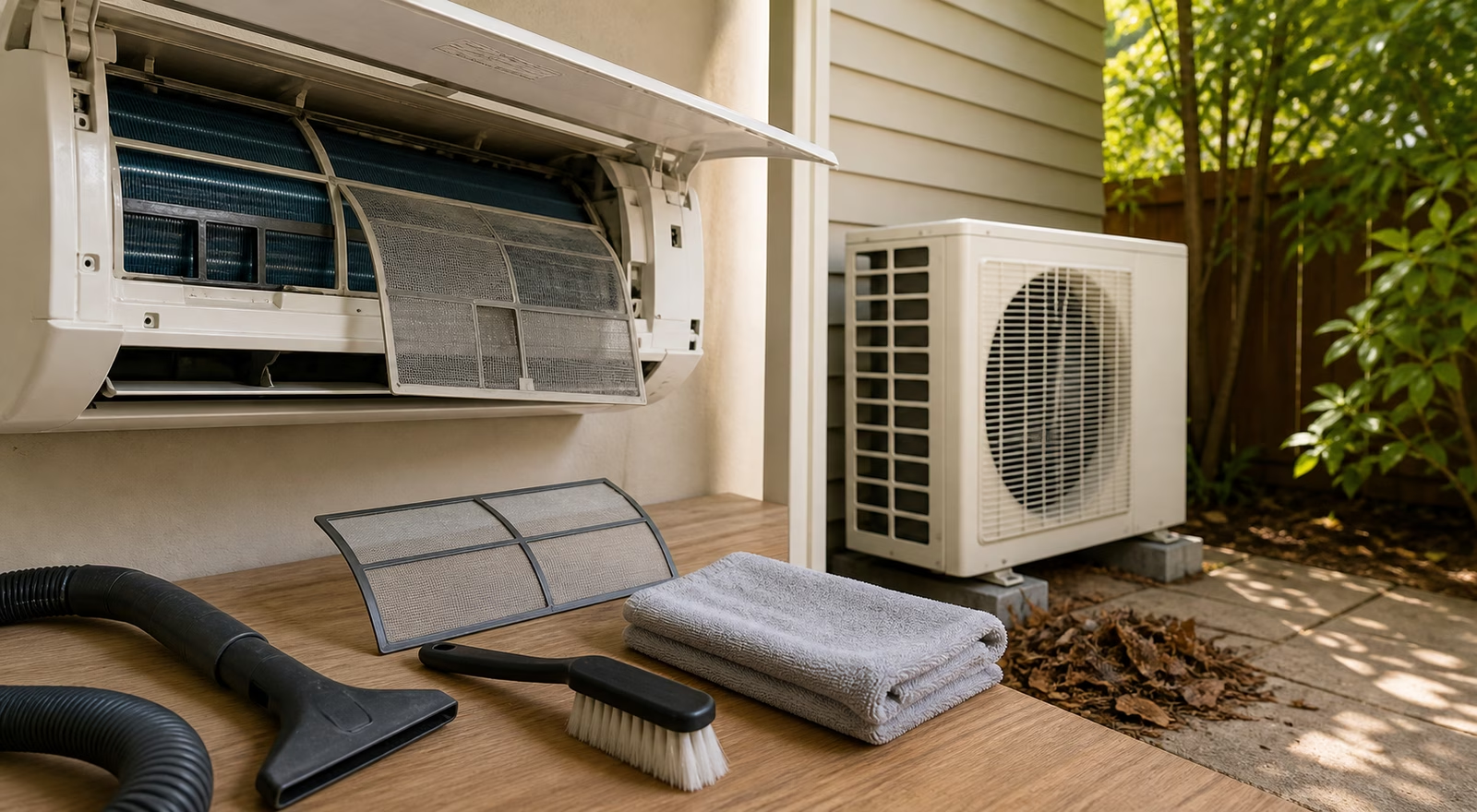
Filters deserve the most boring loyalty. Clean or replace them on the schedule your system and household actually need, not the schedule you wish were true. Pets, dust, renovation work, wildfire smoke, and high-use seasons can shorten the interval. Keep supply and return registers open and clear, and resist the habit of solving room discomfort by closing vents randomly. Ducted systems are balanced systems; starving part of the airflow can create new problems.
The outdoor unit needs space to breathe. Leaves, snow, grass clippings, storage bins, fences, and overgrown shrubs all make the unit work harder. Clear debris gently and keep the surrounding area open. If fins are bent or coils look dirty, be careful. A fin comb is a real tool, but aggressive homeowner repair can cause damage. When in doubt, leave coil work to a technician.
Learn The Controls Before Winter
Heat pumps often prefer steady operation. Large thermostat setbacks can backfire in some systems because the thermostat may call for auxiliary or emergency heat to recover quickly. That backup heat can be expensive, and in some homes it can make the energy bill feel confusing. Controls vary by system, climate, and installation, so learn what your thermostat means by auxiliary heat, emergency heat, eco mode, lockout temperature, and recovery.
This is also where an indoor humidity monitor earns its place. Comfort is not just air temperature. Humidity changes how warm or cold a room feels, and it can reveal ventilation, drainage, or envelope issues that the heat pump alone cannot solve.
Service Is Part Of Ownership
Professional service is not an admission that the system is fragile. It is how a complex piece of equipment stays efficient and reliable. DOE recommends professional heat pump service at least once a year, and your manufacturer or installer may have more specific guidance. Annual service gives someone qualified a chance to check refrigerant-related performance, electrical components, coils, drains, controls, and fault history.
Call sooner if airflow drops, ice buildup seems abnormal, the system short-cycles, backup heat runs unexpectedly, rooms stop reaching setpoint, water appears where it should not, error codes appear, or outdoor unit noise changes. Those are not “wait and see for a whole season” symptoms. They are the system asking for diagnosis.
Simple maintenance purchases can still help. Keep the correct heat pump HVAC filters on hand so replacement does not depend on a last-minute store run. Keep records of service dates, filter sizes, thermostat settings, and any comfort complaints by room. The paper trail makes the next technician visit better.
For choosing equipment, read Heat Pump Buying Guide . For small-space comfort patterns, see Tiny Home Heating and Cooling .
Apply this guide as a decision record
Use Heat Pump Maintenance: Filters, Coils, Clearance, Controls, and Annual Service to turn a vague household question into a checkable one. Its scope is specific: A homeowner-friendly heat pump maintenance checklist for better comfort, efficiency, and reliability. Before changing the setup, write down the condition you are trying to change, the constraint that matters most, and the evidence you still lack.
For a first pass through heat pump maintenance, compare the current state with a relevant baseline and record one observation, measurement, or conversation. Make the smallest reversible change available. Keep the manual, model number, room condition, schedule, or maintenance note beside the decision so a future check does not depend on memory. Keep heat pump maintenance, HVAC, filters in view as separate signals instead of treating them as one verdict.
A useful follow-up asks whether Heat Pump Maintenance: Filters, Coils, Clearance, Controls, and Annual Service improved the named problem without creating a new one. Check the tradeoff that fits this subject — heat, noise, comfort, water, power, wear, effort, or cost — and describe the result in plain language. If a boundary is safety-critical, stop at the guide’s limit and bring the details to a qualified local professional.
The conclusion for heat pump maintenance should stay narrow. Record what was observed, which condition made the result possible, what maintenance keeps it dependable, and what would make you revisit the choice. That turns a guidebook into a decision record you can use again rather than a promise to remember.