A heat pump dryer changes laundry planning in a quiet but important way. Instead of blasting warm moist air outdoors through a vent, it recovers heat inside a closed loop and removes moisture through a drain or collection container. That can reduce wasted energy, open up installation options, and make laundry easier to fit into an electrification plan. It also asks the household to understand drying time, lint care, drainage, room conditions, and expectations before the delivery truck arrives. For background, see DOE — Energy Saver (2022): heating, cooling, and heat pumps .
This is not just an appliance choice. Laundry touches the electrical panel, the building envelope, moisture control, clothes care, and daily rhythm. A dryer may be a short-duration large load, a flexible load that can move to better hours, or a replacement project that reveals old vent problems. Treating it as part of the wider home energy system keeps the decision grounded.
Drying behavior is different
The most common surprise is speed. Many heat pump dryers dry more gently and may take longer than conventional vented dryers, especially with large loads, heavy cotton, towels, bedding, or laundry that entered the dryer very wet. Longer does not automatically mean worse. The energy use can still be lower because the machine is recycling heat rather than throwing conditioned indoor air outside. The household just needs a laundry rhythm that fits the machine.
That rhythm starts in the washer. High spin speed, reasonable load size, and fabric sorting matter more when the dryer is working gently. A load of towels packed tightly into the drum is a different job from a mixed load with room to tumble. A drying rack can also become part of the system. Some clothes never needed machine drying, while others may only need a short finish after air drying. The most efficient laundry room is often a combination of washer settings, dryer behavior, and realistic habits.
The expectation should be comfort rather than perfection. A dryer that takes longer but runs with less heat may be kinder to some fabrics and easier on the energy plan. A household that needs back-to-back laundry during a narrow window should test capacity and timing more carefully. The appliance should fit the home, not force the home to pretend all laundry is flexible.
Ventless does not mean thoughtless
The word ventless can make the installation sound effortless. It is better to read it as “no exterior dryer vent required,” not “no installation details matter.” A heat pump dryer still needs airflow around the appliance according to its instructions. It may need a drain connection or regular emptying of a condensate container. It still produces lint that must be managed. It may release some heat into the room. It needs access for cleaning filters and service.
Room conditions also matter. A cramped closet with poor air movement can make any appliance harder to live with. A laundry room that already feels damp deserves attention before adding equipment. If the dryer drains to a standpipe, sink, pump, or floor drain, the route should be secure and visible enough that leaks are noticed. If it uses a container, someone has to empty it. A feature is only useful if the household maintains it.
Old dryer vents deserve inspection when a vented machine is replaced. A blocked or leaky vent may have been wasting conditioned air, collecting lint, or dumping moisture where it did not belong. Removing dependence on that vent can be useful, but the old opening still has to be handled properly. Air sealing and exterior closure details belong with the same care described in Air Sealing and Insulation Priorities .
Electrical planning is smaller but not zero
Many heat pump dryers use less peak power than conventional electric resistance dryers, but the exact electrical requirement depends on the model and installation. Some are designed for standard outlets. Others need different circuits. Some pairs use compact spaces. Some households are replacing a gas dryer and may need an electrical circuit where one did not exist. The right answer is in the product instructions, local code, and professional evaluation where electrical work is needed.
The planning benefit is that laundry may become easier to fit beside other electrification projects. Electrical Panel Planning Before Home Electrification treats the home as a set of loads that interact. A dryer, heat pump water heater, EV charger, induction range, and space-conditioning heat pump can all make sense, but their timing and circuits need coordination. A lower-power dryer may reduce pressure compared with a large resistance dryer, yet it still belongs on the load list.
That list should include behavior, not only nameplate ratings. A heat pump dryer may run longer at lower power. A conventional electric dryer may run shorter at higher power. A gas dryer may use less electricity but still depends on fuel and venting. The energy plan should compare actual household priorities: installation path, fabric care, drying time, humidity, panel capacity, fuel goals, and outage expectations.
Laundry is a good load-shifting candidate
Laundry often has timing freedom. Clothes can usually wait a few hours in a basket more easily than a refrigerator or sump pump can wait to run. That makes the dryer a candidate for Load Shifting at Home , especially in homes with solar production, battery controls, or crowded evening peaks.
The best schedule is not the cleverest one. It is the one people will actually follow. If the house has solar and someone is home during the day, laundry may fit naturally into sunny hours. If the household works away from home, a delay start may help, but only if the appliance is designed for it and wet laundry will not sit long enough to smell. If quiet evening hours matter, the dryer may need to run earlier. If a utility room is near bedrooms, noise can matter more than a graph.
Heat pump dryers also pair well with partial air drying. A rack near the laundry room can reduce machine time for delicate items, workout clothes, or towels that need a head start. This is not a moral rule. It is a practical option. Some weeks the dryer does the whole job because life is busy. Other weeks the rack carries part of the load. The energy plan survives because it is flexible.
Moisture belongs in the conversation
Laundry is a moisture project as much as an energy project. A vented dryer removes moist air by sending it outdoors, but it can also pull conditioned air from the house and create replacement-air issues. A heat pump dryer condenses moisture instead, which can be helpful when the drain and room are managed properly. That makes the laundry room part of the same building science conversation as dehumidifiers, bathrooms, basements, and air sealing.
Watch the room after installation. If surfaces stay damp, the drain path leaks, the container overfills, filters clog quickly, or drying times stretch unexpectedly, something needs attention. The answer might be cleaning, load size, washer spin, room ventilation, drain routing, or service. It should not be ignored as normal background behavior. Moisture problems age badly when they hide behind appliances.
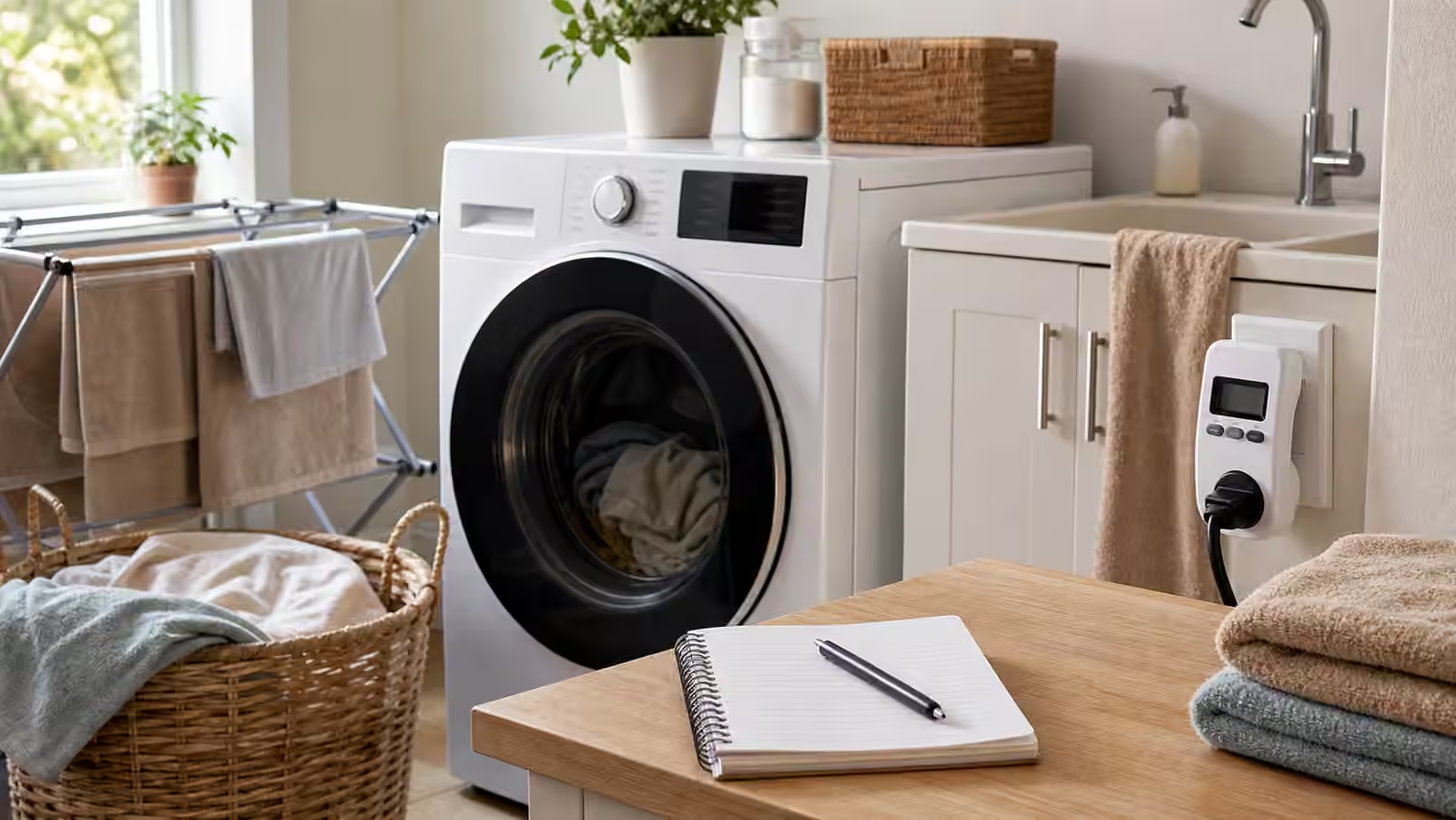
This is where Home Energy Monitoring Basics helps again. A plug-in meter can show how long a load runs if the dryer is within the meter’s rating and instructions. A household note can connect energy use with fabric type, load size, and drying result. The goal is not laboratory precision. It is learning the machine well enough to stop guessing.
Buy for the laundry room you have
A good heat pump dryer choice starts with the space, not the spec sheet. Measure the route into the room, door swings, clearance, drainage, stacking plans, filter access, noise sensitivity, and how laundry actually moves through the home. Think about who does laundry, when they do it, how often loads pile up, whether bedding is common, and whether a drying rack will be used or simply become furniture.
Ask ordinary questions before buying. How is condensate handled? How are filters cleaned? What circuit is required? How much clearance is needed? How does the machine behave with towels and bedding? Can the door swing work in the room? What happens if the container fills? Can the household reach the filters without moving storage? These questions are not glamorous, but they decide whether the appliance stays pleasant after the novelty fades.
A heat pump dryer is a good example of the larger home energy lesson. Efficient equipment works best when the house around it is ready. The laundry room needs space, drainage, maintenance access, realistic timing, and a place on the whole-home load plan. When those pieces fit, the dryer becomes one more calm electrification step rather than another appliance mystery.