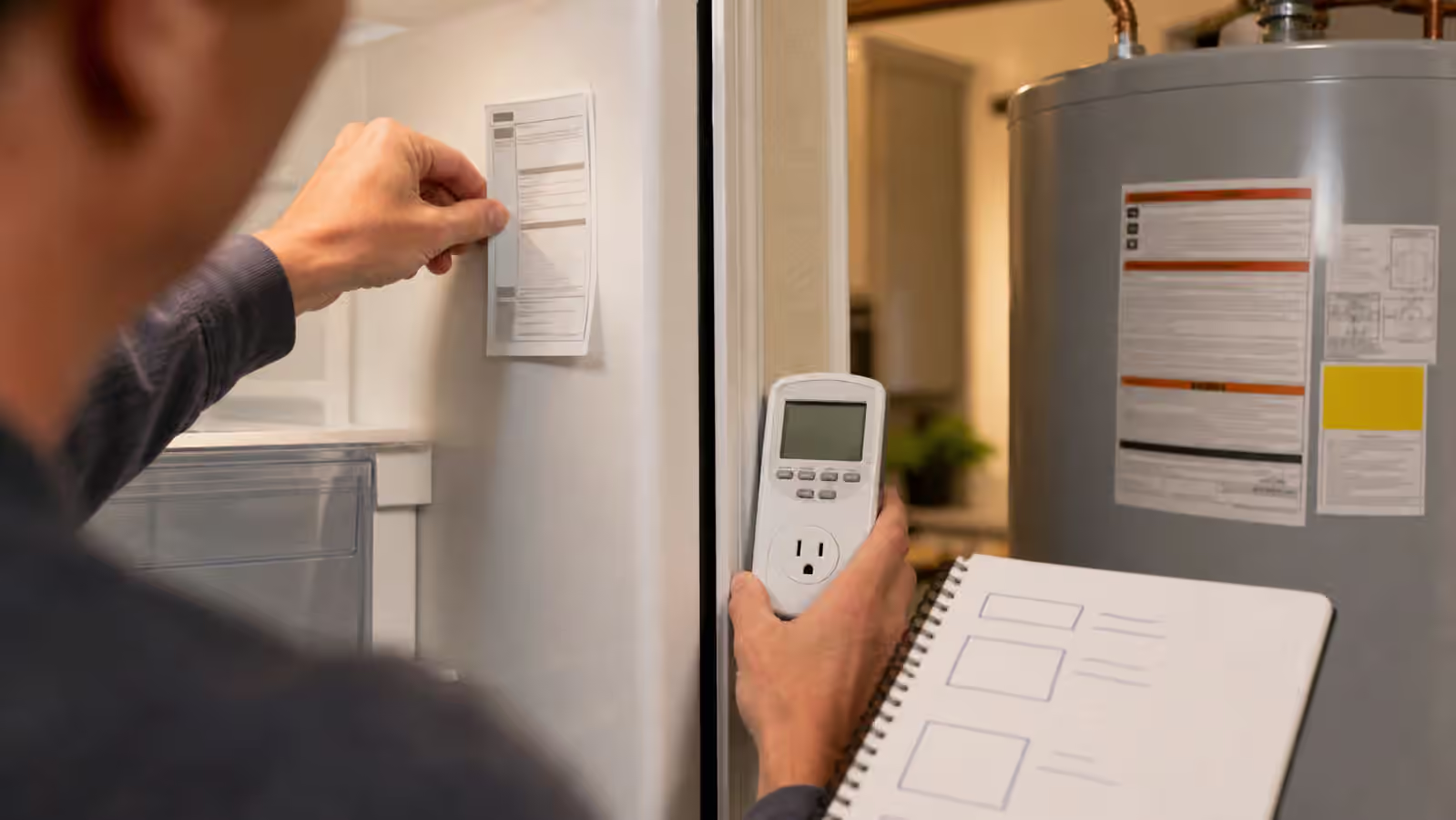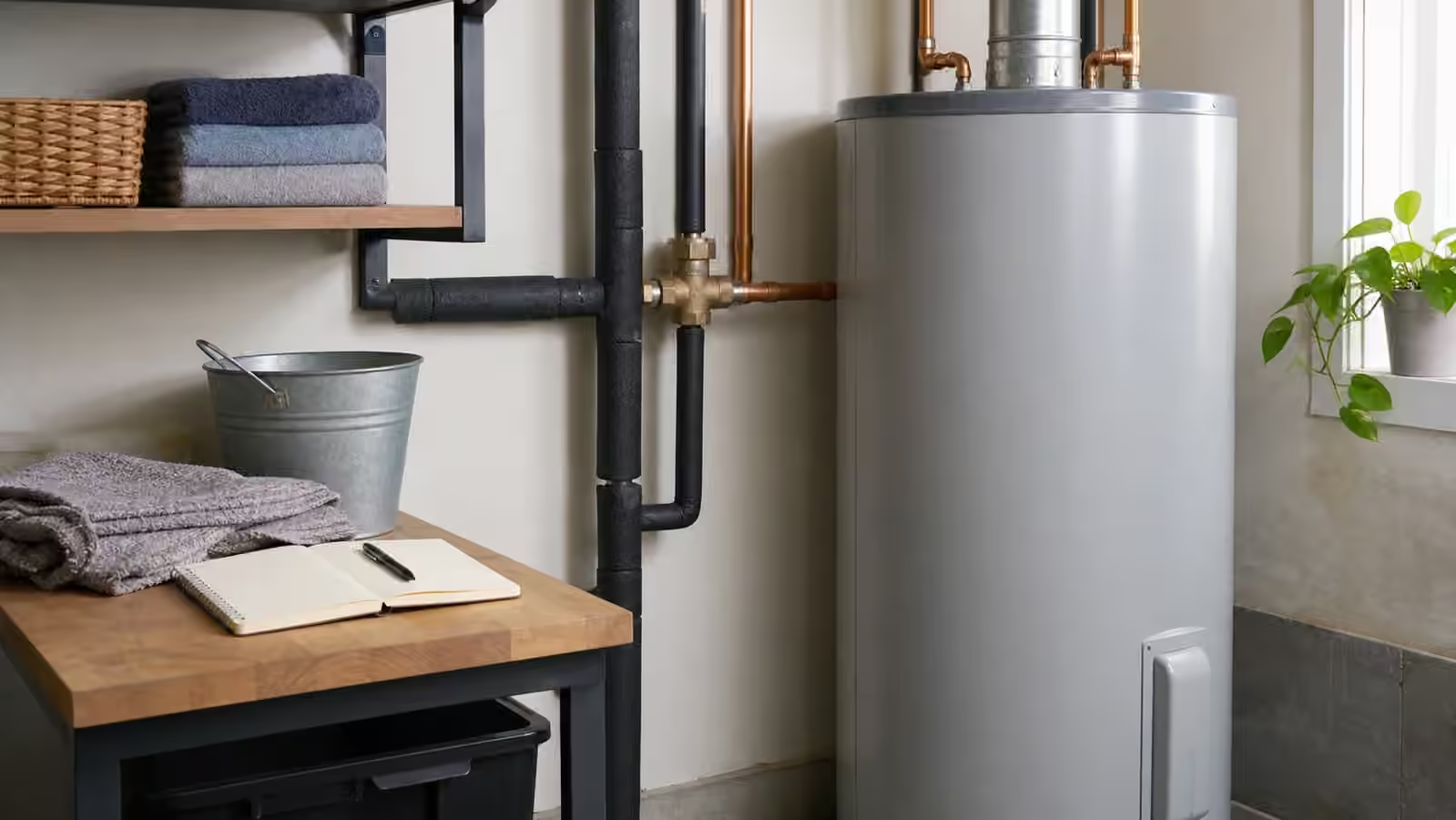
Hot water is easy to overlook because it hides inside ordinary routines. Showers, handwashing, dishwashing, laundry, cleaning, and long pipe runs all ask for energy in small pieces. The water heater may sit quietly in a closet, basement, garage, or utility room, but it can be one of the more important loads in the house. Before replacing it, adding a recirculation pump, installing a heat pump water heater, or blaming a bill on vague “appliance use,” it helps to understand what the household is asking the hot-water system to do. For background, see DOE — Energy Saver (2022): water heating .
The goal is not to turn every shower into a calculation. It is to separate demand, losses, timing, and comfort. Demand is the hot water people actually use. Losses are the heat that leaves the tank, pipes, or recirculation loop before it serves anyone. Timing is when the system has to recover. Comfort is how long people wait at the tap and whether the water stays steady during normal use.
Map the hot-water path
Start by finding the water heater and tracing the practical path to the busiest fixtures. The path does not need to be a professional plumbing drawing. A simple note can show the heater location, bathrooms, kitchen sink, laundry, dishwasher, long pipe runs, and any recirculation equipment. Add the fuel or power source, the approximate tank size if visible, and whether the heater is in conditioned space, a garage, a closet, or another area that gets hot or cold.
This belongs on the Whole-Home Energy Map because hot water touches several upgrades. A future Heat Pump Water Heater Planning decision depends on location, sound, airflow, drainage, condensate, electrical capacity, and recovery expectations. A dishwasher plan depends on how quickly hot water reaches the kitchen. Laundry timing depends on water temperature habits. A backup power plan may treat hot water very differently from lights, refrigeration, and communications.
Long pipe runs are especially revealing. If a bathroom takes a long time to get hot water, the household may be heating water that cools in the pipe after every use. People often respond by letting the tap run, adding a recirculation pump, or accepting the wait. Each answer has tradeoffs. A recirculation loop can improve convenience but waste energy if it runs constantly or keeps long pipes warm all day. A timer, demand control, or better pipe insulation can make the difference between convenience and a hidden load.
Separate recovery from storage
A tank water heater stores hot water and then recovers after use. A tankless heater heats water as it flows. A heat pump water heater stores water too, but it may recover more slowly in efficient mode than a resistance tank. None of these facts makes one design universally better. The household pattern matters.
Morning showers close together can stress recovery. A large bathtub can empty a tank quickly. A dishwasher and shower at the same time may be fine in one home and annoying in another. Guests can temporarily change everything. If the problem happens only twice a year, it may not justify an expensive fix. If the problem happens every weekday, it deserves a planning note.
Storage losses matter because a tank loses heat even when nobody is using hot water. Newer tanks are usually insulated better than old ones, but location still matters. A tank in a cold garage may behave differently from one inside a conditioned utility room. Pipes near the tank can also lose heat, especially on the first several feet of hot outlet piping. Pipe insulation is not glamorous, but it can reduce waste and improve comfort at nearby fixtures when applied correctly and safely.
Temperature settings are not just comfort settings
Water temperature affects comfort, energy use, dishwasher performance, scald risk, bacterial control, mixing valves, and household habits. It is not a place for casual one-size advice. Some homes use a mixing valve so the tank can store water at one temperature while delivering a safer temperature to fixtures. Some appliances heat their own water. Some households have vulnerable people who need extra caution around scalding. Local plumbing practice and equipment instructions matter.
The practical move is to understand the current setup before changing it. Find the manual if possible. Look for a mixing valve, but do not assume every valve shape means the same thing. If the system is unfamiliar, old, corroded, or connected to specialized equipment, bring in qualified help. Hot-water safety is not a good place for guesswork.
Energy planning still has a role. If the household keeps the tank hotter than needed because one far bathroom is slow, the real problem may be distribution. If a dishwasher performs poorly because it receives lukewarm water after a long wait, timing and pipe run may matter. If laundry habitually uses hot water for loads that do not need it, Clothes Washer Energy Planning can lower demand without touching the heater.
Recirculation can be comfort or waste
Hot-water recirculation is appealing because it shortens the wait at distant taps. The hidden question is how and when it runs. A loop that stays hot around the clock can act like a small heating system attached to the plumbing. In winter that heat may end up inside the house, but it is still water-heater energy. In cooling season it can add unwanted heat. A smarter control that runs by timer, occupancy, button, or demand can reduce that waste, but only if the control matches the household routine.
Pipe insulation is usually part of the conversation. Insulating accessible hot-water pipes can help the water stay warm between uses and reduce losses from recirculation lines. It does not fix every wait problem, and inaccessible pipes may remain as they are, but it is often a useful no-drama step during other work. As always, do not cover unsafe conditions, damaged piping, combustion clearances, or materials that should be evaluated first.
The most important recirculation question is whether the household wants faster hot water enough to maintain another active system. Pumps, controls, valves, and sensors can fail or drift from their original settings. A convenience upgrade should not become an invisible energy penalty because nobody remembers how it was configured.
Connect hot water to other loads
Hot water overlaps with several guidebooks in this library. Dishwasher and Hot-Water Energy Planning explains why modern dishwashers may be more efficient than handwashing habits that run a faucet for a long time. Laundry choices connect to water temperature, spin speed, dryer time, and load timing. Load Shifting at Home matters if the water heater can be scheduled or if the household is trying to avoid peak periods.
Backup planning is different. Many homes do not put a water heater on a small backup system because heating water uses substantial power or fuel. During an outage, the hot-water plan may be conservation, stored hot water, a fuel appliance that does not need much electricity, or no hot water at all. Outage Priority List helps decide whether hot water is critical, comfort, or outside the backup scope.
The calmest hot-water plan begins with observation. Notice the long waits, the busiest times, the fixtures that matter, and the equipment location. Then decide whether the first fix is behavior, pipe insulation, a control setting, appliance timing, recirculation changes, or a future water-heater replacement. Hot water is not just a tank. It is a daily route through the house, and the route often explains the energy.