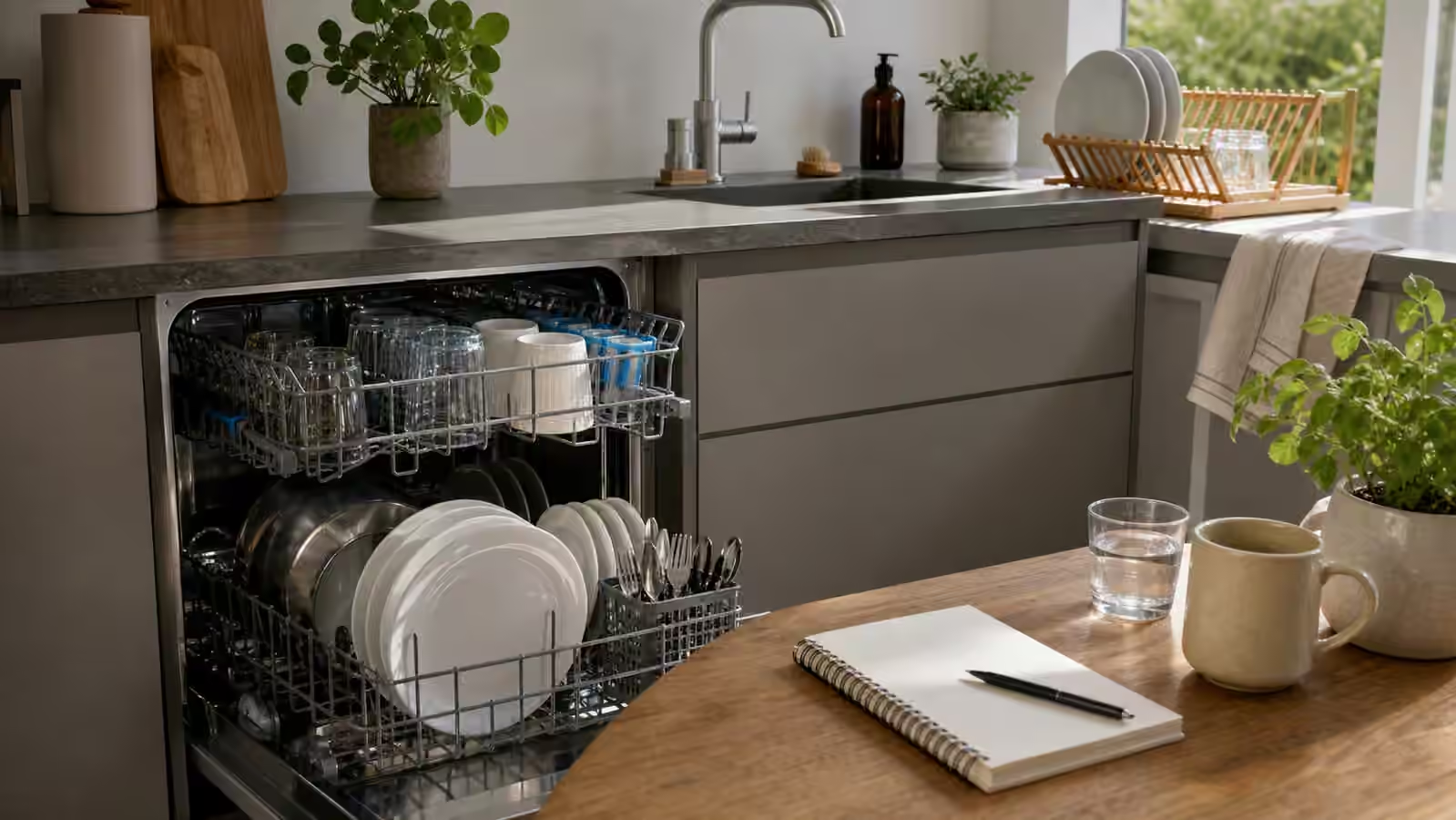
A dishwasher is easy to underestimate because it disappears into the kitchen routine. People notice the range, refrigerator, heat pump, EV charger, and dryer because those loads feel large or technical. The dishwasher is just part of dinner cleanup. Yet it touches water heating, electric loads, drying behavior, noise, schedules, and daily habits. It may use less water and energy than hand washing in many ordinary situations, but the real household result depends on how it is loaded, which cycle is chosen, and when it runs. For background, see DOE — Energy Saver (2022): water heating .
Dishwasher planning is not about turning a normal chore into a laboratory project. It is about keeping the appliance boring in the best sense. Dishes get clean. The kitchen routine works. Hot water is not wasted before the cycle even begins. The drying choice matches the household’s patience. The load fits into the home’s larger energy plan instead of running at the worst possible time by accident.
The dishwasher is part of the water-heating system
A dishwasher does not live alone electrically or thermally. It draws water from the home’s hot-water system, may heat water internally depending on the cycle and model, and may use heat for drying. That means it belongs near Heat Pump Water Heater Planning when the home is thinking about water heating, electrification, or load shifting. A dishwasher cycle may be small compared with showers and laundry, but it still sits inside the same hot-water rhythm.
The distance between the water heater and dishwasher matters because the first water in the pipe may be cool. Some households run the sink until hot water arrives before starting the dishwasher. That can help some machines begin with warmer water, but it can also send usable water down the drain. The right habit depends on the appliance instructions, plumbing layout, and household priorities. The important point is to notice the behavior rather than repeating it automatically.
If the water heater is a heat pump model, the dishwasher may become part of the timing conversation. A tank can recover over time, and a household that stacks showers, laundry, and dishwashing into the same narrow window may create more demand than necessary. Load Shifting at Home is useful when the question becomes not only how much energy the dishwasher uses, but when it uses it.
Clean dishes come from loading and cycle choice
Energy conversations often jump straight to the shortest cycle or the eco cycle. That skips the physical part: water and detergent need to reach the dishes. A poorly loaded dishwasher can turn an efficient cycle into a repeat cycle, which is rarely efficient. Blocking spray arms, nesting bowls tightly, hiding utensils from water, or overfilling racks may save one run in theory and create another run in practice.
The manual matters more than folklore. Different machines expect different loading patterns, filter care, detergent amounts, rinse aid use, and cycle choices. Some modern dishwashers sense soil and adjust runtime. Some short cycles use more energy because they trade time for heat or water intensity. Some eco cycles take longer because they use lower temperature and patience. A cycle that sounds wasteful because it is long may be saving energy by working slowly.
This is why the dishwasher should be judged over a normal week, not one impatient evening. If the default cycle cleans reliably and the heated dry can be reduced without creating wet cabinets or complaints, that may be a good result. If the household keeps rewashing cups because a gentle cycle cannot handle the actual load, the advertised efficiency is not the lived efficiency. The best setting is the one that gets the job done once with reasonable energy and water.
Drying is a comfort and schedule choice
Drying can be a large part of how people experience a dishwasher. Some households want dry dishes immediately because the machine is unloaded before bed or before breakfast. Others can open the door after the cycle and let air finish the job. Some kitchens have materials, humidity, or schedules that make air drying annoying. Plastic items often stay wet even when plates are dry. A drying option that is perfect on paper may be a daily irritation.
Heated drying, auto-open doors, fan drying, condensation drying, and rinse aid all change the experience. The energy plan should respect the household’s tolerance. Turning off heated dry saves little if people respond by hand drying every item with frustration or by running another cycle. It may save a useful amount if the dishes can sit overnight and be unloaded later. A good energy habit survives ordinary life.
Indoor moisture is part of the judgment. Letting steam into a kitchen may be harmless in one home and unwelcome in another, especially if ventilation is weak or the home already struggles with humidity. Ventilation Planning After Air Sealing is not only about bathrooms and kitchens during cooking. Any routine that releases moisture indoors belongs in the same awareness.
Scheduling should not make the kitchen harder
Dishwashers are often flexible loads. They do not always need to run the moment dinner ends. That flexibility can be useful if the home has time-of-use rates, solar production, a battery control strategy, noise concerns, or a water heater that benefits from spacing loads. Running the dishwasher during a better window may be one of the easier forms of load shifting because nobody is asking a person to sit in an uncomfortable room or postpone transportation.
Still, scheduling should not create food residue problems, odors, pest concerns, or household conflict. A delayed start is useful only when the machine is loaded, detergent is placed correctly, and the delay fits the kitchen routine. If a delay means someone forgets the load and dishes are unavailable in the morning, the schedule is too clever. Energy planning should reduce friction, not add a new chore management system.
The dishwasher also has an outage role, mostly by being excluded. During a short outage, clean dishes can often wait. The load is usually not worth precious backup energy compared with refrigeration, communication, lighting, medical equipment where applicable, pumps, or fans. If a permanent backup system powers the kitchen, the household should still know whether the dishwasher is on a backed-up circuit and whether it is reasonable to run. Critical Loads Panel Planning is the right place to make that boundary visible.
Maintenance keeps the appliance efficient
A dishwasher that is partly clogged, misloaded, or neglected may use more energy because it stops cleaning well. Filters, spray arms, door seals, drain behavior, and detergent dosing deserve occasional attention. Hard water can complicate performance. Scraping dishes is usually different from prewashing every item under running water, and the right balance depends on the machine and soil. The goal is to avoid sending large amounts of food into the appliance without turning the sink into a second dishwasher.
Noise can also signal trouble. A new grinding sound, poor drainage, persistent odors, residue, leaks, or tripped protection should not be treated as an energy puzzle. The appliance may need cleaning, adjustment, or service. Energy-efficient operation assumes the machine is functioning normally.
The household record can be simple. Note the usual cycle, whether heated dry is used, whether delayed start is helpful, and any maintenance schedule from the manual. Add the dishwasher to Whole-Home Energy Map if kitchen loads, hot water, solar timing, or panel planning matter. It does not need the same attention as an EV charger, but it should not be invisible. A well-run dishwasher is a small daily example of home energy planning done right: normal comfort, fewer wasted habits, and a load that runs when it makes sense.