Kitchen energy is easy to exaggerate and easy to ignore. A range, oven, microwave, kettle, toaster oven, pressure cooker, rice cooker, air fryer, and induction burner can all use meaningful power while they run, but most do not run all day. At the same time, cooking adds heat, moisture, and ventilation needs to the home. A summer oven habit can make the cooling system work harder. A long simmer can matter less than a water heater or air conditioner, but it still changes the room. For background, see DOE — Energy Saver (2022): appliance energy use .
The point of small-appliance planning is not to rank every dinner by kilowatt-hour. It is to choose the right heat source for the job, avoid wasting preheat and standby time, and understand when kitchen heat becomes part of the whole-home energy story. Better cooking energy usually comes from matching the appliance to the portion, the pot, the season, and the household routine.
Heat the food, not the room
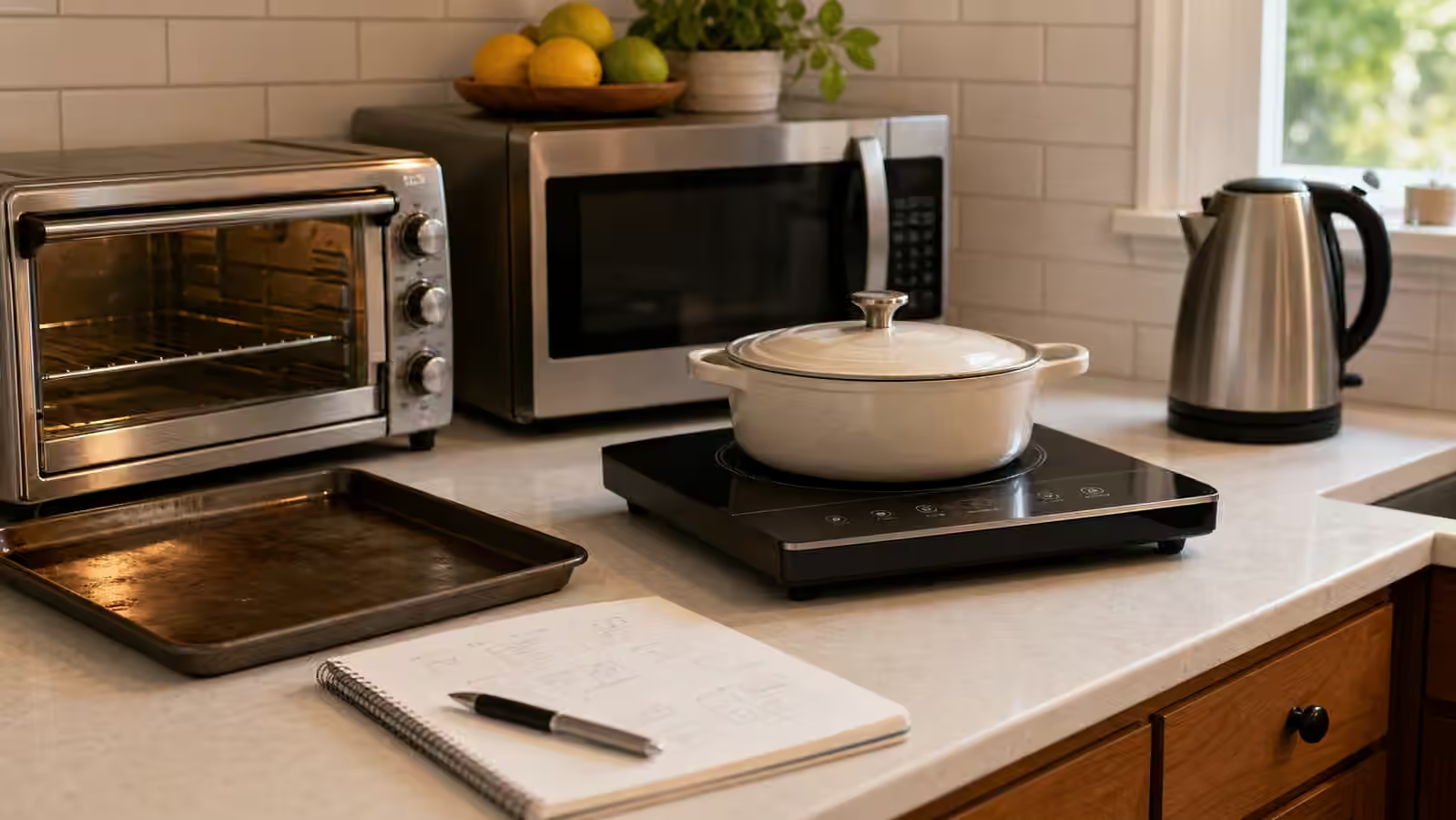
An oven is wonderful when its large cavity is actually useful. It is less elegant when it preheats for one small item while the kitchen warms up around it. A toaster oven, countertop oven, microwave, or covered pan can be a better fit for small portions because less surrounding material has to heat. A kettle can heat water directly for tea or cooking prep. A pressure cooker can reduce cook time for some foods by changing the cooking environment. None of these choices is magic. They are all ways of putting heat closer to the task.
The season changes the value of that choice. In winter, waste kitchen heat may be less annoying, though it is still not always delivered where or when the home needs it. In summer, every extra bit of heat and moisture can add to the cooling load. Window and Portable AC Energy Planning and Thermostat Schedules and Home Energy both connect here because cooking can be the event that pushes a room past comfort.
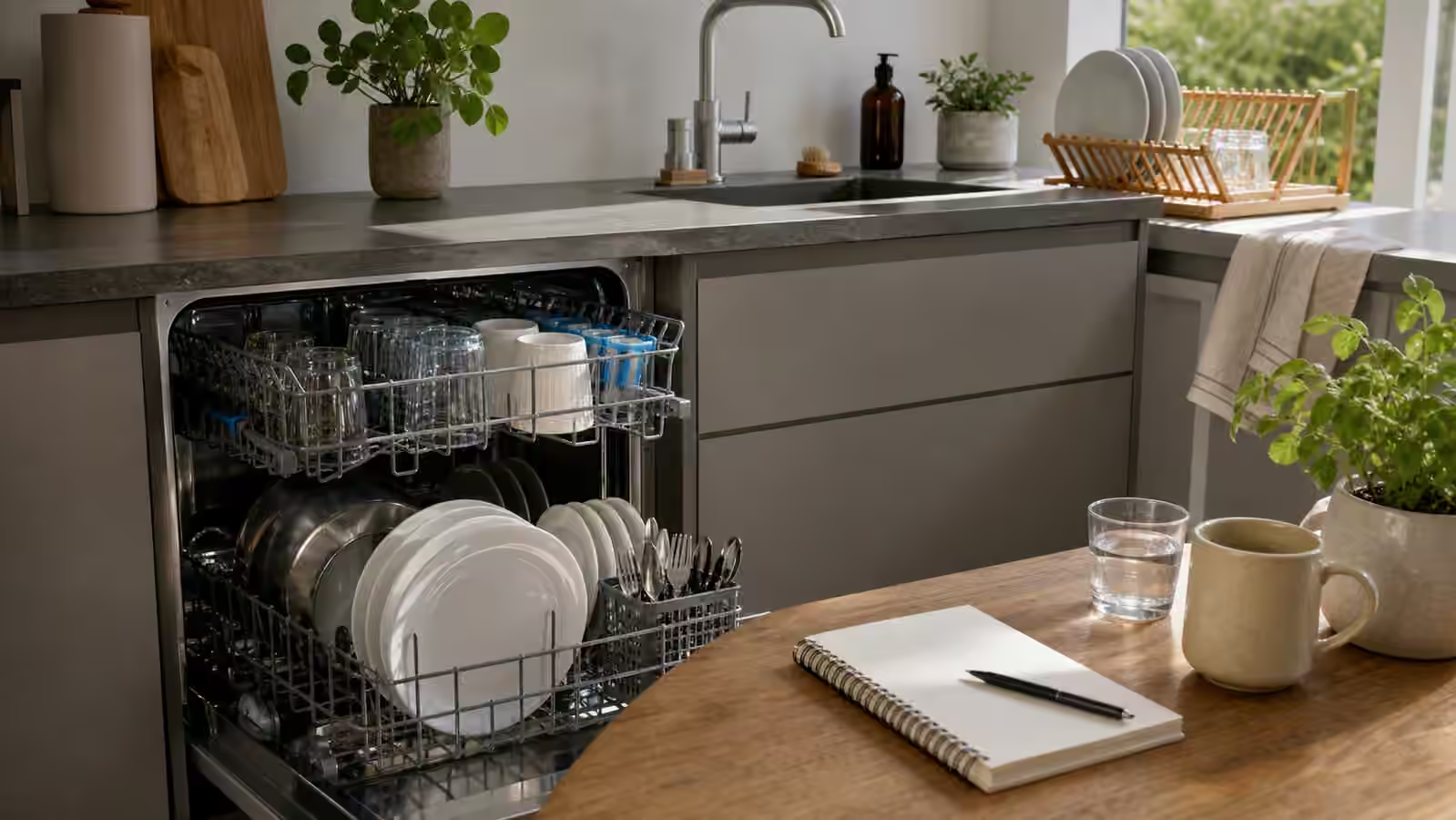
Moisture matters too. Boiling pasta, simmering soup, and running a dishwasher can add humidity. A range hood or ventilation strategy may remove some of it, but exhausting conditioned air has its own energy cost. The answer is not to fear cooking. It is to recognize that cooking is a load with heat, moisture, and timing.
Induction is part of the kitchen map, not the whole map
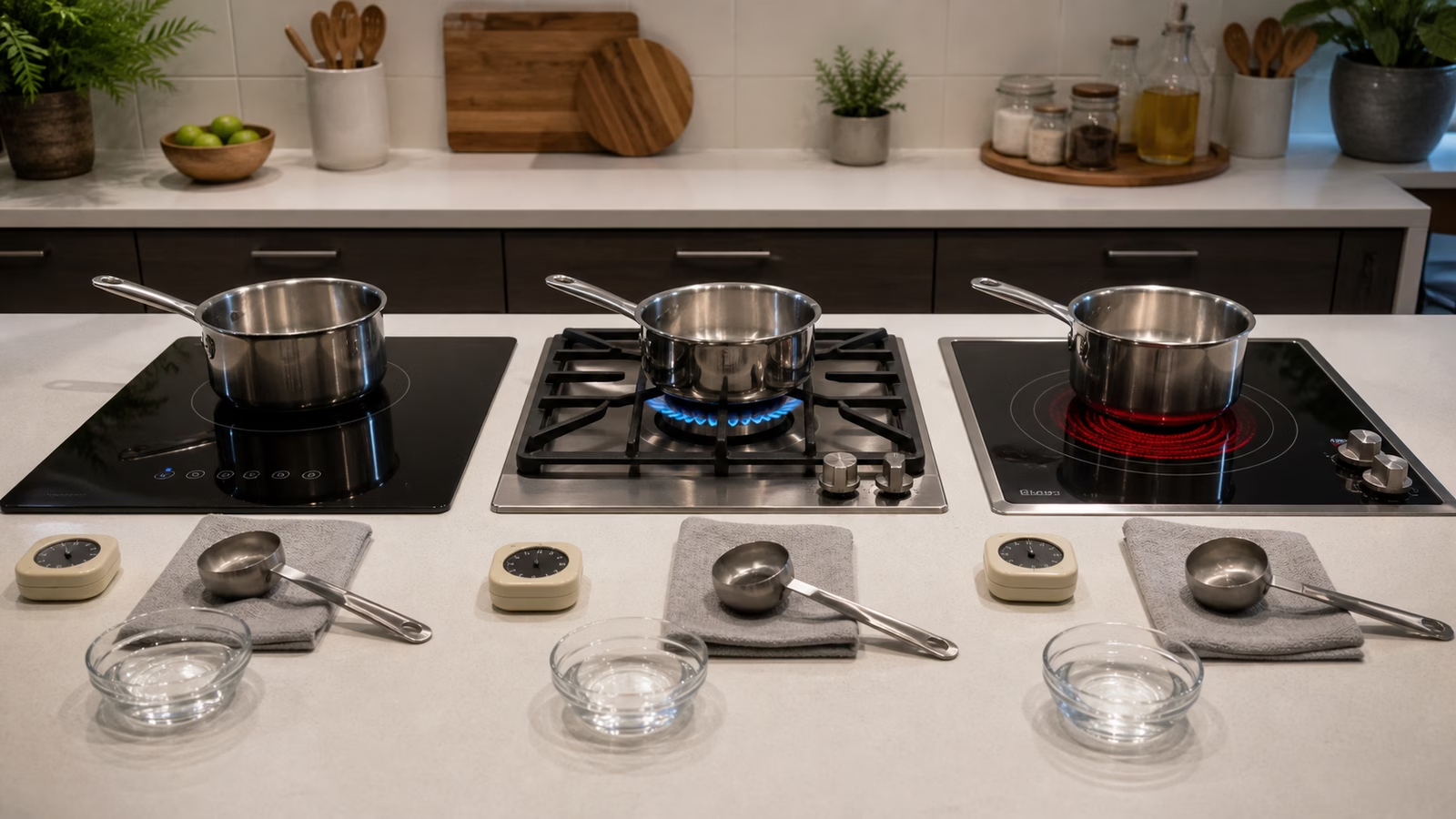
Induction Cooktop Buying Guide and Induction vs Gas and Electric cover the larger cooktop decision. This guide is about the everyday layer around that decision. An induction range can be efficient and responsive, but a microwave may still be better for reheating a single bowl. A toaster oven may still beat a full oven for a small tray. A kettle may still be the cleanest way to heat water for a cup.
Electrical capacity also matters. A portable induction burner on a normal kitchen circuit is a different planning question from a full range on a dedicated circuit. Induction Electrical Capacity explains that upgrade path. For small appliances, the practical habit is to avoid stacking several high-draw devices on the same circuit without knowing what else is running. A kettle, toaster oven, microwave, and portable burner can each be ordinary alone and annoying together if they trip a breaker.
Cookware fit changes energy too. A warped pan, uncovered pot, or burner much larger than the pan wastes heat and time. A lid is one of the simplest energy tools in the kitchen. It keeps heat and moisture where the cooking needs them. That is not a gadget recommendation; it is physics at dinner scale.
Batch work can help or backfire
Batch cooking often saves energy because the oven, pot, or appliance does useful work after it is already hot. Roasting two trays, cooking extra grains, or baking several items in one preheated oven can be sensible. But batch cooking can backfire if it creates food waste, overheats the kitchen, or requires long refrigerator and freezer storage that the household does not use well.
Refrigerator and Freezer Energy Planning belongs in this conversation. Hot food needs safe cooling before storage, and crowded refrigerators need airflow. The energy saved by one efficient cooking session is not the only concern. Food safety, storage space, and actual eating habits decide whether batch work is practical.
Timing can also help. In hot weather, cooking earlier or using smaller appliances can reduce the evening cooling burden. In homes with time-of-use rates or solar production, flexible cooking loads may sometimes shift to better hours, though cooking is less flexible than EV charging or laundry for many households. Load Shifting at Home is useful when timing choices are realistic rather than forced.
Measure the appliances that surprise you
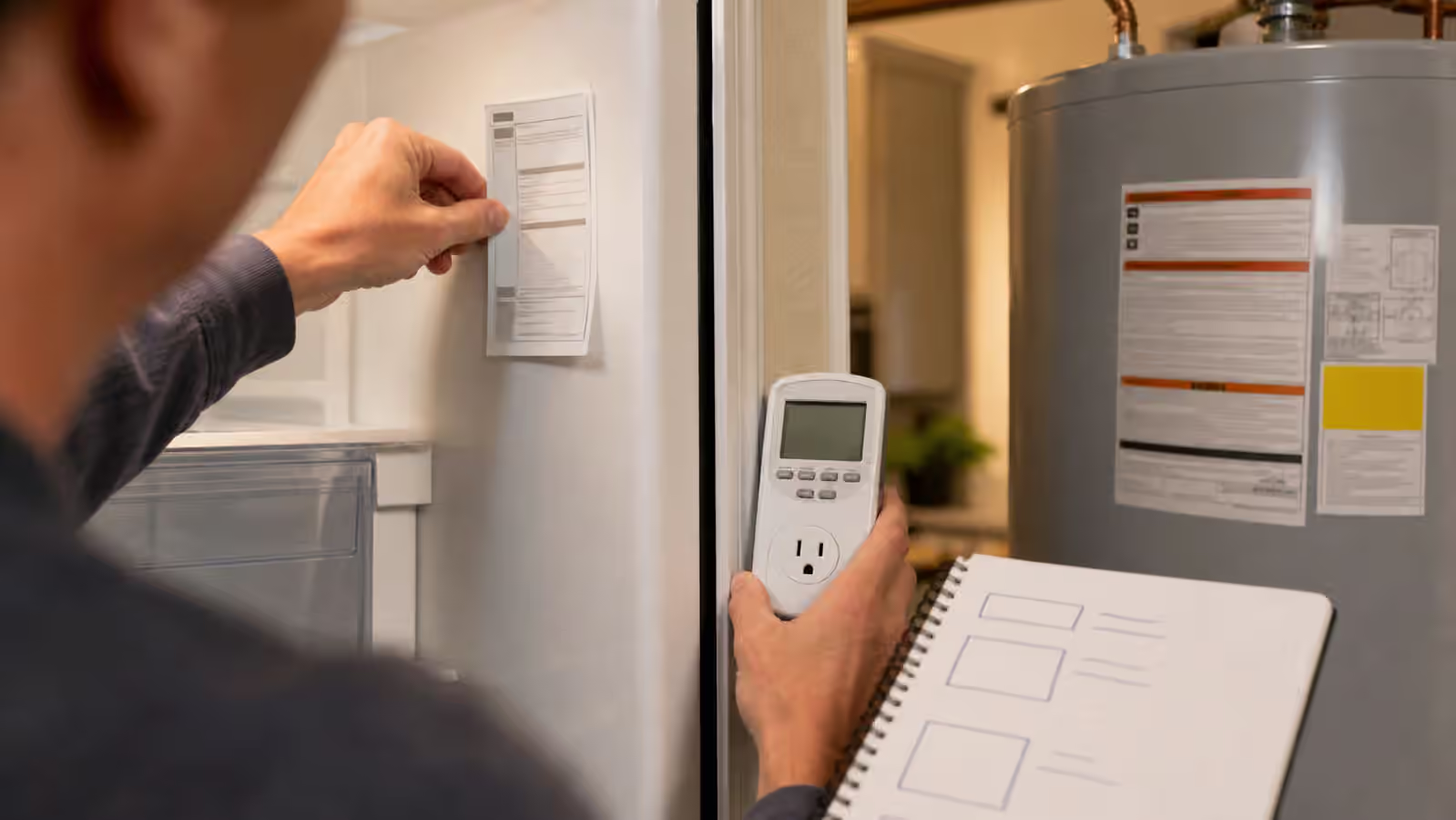
A plug-in power meter is useful for countertop appliances, especially when the household has a strong opinion about one device. Watts, kWh, and Loads explains why wattage alone is not the full story. A high-wattage kettle may run for only a few minutes. A lower-watt slow cooker may run for many hours. A toaster oven may cycle its elements. A microwave’s wall power is not the same as cooking power delivered to food.
Measurement should answer a practical question. How much does the countertop oven use for the breakfast routine? Does the rice cooker stay warm for hours after dinner? Does the coffee setup sit on a warming plate all morning? Does the second refrigerator in the garage matter more than any cooking appliance? If measurement only creates trivia, it is not helping.
Small standby loads are part of the kitchen too. Clocks, displays, smart features, chargers, and always-ready appliances can join the background load. Standby Loads and Home Office Energy is not only for desks. The same idea applies to a counter crowded with plugged-in devices that do not need to be awake all day.
Ventilation and safety set the boundary
Energy savings should not defeat ventilation, combustion safety, food safety, or manufacturer instructions. A range hood that is needed for smoke, moisture, or combustion byproducts should not be disabled because the fan uses power. A pressure cooker, microwave, toaster oven, or air fryer should be used with the clearances and cleaning the manufacturer requires. Extension cords, damaged plugs, crowded outlets, and hot appliance surfaces are not acceptable tradeoffs for a tiny energy gain.
Cooking energy planning is at its best when it stays ordinary. Use the full oven when the full oven earns its keep. Use smaller appliances when the portion is small. Use lids. Avoid long idle preheats. Keep ventilation honest. Notice summer heat. Measure the routine that seems suspicious. The kitchen does not need to become a lab bench every night, but a little attention can make it cooler, calmer, and easier on the rest of the house.