Cold weather is where heat pump planning becomes specific. A heat pump can be an excellent heating system, but it is not a slogan. It is equipment installed in a particular house, in a particular climate, with a particular envelope, duct system or room layout, control strategy, and backup plan. The colder the design conditions, the more those details matter. For background, see DOE — Energy Saver (2022): heating, cooling, and heat pumps .
Backup heat is not a sign that the heat pump idea failed. It is part of the system design in many homes. It may be electric resistance heat, an existing furnace, a boiler, a stove used under safe conditions, a second heat pump, or another source depending on the building and local practices. The important question is not whether backup heat exists. The important question is when it runs, why it runs, how much power or fuel it needs, and whether the household understands the comfort and cost implications.
Cold performance starts with sizing
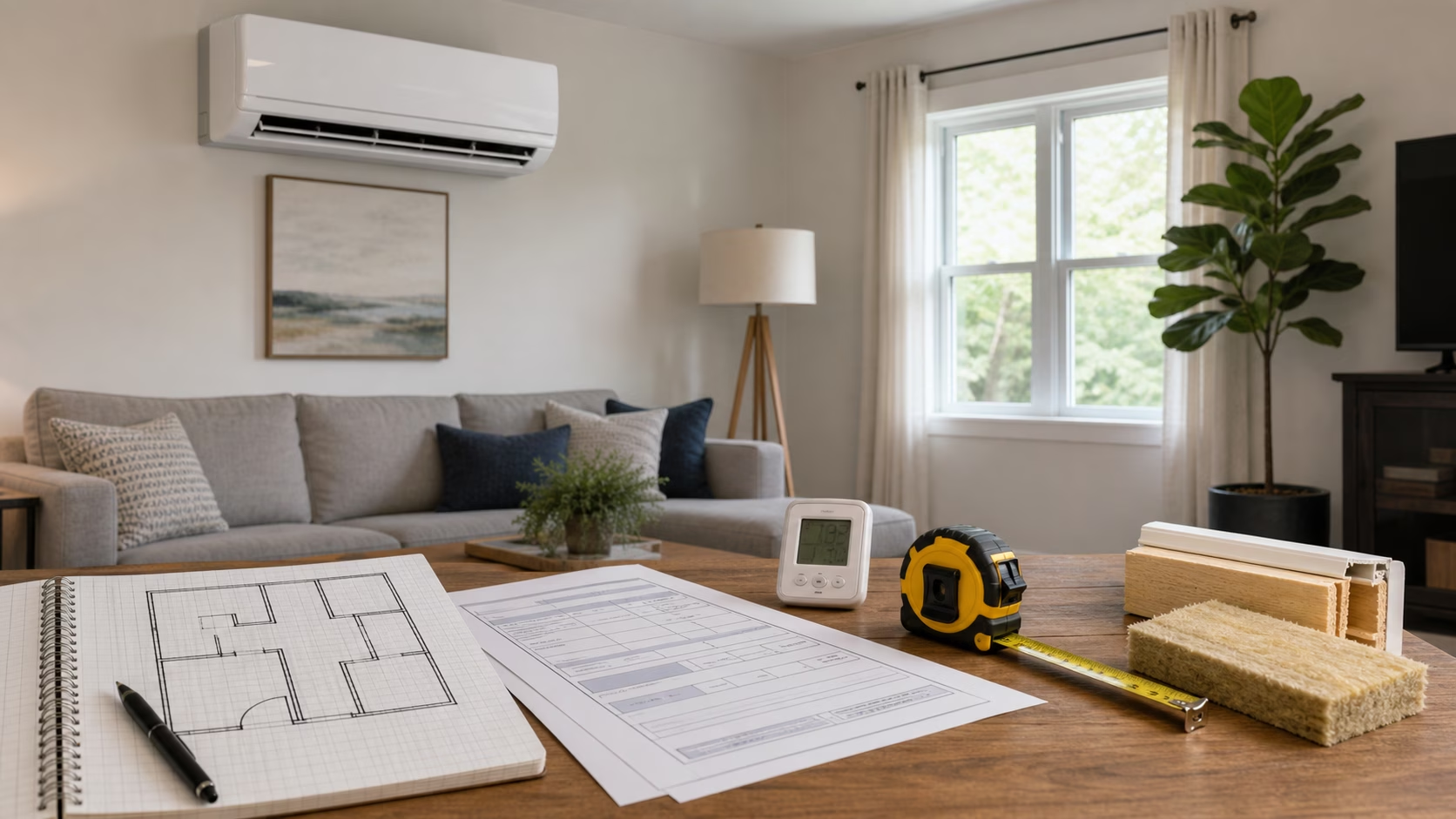
Heat Pump Sizing Basics is the right starting point because winter comfort depends on the home’s heat loss. A heat pump that is too small may lean heavily on backup heat. A system that is oversized can short cycle, cost more, or handle humidity and comfort poorly in other seasons. Sizing is not just a square-foot rule. It should account for insulation, air leakage, windows, ducts, layout, climate, and the actual rooms people use.
Weatherization can change the answer. Air Sealing and Insulation Priorities and Attic and Crawlspace Energy Priorities can reduce heat loss before equipment is selected. That does not mean every house must be fully renovated before a heat pump is possible. It means a leaky house asks more from the equipment, and that demand has to be visible during design.
The contractor conversation should include the coldest conditions the system is expected to handle and what happens below that point. Some systems are designed to carry most heating load alone down to low temperatures. Others expect backup heat more often. Both can be reasonable in the right context. The weak plan is the one where nobody can explain the balance.
Defrost is normal, but it should be understood
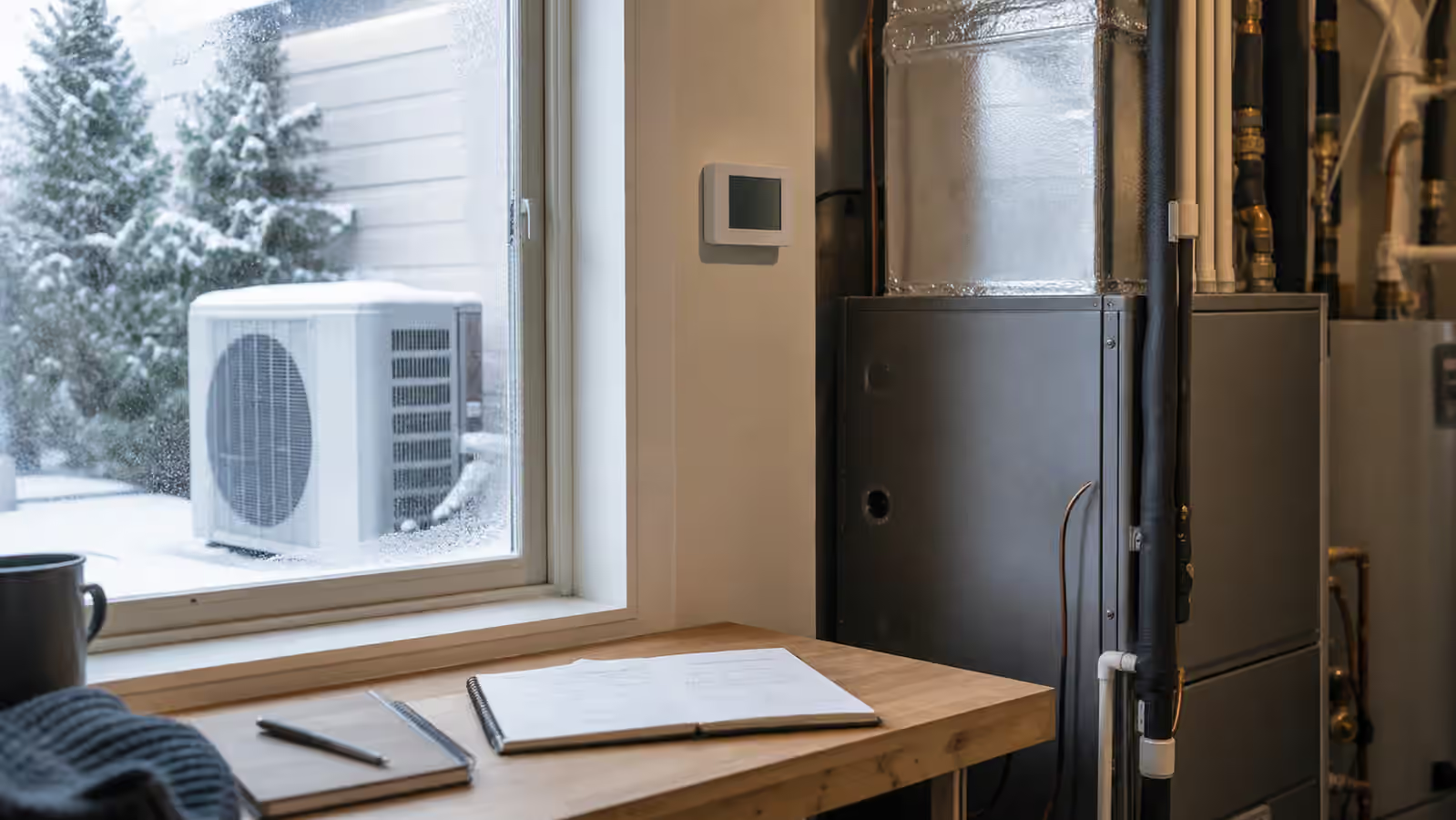
Outdoor heat pump units can collect frost in cold, damp conditions. Defrost cycles remove that frost so the equipment can keep exchanging heat. During defrost, the system’s behavior may change briefly. Air temperature at registers may feel different. Outdoor steam or water may appear. The unit may sound different. That can be normal, but it surprises homeowners who expected heating equipment to behave like an old furnace.
The practical homeowner skill is learning what normal defrost looks and sounds like for the installed system. Heat Pump Maintenance covers filters, outdoor clearance, coils, service calls, and seasonal checks. Cold-climate planning adds a winter lens. The outdoor unit needs airflow. Snow, leaves, and ice should not trap it. Drainage should not create a slick or blocked area. The system should be monitored enough that a persistent problem is not mistaken for ordinary winter behavior.
Defrost also reminds the household that heat pumps move heat rather than create it with a flame. Supply air may feel gentler than furnace air even when the room is warming properly. Comfort expectations need adjustment. A system that runs longer and steadier may be doing exactly what it should.
Auxiliary heat should not be a mystery
Auxiliary heat is the backup that comes on when the heat pump needs help or when controls call for faster recovery. In many ducted systems, that can mean electric resistance elements. Those elements can provide heat, but they may draw significant power. If they run often without a clear reason, the bill may show it. If they are required during severe weather, the panel and backup-power plans need to know that too.
Heat Pump Thermostat Controls is important here because controls decide when the system asks for help. Large setbacks can sometimes trigger auxiliary heat during recovery. Emergency heat settings can be misunderstood. A thermostat that worked well for a furnace may not be ideal for a heat pump. The homeowner does not need to program every hidden setting, but they should understand which settings are normal and which ones are reserved for a problem.
Ask the installer to explain the lockout temperatures, auxiliary heat staging, emergency heat mode, and what the thermostat will display when backup heat runs. The exact terminology varies by equipment. The evergreen need is plain language. If the household cannot tell whether backup heat is running, it cannot tell whether the system is operating as intended.
Dual-fuel systems need clear control logic
Some homes use a heat pump with a furnace or boiler backup. This can be a practical transition path, especially where the existing equipment is not ready to disappear or where very cold conditions make backup planning important. The system still needs control logic. At what outdoor temperature or operating condition does the backup take over? Does the heat pump run first? Does fuel price or comfort influence the settings? Who changes those settings, and when?
Heat Pump vs Furnace helps frame the comfort tradeoffs, but a dual-fuel installation turns the comparison into a sequence. The heat pump may handle mild and moderate cold efficiently. The backup may handle the hardest hours or recovery. If the switchover is set poorly, the system may use the wrong equipment too often. If the homeowner changes settings without understanding them, the expected savings or comfort may vanish.
This is a place for documentation. Keep the installer explanation, model numbers, settings, and service notes where they can be found. The right setting is not universal, and future service technicians need to know the design intent.
Backup heat affects electrical and outage planning
Electric backup heat can be a large load. That matters for Electrical Panel Planning Before Home Electrification because heat pumps, EV chargers, induction ranges, heat pump water heaters, dryers, and backup heat may all touch panel capacity. It also matters for Backup Power Sizing because running whole-home electric heat from a battery or portable power station is very different from backing up a refrigerator, network gear, lights, and a few outlets.
Many outage plans should treat heating separately from ordinary critical loads. A home battery may be designed to support selected circuits, not heavy resistance heat. A generator plan needs proper transfer equipment and realistic fuel expectations. A cold-climate household may need non-electric resilience measures such as safe layering, pipe protection, room consolidation, and communication plans alongside electrical backup. Those details belong in Outage Food, Water, and Communications as much as in the heat pump conversation.
The point is not to scare people away from heat pumps. It is to avoid pretending all backup loads are the same. Heat is comfort, safety, equipment design, and electrical planning at once.
Room comfort reveals design quality
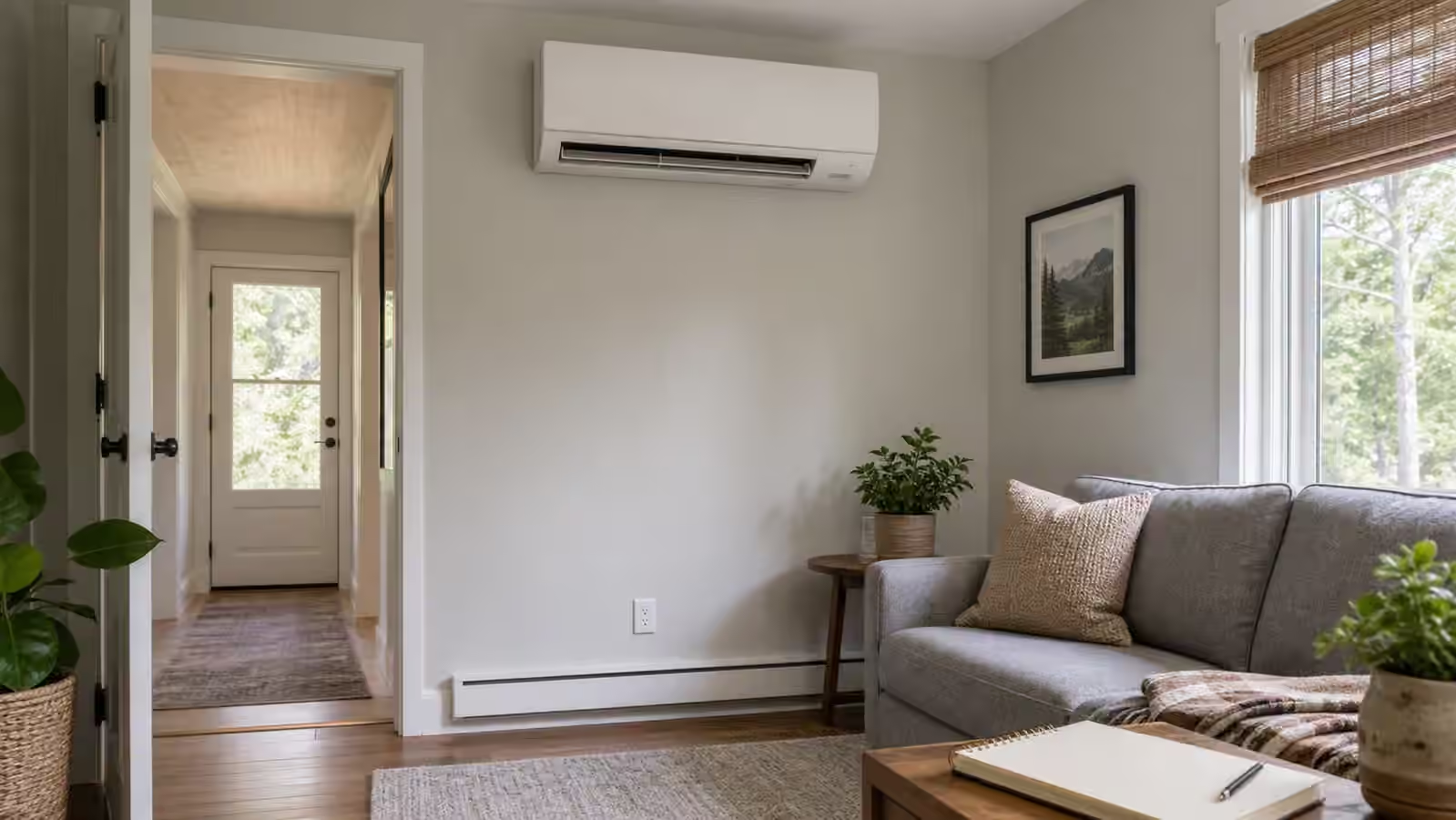
A cold-climate heat pump can be technically adequate and still leave one room disappointing. Duct leakage, poor return paths, sun exposure, closed doors, weak insulation, and bad placement can all create uneven comfort. Ductwork and Airflow for Heat Pumps and Ductless Mini-Split Placement Planning cover the air side. Cold weather exposes those details because the system has less margin.
After installation, watch room temperatures, runtime, noise, defrost behavior, and backup heat calls during ordinary cold weather before judging the system from one extreme day. Keep notes. If a room lags, the answer may be airflow, balancing, envelope work, controls, or equipment service. It is not always a reason to replace the new system.
Cold-climate heat pump planning succeeds when the hard hours have been discussed before they arrive. The homeowner knows what normal operation looks like, when backup heat should appear, how controls behave, what the panel can support, and which rooms may need follow-up attention. That knowledge makes the system less mysterious, which is a large part of making it comfortable.