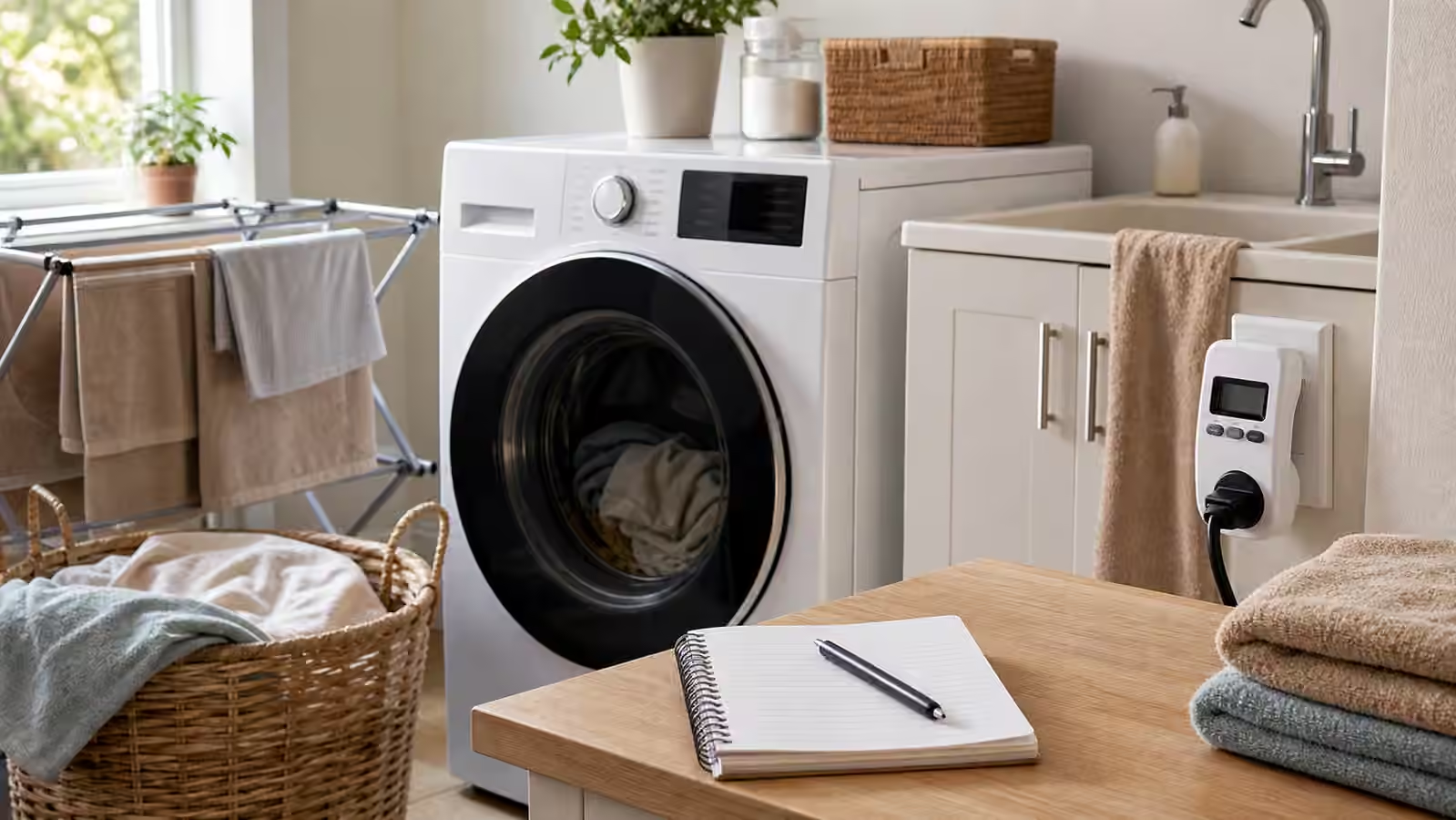
Laundry energy is often blamed on the dryer, and for good reason: drying clothes can be a large load. But the washer still shapes the whole laundry system. It chooses water temperature, fill behavior, spin extraction, cycle length, detergent conditions, and the condition of the clothes before they ever reach a dryer or rack. A washer that leaves heavy items wetter than necessary makes the next step harder. A hot-water habit can quietly move laundry energy onto the water heater. A poor schedule can stack laundry on top of cooking, bathing, EV charging, and water heating. For background, see DOE — Energy Saver (2022): laundry energy and dryer maintenance .
Clothes washer planning is not about making laundry fussy. It is about understanding the few choices that matter, then letting the routine stay ordinary. The best laundry energy plan still produces clean clothes, protects fabrics, avoids musty smells, and fits the household’s weekly rhythm. If a setting saves energy but causes rewashing, complaints, or damp piles forgotten overnight, the plan has failed in practical terms.
Water temperature connects the washer to the rest of the house
A clothes washer is partly an appliance and partly a hot-water decision. Cold cycles can reduce water-heating energy when they clean well for the load. Warm or hot cycles may still be appropriate for certain soils, fabrics, household needs, or manufacturer instructions. The energy mistake is leaving every load on a hot or warm default because nobody revisited the setting after the old washer was installed.
The water heater sees laundry as part of the same demand pattern as showers, dishwashing, and handwashing. If the home has a heat pump water heater, laundry timing may affect recovery and operating mode. Heat Pump Water Heater Planning explains why the tank, room, and schedule matter. Even with another water-heating system, laundry deserves a place in the hot-water picture because several loads in a row can create a peak that feels larger than the washer alone.
Cold washing works best when the detergent, machine, soil level, and fabric instructions agree. Some detergents are designed for cold water, while some stains or sanitation needs require other choices. This guide is not medical or fabric-care advice. The home energy habit is to make cold the ordinary option where it works and reserve warmer settings for loads that have a reason.
Load size is about movement, not just fullness
Many people try to save energy by stuffing the washer as full as possible. That can backfire. Clothes need room to move, water and detergent need to circulate, and the machine needs to balance the load. Overloading can leave clothes poorly cleaned or poorly rinsed, create vibration, reduce spin effectiveness, or lead to rewashing. Underloading can waste water and time if the machine cannot adjust well. The useful target is a real load that moves properly.
Modern washers vary widely. Some sense load size and adjust water. Some have cycles for bulky items, delicate fabrics, towels, or quick washes. Some front loaders and top loaders behave differently. The manual is worth reading because the machine’s idea of a full load may not match a person’s instinct. A blanket, towels, jeans, and small garments all behave differently in the drum.
Balance matters for energy because a washer that cannot spin well sends more water into the drying step. A high-speed spin can remove more water mechanically than a dryer can remove with heat, but it must be appropriate for the fabric and machine. If high spin leaves clothes tangled or damages delicate items, it is not the right setting for every load. For towels, sheets, and sturdy fabrics, spin extraction can be one of the simplest ways the washer helps the dryer.
The dryer connection starts before drying
Heat Pump Dryer Planning focuses on the drying side, but the washer sets the stage. Wetter clothes require more drying time, whether the dryer is vented, condensing, heat pump, or the clothes are hung on a rack. A good spin cycle can reduce the energy and time required later. A poor spin cycle can make even an efficient dryer feel slow.
Drying racks and line drying also connect back to the washer. Clothes that are spun well dry faster and release less moisture indoors. Indoor drying may be reasonable in some homes and seasons, but it can add humidity. A basement, laundry closet, or small apartment may need ventilation awareness. Dehumidifier Energy Planning is relevant if laundry moisture is one of the reasons a dehumidifier runs.
The whole laundry system should be judged together. A cold wash with strong spin and patient drying may be efficient. A quick wash that leaves clothes wet and sends them into a long heated dry may not be. A delicate load may require gentler treatment. Energy planning should not flatten laundry into one rule for every fabric.
Timing is a flexible load opportunity
Laundry is often schedulable. That makes it useful in a home with solar, time-of-use pricing, battery controls, or a general desire to avoid stacking large loads. Washing during a sunny midday period may fit a solar home. Spacing laundry away from showers may help hot-water recovery. Avoiding the exact same window as EV charging, cooking, and water heating may make the whole house easier to manage.
Load Shifting at Home is helpful because it keeps scheduling grounded in real life. A laundry schedule that creates sour clothes in the washer is not a success. A delayed start that wakes someone with spin noise is not a success. A plan that requires someone to babysit every cycle will fade. The best shift is usually modest: run laundry when someone can move it along, when the water heater has room to recover, and when the home’s other large loads are not all asking for attention.
Laundry is usually not an outage load. During a short outage, it can wait. During a long disruption, clean clothing may matter, but washing and drying with backup power is often a low priority compared with refrigeration, communication, lights, pumps, medical equipment where applicable, and basic comfort. If a permanent backup system happens to cover the laundry circuit, the household should still know whether using it is wise. Outage Priority List helps keep that choice from becoming emotional in the moment.
Maintenance keeps the routine from wasting energy
Washers need ordinary care. Filters where present, door gaskets, detergent drawers, hoses, drain behavior, leveling, and ventilation around the machine all matter. Too much detergent can cause residue and rinsing problems. Leaving the door closed on a damp front loader can encourage odors. Ignoring vibration can damage the machine or floor. A washer that smells bad, drains slowly, or fails to spin correctly is not operating as an energy plan.
Hoses and water connections deserve respect. Old hoses, leaks, kinked lines, and questionable shutoffs can create water damage. A pan, drain, leak sensor, or accessible shutoff may be appropriate depending on the location, but the details depend on the home. Water safety is part of appliance planning because the cheapest energy is not helpful if the laundry room floods.
Add the washer to Whole-Home Energy Map if laundry is a significant routine, if hot-water timing matters, or if the home is planning new appliances. Record the usual cold setting, exceptions for warmer loads, spin habits, and drying connection. Once those choices are visible, laundry becomes less mysterious. The washer stops being a box with too many buttons and becomes a small set of household decisions: water temperature, movement, spin, timing, and care.