A clothes dryer is a simple machine to use and a surprisingly easy machine to misunderstand. Wet fabric goes in, warm air moves through it, moisture leaves, and the load ends when the clothes are dry enough. When drying gets slow, people often blame the appliance first. Sometimes the dryer is old or failing. Just as often, the problem is airflow, lint, vent routing, load size, washer spin speed, or a sensor that cannot read the load well. For background, see DOE — Energy Saver (2022): heating, cooling, and heat pumps .
Dryer energy planning starts before shopping. A new dryer connected to a crushed, clogged, or overly long vent can inherit the same waste. A heat pump dryer can avoid a conventional vent, but it has its own workflow and maintenance needs. A drying rack can save energy, but only if humidity and household space make sense. The useful question is not which drying method sounds virtuous. It is how moisture leaves the laundry in this particular home.
Airflow is the hidden work
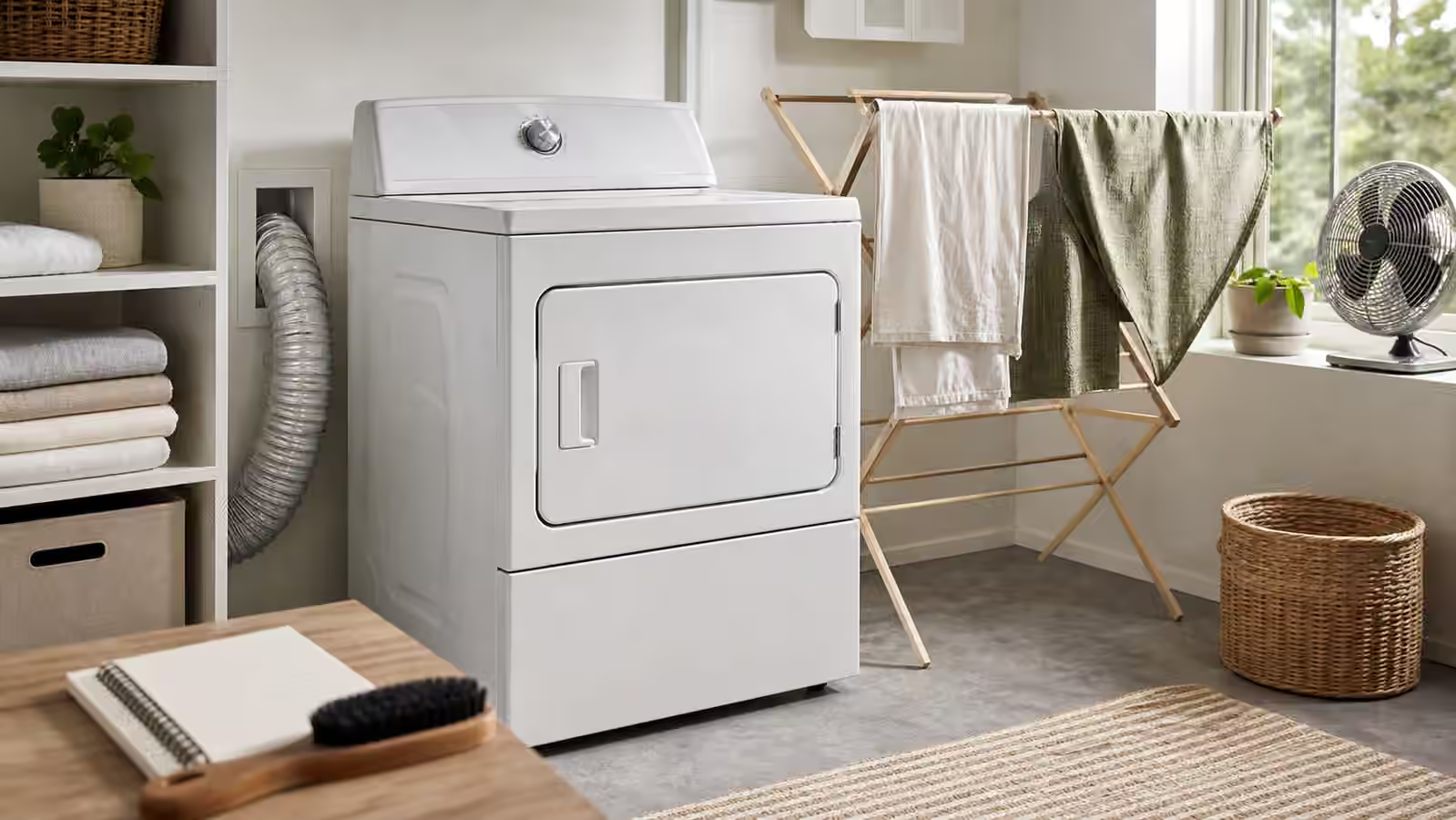
A conventional vented dryer needs a clear path for moist air to leave the house. The lint screen is only the first stop. Air then moves through the dryer body, transition duct, wall duct, exterior termination, and any turns or long runs along the way. Every restriction makes drying slower and can create maintenance or safety concerns. A dryer that used to finish in one cycle and now needs two is asking for attention.
The homeowner’s safe inspection starts with visible, accessible clues. Clean the lint screen every load. Look behind the dryer for crushed transition duct, kinked foil, loose connections, or lint buildup. Check whether the exterior vent hood opens when the dryer runs. Notice whether the laundry room gets unusually hot or humid. If access is difficult, the vent route is long, or there is heavy buildup, professional cleaning or repair may be the right move.
This is energy work because time is energy. A restricted dryer may run longer, heat the laundry room, and still leave towels damp. It can also make sensor dry behave poorly because the load dries unevenly. Before replacing the appliance, it is worth making the air path visible. Seasonal Home Energy Maintenance Calendar belongs here because dryer vent checks are easy to forget until the machine starts wasting hours.
The washer changes the dryer load
The dryer receives whatever the washer leaves behind. A washer with a strong spin cycle can remove more water mechanically before drying begins. A gentle spin, overloaded washer, or tangled load can leave fabric wetter than necessary. Clothes Washer Energy Planning covers water temperature and spin behavior, but the dryer is where those choices become obvious.
Load size also matters. A packed dryer cannot tumble well, so warm air has trouble reaching all surfaces. A tiny load may tumble but waste the heated drum volume. Mixed fabrics dry at different rates, which can fool people into running a full cycle because one heavy item is still damp. Towels, jeans, sheets, and synthetic exercise clothes do not behave alike. Separating loads by drying behavior is not fancy optimization. It is basic moisture management.
Sensor dry is useful when the sensor has a fair chance to read the load. If a load is too small, too tangled, or made of mixed items that contact the sensor unevenly, the result may be damp clothes or over-drying. Timed dry can be better for some awkward loads, but it can also hide a vent problem by making long runs feel normal. The best habit is to notice what changed. If every load needs more time than it used to, the cause is probably not suddenly all the fabrics.
Drying racks are not free in every room
Air drying saves dryer energy, but the moisture still goes somewhere. In a dry climate or a well-ventilated laundry area, a rack can be a quiet win. In a damp basement, crowded apartment, or room with poor airflow, it can raise humidity and create a different comfort problem. Dehumidifier Energy Planning is relevant when laundry drying becomes one of the reasons a basement dehumidifier runs for hours.
A rack works best when air can move around the fabric. Clothes bunched tightly together dry slowly. A small fan can help, but that fan still uses energy and should be placed safely away from water and tripping hazards. Sun, outdoor air, and indoor ventilation all change the equation. The point is not to make one rule for every household. It is to recognize that drying is the removal of water, not the absence of a machine.
Some garments last longer with gentler drying. That is a good reason to use a rack even when the energy savings are modest. But when the home is already fighting humidity, air drying large loads indoors may not be the first choice. Good energy planning includes the room, not only the appliance.
Heat pump dryers change the tradeoff
A heat pump dryer does not send a stream of conditioned indoor air outdoors through a conventional vent. It recycles heat and removes moisture through a different process, often using less energy than a resistance dryer. That can be attractive in homes where venting is difficult or energy use is a priority. It can also change expectations because cycle times, lint filter routines, water collection or drain setup, and load feel may differ from a conventional dryer.
Heat Pump Dryer Planning goes into those details. The important connection here is that a heat pump dryer is not a magic answer to poor laundry habits. Overloading, failing to clean filters, ignoring installation clearances, or putting the unit in a room that does not suit it can still create frustration. It solves the vented-air problem by using a different design, not by removing moisture from reality.
For a household choosing between repairing a vented dryer, improving the vent, or moving to a heat pump dryer, the existing vent condition is evidence. A short, clean, accessible vent may make a conventional dryer easier to live with. A long, awkward, repeatedly clogged vent may make a ventless option more appealing if the space and workflow fit.
Make the first fix visible
The first fix should be something you can observe. Clean the lint path you can safely access, correct an obvious crushed transition duct with appropriate materials, try a stronger washer spin when fabric allows, reduce load crowding, or separate heavy towels from light clothes. Then watch drying time for normal loads. If the improvement is clear, the problem was probably not the appliance alone.
If nothing changes, deeper inspection may be needed. A blocked wall duct, failed moisture sensor, weak heating element, poor makeup air, or installation issue can sit beyond casual observation. That is when service makes more sense than repeated guessing.
Dryer energy is not only about buying a more efficient box. It is airflow, water removal, fabric behavior, humidity, and maintenance. Once those are visible, laundry becomes less mysterious. The load either has a clean path to dry or it does not, and that answer is more useful than another frustrated cycle.