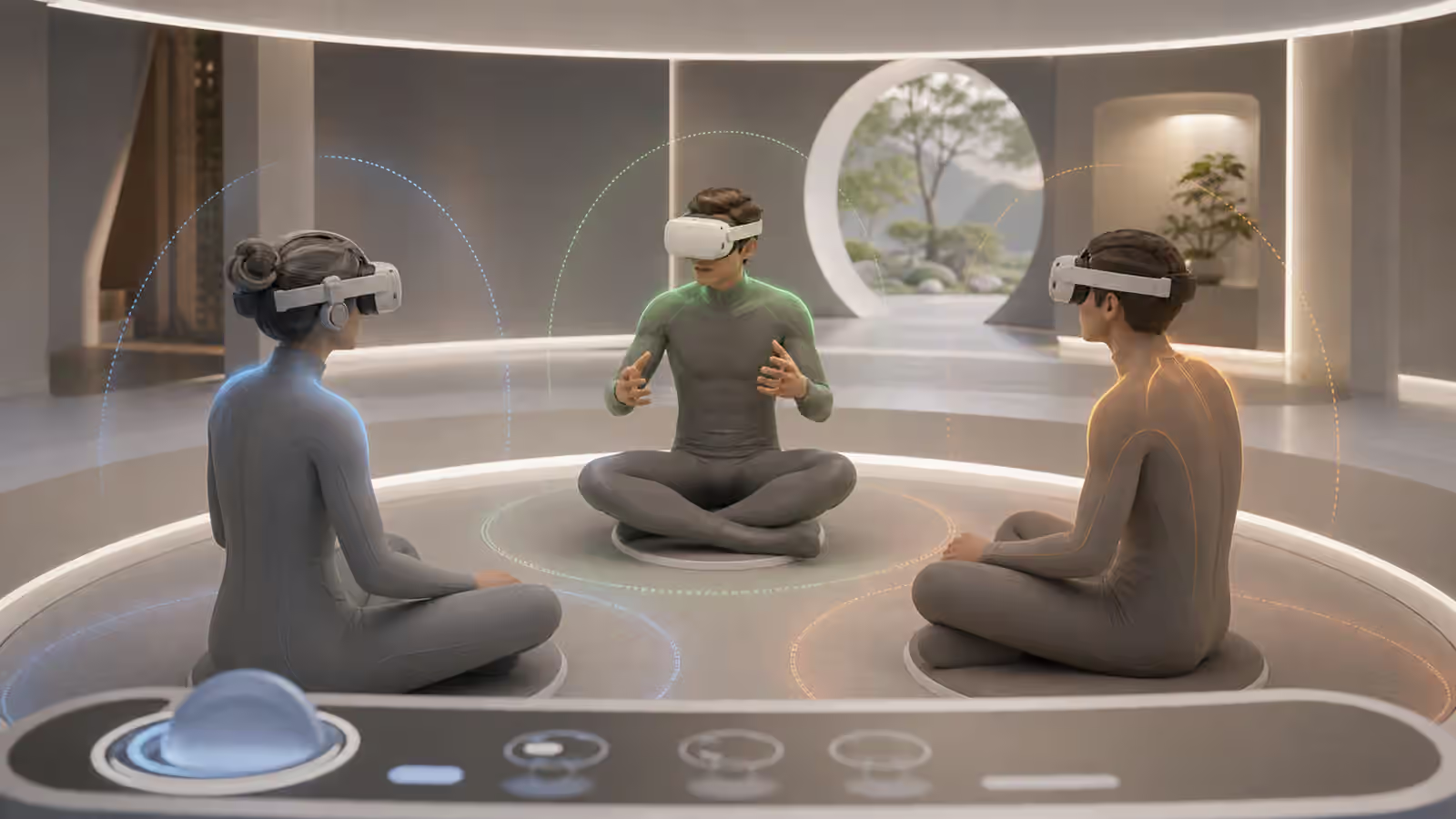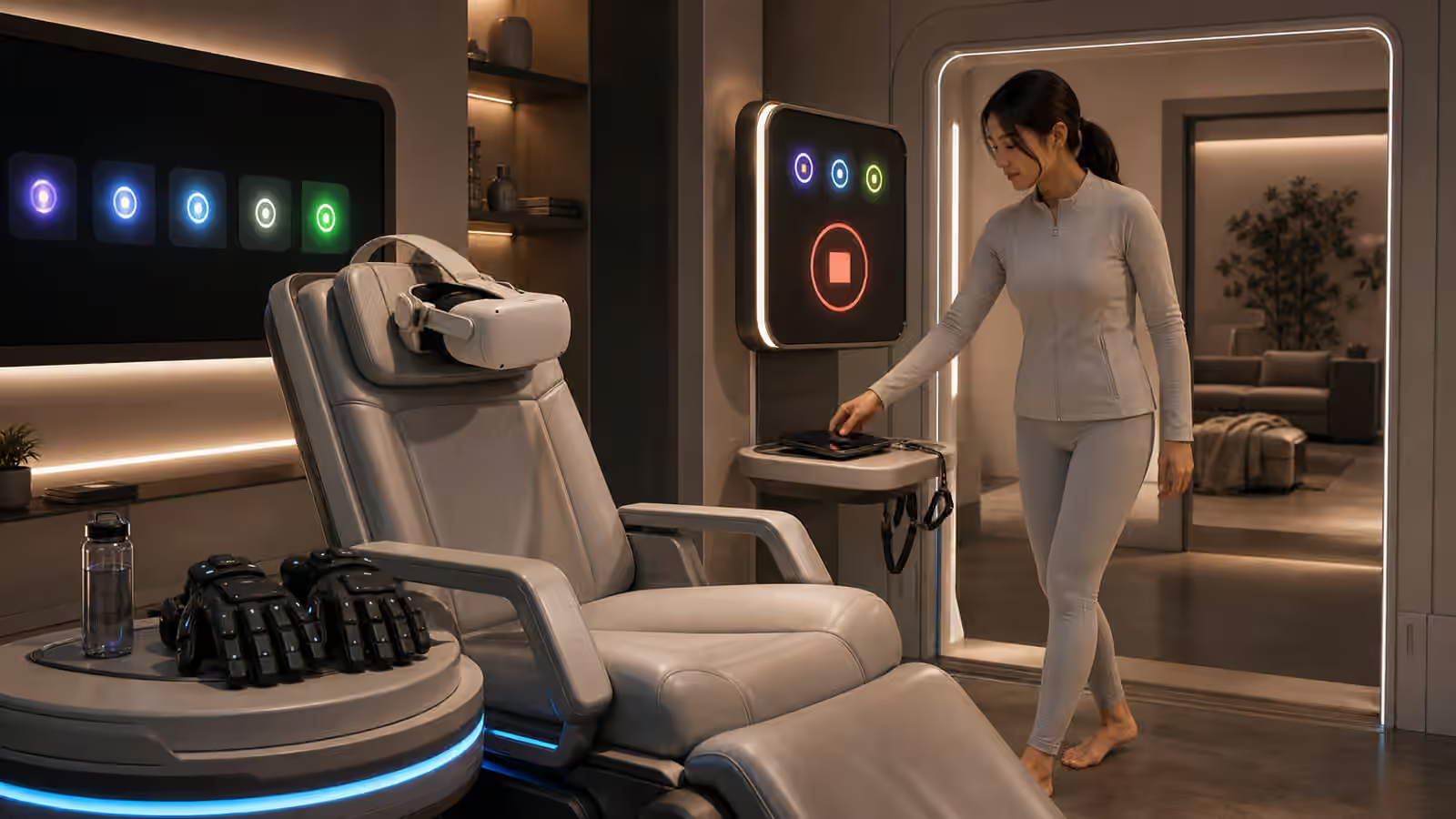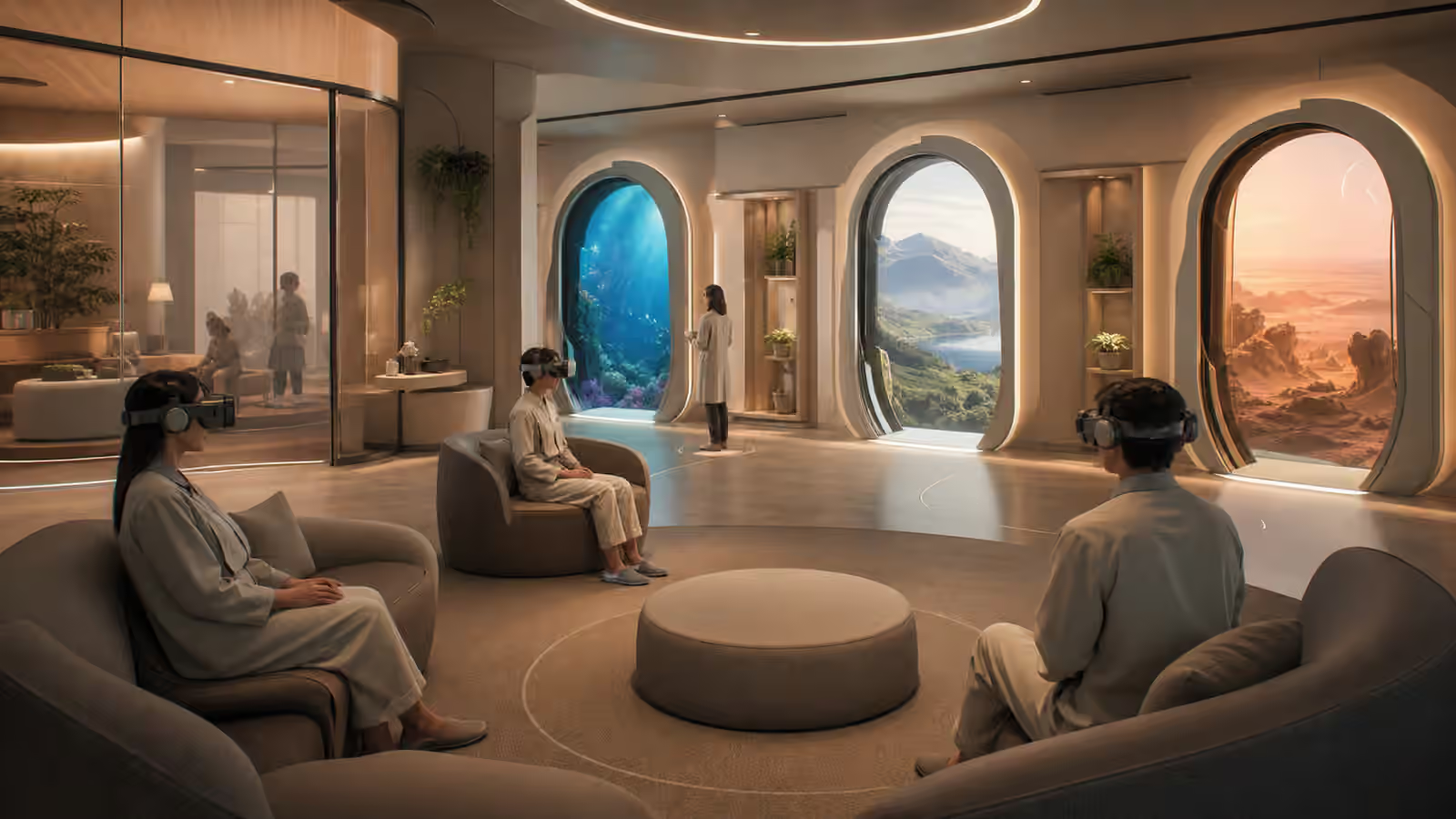
The fantasy version of full dive VR usually begins with a clean cut. The user is here, then they are there. The room disappears, the world arrives, and the story starts as if crossing that boundary were effortless. A real system would need something less dramatic and more humane. It would need a threshold.
A threshold is not only a loading screen with better furniture. It is the space where the user understands what kind of world they are about to enter, what the world is allowed to do, who else may be present, how intense the senses may become, and how easy it will be to leave. In a medium that might touch the body model, social presence, memory, and attention at the same time, the in-between spaces deserve as much design care as the destination.
Onboarding and First-Session Pacing in Full Dive VR focuses on the first encounter with the system. Thresholds are the repeat version of that same care. Every session needs a place to slow down before immersion becomes convincing.
The Space Before Entry Carries Consent
Consent is weaker when it is rushed. A user who is already inside a vivid world may be surrounded by social expectation, narrative momentum, sensory pressure, or the simple desire not to interrupt everyone else. A threshold gives consent a quieter setting. The user can decide before the room starts asking for performance.
That does not mean the threshold should become a wall of legal language or settings pages. Full dive permissions should be readable as part of the experience. A quiet lobby can make it clear that this session includes shared touch, that another person will be present, that the world records certain events, or that a training scenario contains strong motion. The important part is not decorative disclosure. The important part is giving the user a moment in which refusal still feels easy.
Permission Boundaries in Full Dive VR explains why a world should not treat sensory access as a blank check. A threshold is where those permissions can be made concrete. The user should feel that the world is asking to approach, not assuming it has already been invited.
Waiting Is Not Empty Time
In ordinary software, waiting often feels like waste. In full dive VR, waiting can be a safety feature. The minute before entry can let the system check calibration confidence, local room conditions, interruptions, and the user’s attention. It can also let the user notice ordinary signals from the body before those signals become harder to read inside a more intense environment.
This kind of waiting should be designed with dignity. A person should not feel trapped in an airport queue for the nervous system. The space can be calm, familiar, and lightly responsive. It can show the user’s chosen body in a stable form, confirm the intended world, soften outside noise without hiding urgent sounds, and provide a clean path back to the ordinary room.
Pre-Session Readiness Checks in Full Dive VR belongs close to this idea. Readiness checks become less intrusive when they are housed in a threshold that already feels like part of the session. The system is not interrupting the magic. It is making sure the door opens only when the person is ready to cross it.
Lobbies Should Reduce Social Pressure
Shared worlds make thresholds harder. A friend may already be inside. A class may be waiting. A work meeting may have started. A public event may make late arrival visible. If the lobby is designed mainly to accelerate entry, it can turn readiness into a social obligation. The user may enter because leaving would be embarrassing.
A better lobby separates presence from pressure. It can let others know that someone is preparing without showing private hesitation. It can offer a quiet joining state rather than dropping a newcomer into the center of attention. It can let a user review who is present before voices arrive close to the ear. It can make private exit as normal as entry.
Shared Worlds in Full Dive VR treats multiplayer immersion as a boundary problem, not only a network problem. The lobby is the first boundary. It should give people ways to approach each other gradually, especially when voice, gaze, proximity, and touch may feel more personal than they do on a flat screen.
Transitions Need a Body Rhythm
The body does not always like abrupt changes in place, motion, or identity. A full dive threshold can help by shaping the rhythm of entry. The system might begin with a familiar body, a stable floor, soft sound, and low sensory detail. Then it can introduce the destination in layers. The user hears the space before standing in it, feels the temperature before the scene becomes crowded, or tests movement before the world asks for speed.
This gradual entry is not only for cautious users. It gives the system a chance to detect mismatch. If timing is wrong, posture has shifted, or the user’s response suggests discomfort, the threshold can hold the session before the world becomes socially or narratively complicated. Latency, Drift, and Trust in Full Dive VR makes the case that small mismatches can become trust problems. Thresholds are where many of those problems can be caught quietly.
The same rhythm matters on return. A world that has a thoughtful entrance but a careless exit is still unfinished. Comfort and Reorientation in Full Dive VR explains why coming back should be designed. The threshold should be present at both ends, so the user can leave intensity without feeling dropped.
A Threshold Can Teach the Rules of a Place
Good thresholds do not lecture. They let the user read the room. A private memory archive should not open like a public market. A training simulator should not open like a social lounge. A memorial space should not open like a game lobby. The shape, distance, sound, lighting, and pace of the threshold can tell the body what kind of attention is being requested.
This is especially important when worlds are authored by different creators. World Authoring for Full Dive VR argues that creators need to think about sensory budgets and return paths. A threshold can make those authorial choices visible before the user is immersed in them. The world can announce its terms through design rather than surprise.
The threshold can also protect the destination from becoming overloaded with explanations. If the user has already understood the basic permissions, intensity, social context, and exit route, the world itself can begin more naturally. The result is not less immersion. It is immersion that has earned the right to begin.
The Exit Should Be Visible From the Entrance
One test for a full dive threshold is simple: can the user understand how to leave before they enter? The answer should not depend on remembering a hidden command, trusting a synthetic guide, or waiting for someone outside the system to notice discomfort. A dignified exit should be part of the architecture.
The Room Outside the World makes the physical version of this argument. Full dive does not erase the ordinary room. It depends on it. Threshold design should keep that relationship honest. The user is not abandoning the outside world. They are visiting another one with a known path back.
When thresholds are handled well, they may seem modest. No one may praise the waiting room after the session. That is fine. The threshold has done its work when the user enters without being hurried, leaves without being trapped, and understands that every believable world begins with permission.