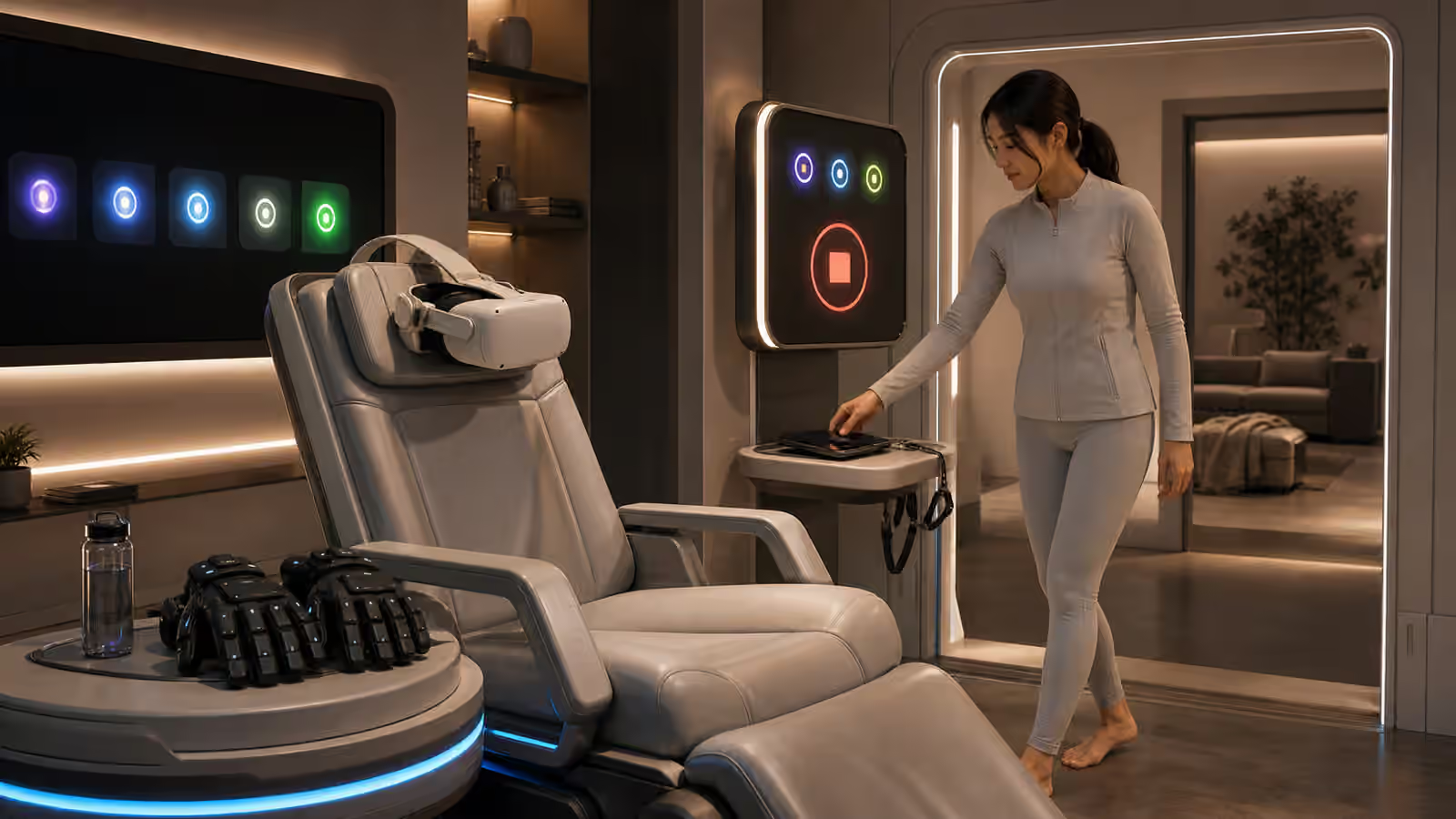
A full dive session should not begin the moment a device is available. It should begin when the person, room, world, and support plan are ready enough to deserve attention. That distinction matters more as immersion deepens. A headset session can be paused clumsily and resumed after a doorbell or a tired moment. A believable full dive system would ask for more of the body, more of the senses, and more trust during entry.
Onboarding and First-Session Pacing in Full Dive VR covers the first encounter with a system. Readiness checks belong to the ordinary sessions that come after that. The user may know the chair, the calibration room, and the world they plan to enter, but familiarity can hide small changes. A person can be underslept, hurried, emotionally loaded, dehydrated, overstimulated, distracted by a waiting message, or uncertain about how long they can be unavailable. None of those conditions automatically forbids immersion. They simply change what a humane system should ask before it takes the foreground.
Entry Is a Threshold, Not a Button
Good readiness design treats entry as a threshold. The user is still in ordinary space, still able to notice the room, still able to talk to someone nearby, and still able to decide that now is not the moment. The system should use that threshold well. It can confirm the planned duration, remind the user what kind of experience is about to begin, surface any unusual sensory intensity, and make the exit path visible before the world becomes persuasive.
This does not need to feel like bureaucracy. A repeat-session check can be quiet and brief when nothing important has changed. The key is that the system should not assume yesterday’s consent, energy, or environment is still true. If the user entered a demanding shared world after a hard conversation, or chose a fast locomotion scene after a poor night of sleep, the system should at least make that mismatch legible.
The most useful checks are not moral judgments. They are friction at the edge of risk. They ask whether the person can give attention, whether the physical body is settled, whether someone might need them soon, and whether the planned experience matches their current capacity. A system that lets a person choose a gentler route is not being paternalistic. It is preserving agency before the environment becomes harder to resist.
Attention Has a Physical Side
Full dive VR often sounds like a purely mental destination, but attention is carried by a body in a room. The user may need water nearby. They may need a better chair angle, a bathroom break, a medication reminder they manage separately, a household agreement, or a few minutes to settle after rushing in. The system should avoid pretending that the body disappears because the world feels vivid.
Sleep, Rest, and Recovery in Full Dive VR explains why fatigue cannot be an afterthought. Readiness checks are the front half of that same concern. If the user is already tired, a session may need a shorter arc, lower sensory density, slower reentry, or a clear commitment not to drift into another chapter. If the user is alert but emotionally stretched, the issue may not be sleep at all. It may be the kind of scene, the social setting, or the amount of intensity they are about to invite.
A careful system can ask without trying to diagnose. It can offer self-report controls, recent-session context, and a plain reminder that lowering intensity is allowed. It should avoid claiming to know the user’s inner state from a few body signals. A readiness check works best when it gives the user a mirror, not a verdict.
The Room Still Has a Vote
The physical room should be part of readiness. Doors, pets, children, partners, smoke alarms, deliveries, cooking, appliances, and shared equipment can all pull the user back. Physical Interruptions and Attention Handoff in Full Dive VR looks at what happens during interruption. Pre-session design asks what can be handled before interruption becomes abrupt.
The room does not need to become sterile. It needs to be honest. If someone else may need access, the system should know how to hand attention back. If the user is responsible for a real-world task soon, the planned duration should not be allowed to blur. If a household member can pause the session, that power should be visible before entry rather than discovered in a tense moment.
This is also where privacy begins. A shared home full dive setup may be safe physically but awkward socially. The user may not want a family member to see the destination, session title, reentry notes, or emotional intensity. A readiness screen should separate safety visibility from unnecessary disclosure. The person outside may need to know that the user is unavailable for twenty minutes. They do not need to know every reason.
Consent Needs Fresh Edges
Many immersive worlds will rely on saved preferences. Saved preferences are useful, but they are not fresh consent. A person may generally allow social touch, strong sound, memory capture, synthetic companions, or spectator access and still refuse those things today. The readiness moment is where a world can ask, with enough context for the answer to matter.
Permission Boundaries in Full Dive VR argues that a world should know what it is allowed to do. A pre-session check should show the most important permissions in ordinary language. If the session will record a replay, invite other people, use a remembered synthetic guide, increase haptic intensity, or carry purchases into a persistent world, those facts belong at the threshold.
Fresh consent is not the same as endless prompts. Too many prompts teach people to click through. The better pattern is meaningful change. If today’s session differs from the user’s usual pattern, the system should say so. If nothing has changed and the user has a stable routine, the check can stay brief. Respecting consent means respecting attention too.
Readiness Should Include the Way Out
Entry should always include exit. The user should know how to pause, how to leave, what happens to other participants, what data is kept, and how reentry will feel. Comfort and Reorientation in Full Dive VR treats coming back as part of the experience. A readiness check treats coming back as part of the agreement.
This is especially important for worlds that are emotionally rich or socially sticky. A user may be entering a memorial room, a difficult training scene, an intimate conversation, or a competitive environment. The system should make the exit path feel ordinary before it is needed. Leaving should not feel like failure. Lowering intensity should not feel like spoiling the world for everyone else. Pausing should not require a public explanation.
The best readiness checks would become almost invisible because they fit the rhythm of use. They would not make full dive feel fragile. They would make it feel trustworthy. They would remind the user that the world is waiting, but the person at the threshold still comes first.