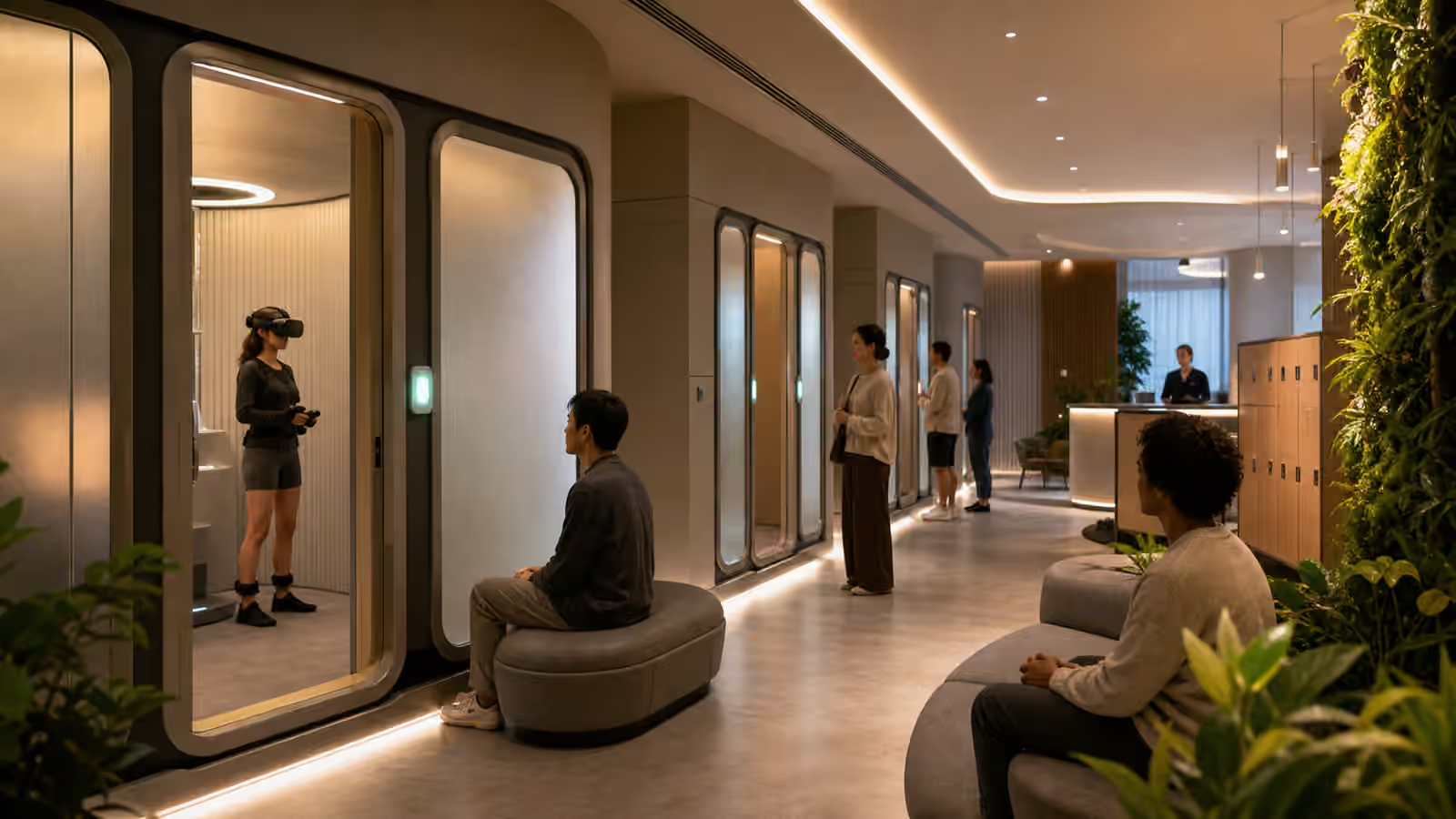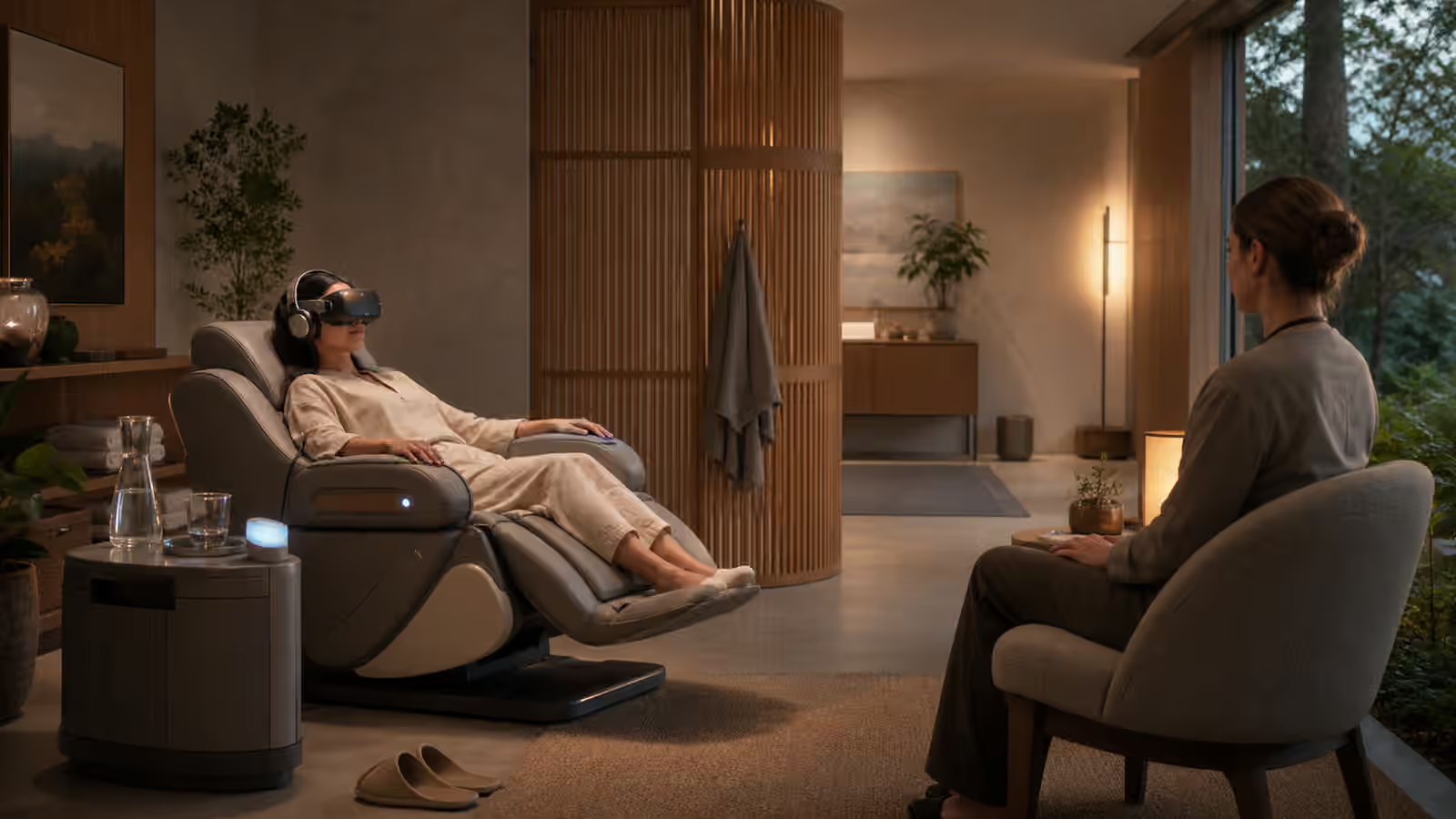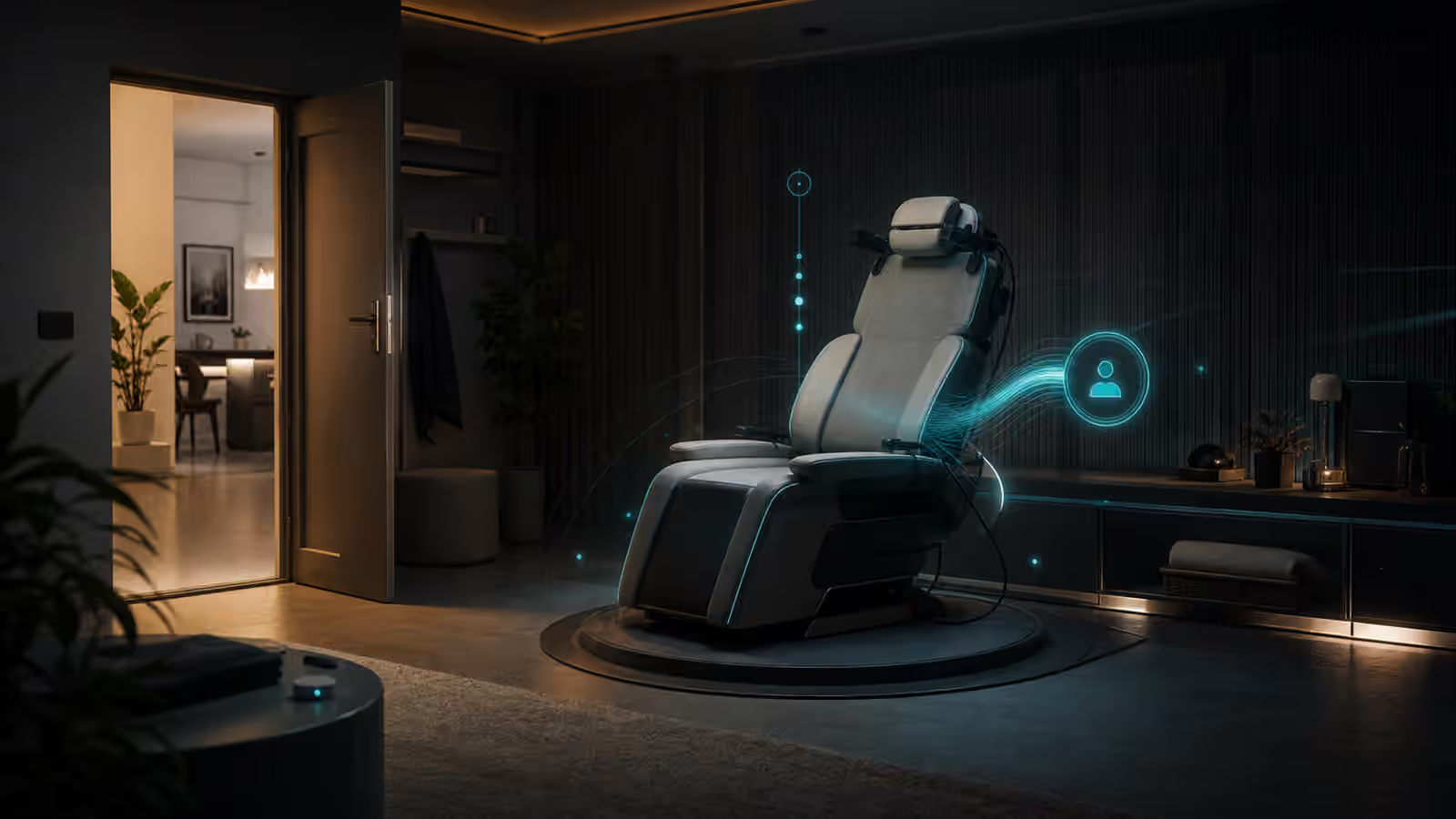
Full dive VR is often imagined as a clean separation. The user enters one world and leaves another behind. Real life will be less tidy. Someone knocks at the door. A child wakes up. A caregiver needs to check equipment. A pet bumps a cable. A phone call matters. Food is cooking. A delivery arrives. A building alarm sounds. The outside room does not stop being real because the virtual room feels convincing.
The Room Outside the World explains why physical space remains part of immersion safety. Interruption design is the moment that principle becomes practical. A full dive system needs a way to give attention back to the ordinary room without yanking the user, shaming the person who interrupted, or letting the virtual scene pretend nothing is happening.
Not Every Interruption Is an Emergency
The system should know the difference between a gentle interruption, an urgent interruption, and a true stop. If every outside signal arrives like a crisis, users will resent the feature and try to silence it. If every outside signal is softened into background noise, important events may be missed. The design problem is not simply how to break immersion. It is how to rank the claim the physical world is making.
A low-priority interruption might become a visible threshold inside the scene, a softened chime, or a brief message from a trusted local device. A medium-priority interruption might pause new sensory escalation and invite the user toward a neutral room. An urgent interruption may need to reduce stimulation quickly and hand control to the outside room. The words on the interface matter less than the pacing. The user should feel that the system has a route back, not that the world has cracked.
Comfort and Reorientation in Full Dive VR belongs beside this topic because interruption is a kind of unplanned exit. It needs the same respect for timing, orientation, and dignity. A doorbell should not be allowed to become a sensory trap, but it also should not be handled like an engine failure unless the situation deserves that level of force.
The Outside Room Needs a Voice
People outside the system need limited, legible ways to reach the user. A household member may need to ask a simple question. A facilitator may need to adjust posture or equipment. A building system may need to signal a real hazard. A shared home may need an agreement about when interruption is allowed and when it is intrusive.
That outside voice should be narrow. It should not become a back door into private scenes, session logs, or emotional reactions. A person outside the chair may be allowed to request attention without seeing what the user is doing. They may be able to say that dinner is ready, a ride has arrived, or a child needs help without gaining access to the user’s virtual room. Home Use and Household Boundaries in Full Dive VR makes this distinction important because domestic trust is not the same as total access.
The user inside should also know who is making the request. An anonymous interruption can feel unsettling when the body is immersed. The system can show that a known household member, facilitator, device, or building signal is requesting attention without revealing more than necessary. The outside room should be able to knock. It should not be able to barge in.
Soft Handoffs Protect Orientation
A good handoff gives the user a bridge. The virtual scene may dim its social demands, reduce touch intensity, lower motion, and make the exit path more ordinary. A character can step back. A tool can rest on the table. A training assessment can pause without marking the person as failed. A social room can show that the user is temporarily unavailable without inviting everyone to comment.
The handoff should avoid sudden contradiction. If the user is standing in a virtual rainstorm and the real room needs attention, the system does not have to snap straight to a bright menu. It can create a brief neutral threshold, let the body settle, and then reveal the outside request. A few seconds of controlled transition may protect more trust than a technically instant cut.
Time and Duration in Full Dive VR is relevant because the user may not feel time the way the outside room does. A person who has been inside a long scene may need a moment to understand that only a short household interruption occurred. A person inside a short intense scene may need longer to return than the interruption itself seems to justify. The system should not let the impatience of the outside room define the user’s reentry speed unless there is a real emergency.
Shared Homes Need Agreements
Interruption design is partly social. In a private facility, operator roles can be written into the room. In a home, the rules may involve partners, children, roommates, guests, caregivers, and neighbors. A full dive device should not assume that the account owner controls the whole household, or that anyone nearby should be able to reach inside.
Households need modes that fit ordinary life. There may be quiet hours, supervised sessions, child-safe interruption paths, caregiver checks, and private sessions that allow only urgent physical alerts. A family member might be allowed to see that a session is in progress and when the next planned check-in occurs. That does not mean they should know the scene, the people present, the emotional tone, or the user’s body data.
Access Control and Account Recovery in Full Dive VR helps frame this as authority, not convenience. The right to interrupt is a permission. It should be granted for a purpose, narrowed by context, and easy to review later.
The World Should Remember Why It Paused
After an interruption, the virtual world owes the user an explanation. Not a long report, but enough context to rejoin honestly. A scene may say that it paused for a household request, a facilitator check, a device condition, or a scheduled break. If the interruption affected a shared world, other participants may need a simpler status that respects privacy.
The system should also remember what was suspended. A conversation, training step, sensory sequence, or social permission may not be safe to resume blindly. If a haptic event was about to occur, the system should not fire it immediately after the user returns. If a synthetic character was about to make an emotional request, it should not continue as if the user had been listening. If a purchase prompt was open, it should not wait with pressure intact.
That memory connects to Offline Failover in Full Dive VR . In both cases, the world needs enough local continuity to protect the person while uncertainty is resolved. The system should know where it stopped and why, then let the user decide whether the interrupted moment still deserves to continue.
Returning Should Be Optional
Some interruptions end the session. That should be allowed. A user may answer the door and decide they are done. A caregiver check may reveal fatigue. A household event may need attention. A scene that was emotionally intense before the interruption may not be right to resume. The system should not treat return as the default success state in every case.
This is especially important for persistent worlds and social rooms. Friends may be waiting. A synthetic guide may be ready. A class or workplace event may continue. Still, the user’s ordinary life has priority over the platform’s sense of continuity. Social Reentry After Full Dive VR argues that coming back to real people is part of the design. Physical interruption is one of the ways that truth arrives early.
The outside world should not have to fight the virtual world for legitimacy. A mature full dive system would make room for knocks, pauses, alarms, check-ins, and ordinary needs. It would let the user return gently when return makes sense, and leave cleanly when the physical room has become the more important place to be.