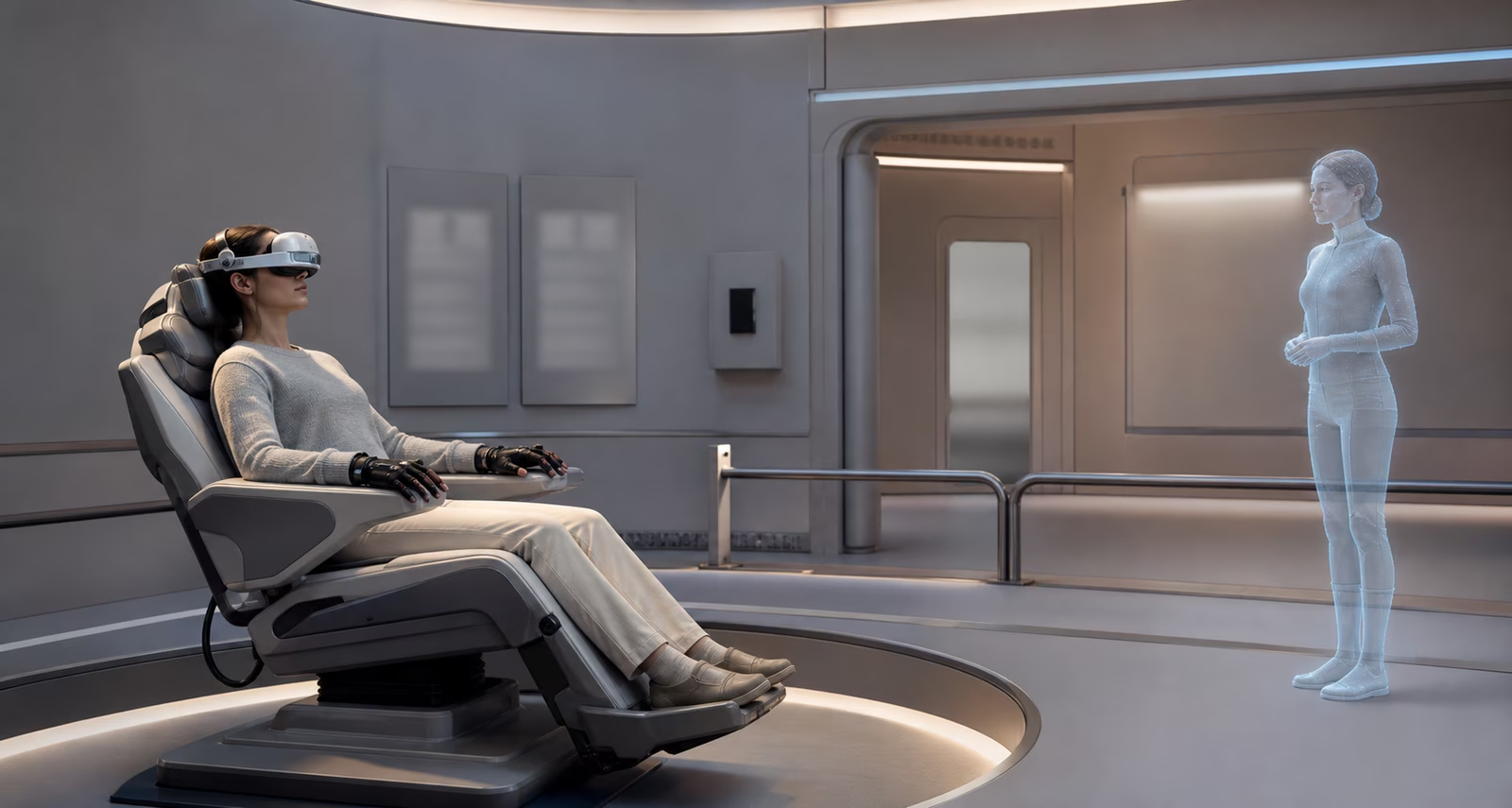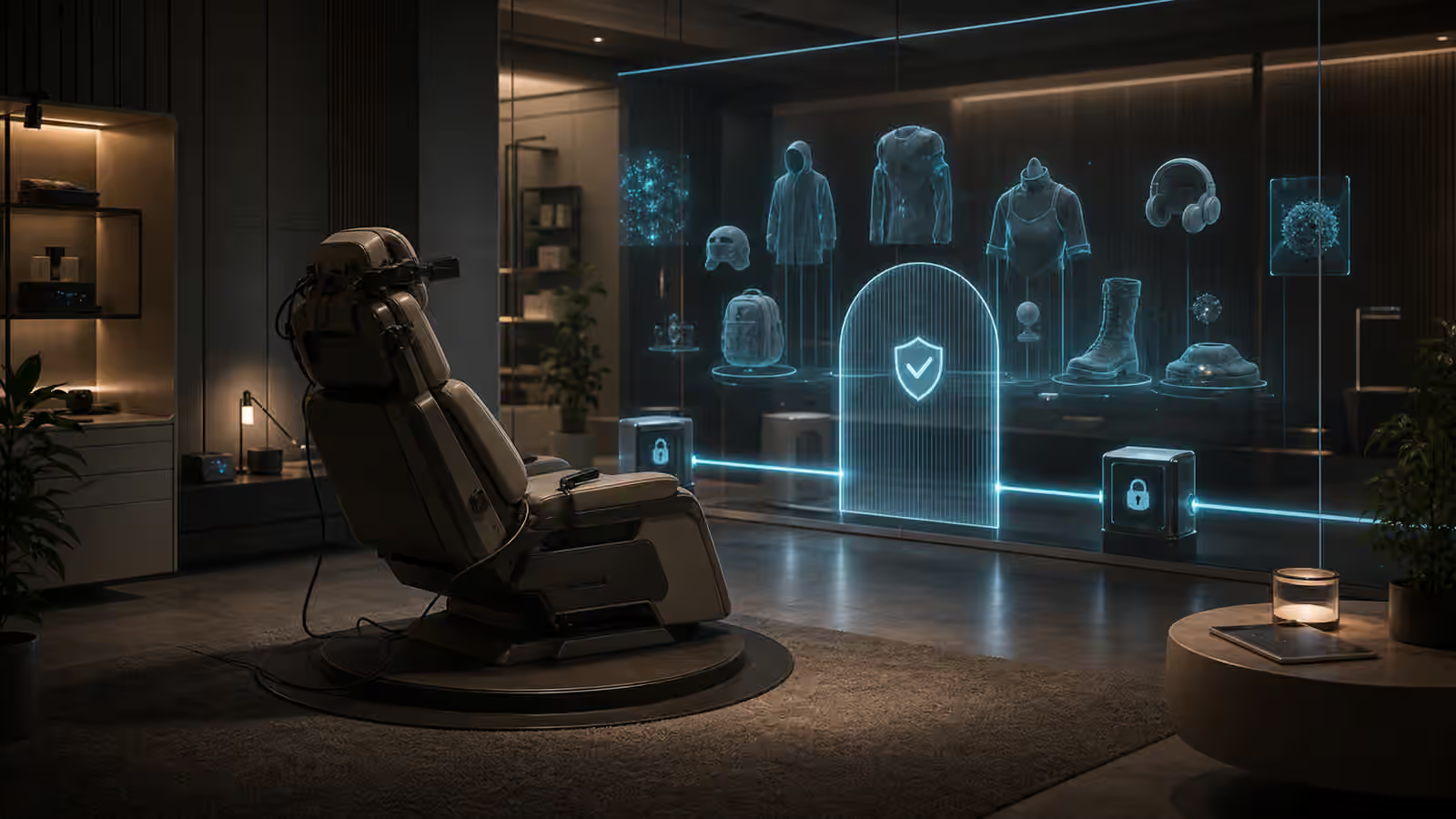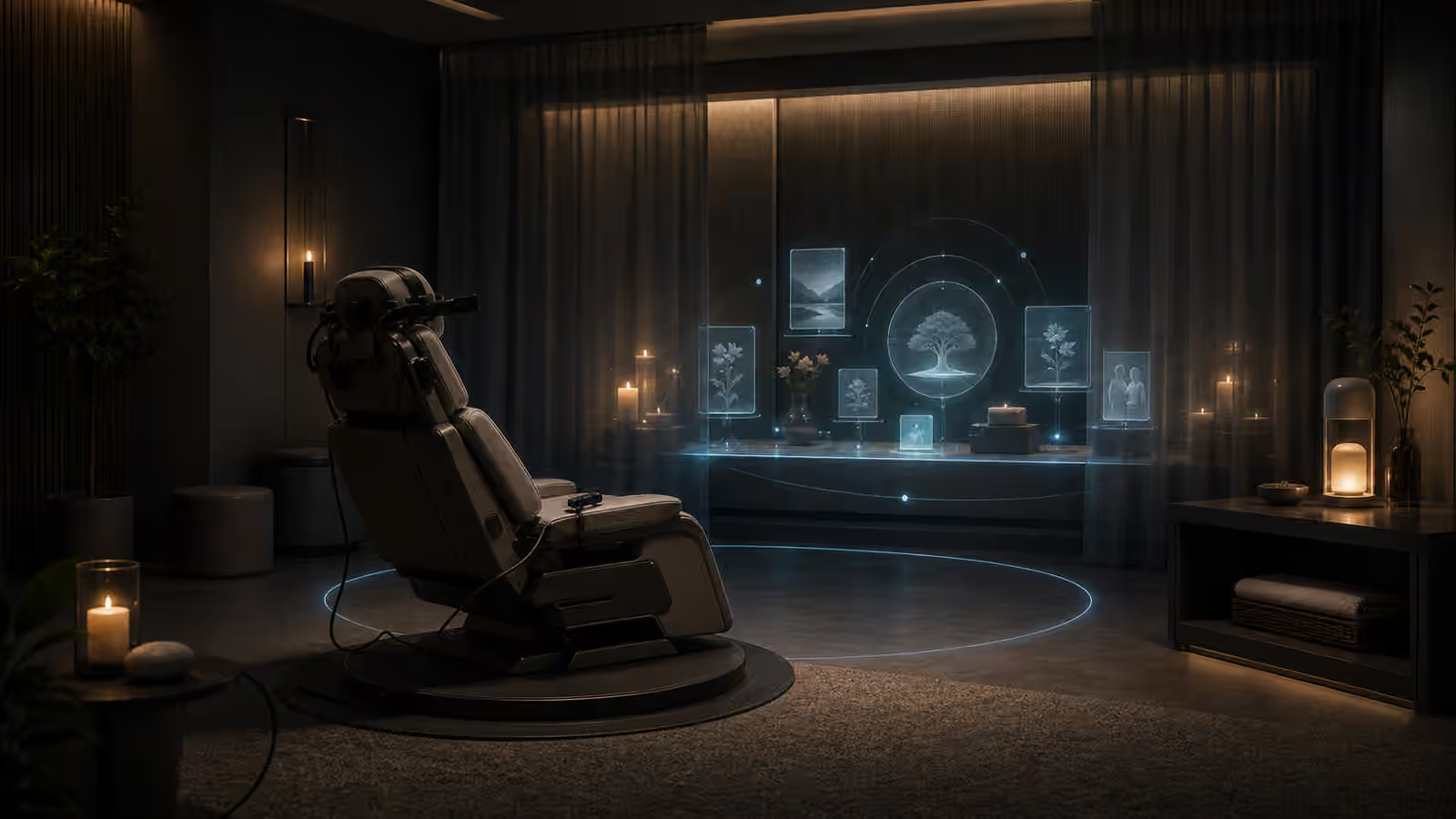
Full dive VR could make remembrance feel physically near. A person might return to a recreated kitchen, sit in a virtual garden built with a parent, hear a remembered voice in spatial audio, hold a keepsake object that behaves like it did in life, or meet a synthetic figure shaped by recordings and stories. The possibility is tender. It is also dangerous if tenderness is treated as permission.
Memory Rights in Full Dive VR asks what should stay yours. Memorial design asks what should happen when the person connected to a memory is absent, dead, unreachable, or unable to consent now. This guide is not legal advice or grief counseling. It is a design argument: the more real remembrance can feel, the more carefully a world should distinguish memory, imitation, permission, and presence.
A Memorial Is Not a Person
A memorial room can hold meaning without pretending to bring someone back. That distinction matters. A saved chair, a voice recording, a family story, a recreated path through a house, or a shared archive can help people remember. A synthetic person that responds, improvises, and claims continuity crosses into a different kind of experience.
Full dive VR may make that line harder to feel. If the room has the right light, the right sound, the right haptic object, and a familiar voice arriving from the right distance, the body may respond before the mind has sorted out the category. The system should not exploit that response. It should make the nature of the experience plain, especially when synthetic behavior is involved.
Synthetic People in Full Dive VR argues that artificial presence should be disclosed and bounded. Memorial contexts make disclosure more important because the user’s longing may supply trust the system has not earned. A synthetic continuation should not present itself as the deceased person simply because the illusion is emotionally effective.
Prior Consent Matters
A person may leave recordings, body scans, messages, writings, avatar data, or full dive session traces. Those materials do not automatically become raw material for an interactive memorial. There is a difference between preserving a video, building a private family archive, reconstructing a favorite room, and creating a synthetic figure that speaks in someone’s style.
A responsible platform would encourage people to make choices before the question becomes urgent. They might allow some materials to be used for static remembrance but not interactive imitation. They might permit a voice archive for close family but not public performance. They might allow a private room to remain accessible while refusing synthetic improvisation. The point is not to create a single universal rule. The point is to separate kinds of memory clearly enough that consent can be specific.
Privacy and Consent in Full Dive VR belongs here because body data can reveal more than someone meant to share. A saved movement pattern, sensory preference, private room, or emotional trace may be intimate even after death. The fact that it would make a memorial feel more vivid does not settle whether it should be used.
Family Memory Is Shared But Not Equal
Families and communities remember together, but they do not own memories in the same way. One sibling may want a detailed recreation. Another may find it unbearable. A partner may want a private room. A child may need protection from an adult version of grief they cannot understand. Friends may have stories the family never knew. A workplace may want to honor someone without turning their labor traces into a display.
Full dive VR should not assume that the person who controls an account, pays for a room, or holds the most recordings gets to decide for everyone. Memorial spaces need roles, boundaries, and quiet ways to decline participation. A person should be able to visit a shared memorial without being pressured into a synthetic conversation. Another should be able to keep a private keepsake without opening it to the whole family.
Shared Worlds in Full Dive VR helps frame the social layer. Presence in a memorial room can be intimate even when everyone is silent. The world should make it clear who is present, what is being recorded, whether visits are visible to others, and how a person can leave without turning grief into a public signal.
Synthetic Continuation Needs Plain Limits
A synthetic memorial figure may be built from recordings, text, interviews, session logs, or curated memories. It may answer questions, tell stories, guide visitors through a room, or speak in a familiar cadence. The more responsive it becomes, the more likely people are to treat it as a continuing relationship.
That does not mean synthetic memorials must be forbidden in every form. It means they should have plain limits. The figure can disclose that it is synthetic. It can avoid inventing private opinions. It can mark uncertainty instead of pretending to know. It can refuse to settle family disputes, give instructions as if it were the person, or create new obligations in the deceased person’s name. It can be designed to comfort without claiming authority it does not have.
Identity Continuity and Impersonation in Full Dive VR is relevant because memorial presence can drift toward impersonation even when nobody intends harm. A voice that sounds right can make a statement feel authorized. A gesture that feels familiar can make a suggestion feel personal. The system should keep reminding the room what kind of presence it is offering.
Rooms For Grief Should Not Become Hooks
Persistent memorial rooms can become places people return to over years. That can be meaningful. It can also become a retention loop if the platform designs absence, reminders, anniversaries, synthetic messages, and unfinished tasks to pull users back. Grief should not be treated as engagement.
Habit and Attachment Boundaries in Full Dive VR applies with particular force. A memorial room should let people set the pace. It should support quiet visits, long absences, temporary closure, archiving, and deletion where appropriate. It should not punish absence by making the memorial decay unless the users knowingly chose that metaphor. It should not send emotionally loaded prompts because a metric suggests the user is likely to return.
The room should also respect ordinary life after the session. Social Reentry After Full Dive VR explains why coming back to real people can need care. Leaving a memorial space may require more silence than leaving a game or classroom. The platform should not follow the user out with a synthetic voice asking for one more visit.
The Right To Leave Memory Alone
Some memories should remain still. A photograph can stay a photograph. A room can remain a room. A voice can remain a recording. A person can be remembered without being simulated. Full dive VR will make it possible to add movement, touch, spatial presence, and response to memory. That possibility should be treated as a choice, not an upgrade path.
A respectful memorial system would let users keep boundaries around the dead and around themselves. It would separate prior consent from family desire, shared remembrance from public display, archive from synthetic continuation, and comfort from manipulation. It would let people visit, leave, close, return, or refuse without making grief into platform property.
The deepest promise of a memorial room is not that it can make someone feel present again. It is that it can hold absence honestly. Full dive VR should be careful enough to preserve that honesty even when the illusion becomes beautiful.