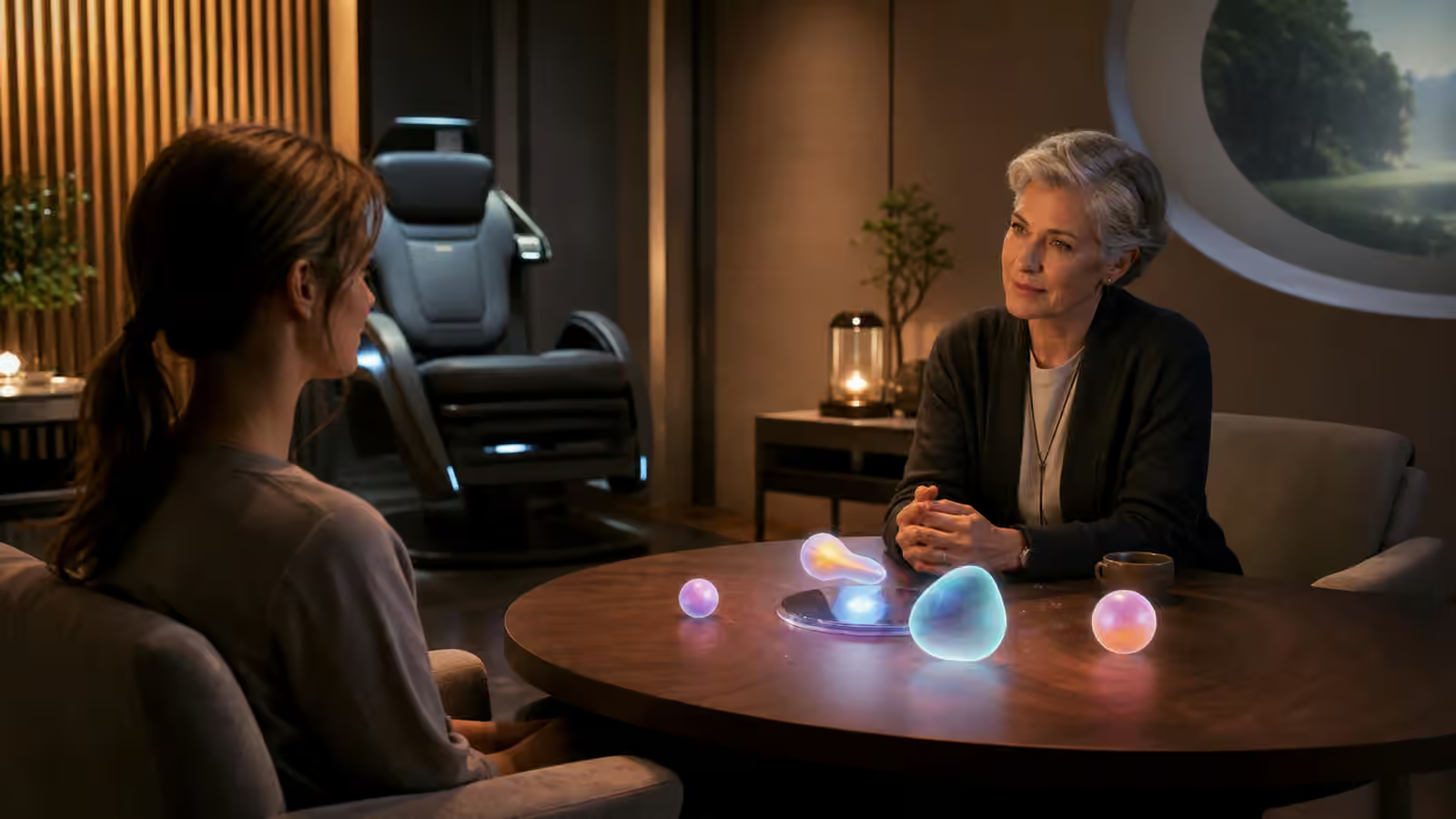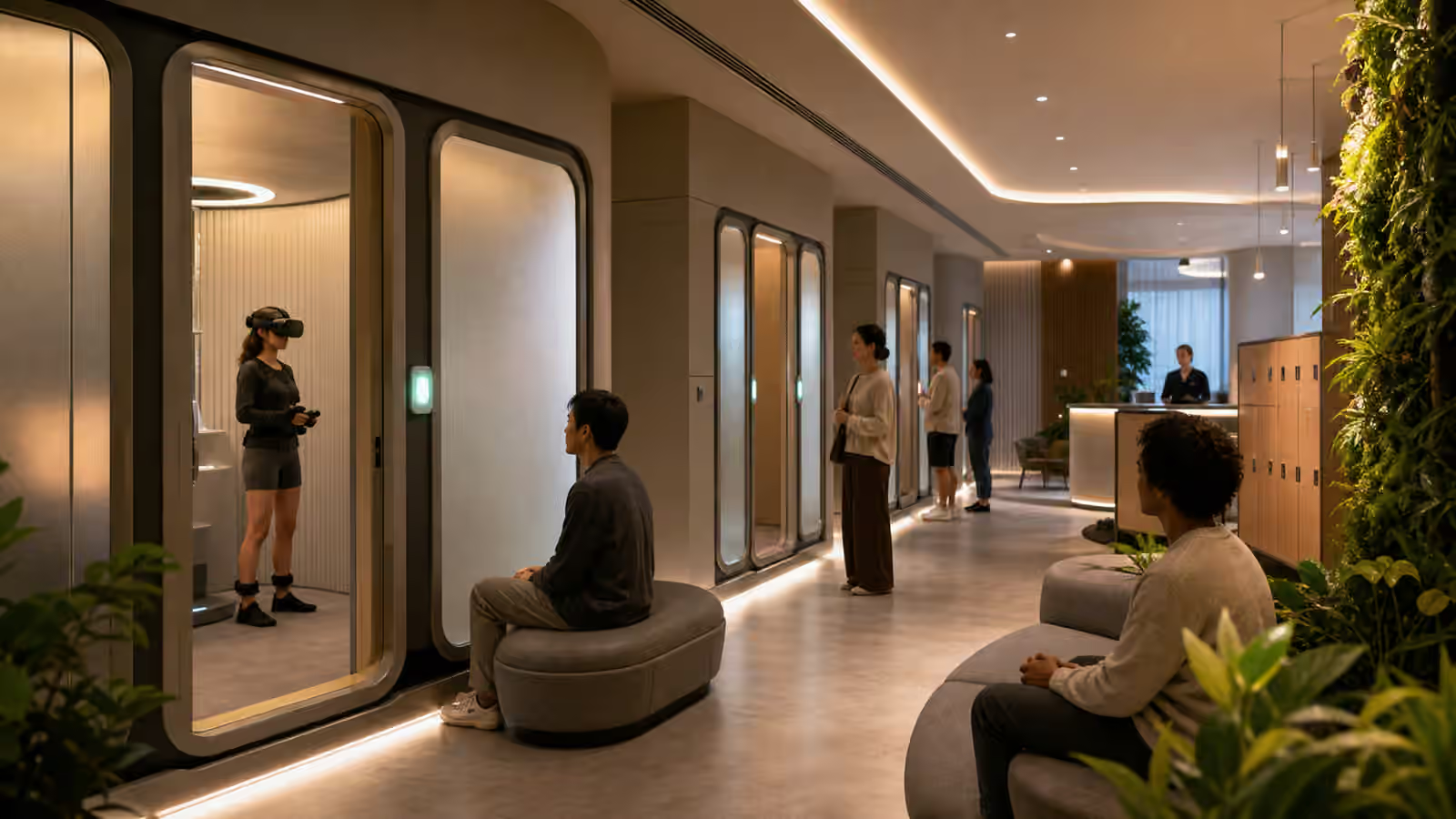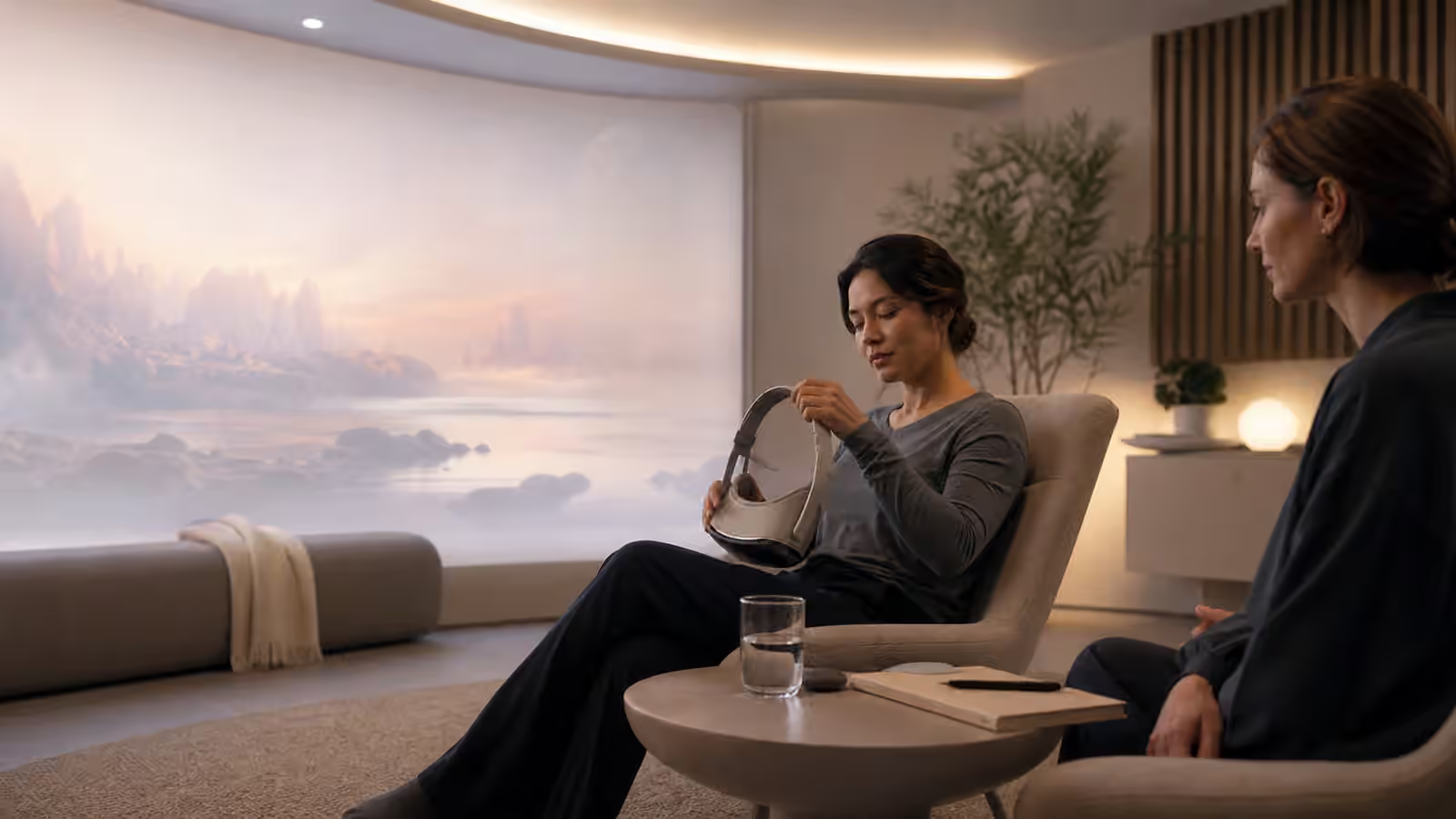
Full dive VR would not only leave visual memories. A strong session could leave a mood. The user might return from a difficult training scenario still alert, from a memorial room still quiet, from a social world still warmed by conversation, from a competitive scene still tense, or from a beautiful impossible landscape with ordinary rooms feeling briefly thin. That carryover is not automatically a problem. It is part of why immersion matters. But it should be designed for instead of treated as a private inconvenience after the device is off.
This is not a therapy guide, and a full dive system should not pretend to diagnose emotion. The better frame is practical: a vivid world can change the user’s attention and feeling for a while, so the return path should give those feelings room to settle without exposing them unnecessarily. Comfort and Reorientation in Full Dive VR covers the physical side of coming back. Emotional carryover is the quieter layer that follows.
Carryover Is Not the Same as Harm
People already carry feelings out of books, films, games, arguments, concerts, dreams, and real places. Full dive would intensify some of those transitions because the experience may involve the body more directly. A person might not simply remember a virtual storm. They may remember the pressure of wind, the cold of stone, the sound of someone standing behind them, or the feeling of having a different body. The aftereffect can be meaningful without being unsafe.
The design mistake is pretending every session ends when the scene ends. The user’s nervous system may need a different clock. Time and Duration in Full Dive VR explains how felt time can diverge from measured time. Emotional return can diverge too. A five-minute scene can linger. A long session can evaporate quickly. A quiet moment can land harder than a dramatic event.
Platforms should avoid two crude interpretations. They should not treat every emotional response as a bug to suppress. They should also not exploit carryover as proof that the product was powerful. A mature system gives the user space to decide what the session meant.
Naming Should Be Optional and Private
After an intense session, the user may benefit from a pause, a private note, a simple mood marker, or a chance to save a reflection. But naming a feeling should not become a requirement for exit. A prompt that asks “how do you feel?” can be intrusive when the user is not ready to answer, especially in a shared room, workplace, classroom, or public venue.
Debriefing and Session Notes After Full Dive VR is useful because it treats notes as an aid to reflection, not an extraction tool. Emotional carryover should follow that pattern. The system can offer a neutral decompression space, a private draft area, or a later reminder. It can let the user mark a session as worth revisiting without explaining why in the moment.
Privacy matters here because emotional data can be more revealing than it looks. A platform may want to learn which scenes calm, motivate, persuade, or upset a person. That information can support care when handled locally and narrowly. It can also become persuasion data. Privacy and Consent in Full Dive VR applies not only to body traces but to patterns of feeling around body traces.
Groups Need Gentle Transitions
Shared worlds complicate carryover. One participant may leave a scene energized while another leaves unsettled. A group may assume everyone shared the same meaning because they occupied the same virtual room. That assumption can create pressure. The user may feel obligated to laugh, explain, reassure, or continue a relationship pattern that belonged inside the session.
Shared Worlds in Full Dive VR focuses on presence and boundaries. Emotional carryover extends those boundaries past the exit. A good shared-world design should give people a way to leave socially without performing their reaction. It might move users through separate reentry spaces before group conversation. It might delay public scoreboards, reactions, or memory sharing until everyone has had a chance to return.
This is especially important after conflict, grief, intimacy, assessment, or role play. The fact that people consented to a scene does not mean they consented to immediate analysis by everyone who was there. A respectful platform lets the social room cool before turning the session into a story.
Memory Traces Should Not Be Too Eager
Full dive memories may feel more like lived episodes than media files. Memory Rights in Full Dive VR argues that users need authority over what is saved, replayed, shared, and forgotten. Emotional carryover makes that authority more important. A replay offered too quickly can trap the user in interpretation before they have decided whether they want the scene preserved.
The system should be careful with highlights. It may be tempting to generate automatic keepsakes from peak moments, dramatic reactions, or meaningful encounters. But the most intense moment is not always the moment the user wants saved. A scene that looked triumphant from outside may have felt pressured from inside. A moment of silence may belong privately to the person who lived it.
Saving should therefore be staged. The system can preserve a short-term recovery window without immediately turning it into a permanent archive. The user can decide later whether a scene belongs in memory, training history, a shared album, or nowhere at all. Delay can be a form of respect.
Sensory Design Can Reduce Abruptness
Emotional carryover is not only about story. It is also about the senses. A loud ending, a hard visual cut, lingering scent, sudden light, or an immediate demand to speak can make feelings sharper. Smell, Taste, and Temperature in Full Dive VR shows how quiet senses can stay with the body. Reentry design should clear them deliberately.
This does not mean every return should be bland. It means the system should know what it is asking from the body. A reflective world may end with a stable room, familiar hands, ordinary breathing, and a slow return of outside sound. A training simulation may separate assessment from recovery. A social world may let the user leave a crowded room before removing the avatar body. These choices help feelings become memories rather than residue.
Sensory Ratings and Content Warnings in Full Dive VR can also prepare users for likely carryover. A warning should not dramatize the session, but it can say when a world includes grief, conflict, intense motion, close contact, or strong sensory persistence. Preparation changes the aftereffect because the user enters with a better contract.
The Return Should Leave Room for Ordinary Life
The final test of emotional carryover is not whether the platform can measure it. It is whether the user can return to ordinary life without being rushed, studied, or hooked back in. Sleep, Rest, and Recovery in Full Dive VR belongs near this point because rest is one way the body finishes an experience. So are a quiet walk, a glass of water, a private note, or a conversation chosen by the user rather than demanded by the system.
Full dive VR should be allowed to matter. It should not be designed as disposable sensation. But the more an experience matters, the more carefully the platform should handle the minutes after it ends. The user may need silence. They may need context. They may need a chance to say nothing. A world that respects emotional carryover proves that it does not only know how to bring a person in. It knows how to let them leave with their inner life still their own.