Full Dive VR 76 guides Immersion, Neural Interfaces, Haptics & Safety

Full Dive VR

Clear, grounded guidebooks about full dive virtual reality, brain-computer interfaces, sensory immersion, safety, and the road from today's VR to tomorrow's deeper systems.

Jump straight into the Full Dive VR track in Learn with Fizz, then use the guidebooks when you want depth.

Full dive VR is one of the most exciting ideas in technology because it points at something bigger than a better headset. It asks a strange, serious question: what would it take for a person to feel fully present in a world generated by a machine?

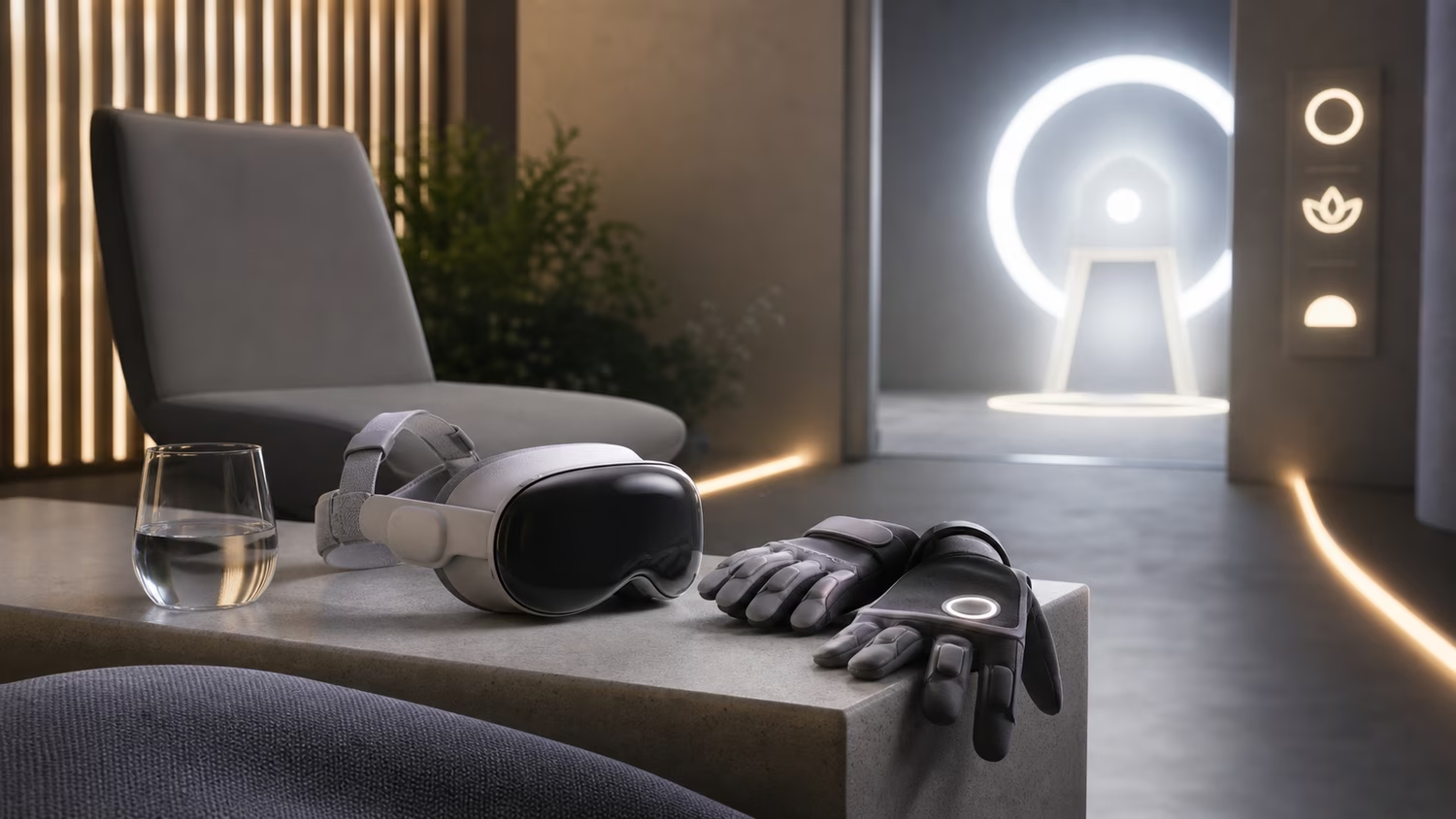
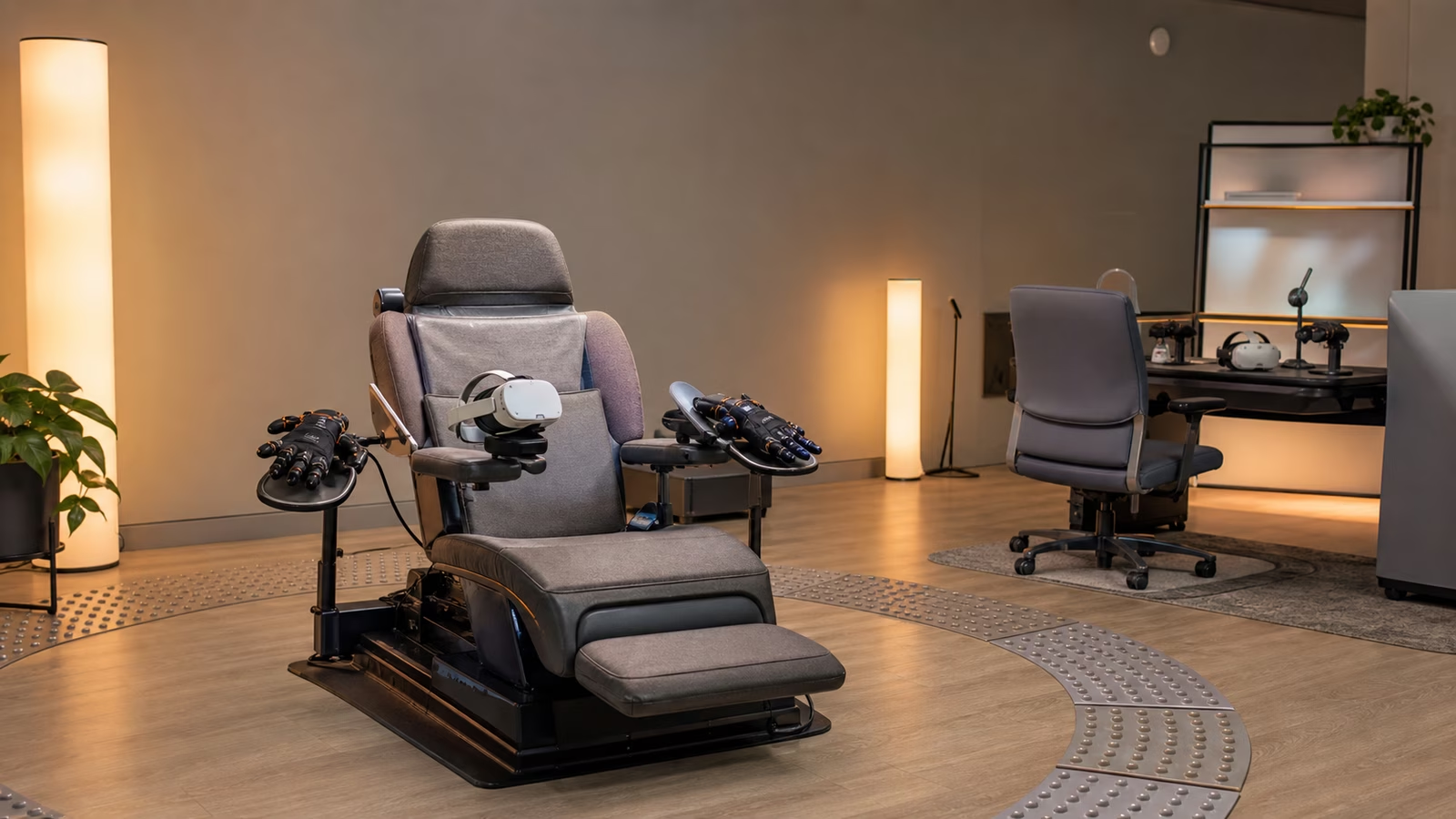
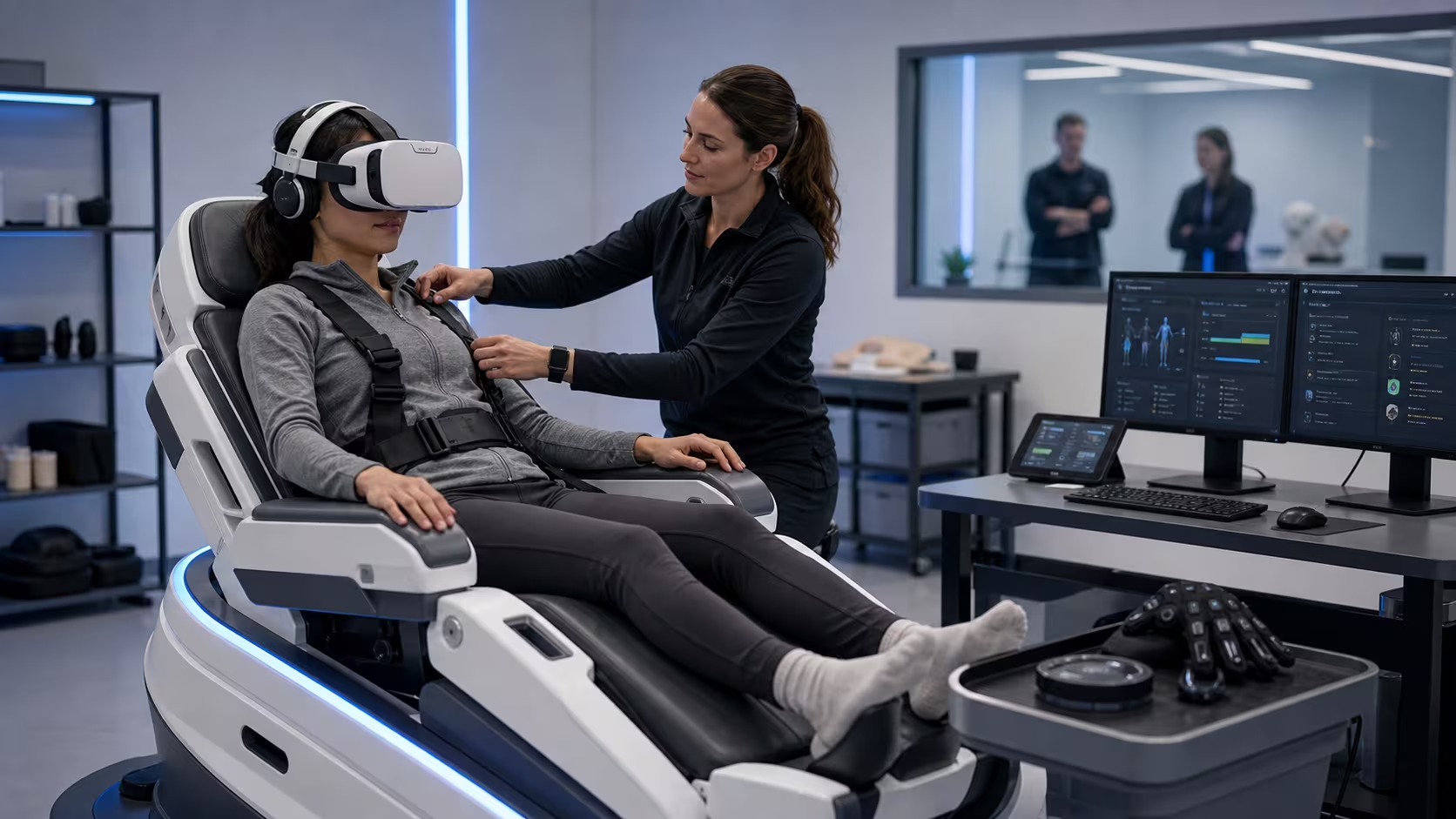
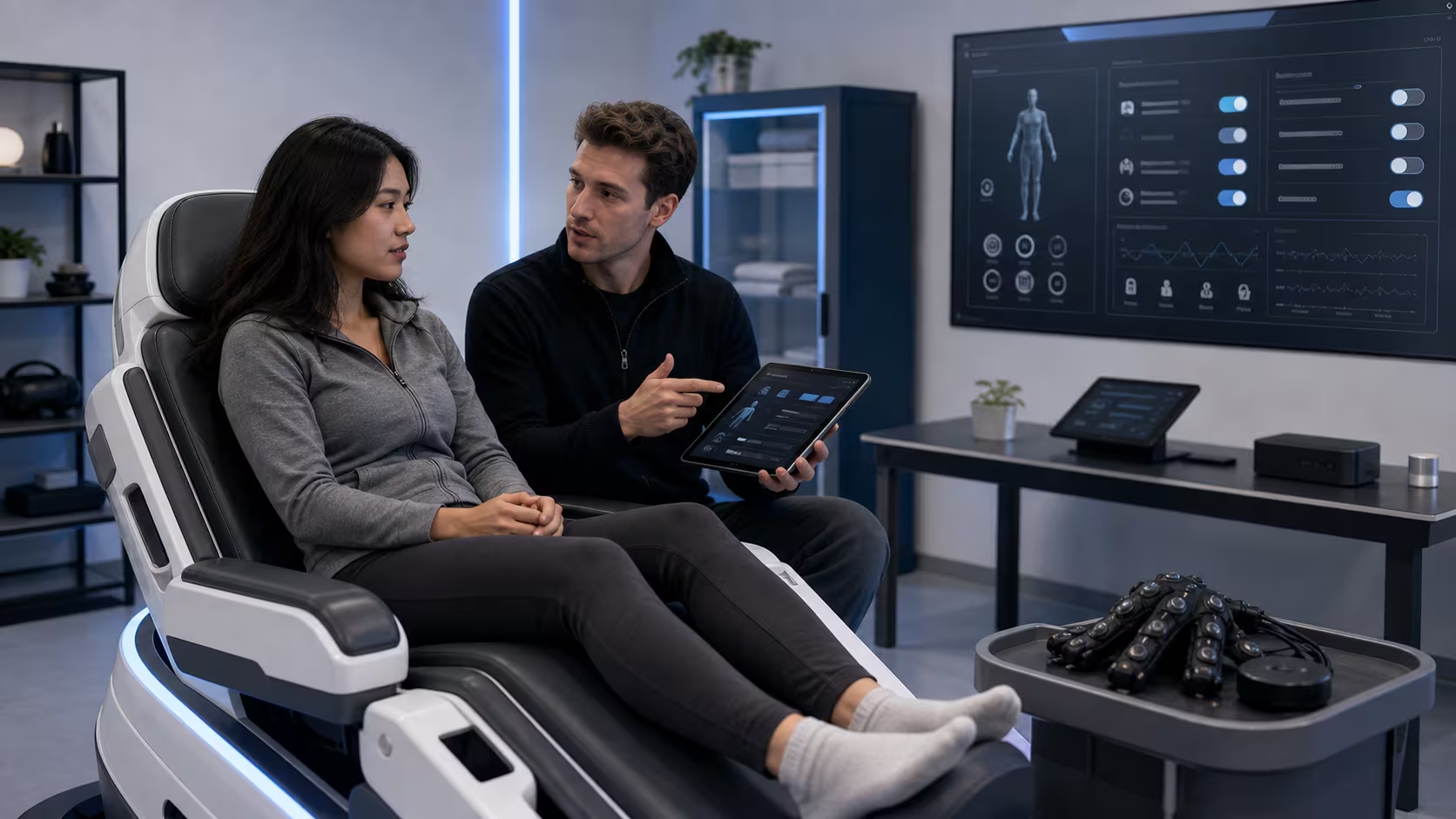
The honest answer is that nobody has a consumer full dive system today. What exists now is a stack of partial pieces: high-resolution headsets, spatial audio, hand tracking, haptics, motion platforms, eye tracking, neural interfaces, and early brain-computer research. None of those pieces add up to “plug in and wake up somewhere else.” But they do show the shape of the problem.

Full Dive VR is a Fondsite for readers who want the dream without the fog machine. Start with Full Dive VR Quickstart for the plain-language map. Then read How Full Dive VR Might Work , The Roadmap from Headsets to Full Dive , Safety, Identity, and Consent , and The Dream Problem . The newer narrative guides go deeper into the rooms a future system would need: calibration , haptics , memory rights , and coming back safely .

Practice the lessons

The Full Dive VR game lessons turn those guidebook ideas into short quiz sessions inside Learn with Fizz. The track covers full dive basics, input and output, roadmap thinking, safety and consent, the dream problem, calibration, haptics, memory rights, and safe reorientation.

The goal is not to hype a fantasy. It is to understand the engineering, the neuroscience, the design choices, and the human risks well enough to talk about the future like adults.
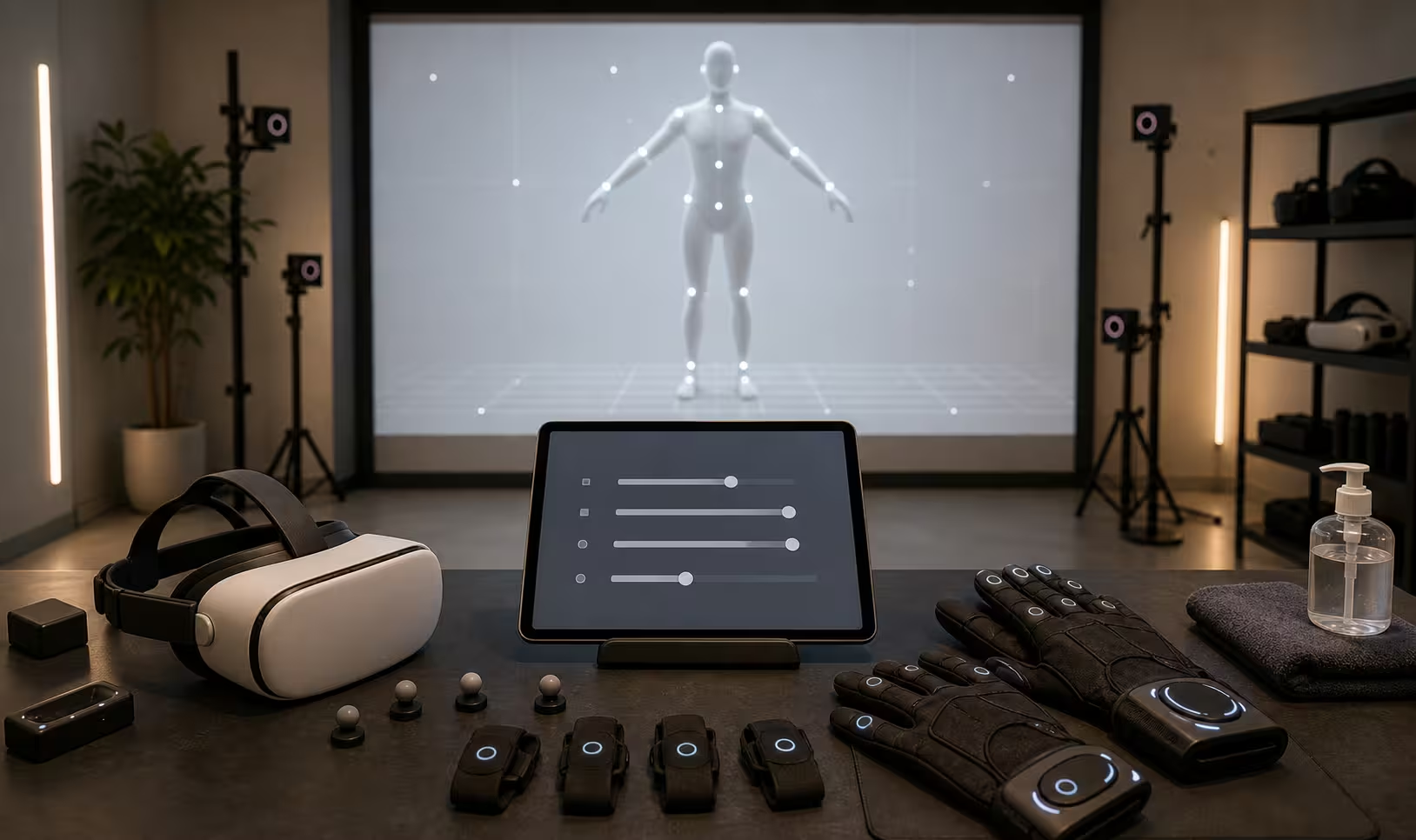
Editorial Guide

What Full Dive VR Covers

A clear guide to full dive virtual reality, immersive systems, brain-computer interfaces, haptics, safety, and future virtual worlds. Fondsites treats this topic as a practical library rather than a loose feed: each page is meant to explain the decision, show the vocabulary, and point toward the next useful guide.

The Full Dive VR shelf is organized for readers who want clear context before buying gear, changing a routine, or repeating a claim they saw elsewhere. Start with the quickstart material when the topic is new, then move into the more specific guidebooks when a real question appears.

There are 76 guidebooks in this library. Useful starting points include Shared Worlds in Full Dive VR: Presence, Boundaries, and Consent, Avatar Bodies and Body Schema: Why Full Dive Needs Careful Calibration, Comfort and Reorientation in Full Dive VR: Coming Back Should Be Designed and Accessibility in Full Dive VR: Worlds That Fit Different Bodies. Those pages show the house style: concrete examples, cautious boundaries, and links back into related topics when a short answer would be misleading.

Guidebooks

Plain-language guides to full dive VR, neural interfaces, sensory immersion, safety, and the long road from headsets to believable virtual worlds.

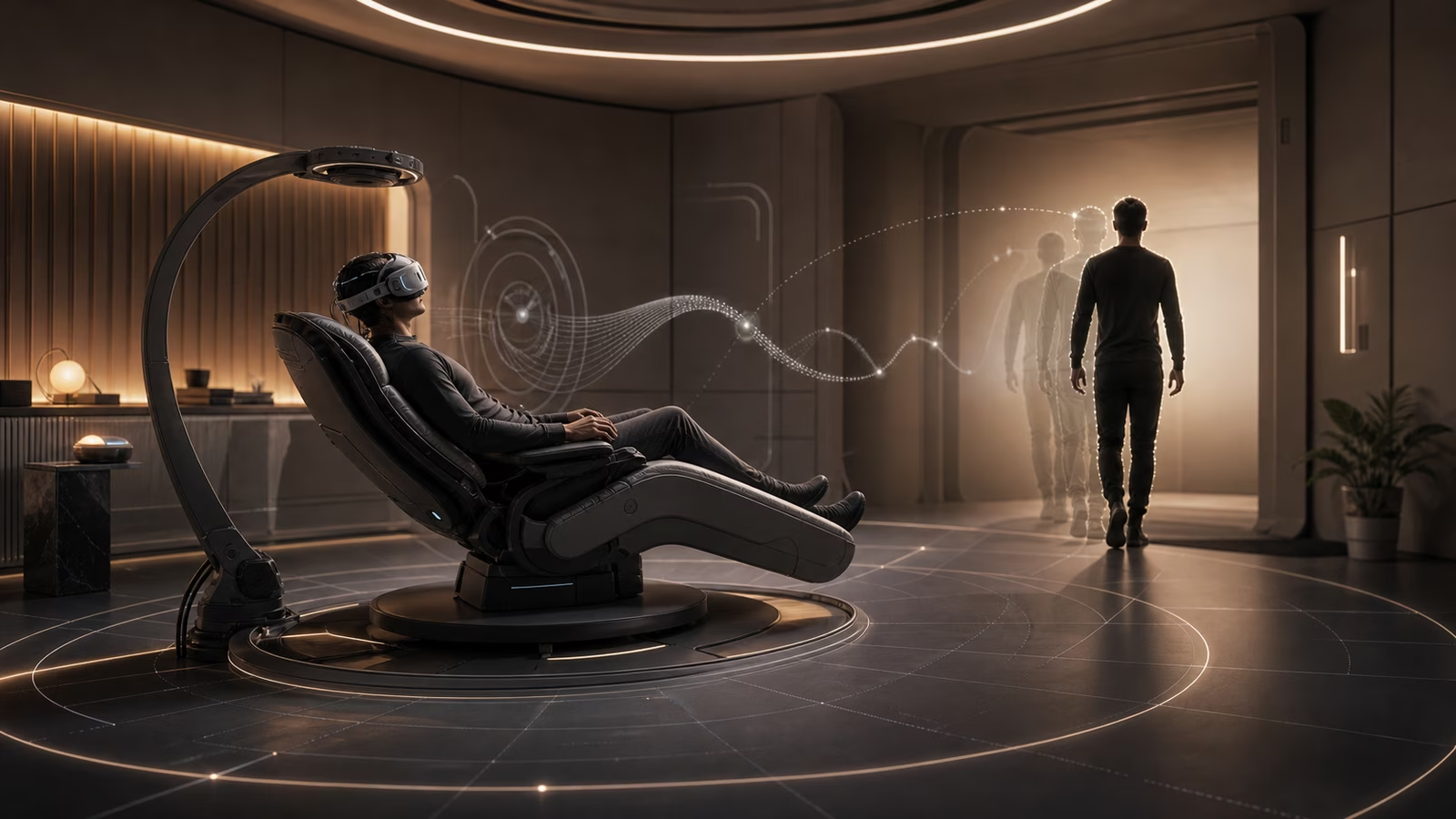
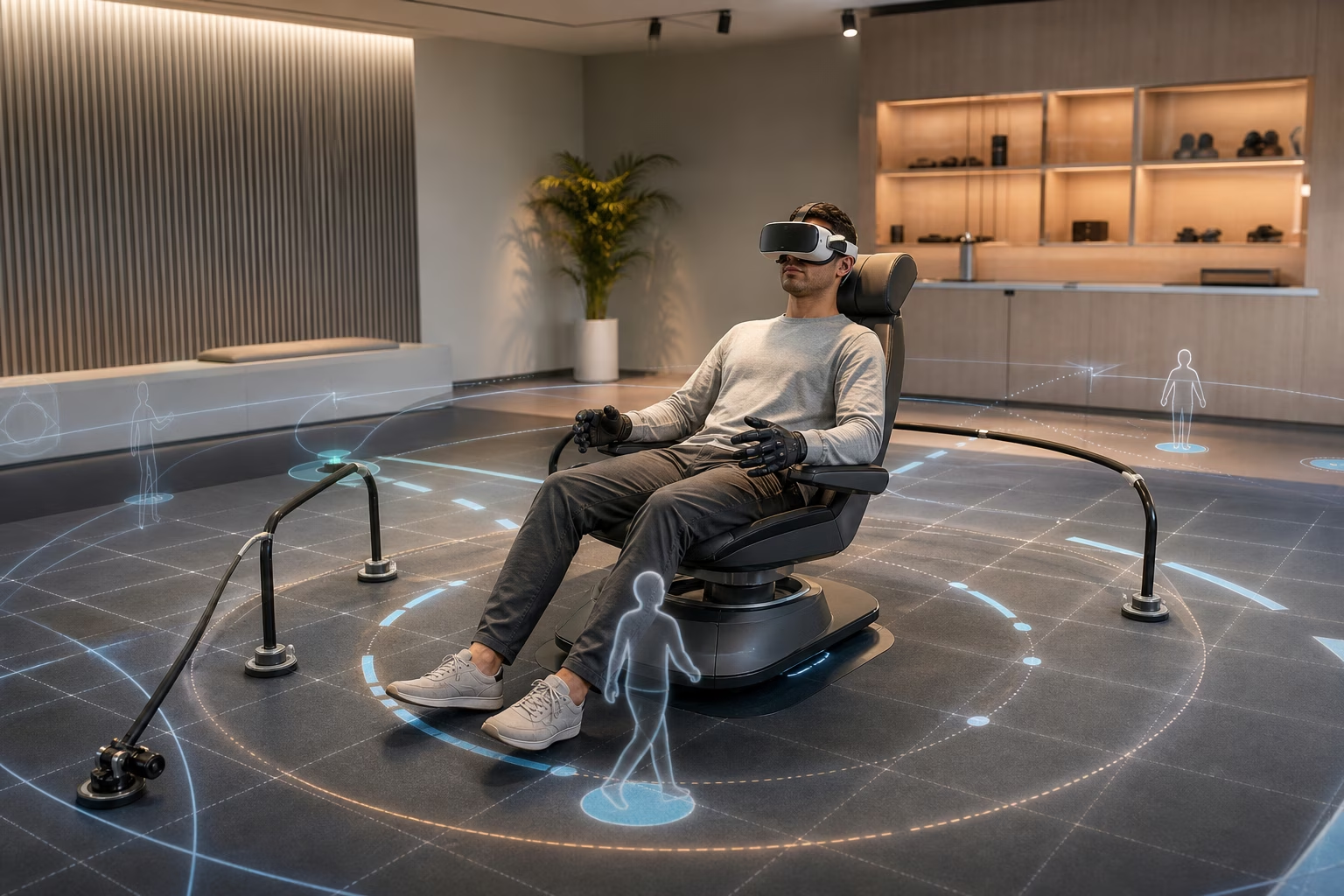
A calm near-future full dive calibration room with a neural-interface chair, haptic floor grid, sensor arcs, and ghosted body outlines suggesting drift correction.

Full Dive VR

Latency, Drift, and Trust in Full Dive VR

A narrative guide to timing, sensory delay, avatar drift, calibration, reorientation, and why believable full dive VR …

Intermediate 7 min read