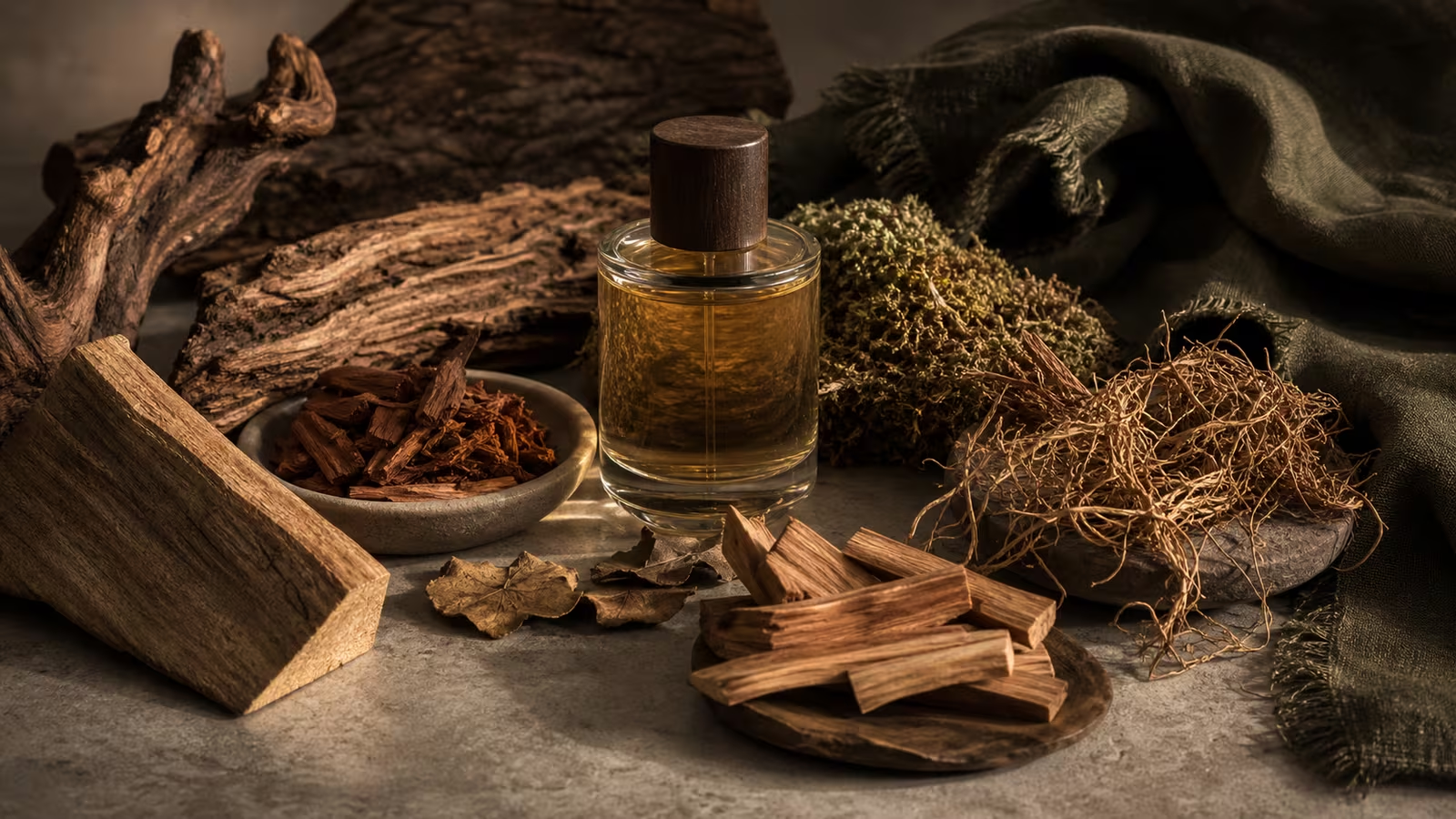
Woody scents give perfume a backbone. They can smell like cedar closets, pencil shavings, creamy sandalwood, dry bark, vetiver roots, mossy forest floors, incense smoke, polished furniture, warm resin, or clean modern woods that feel almost like freshly laundered skin. If fresh scents are air and florals are bloom, woods are structure. They can make a fragrance feel grounded, calm, elegant, outdoorsy, mysterious, or quietly powerful.
Beginners sometimes think woody fragrances are automatically masculine, but that is a marketing habit more than a scent truth. Woods appear everywhere: in feminine florals, unisex musks, cozy vanillas, fresh colognes, smoky ambers, and minimalist skin scents. A sandalwood base can make a floral creamy. Cedar can make vanilla drier. Vetiver can make citrus feel grown and grassy. Moss can make a perfume feel shadowed and elegant. Woods are not one gender or mood. They are materials with texture.
Cedar: dry, clear, and architectural
Cedar is one of the easiest woods to recognize. It can smell like pencil shavings, cedar chests, dry planks, clean sawdust, or a freshly opened wooden box. In perfume, cedar often adds clarity and dryness. It is useful when a scent needs shape without too much sweetness. A citrus fragrance with cedar can feel crisp and tailored. A rose with cedar can feel modern rather than jammy. A vanilla with cedar can feel less like frosting and more like warm wood.
Cedar can also become sharp if overused. Some cedar-heavy scents feel clean and elegant; others feel scratchy. Skin matters. On one person cedar may become smooth and dry. On another it may feel like pencil dust. If you are sampling woody scents for the first time, try cedar in a balanced composition before judging it alone. It often works best as architecture, not as the entire house.
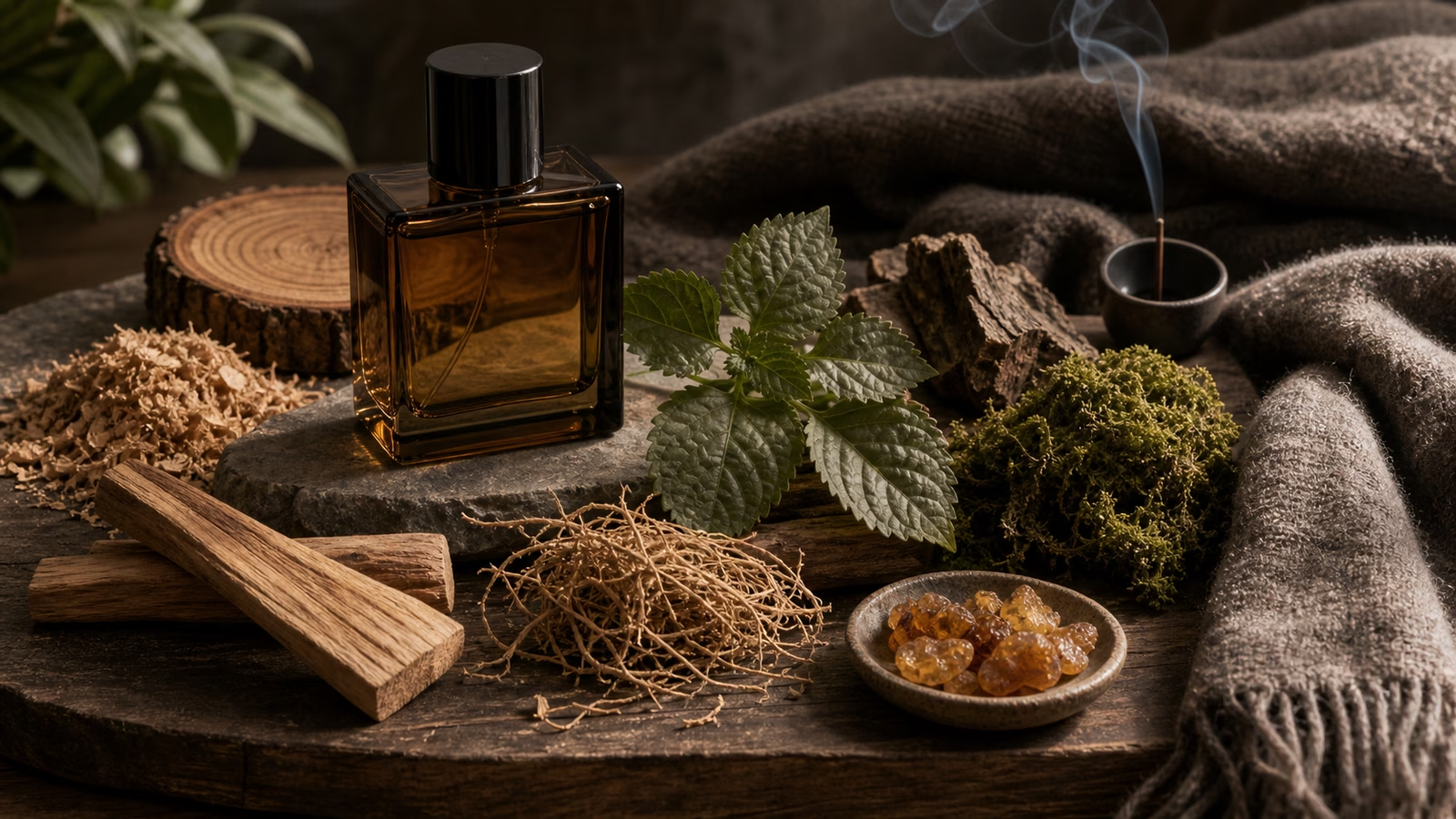
Sandalwood: creamy, smooth, and soft
Sandalwood is beloved because it can feel creamy, milky, warm, and meditative. It has a softness that makes perfumes feel rounded. In some fragrances, sandalwood smells like polished wood. In others, it feels almost like warm skin, coconut milk, or smooth powder. It pairs beautifully with rose, iris, vanilla, musk, amber, fig, and spices.
Modern sandalwood fragrances vary because real sandalwood materials are expensive and sustainability matters. Many perfumes use sandalwood aroma molecules or blends that create creamy woody effects. Some feel luxurious and smooth. Others feel clean, abstract, or slightly sharp. The note name alone does not guarantee the texture. Sample for feel.
Sandalwood is a wonderful beginner wood because it is less severe than some dry woods. If you want a fragrance that feels calm rather than loud, look for sandalwood musks, sandalwood vanillas, or sandalwood florals. They often sit close and age gracefully through the day.
Vetiver: grassy, earthy, smoky, and elegant
Vetiver comes from roots, and many vetiver fragrances carry that rooty personality. They can smell grassy, earthy, smoky, mineral, dry, bitter, or clean. Vetiver is often used in fresh masculine fragrances, but it can be beautiful in many styles. It gives citrus a serious base. It gives florals a green shadow. It gives woods a textured, outdoorsy depth.
Some vetivers are bright and clean, almost like dry grass in sunlight. Others are dark, smoky, and damp. If you try one vetiver and dislike it, try another style before deciding. Vetiver is like tea: green tea, black tea, smoked tea, and herbal tea are all tea-like but not interchangeable.
Vetiver works well when you want freshness that does not smell sweet or soapy. It is excellent in warm weather if the formula is light, and excellent in cool weather if it leans smoky. It can make a fragrance feel composed without feeling perfumed in an obvious way.
Patchouli and moss: earth, depth, and shadow
Patchouli has a reputation, and reputations can be unfair. In heavy amounts, patchouli can smell earthy, damp, camphor-like, and associated with vintage or bohemian styles. In modern perfume, it can also smell polished, chocolatey, woody, clean, or almost invisible while adding depth. Many fruitchouli fragrances use patchouli to make fruit and sweetness last longer. Many chocolate or coffee scents use patchouli for darkness. Many rose fragrances use it for drama.
Mossy notes, especially oakmoss-style accords, can make a fragrance feel forested, green, shadowed, and elegant. Classic chypre fragrances often rely on a contrast between citrus brightness, floral heart, and mossy base. Modern regulations and materials have changed how moss is used, but the idea remains: moss gives perfume a cool, grounded sophistication.
These materials may be harder for beginners than cedar or sandalwood, but they are worth learning. They show how woods can become atmosphere rather than simple lumber. Patchouli and moss are the difference between a clean room and a room with old books, dark floors, and rain outside.
Smoke, incense, and resin
Some woody scents move toward smoke, incense, and resin. They may use frankincense, myrrh, labdanum, benzoin, guaiac wood, birch tar effects, or smoky aroma materials. These fragrances can feel spiritual, dramatic, cozy, leathery, or mysterious. They are often best in cool weather or evening settings because smoke and resin can become heavy in heat.
Beginners should sample smoky woods carefully. A small amount can be beautiful. Too much can feel like a campfire in your clothes. If you like the idea but fear heaviness, look for incense with citrus, tea, iris, or clean musk. Those pairings give smoke air.
Clean modern woods
Not all woods smell naturalistic. Modern woody musks and amberwoods can create a radiant, clean, diffusive effect. They may smell like dry wood, warm skin, clean laundry, mineral air, or a polished abstract base. Some people love them because they last and project. Others find them sharp or persistent. These materials often explain why a scent seems to cling to clothing for days.
Clean woods are common in contemporary perfumes because they give performance. If you want a long-lasting scent that still feels minimal, they can be useful. If you are sensitive to strong woody-amber materials, they can be overwhelming. Sampling on skin and clothing is essential because these notes may grow over time.
Wearing woody scents
Woody scents are versatile when chosen by weight. Light cedar, vetiver citrus, and clean woods can work during the day. Creamy sandalwood and woody musks can work almost anywhere if applied gently. Smoky woods, resinous woods, and dense patchouli blends often suit evenings, cold weather, and outdoor air. Woods layer beautifully with vanilla, rose, citrus, musk, and amber. They can make sweet scents drier, florals more grounded, and fresh scents more lasting.
A beginner woody wardrobe might start with one clean cedar or vetiver, one creamy sandalwood, and one warmer woody amber or vanilla. You do not need all three at once, but sampling across those textures will teach you what “woody” means on your skin.
The quiet power of woody fragrance is the drydown. Woods often become more beautiful after the opening has settled. Give them time. What seems plain at first may become elegant after an hour. What seems sharp may smooth out. What seems dark may turn warm. Woody scents reward patience because they are often built for the part of the day when perfume stops performing and starts belonging to you.