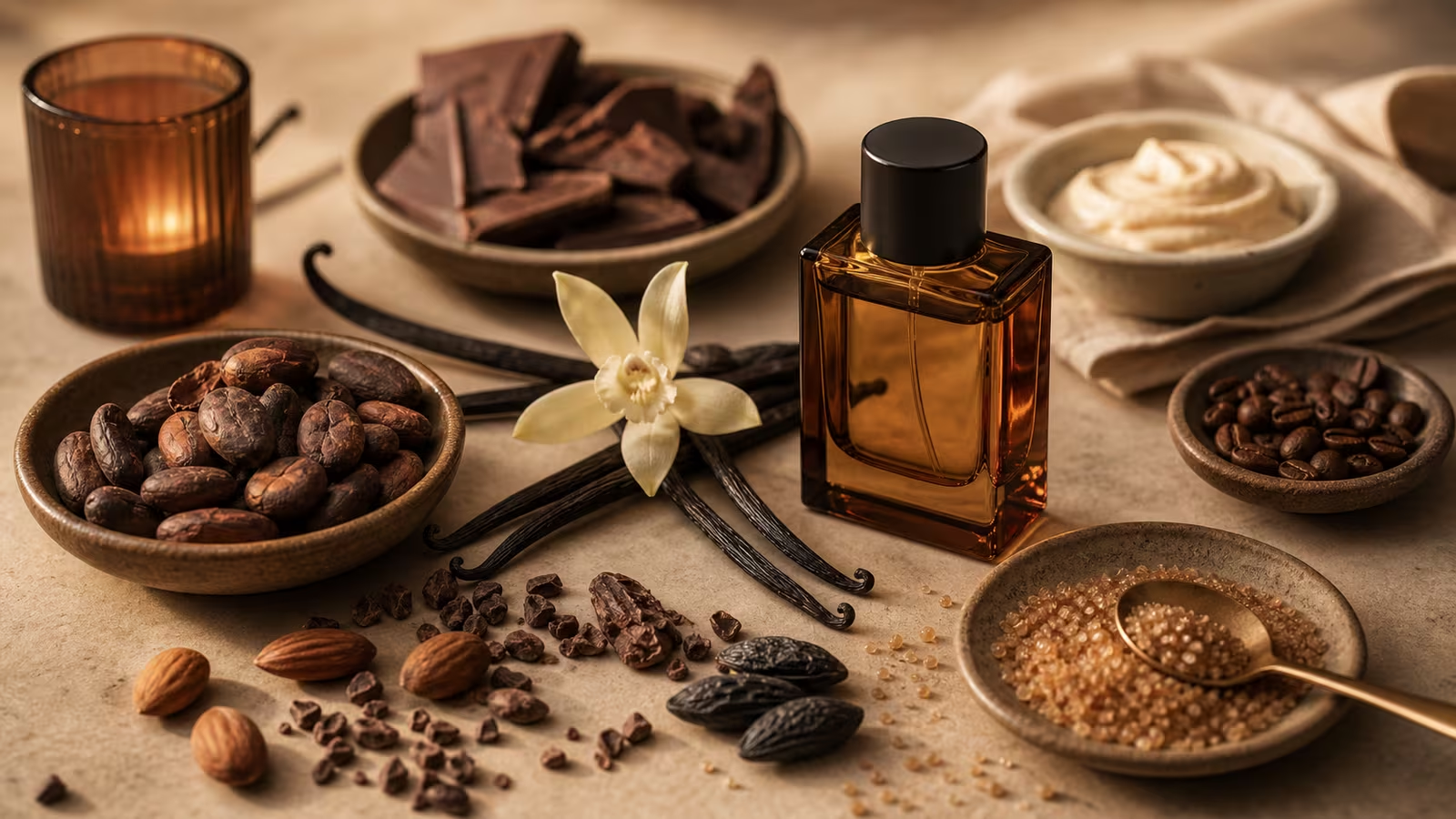
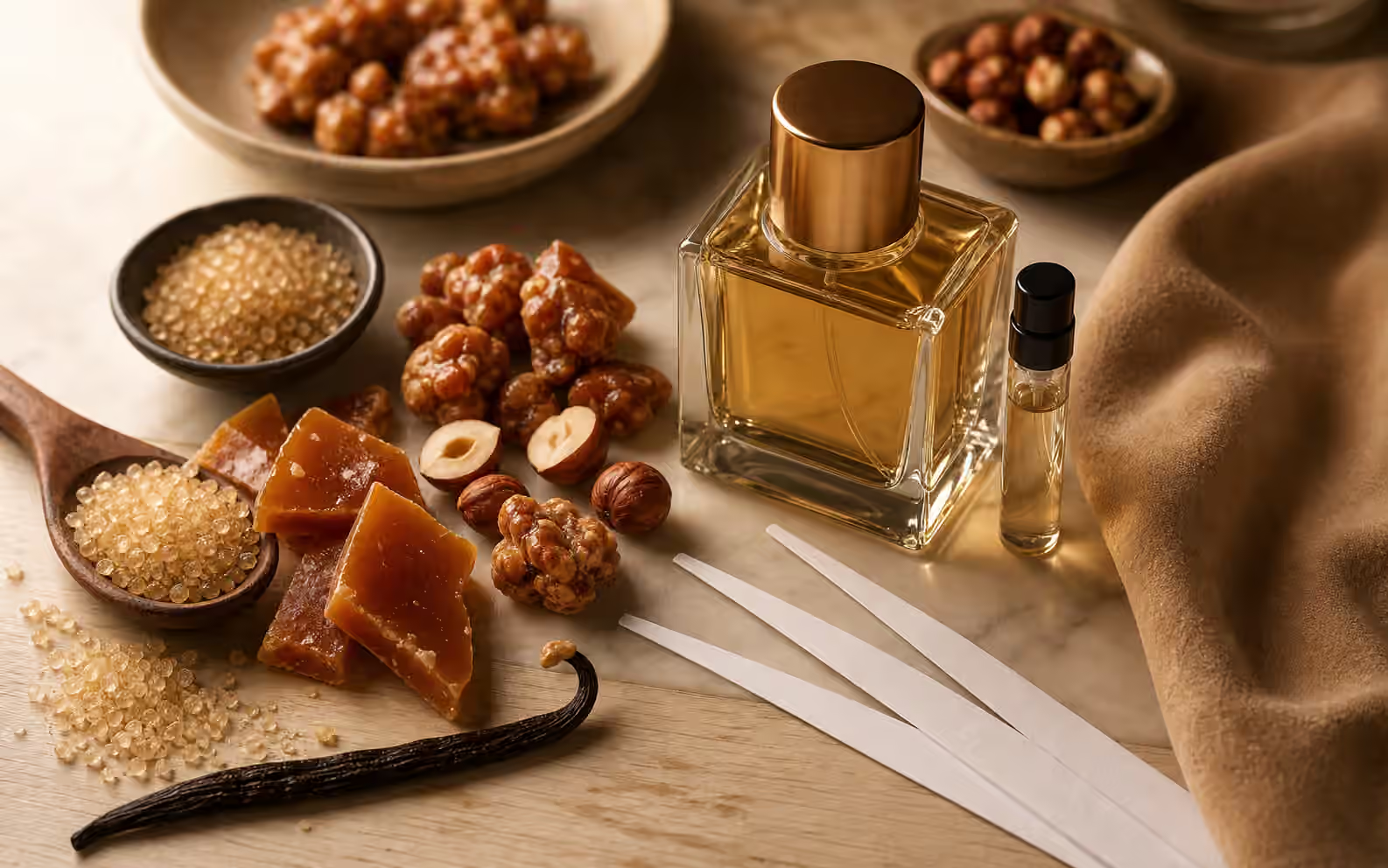
Vanilla is one of the most familiar words in perfume, which is exactly why it is easy to misunderstand. People hear vanilla and imagine frosting, candles, cookies, or body mist. Those references exist, but they are only one corner of the material. In fragrance, vanilla can be airy, smoky, woody, salty, creamy, leathery, powdery, resinous, or almost skin-like. Tonka has a similar range. It can suggest almond, hay, tobacco, warm powder, cherry-like sweetness, or a soft coumarin glow that gives a perfume comfort without making it smell like dessert.
The useful question is not whether a scent is vanilla. It is what kind of vanilla, what is holding it, and how much room it takes. A dry vanilla with cedar can feel tailored. A vanilla musk can feel clean and intimate. A vanilla amber can feel golden and plush. A vanilla caramel can feel edible and loud. Each belongs to a different life.
Vanilla is a base note with many moods
Vanilla often appears in the base because it lasts and rounds the perfume after brighter notes fade. It can soften woods, sweeten amber, make tobacco feel plush, give musks warmth, and turn florals creamier. In a simple body mist, vanilla may be the main point. In a more structured perfume, it may be almost invisible as a cushion under cedar, iris, suede, or orange blossom.
This is why Perfume Drydown matters so much for vanilla scents. The opening may smell bright, spicy, fruity, or floral, while the vanilla waits underneath. After an hour, the scent may become softer and more rounded. After several hours, vanilla may be the part left on a scarf. If you judge only the first spray, you may miss the stage that actually decides whether the perfume is wearable.
Dry vanilla is often the easiest version for people who fear sweetness. It may be paired with cedar, vetiver, sandalwood, patchouli, incense, tea, salt, or pale musk. The sweetness is still present, but it has edges. It does not feel like syrup poured over skin. It feels more like warmth inside wood.
Creamy vanilla behaves differently. It may sit with sandalwood, milk notes, coconut, almond, rice, heliotrope, musk, or soft florals. This can be comforting and beautiful, but it can also become too plush in heat or close rooms. Cream is not automatically heavy. The amount and the base decide.
Tonka is warmth with a dry shadow
Tonka is often described through coumarin, a material impression associated with hay, almond, tobacco, warm powder, and soft sweetness. In perfume language, tonka can make a scent feel rounded without relying on sugar. It is common in fougere structures, tobacco scents, gourmands, amber perfumes, and warm skin-like bases. It can be cozy, but it often has a drier, more textured quality than simple vanilla.
Tonka is especially useful when sweetness needs restraint. A perfume with tonka, lavender, moss, and woods may feel polished rather than edible. Tonka with tobacco can feel golden and leafy. Tonka with almond can feel powdery and tender. Tonka with vanilla can become rich, but if the composition adds cedar, iris, or spice, it can stay balanced.
The border between vanilla and tonka is not always obvious to the wearer. You may simply smell a warm base that feels familiar, soft, and slightly edible. That is fine. You do not need to identify every molecule. It is enough to notice whether the warmth feels clean, powdery, creamy, smoky, woody, or sticky.
Sweetness needs contrast
The Gourmand Scents guide explains edible warmth as a family, but vanilla and tonka deserve their own attention because they are not always gourmand. They can support a perfume without making it smell like food. The difference usually comes from contrast. Vanilla with caramel and praline moves toward dessert. Vanilla with cedar and musk moves toward skin. Vanilla with labdanum and benzoin moves toward amber. Vanilla with smoke and leather moves toward atmosphere.
Contrast gives sweetness shape. Citrus can brighten vanilla. Tea can dry it out. Salt can make it feel less sugary. Woods can give it structure. Iris can make it more elegant. Patchouli can deepen it. Smoke can toast it. Musk can soften it into warmth rather than flavor. If a vanilla perfume feels childish or cloying, the problem may be the missing counterweight rather than vanilla itself.
Overspraying also changes the story. A vanilla that feels beautiful as one spray under clothing may become dense when worn as a cloud. Warm materials expand with body heat and fabric. They can linger on scarves and coats after the wearer has stopped noticing them. The guide to Projection and Sillage is useful here because vanilla often feels friendly to the wearer while traveling farther than expected.
Weather changes vanilla
Cool air gives vanilla and tonka room. A warm base under a sweater can feel comforting because the air around it is crisp. In heat, the same perfume may become sweeter, thicker, or more insistent. Humidity can make creamy notes bloom. A dry indoor room can make a vanilla musk feel soft and close. Fabric can hold the base long after skin has moved on.
That does not mean vanilla belongs only to winter. Airy vanilla musks, citrus vanillas, tea vanillas, salted vanillas, and dry vanilla woods can work beautifully in mild or warm weather when applied lightly. Body mists and perfume oils can also make vanilla easier to control because they often sit closer, though some oils can be rich. The point is not season rules. The point is weight.
If you want vanilla for shared spaces, look for transparency and a modest scent radius. A close vanilla should feel like warmth near the body, not frosting in the room. The Close-Space Fragrance guide gives the broader etiquette, but vanilla adds one special lesson: pleasant notes can still be too present when the air is shared.
Sample the drydown before deciding
Vanilla and tonka are easy to love quickly because they speak in familiar comfort. That first response is real, but it is not enough. Wear the sample through a meal, through warm skin, through fabric, and through the late base. Notice whether sweetness grows or calms. Notice whether the perfume becomes powdery, smoky, woody, or flat. Notice whether you still want it near your face after several hours.
A useful note is specific. “Vanilla and cedar, dry enough for work” tells you more than “nice vanilla.” “Tonka and tobacco, too sweet on scarf” tells you more than “warm.” “Soft vanilla musk, gone quickly but lovely after shower” may mean a mist or travel spray is enough. The right size follows the way you actually use the scent.
Vanilla and tonka are not beginner notes in the dismissive sense. They are foundational because they teach balance. They show how comfort can be elegant, how sweetness can have structure, and how a familiar smell can become personal only when the whole composition fits the wearer.