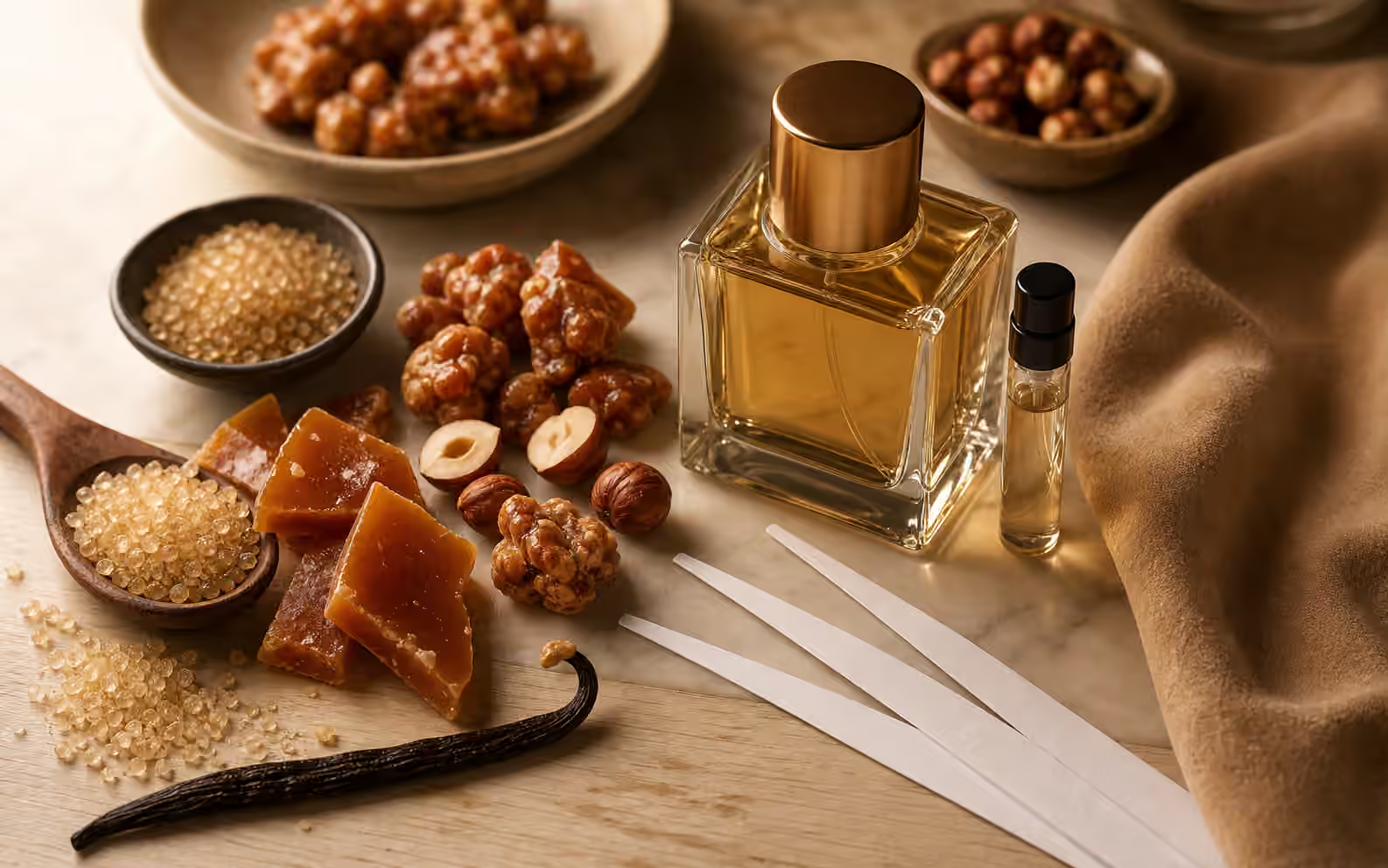
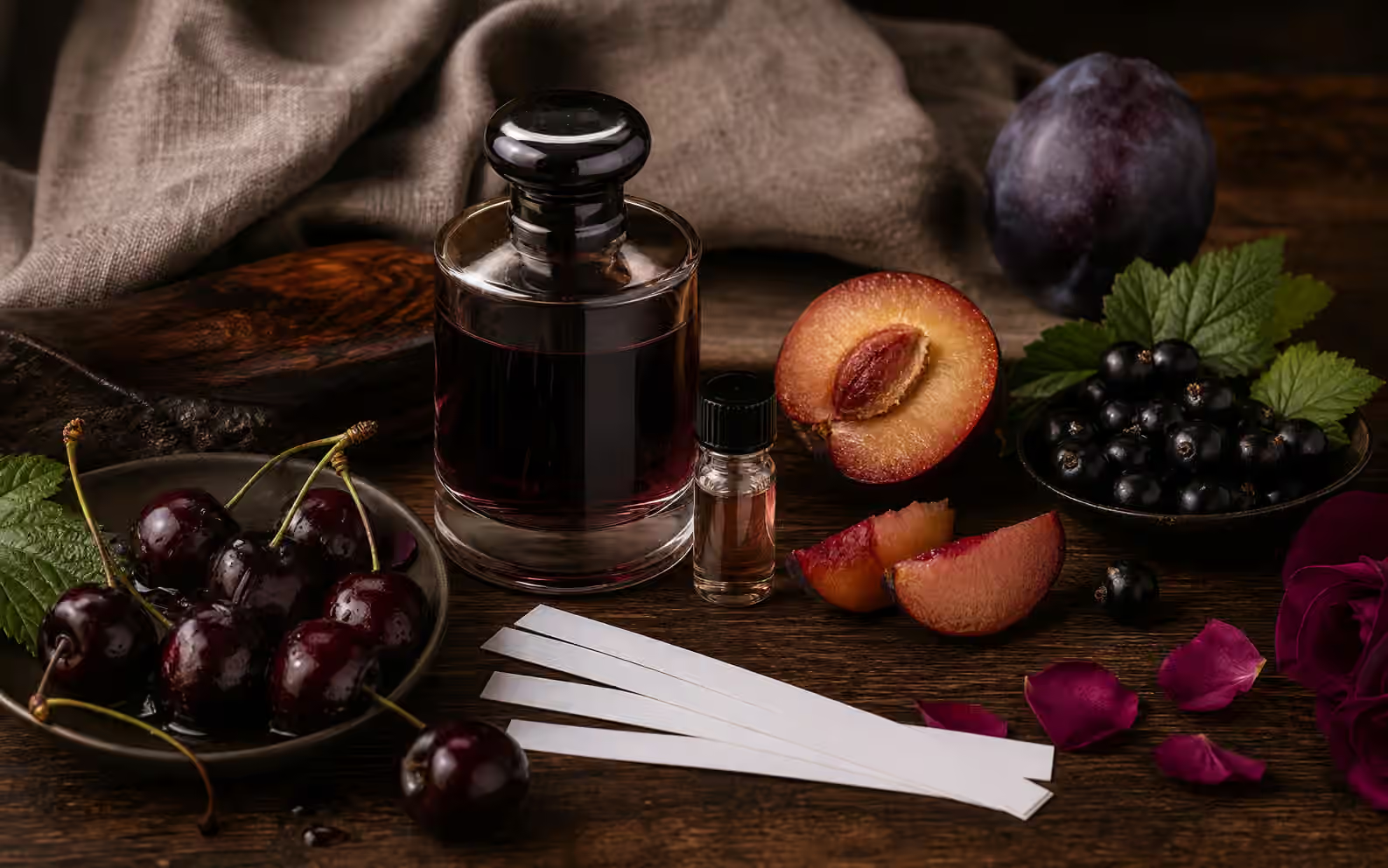
Tobacco, incense, and smoke scents can sound heavier than they need to be. Many people imagine a room full of haze, but perfumery often uses these materials and impressions with more precision. Tobacco can smell like dried leaves, honey, hay, spice, leather, fruit, or vanilla warmth. Incense can be resinous, cool, church-like, woody, mineral, or softly meditative. Smoke can be a thin gray thread through cedar, a charred edge on vanilla, a lapsang-like tea effect, or a polished leather shadow. The family is not only about darkness. It is about dryness, texture, and controlled warmth.
This guide belongs near Amber, Resin, and Spice Scents and Leather and Suede Scents because the borders overlap. Labdanum, benzoin, frankincense, myrrh, cedar, patchouli, saffron, vanilla, coumarin, and leather effects often appear in the same neighborhood. The difference is emphasis. Tobacco, incense, and smoke bring air, dryness, and atmosphere to warmth that might otherwise become too sweet.
Tobacco is leaf before it is sweetness
In fragrance, tobacco does not have to smell like smoking. It often refers to cured leaf: dry, golden, honeyed, grassy, leathery, spicy, or slightly fruity. A tobacco accord can feel like a humidor, a sun-warmed barn, a paper packet of dried leaves, or a soft brown sweetness under amber and vanilla. The most wearable tobacco perfumes usually balance dryness and warmth carefully. Too much syrup and the leaf disappears. Too much dry leaf and the scent can become rough.
Coumarin, tonka, hay, honey, dried fruit, vanilla, woods, rum-like facets, spice, and leather can all shape tobacco effects. This is why two tobacco fragrances can feel completely different. One may be cozy and sweet, close to vanilla amber. Another may be dry and almost austere, closer to hay, cedar, and leather. Another may feel fruity, with plum, cherry, or dried apricot effects. The note name alone does not tell you how comfortable it will be.
If you are new to tobacco scents, pay attention to the drydown. The opening may be rich or dramatic, but the late stage decides whether the fragrance becomes wearable. Some tobacco scents settle into soft vanilla woods. Others become darker, drier, or more leathery over time. Perfume Drydown is especially useful here because tobacco accords often reveal their true balance after the first half hour.
Incense can be cool, warm, or mineral
Incense in perfume is a wide idea. It may suggest frankincense, myrrh, church resin, temple smoke, dry woods, aromatic herbs, balsams, spices, or mineral air. Some incense fragrances are warm and resinous, with amber and spice around them. Others are cool, austere, and almost stony. Some feel smoky. Some feel more like polished air around resin than smoke itself.
Frankincense can bring lemony, pine-like, mineral, and resinous facets. Myrrh can feel darker, balsamic, bitter, or medicinal in a perfume context. Benzoin adds soft sweetness. Labdanum can add leathery amber warmth. Cedar and vetiver can make incense drier. Musks can soften the edges. The same incense idea can therefore become devotional, forest-like, modern, powdery, or quietly clean.
Incense is a good option for people who like amber but want less sugar. It gives depth without automatically becoming edible. It also works well for people who like woods but want atmosphere around them. A cedar fragrance can feel straightforward. Add incense and it may feel more spacious, like warm wood in cool air.
Smoke is a material effect, not a volume setting
Smoke in perfume can be beautiful when it is treated as texture rather than noise. A small smoky facet can make vanilla feel toasted, woods feel dry, tea feel roasted, leather feel worn, and amber feel less plush. Too much smoke can dominate everything and become tiring, especially indoors. The best smoky fragrances understand proportion.
There are many kinds of smoky effects. Birch tar can suggest leather, tar, and campfire, though it is usually handled with care and restraint in modern perfumery. Cade can feel smoky and woody. Vetiver can smell rooty, dry, and faintly smoky. Incense materials can create smoke without smelling like burnt wood. Tea accords can suggest roasted leaf. Even some woods and ambers can create a charred impression when paired with the right materials.
When sampling smoky scents, avoid judging only from the first spray. Smoke can be sharp at first and then become elegant. It can also do the reverse, hiding early and then clinging to fabric late. Test it in the kind of room where you would wear it. A smoky perfume that feels romantic outdoors in cool air may be too insistent in a small office or crowded train.
Sweetness can help or flatten the style
Vanilla, tonka, honey, dried fruit, amber, and rum-like notes often appear with tobacco and smoke because sweetness softens dryness. This can be gorgeous. Tobacco with vanilla can feel plush and comforting. Incense with benzoin can feel golden. Smoke with amber can feel like warm resin. The risk is that sweetness can flatten the texture that made the scent interesting in the first place.
If a tobacco fragrance becomes too syrupy on you, look for versions with cedar, vetiver, tea, iris, patchouli, leather, or dry spice. If incense becomes too heavy, look for citrus, pine-like facets, mineral notes, or clean woods. If smoke becomes too harsh, look for suede, musk, soft amber, or tea smoke rather than campfire effects. Small shifts in support notes can change the whole mood.
This is where Perfume Accords helps. Tobacco, incense, and smoke are often built impressions rather than simple single materials. Once you think in accords, you can separate the parts you enjoy from the parts that overwhelm you. You may dislike sweet pipe-tobacco styles but love dry tobacco leaf. You may dislike bonfire smoke but love cool frankincense. You may dislike heavy resin but love a thin smoky line through tea and cedar.
Projection can make or break the experience
Warm, resinous, smoky, and sweet materials often have presence. They can feel wonderful in cool air and too large in close rooms. Projection is not a moral quality, but it is a practical one. A perfume that trails beautifully on an evening walk may crowd a small meeting room. A tobacco vanilla that feels cozy at home may linger on a coat long after you want it gone.
Projection and Sillage is worth reading before treating performance as a score. For this family, louder is not automatically better. A moderate incense that sits close can be more elegant than a huge smoke cloud. A soft tobacco drydown may be easier to wear than a fragrance that announces dried fruit and vanilla across the room. The question is not how far the scent can travel. It is whether the distance fits the setting.
Fabric deserves caution too. Tobacco, incense, smoke, amber, and leather effects can cling to scarves, collars, sweaters, and jackets. That persistence can be beautiful if you commit to the scent for the day. It can be frustrating if you want to switch to a fresh tea or clean musk tomorrow. Spray clothing lightly and test washable layers before precious fabrics.
Where these scents fit in a wardrobe
Tobacco, incense, and smoke scents often work best as intentional choices rather than default daily fragrances, though some quiet versions can be worn often. They shine in cool weather, evening routines, outdoor walks, quiet dinners, reading at home, or any setting where warmth and atmosphere feel welcome. They can also give a fragrance wardrobe contrast. If most of your scents are fresh, floral, or clean, one dry incense or soft tobacco can make the whole wardrobe feel more complete.
They do not need to be dramatic to be useful. A transparent frankincense with citrus can be daytime-friendly. A tobacco tea can be more polished than sweet. A suede smoke can feel intimate rather than loud. A resinous incense can replace a sugary amber when you want warmth with more air around it.
Sampling should be slow. Wear one scent at a time and let the drydown speak. Notice whether the smoke becomes rough, whether the tobacco becomes too sweet, whether the incense feels calming or cold, and whether the base is something you want on fabric hours later. Use ordinary language in your notes. “Dry leaf and vanilla, too sweet by evening” is useful. “Cool resin and cedar, better outside” is useful. “Loved the first hour, coat held smoke too long” is useful.
The appeal of this family is not haze for its own sake. It is the way dryness can make warmth more interesting. Tobacco adds leaf and texture. Incense adds resin and air. Smoke adds shadow and contrast. When those elements are balanced, a fragrance can feel grounded, intimate, and memorable without taking over the room.