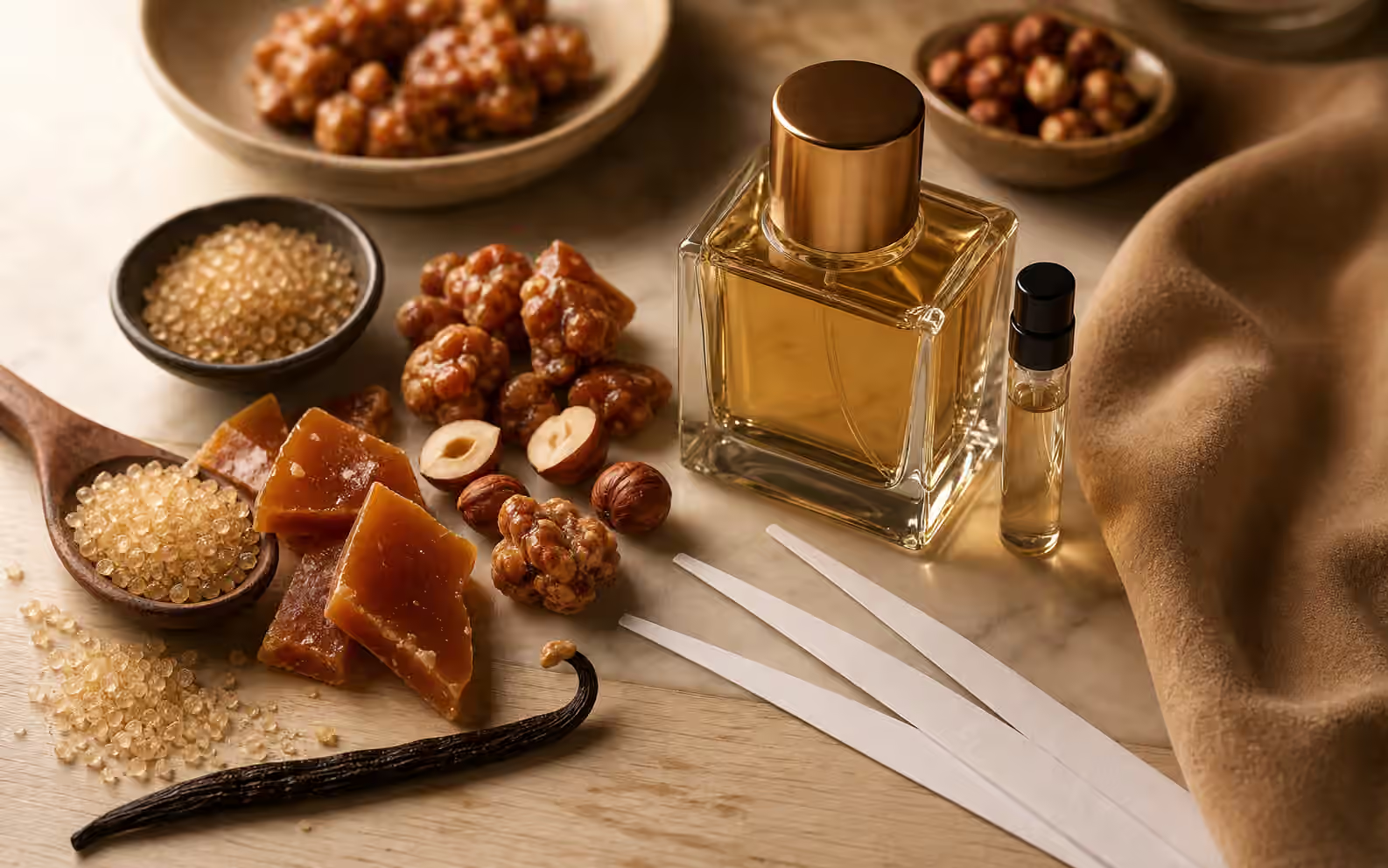
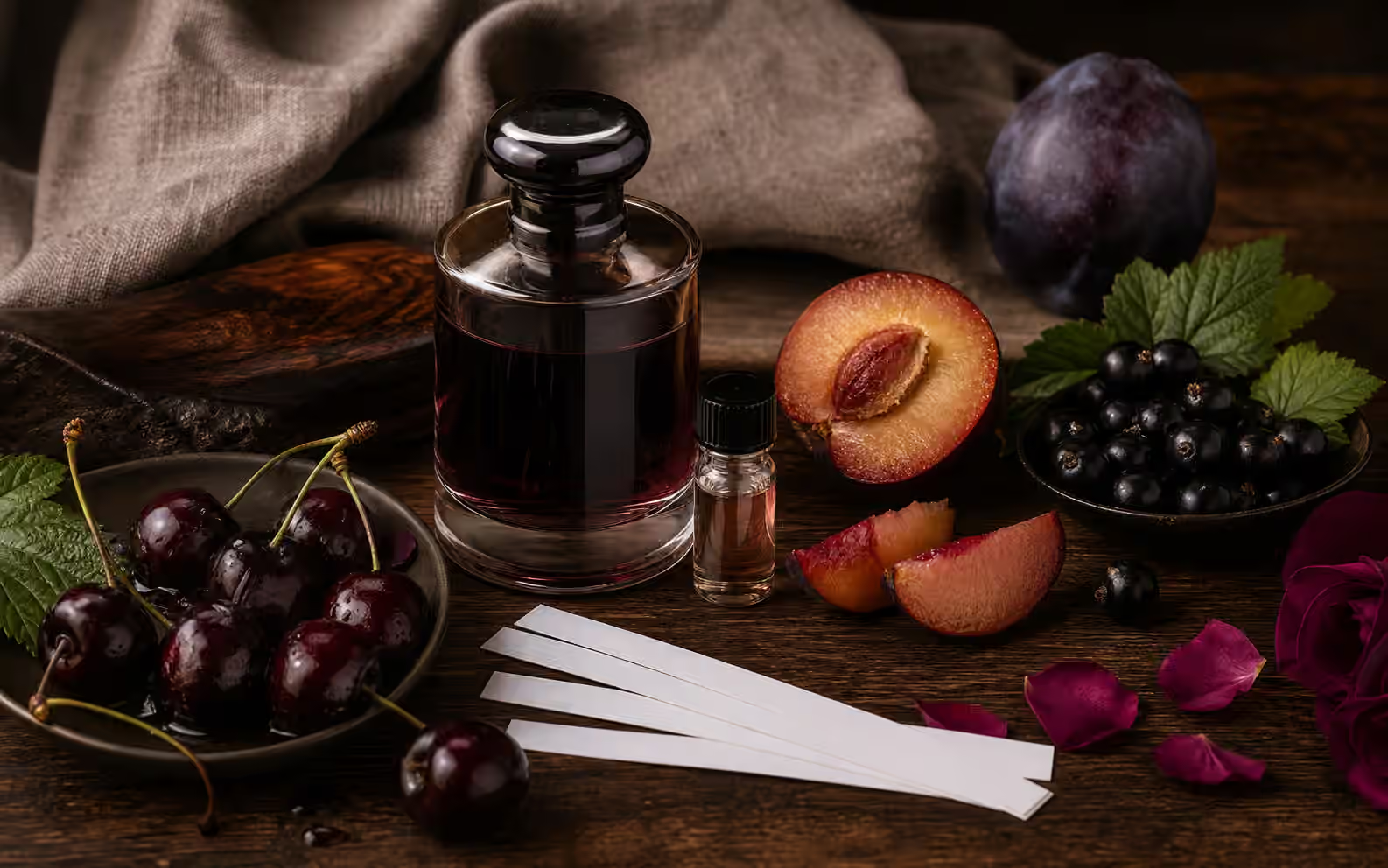
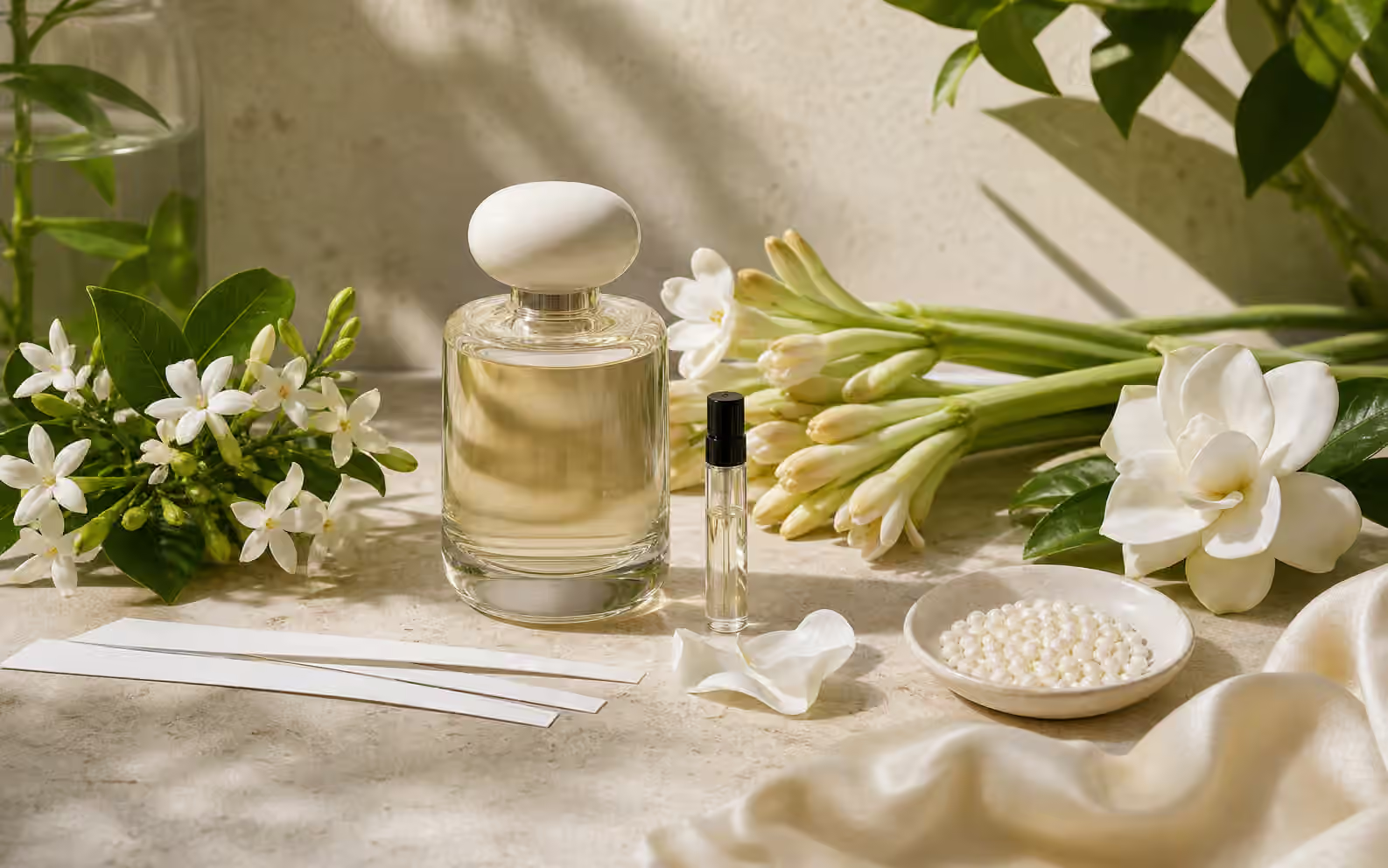
Spice notes make perfume feel animated. They can add lift, heat, dryness, sparkle, comfort, bite, or a quiet sense of movement. A fragrance with no spice can be beautiful, but a trace of cardamom, pepper, saffron, cinnamon, ginger, clove, coriander, nutmeg, or pink pepper can make it feel more alive. Spice does not always mean warm and heavy. Some spice is cool. Some is fresh. Some is dusty and dry. Some is almost transparent, more sensation than flavor.
The existing Amber, Resin, and Spice Scents guide covers a warm family where spice often sits beside labdanum, benzoin, vanilla, and resins. This guide looks at spice itself as a tool. Spice can brighten citrus, sharpen rose, dry down vanilla, give leather a glow, make woods more dimensional, and keep sweet perfumes from feeling flat.
Cardamom is cool warmth
Cardamom is one of the most wearable spice notes because it feels warm and cool at the same time. It can be aromatic, green, slightly citrusy, peppery, milky, or tea-like. In a fresh fragrance, cardamom can make citrus feel less simple. In a woody perfume, it can add a clean pulse. In a creamy scent, it can keep softness from becoming sleepy.
Cardamom often works well for people who want spice without obvious cinnamon sweetness. It can sit close to skin, especially with musk or sandalwood. It can make a fragrance feel like warm fabric rather than dessert. It is also useful in Tea Scents because tea and cardamom share a dry, aromatic comfort. A chai-like direction may use cardamom with cinnamon, ginger, milk effects, and vanilla, but cardamom does not need that full setting to be expressive.
The main thing to notice is brightness. Some cardamom scents open almost sparkling. Others become soft and creamy. If a perfume feels polished but not floral, warm but not sweet, cardamom may be part of the reason.
Pepper adds air and edge
Pepper in perfume rarely smells like a pepper grinder sitting on the table. Pink pepper can feel rosy, fizzy, fruity, or bright. Black pepper can feel dry, mineral, sharp, or woody. Sichuan pepper effects can feel tingling and citrus-like. Pepper often works as a top or heart note, creating lift before the base settles.
Pepper is useful when a perfume needs movement. It can keep rose from feeling too pretty, make citrus more textured, give musk a clean crackle, or turn woods slightly dry and modern. It can also make a fragrance feel more transparent because pepper often reads as air around the notes rather than a dense material.
Too much pepper can feel scratchy or metallic, especially on dry skin or in cold air. If you dislike one pepper scent, try another structure before rejecting the note. Pepper over musk feels different from pepper over leather, and both feel different from pepper over grapefruit.
Saffron brings leather, warmth, and glow
Saffron in perfume often suggests warm spice, leather, hay, iodine, dried flowers, suede, or a glowing golden thread through the composition. It can be luxurious without being sweet. It appears often with rose, oud-style woods, amber, leather, musk, and resins. A little saffron can make a scent feel polished and tactile. A lot can make it feel medicinal, leathery, or intense.
Because saffron overlaps with leather impressions, it belongs near Leather and Suede Scents . It can make a suede accord feel warmer and more colored. It can make rose feel deeper. It can make amber feel less syrupy. In small doses, it gives a perfume a sense of dry light. In large doses, it may dominate the room.
Saffron is a good note to test on skin because it can change dramatically from person to person. On one wearer it may feel smooth and golden. On another it may turn sharp, rubbery, or medicinal. That does not make either reaction universal. It means the note needs a real wear test.
Cinnamon, clove, and nutmeg carry comfort and risk
Cinnamon, clove, and nutmeg are familiar from kitchens, which makes them emotionally immediate. They can make perfume feel cozy, festive, warm, plush, or nostalgic. They also carry a risk of becoming too literal. A fragrance that smells exactly like a spice cabinet can be fun for a moment and tiring for a day.
The best warm spice perfumes usually use contrast. Cinnamon with dry woods feels different from cinnamon with sugar. Clove with carnation or rose can feel vintage and floral. Nutmeg with lavender or cedar can feel understated. Ginger can bring sparkle and heat without the same heaviness. Coriander can feel citrusy and aromatic. These details matter because “spicy” is not one effect.
Warm spices often expand in cool air and on fabric. They can be wonderful under a coat, but they can also linger. If a spice fragrance is meant for work, transit, or shared rooms, test the smallest application first. The guide to Projection and Sillage is useful here because warm materials may seem comforting to the wearer while becoming obvious to everyone nearby.
Spice can balance sweetness
Spice is one of the easiest ways to give sweetness structure. Vanilla with cardamom feels different from plain vanilla. Tonka with black pepper feels drier. Caramel with ginger feels brighter. Amber with saffron feels more textured. Rose with clove can feel velvety instead of sugary. Tobacco with cinnamon can be rich, but tobacco with dry spice and cedar can be more restrained.
This is why spice appears so often in gourmand, amber, tobacco, leather, and woody perfumes. It creates friction. Without friction, sweetness can become flat. With too much friction, the perfume can become harsh. The balance is personal. Someone who loves soft sweetness may find black pepper unnecessary. Someone who dislikes syrupy bases may need spice to make warmth wearable.
Spice also helps bridge fragrance families. A citrus cardamom scent can lead a fresh-scent wearer toward woods. A saffron rose can make florals feel less delicate. A ginger tea perfume can make freshness feel warmer. A cinnamon sandalwood can make a woody scent more approachable without turning it into dessert.
Sample spice through the middle
Spice often lives in the opening and heart, so it can make the first minutes exciting. Slow down before buying from that excitement. Wear the perfume until the spice either settles, roughens, sweetens, or disappears. Some spicy openings leave a calm woody base. Some become louder as the perfume warms. Some fade quickly and leave only musk or amber. The middle stage tells you whether the note is integrated or merely decorative.
Write notes about texture rather than only naming ingredients. “Cool cardamom over sandalwood” is useful. “Pink pepper and rose, too sharp at first but lovely after half an hour” is useful. “Cinnamon vanilla, cozy at home, too much on scarf” is useful. Spice notes are small materials with large influence. When they are balanced, they make a perfume feel awake.