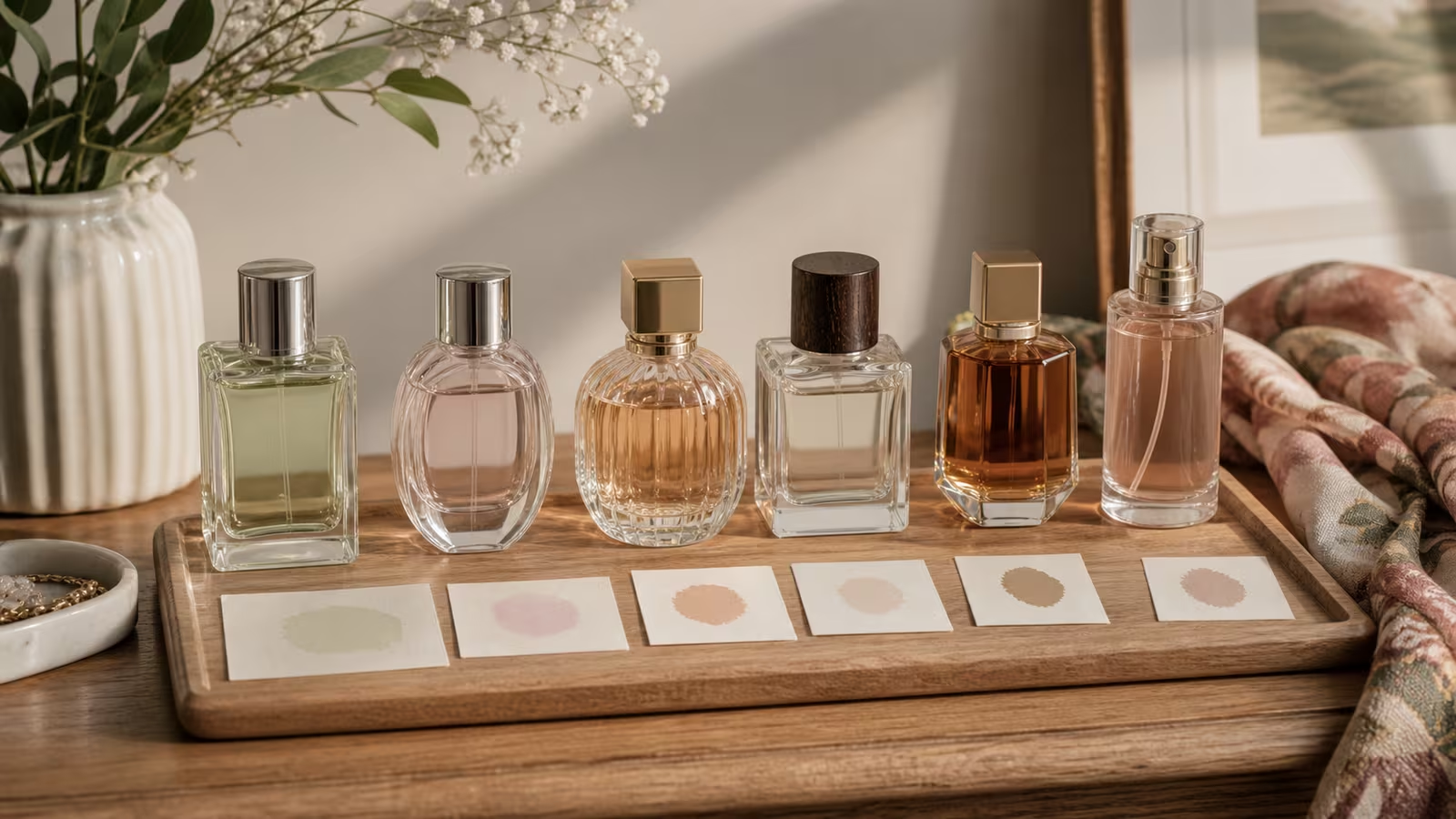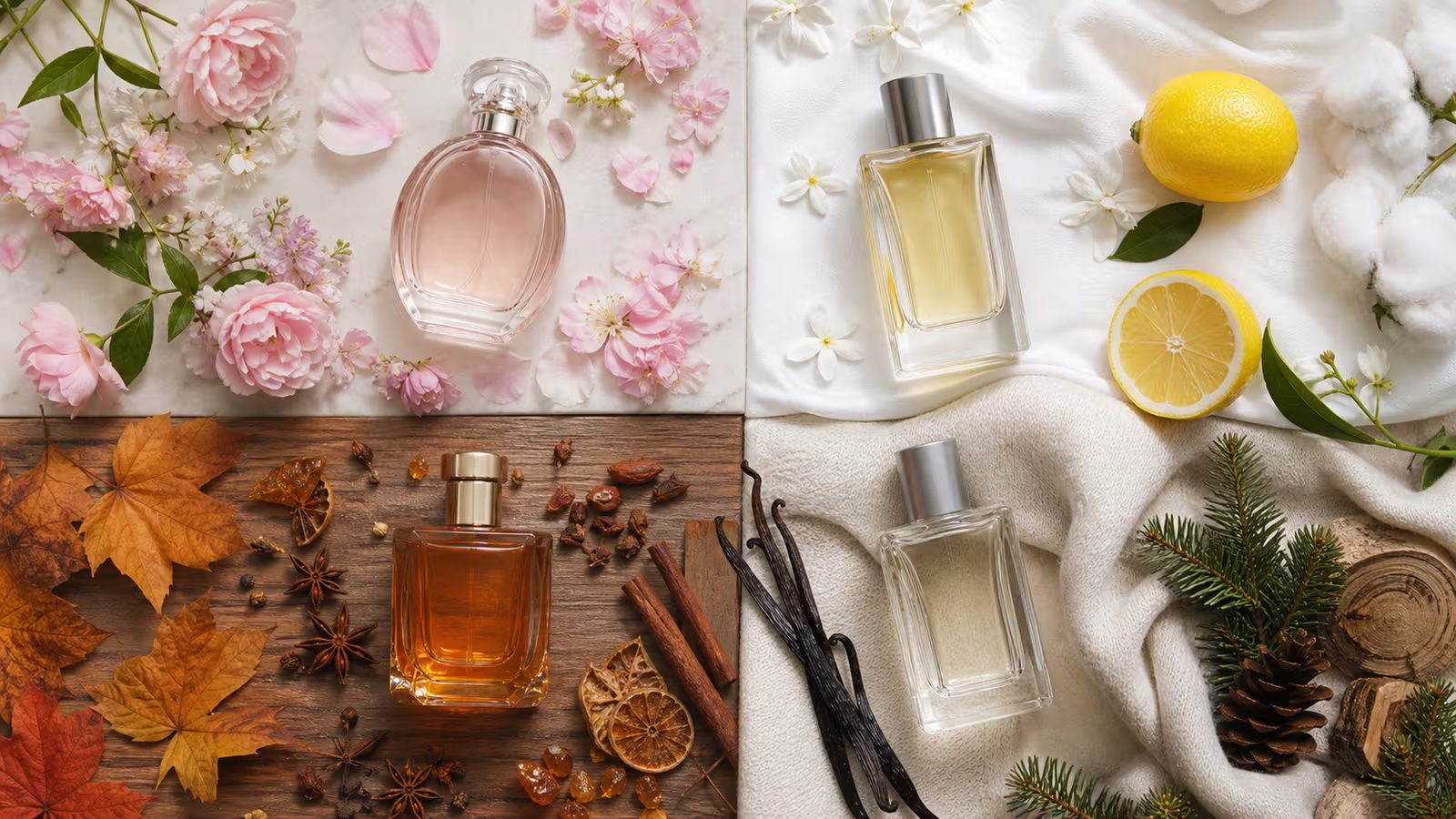
Choosing fragrance by season or occasion is less about rules and more about comfort. Perfume lives in air, temperature, clothing, skin, and social distance. A warm vanilla that feels beautiful under a winter coat may feel heavy on a humid train platform. A bright citrus that feels perfect in July may vanish too quickly in cold wind. A bold floral that feels glamorous at a wedding may feel intrusive in a small office. The question is not “Can I wear this?” You can wear what you like. The better question is “Will this scent make sense for the room, the weather, and the way I want to feel?”
Think of fragrance as another layer of clothing. You would not wear the same sweater to the beach, a wedding, a job interview, and bed, even if you loved it. You might keep the same style, but you would adjust weight, fabric, and formality. Perfume works the same way. A scent wardrobe becomes easier when you match weight and mood to real life.
Spring: light bloom and clean air
Spring often suits fragrances that feel open, green, floral, watery, or softly musky. After winter, heavy sweetness can feel less appealing, and notes like peony, rose, orange blossom, iris, green tea, neroli, lily of the valley, pear, and clean musk begin to make sense. A spring fragrance does not need to smell like a literal garden. It can simply feel like windows opening.
Spring is also a good time for transitional scents. A floral musk can work on cool mornings and warmer afternoons. A green rose can feel fresh without being thin. A citrus floral can give brightness with a heart that lasts. A light sandalwood can add comfort when the weather is still uneven. If you are building a wardrobe, spring is a good season to test soft florals and fresh woods because they show range.
For occasions, spring scents often work well at daytime events, brunches, showers, office days, and walks. Keep application moderate for indoor gatherings. Florals can bloom more than expected as the room warms.
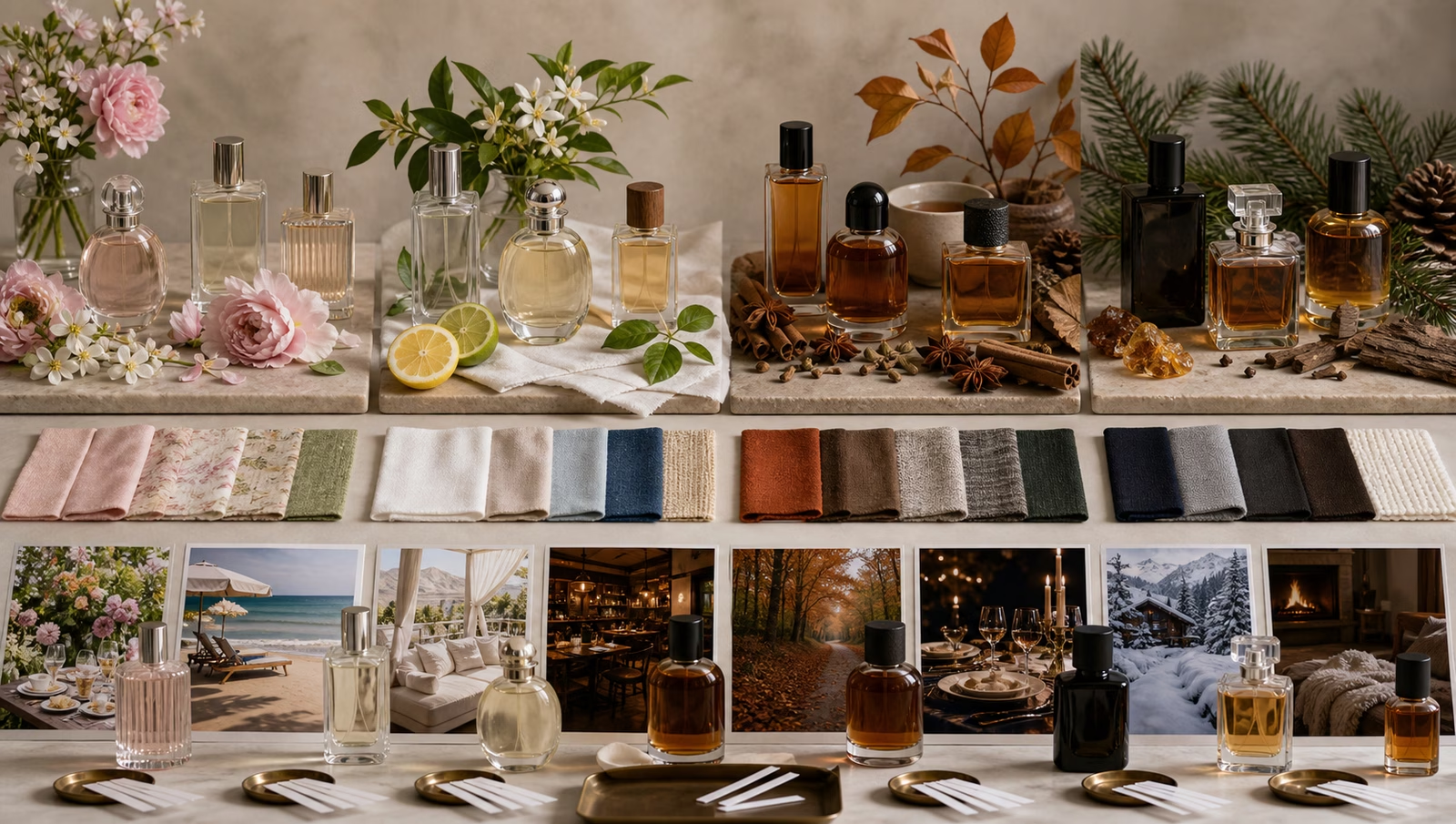
Summer: brightness, air, and restraint
Summer asks fragrance to be breathable. Heat intensifies scent, especially sweetness, musk, amber, and dense florals. This does not mean you must abandon perfume. It means lighter application and fresher structures help. Citrus, neroli, mint, basil, green tea, cucumber, coconut water, light musks, aquatic notes, transparent florals, and airy woods can all work beautifully.
Body mists are especially useful in summer because they are casual and easy to refresh. A citrus mist after a shower, a clean musk before errands, or a coconut floral for vacation can feel exactly right. Light EDTs and colognes also shine because they are designed for lift. If they fade, carry a travel spray instead of overspraying in the morning.
Summer is also when social context matters most. Warm skin projects. Crowded trains, offices, classrooms, airplanes, and outdoor dining can turn a heavy scent into too much. If you love gourmands in summer, choose airy versions: salted vanilla, citrus vanilla, tea with milk, light pistachio, or coconut musk. Save dense caramel ambers for cooler evenings unless you know they behave gently on you.
Fall: spice, woods, and soft warmth
Fall is where many fragrance wardrobes become fun. Cooler air welcomes texture: cardamom, cinnamon, tea, amber, sandalwood, cedar, vanilla, tonka, fig, tobacco-like notes, suede, coffee, patchouli, and soft smoke. The clothes change too. Wool, denim, leather, scarves, and boots can carry woody and warm notes beautifully.
Fall fragrances do not need to be heavy. A cardamom tea scent can be as autumnal as a dense amber. A fig wood can feel cozy without sweetness. A dry vanilla cedar can be more wearable than a pastry gourmand. The best fall scents often have contrast: spice with freshness, vanilla with wood, amber with musk, coffee with clean dryness.
For occasions, fall scents work well for dinners, bookstores, workdays, casual dates, and outdoor events. This is a good season to test projection because scarves and jackets can hold fragrance. Spray carefully on fabric, and remember that the scent may linger into the next wear.
Winter: depth, comfort, and presence
Winter can handle richer perfumes. Cold air quiets some scents, and heavier clothing creates space for deeper materials. Amber, resin, vanilla, smoke, incense, leather, oud-inspired accords, patchouli, dark rose, dense woods, gourmand notes, and extrait formats may feel more natural now than they do in heat. A winter fragrance can be comforting, elegant, dramatic, or enveloping.
Still, indoor heating changes the story. A perfume that feels perfect outside can become strong in a small, warm room. Apply for the indoor setting, not only the weather. One spray of a dense amber may be enough for dinner. A perfume oil may be better for close winter comfort than a large spray cloud. Moisturized skin also matters because winter dryness can make some fragrances fade unevenly.
Winter is a beautiful time for warm wardrobes: one cozy scent for home, one polished scent for events, and one deep scent for evenings. If you love fresh fragrance, try winter fresh styles with woods, musk, or aromatic notes so they do not disappear instantly.
Work, school, and close spaces
Shared spaces reward moderation. The best work or school fragrance is one that sits within your personal space. Clean musks, soft florals, light woods, tea scents, gentle citrus, and subtle skin scents often work well. Loud gourmands, heavy ambers, strong smoke, and huge white florals may be better saved unless your environment is fragrance-friendly and spacious.
Application matters more than category. A single spray of a rich scent under clothing may be more polite than six sprays of a fresh scent. Ask for distance feedback if you are unsure. You want people near you to think you smell pleasant, not to know your perfume before they know you are there.
Dates, dinners, and evenings
Date and evening fragrances can be warmer, softer, or more memorable, but they should still invite rather than overwhelm. Vanilla, musk, sandalwood, amber, rose, iris, soft spice, coffee, and skin scents can all work beautifully. The best intimate fragrances often stay close. They create interest at conversation distance instead of filling the room.
For dinner, consider food. Very sweet, smoky, or loud fragrances can interfere with eating. A soft woody scent, musk, rose, iris, or restrained amber may be more elegant. For drinks or evening walks, you can go bolder. For a first date, wear something you know well. A new untested perfume can become a distraction if it turns strange on skin.
Weddings, interviews, travel, and bedtime
Weddings call for balance. You want to feel dressed, but you may be hugging people, sitting close, eating, dancing, and spending hours indoors. Soft florals, musks, polished woods, rose, orange blossom, iris, or gentle amber can work well. Avoid anything that demands the room unless that is truly your role in the event.
Interviews and formal meetings usually benefit from restraint. Choose clean, soft, and confident rather than dramatic. Travel asks for courtesy and portability. Airplanes and rideshares are not the place for heavy projection; a rollerball, oil, or very light spray is wiser. Bedtime is personal. Some people love lavender, vanilla, musk, or sandalwood at night. Others prefer no scent. If you use fragrance for sleep rituals, keep it soft and separate from your daytime statement scents.
Build your own rules
Seasonal and occasion advice should help you notice context, not trap you. If you love fresh citrus in winter, wear it. If vanilla is your summer signature and you apply lightly, enjoy it. Your climate, skin, workplace, culture, and personal style matter. The real skill is understanding weight, projection, sweetness, freshness, and intimacy.
Before choosing a fragrance, ask what the day needs. Do you want clarity, comfort, polish, romance, freshness, warmth, or quiet? Will you be indoors or outside? Close to people or moving through open air? Eating, working, traveling, celebrating, or resting? The right scent is the one that answers those questions with grace. When fragrance fits the moment, it does not feel like decoration. It feels like part of the day.