Scent layering sounds advanced until you realize it is something people do by accident every day. Your soap, shampoo, deodorant, body lotion, laundry detergent, hair products, body mist, perfume oil, and perfume all meet on the same body. Sometimes they get along. Sometimes they argue. Layering is simply the art of making those smells cooperate on purpose.
The goal is not to create the loudest possible cloud. Good layering feels rounded, personal, and comfortable. It can make a light fragrance last longer, soften a sharp perfume, add warmth to a clean scent, or turn a simple body mist into something that feels more finished. The trick is to build in thin, compatible layers instead of piling on every scented product you own.
Start with skin
Fragrance usually behaves better on moisturized skin. Dry skin can make perfume fade quickly because there is less surface comfort for the aromatic materials to cling to. A plain unscented lotion is the easiest layering tool in the world. Apply it, let it settle for a few minutes, then spray or dab fragrance. This does not dramatically transform the scent, but it can make the wearing experience smoother and sometimes longer.
Unscented products are also useful because they reduce background noise. If your body wash smells like tropical fruit, your lotion smells like vanilla, your hair oil smells like coconut, and your perfume smells like green tea, the result may be confusing even if every product is pleasant alone. A quiet base lets the fragrance speak clearly. Beginners often improve their perfume experience not by buying more scent, but by making the surrounding routine less chaotic.
If you do use scented lotion, treat it as part of the composition. A vanilla lotion under a vanilla perfume may create softness and longevity. A citrus lotion under a fresh scent may add lift. A rose cream under a rose fragrance may make the floral heart feel fuller. But a strong cherry lotion under a delicate woody perfume may pull the whole scent in a direction you did not intend. There is no universal rule except to test gently.
Match by mood before matching by note
Layering works best when the products share a mood, even if they do not share exact notes. A clean musk body mist can layer beautifully under a soft floral because both feel gentle and airy. A sandalwood oil can sit under a vanilla perfume because both feel warm and smooth. A citrus mist can brighten a tea scent because both feel refreshing. Exact note matching can help, but mood matching is often more reliable.
Imagine getting dressed. A white shirt, soft cardigan, and simple gold jewelry work together because the mood is coherent, not because every item is the same color. Fragrance layers can behave the same way. A fresh shower gel, unscented lotion, green tea mist, and soft musk perfume can feel like one clean idea. A cocoa butter lotion, amber oil, and vanilla eau de parfum can feel cozy and warm. A rose body cream and woody musk perfume can feel polished without becoming sugary.
The easiest beginner pairings are close families: fresh with fresh, floral with musk, vanilla with amber, woods with oils, citrus with tea, coconut with solar florals, and clean mist with almost anything soft. More adventurous pairings can be beautiful, but they are easier once you know the behavior of each layer alone.
Use strength in the right order
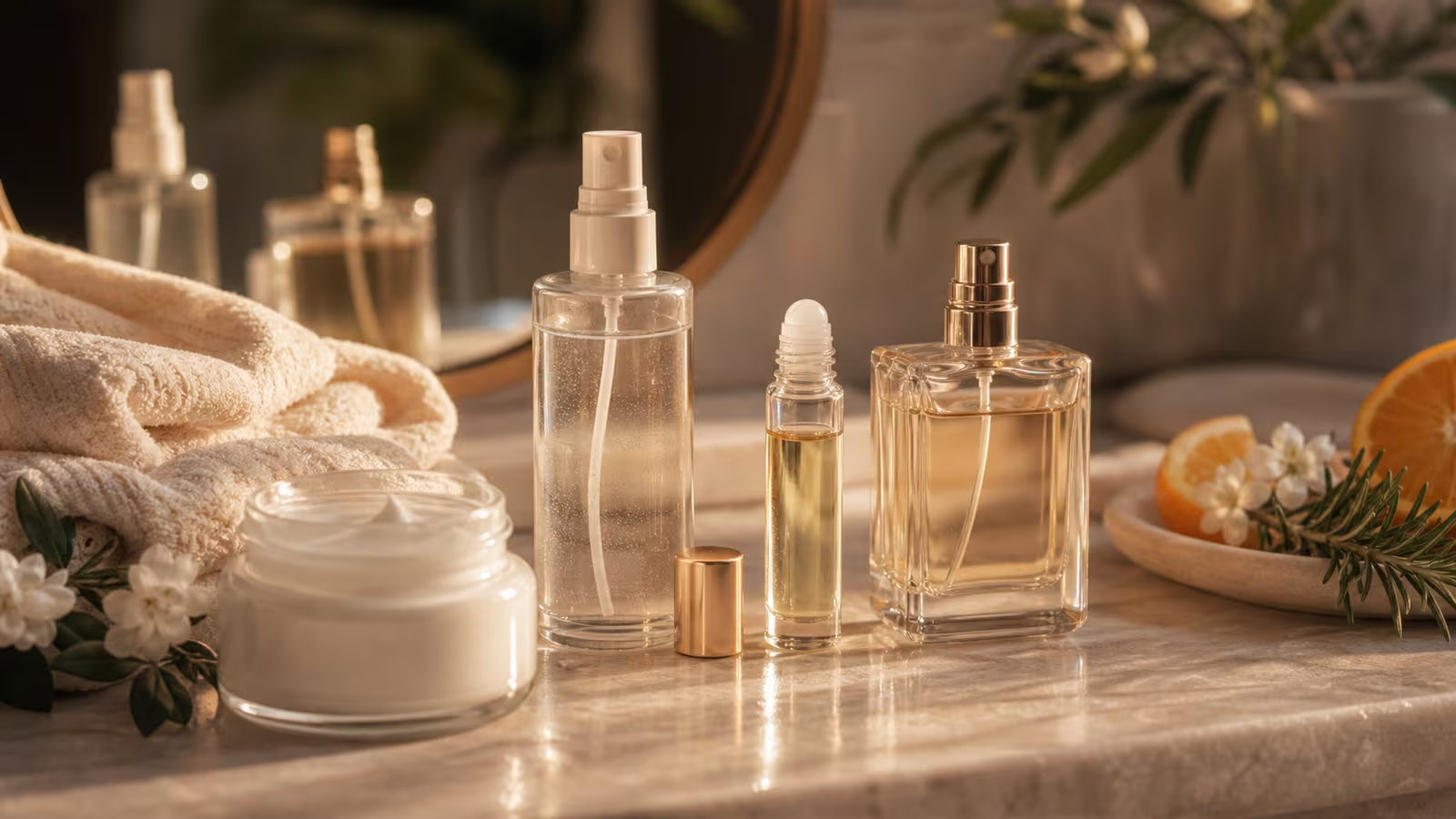
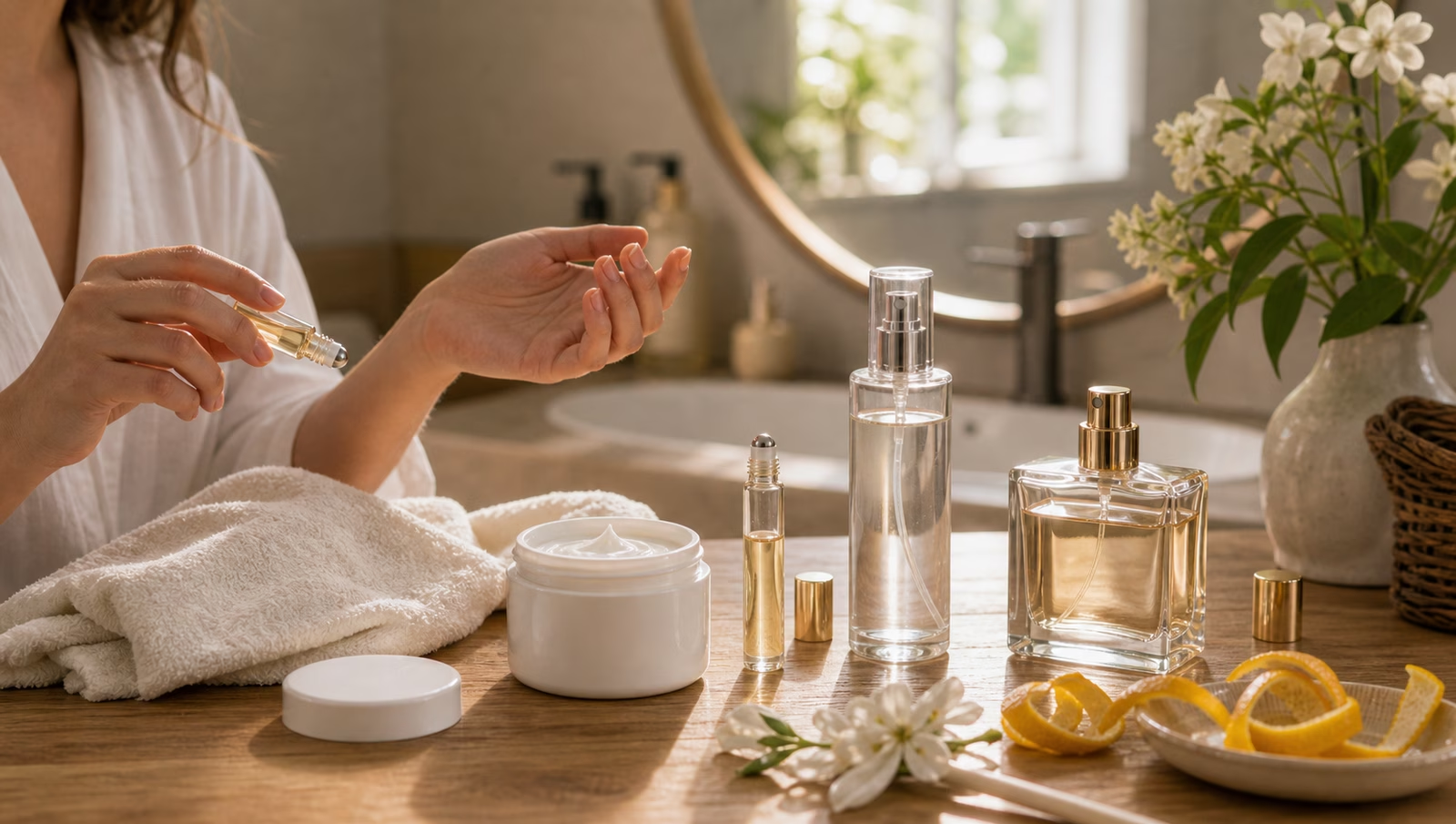
A helpful layering order is to move from quiet and close to more diffusive. Lotion comes first because it prepares skin. Oil comes next if you use it, because it sits close and benefits from skin contact. Body mist can go over a wider area if you want a soft veil. Perfume spray usually comes last because it is the most structured and most likely to project.
This order is not a law, but it prevents a common problem: using a delicate perfume oil on top of a huge spray cloud and then wondering why the oil disappears. Let each layer have a job. The lotion supports. The oil adds intimacy or warmth. The mist gives casual atmosphere. The perfume gives shape.
Apply less than you think at first. One scented lotion plus one oil plus one mist plus one perfume can become a lot quickly. Layering increases total fragrance even when each product seems light. Try the combination at home before wearing it to work, school, travel, or a crowded event. You want to know whether the drydown becomes beautiful or simply too much.
Build simple formulas
A clean everyday formula might begin with unscented lotion, then a soft musk mist, then one spray of a fresh floral. The result is not complicated. It just feels more rounded than perfume on dry skin. A cozy evening formula might use a vanilla lotion, a sandalwood or amber oil on pulse points, and a small amount of vanilla or woody perfume. A summer formula might use lightweight lotion, citrus mist, and a transparent tea or neroli scent. A date-night formula might use a rose body cream with a musky floral perfume, keeping the application close enough to invite rather than announce.
The best formulas are repeatable. If you accidentally create a beautiful combination but cannot remember what you used, it becomes a one-time mood instead of a wardrobe tool. When a layering experiment works, write it down in ordinary language: “unscented lotion, vanilla oil, two sprays of woody amber on clothes” or “clean mist, pear perfume, no scented hair product.” Those notes help you repeat success and avoid combinations that turn loud or muddy.
Be careful with fabric and hair
Fabric can hold fragrance longer than skin, which makes it tempting for longevity. It can also stain, especially with oils, dark liquids, or rich extracts. Spray from a distance and test on hidden areas if you are unsure. Scarves, coat linings, and sweaters can keep base notes for days, which is lovely when you love the scent and annoying when you want to switch. Fragrance on clothing is less affected by skin chemistry, but it can also feel less alive.
Hair carries scent beautifully, but regular perfume can be drying because of alcohol. Hair mists exist for a reason, and a light spray on a brush can be gentler than spraying directly if your hair tolerates it. Avoid loading fragrance near the face if you are sensitive. A scent trail should not give you a headache.
Know when not to layer
Some perfumes are already complete. They have a careful opening, heart, and base, and adding a scented lotion or mist can flatten the design. If a fragrance is complex, expensive, or new to you, wear it alone first. Learn its natural shape. Later, if you want more softness, warmth, freshness, or longevity, you can adjust from knowledge instead of guessing.
Layering is also not the answer to every performance problem. If a citrus cologne fades quickly, you can support it with lotion, but it may still be a brief, refreshing scent by nature. If a perfume becomes sour on your skin, covering it with vanilla may not fix it. If a scent is too loud, layering will usually make it louder. Sometimes the right move is to choose a different fragrance for that job.
Keep it personal
The pleasure of layering is that it lets fragrance feel lived-in. A body mist you love can become more grown-up with a woody base. A perfume that feels too polished can become softer with clean lotion. A winter vanilla can become brighter with citrus. A floral can become more like you with a skin musk underneath. You are not trying to outsmart the perfumer. You are adapting scent to the weather, your clothes, your routines, and your taste.
Start with two layers. Wear them for a full day. Notice the opening, the middle, and the drydown. If the combination still feels clear after several hours, it is probably working. If it becomes muddy, sour, sticky, or exhausting, simplify. Good layering should feel like harmony, not volume. When it works, it gives you the quiet satisfaction of making something familiar feel newly yours.