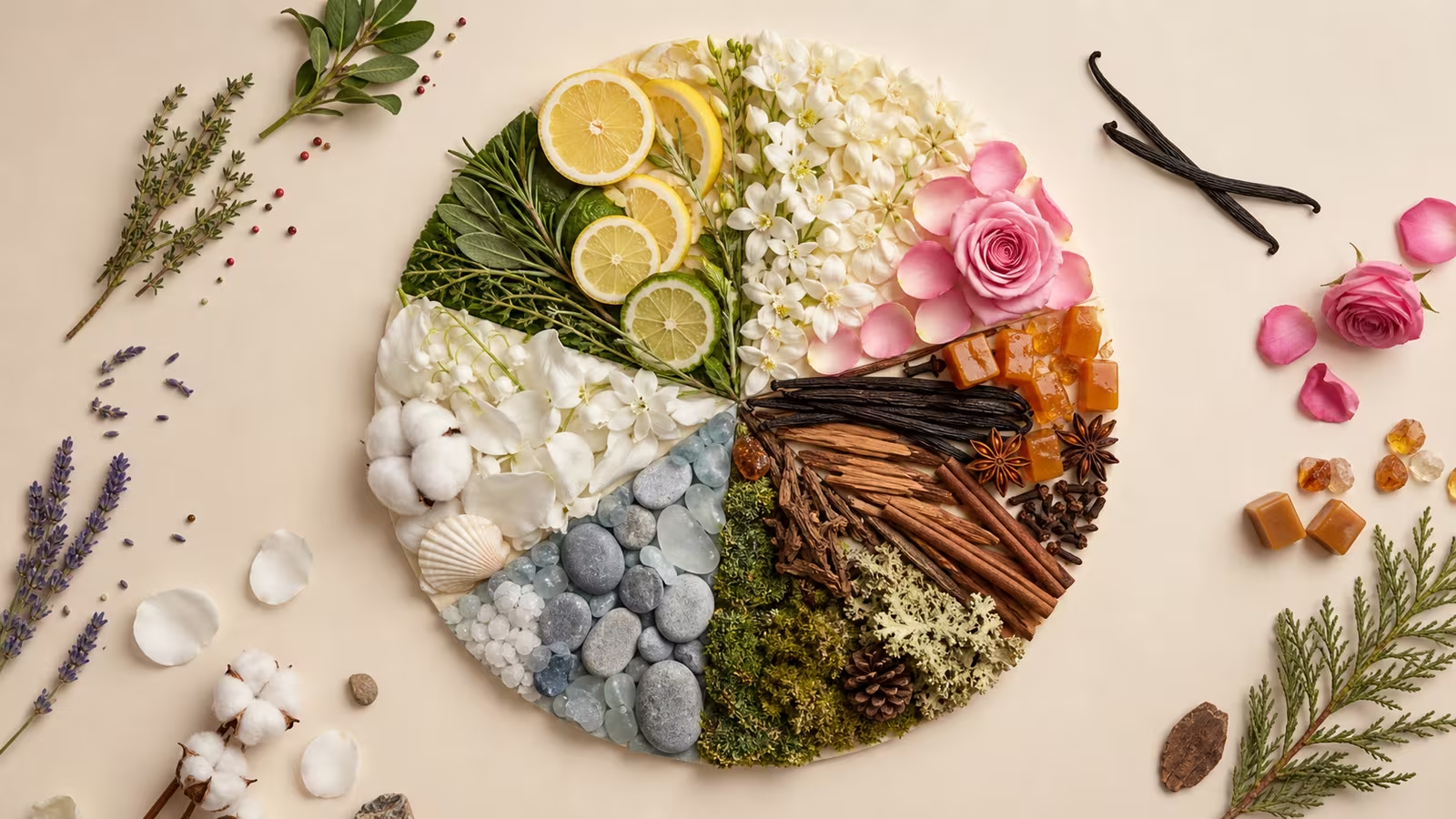
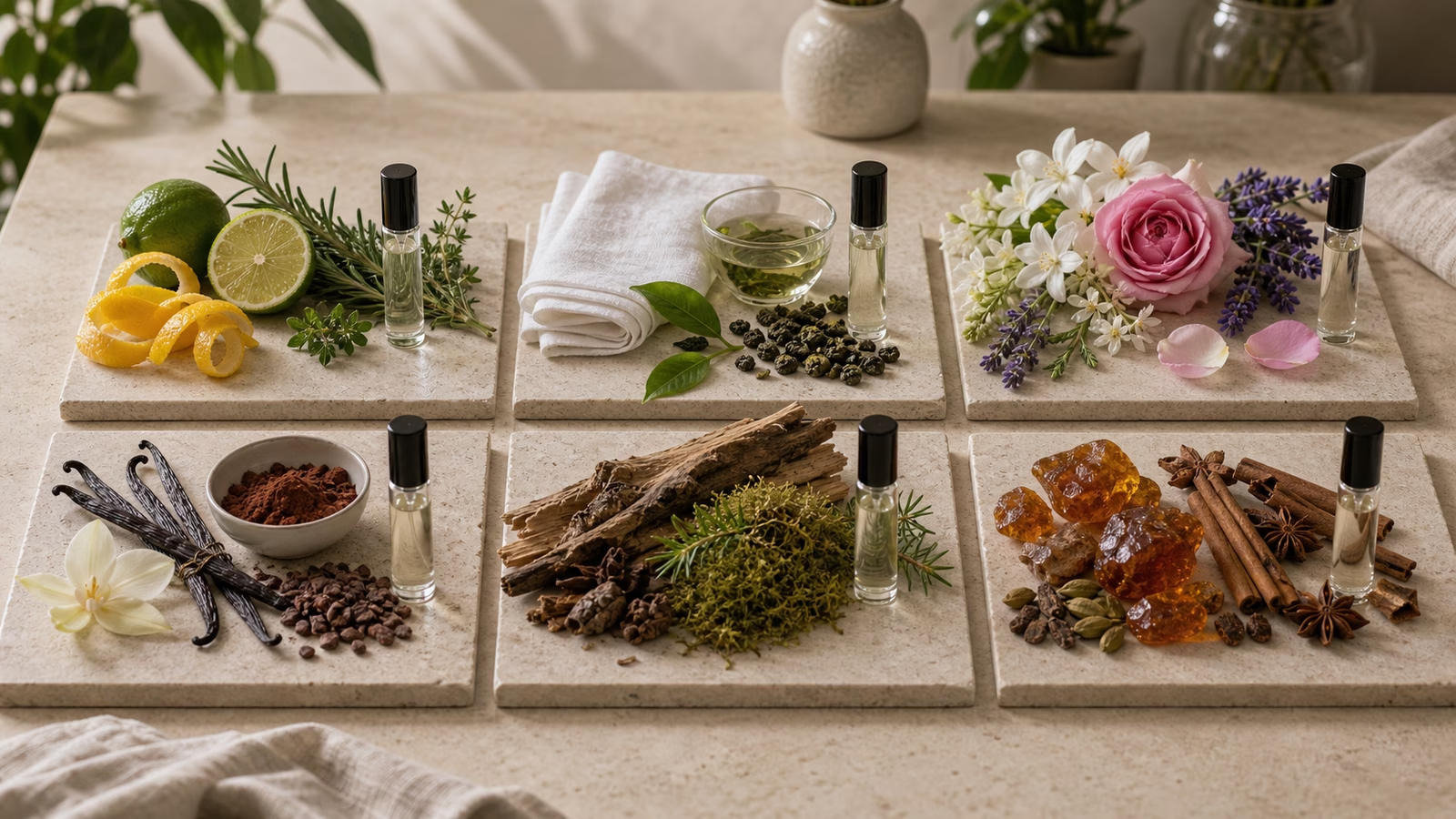
Scent families are the map you wish someone handed you before your first perfume counter visit. Without them, every bottle becomes a separate mystery. With them, fragrance begins to organize itself into neighborhoods: fresh, floral, woody, gourmand, amber, aromatic, green, fruity, spicy, clean, aquatic, and powdery. The families are not rigid boxes. Many perfumes move between them. But they help you understand why one scent feels like a white shirt, another feels like a velvet booth, and another feels like walking past a bakery in a wool coat.
The most important thing to know is that family names describe mood and structure more than quality. Fresh is not better than sweet. Woody is not more mature than floral. Gourmand is not automatically childish. A clean musk can be elegant or boring. A rose can be modern or old-fashioned. A smoky wood can be refined or exhausting. The family tells you what kind of room you are entering. It does not tell you whether the room is decorated well.
Fresh scents
Fresh fragrances are often the easiest for beginners because they connect to familiar feelings: shower steam, clean cotton, citrus peel, green leaves, sea air, cold water, tea, herbs, and open windows. They can be bright, sporty, gentle, professional, or refreshing. Fresh scents often use citrus notes such as bergamot, lemon, grapefruit, mandarin, and neroli. They may include mint, basil, lavender, rosemary, watery notes, green apple, cucumber, clean musks, or airy woods.
Fresh does not always mean simple. A great fresh fragrance can be beautifully composed, balancing sparkle with softness so it does not smell like cleaning spray. The best ones have a base that supports the brightness after the opening fades. Without that support, a fresh scent may feel wonderful for fifteen minutes and then disappear. With it, the fragrance can remain clean and alive for hours.
Fresh scents are useful for warm weather, offices, crowded spaces, workouts, errands, and days when you want to feel clear rather than decorated. They are also good first samples for people who fear perfume will be too heavy. If you are unsure where to begin, try a citrus aromatic, a soft musk, and a green tea-style scent on separate days. You will quickly learn whether you prefer sharp freshness, soapy freshness, leafy freshness, or watery freshness.
Floral scents
Floral fragrances are broader than many beginners expect. Some people hear “floral” and imagine a heavy bouquet on a formal table. That is only one version. Florals can be dewy, green, creamy, fruity, powdery, sheer, spicy, tropical, vintage, romantic, clean, or almost minimalist. Rose alone can smell like fresh petals, jam, lipstick, tea, garden stems, incense, soap, or dark wine. Jasmine can feel luminous, creamy, indolic, banana-like, clean, or sensual. Orange blossom can feel bridal, sunny, neroli-clean, honeyed, or softly soapy.
Floral scents often live in the heart of a perfume, which means they shape the character after the opening settles. A floral with citrus and musk may feel bright and approachable. A floral with vanilla and amber may feel warm and feminine. A floral with patchouli and woods may feel deeper and more evening-ready. A floral with green notes may feel like stems and air rather than petals and powder.
If you think you dislike florals, sample across styles before writing them off. You may dislike powdery florals but love watery peony. You may dislike loud white florals but love tea rose. You may dislike sweet florals but love iris with woods. Floral is a continent, not a single address.
Woody scents
Woody fragrances bring structure. They can smell like cedar closets, pencil shavings, sandalwood cream, vetiver roots, dry leaves, polished floors, incense smoke, moss, bark, or warm resin. Some are clean and minimal. Some are dark and mysterious. Some feel outdoorsy; others feel tailored and urban. Woods are often used in the base because they help a fragrance feel grounded and lasting.
Cedar tends to feel dry, clear, and pencil-like. Sandalwood can feel creamy, smooth, milky, or soft. Vetiver often smells grassy, earthy, smoky, or rooty. Patchouli can be damp, chocolatey, earthy, camphor-like, or polished depending on how it is used. Mossy notes can give a fragrance an old-world forest-floor elegance. Modern woody musks can make a scent feel clean and diffusive.
Woody scents are useful when you want perfume to feel less sweet or less obviously pretty. They pair well with simple clothes, cooler weather, leather, wool, denim, and evenings. But there are also transparent woods that work beautifully in summer. A beginner should try at least one clean cedar, one creamy sandalwood, and one vetiver-style fragrance. Those three will teach the range faster than one dramatic bottle.
Gourmand scents
Gourmand fragrances borrow from things we might eat or drink: vanilla, caramel, chocolate, coffee, almond, pistachio, marshmallow, honey, praline, milk, cream, sugar, cake, cinnamon, and toasted nuts. They became especially visible in modern perfume because they are instantly emotional. A gourmand can feel cozy, flirtatious, nostalgic, delicious, comforting, or festive.
The risk is heaviness. A gourmand that smells charming in cold air may feel sticky in humidity. A vanilla that is beautiful at night may feel too sweet for a morning meeting. A caramel perfume can be lovely when balanced with woods, musk, salt, or spice, but exhausting if it has no contrast. The best gourmand scents usually have a frame. Coffee adds bitterness. Cedar adds dryness. Citrus adds lift. Salt adds sparkle. Musk adds softness. Without contrast, sweetness can become flat.
Gourmands are wonderful for people who want fragrance to feel intimate and pleasurable rather than abstract. They are also good for learning because you can describe them easily at first. The deeper lesson is learning what kind of sweetness you like: airy vanilla, toasted sugar, creamy lactonic notes, nutty warmth, dark chocolate, coffee bitterness, or pastry comfort.
Amber, resin, spice, and warmth
Amber fragrances are warm, resinous, often sweet, and often comforting. Modern amber is usually an accord rather than literal amber. It may include labdanum, benzoin, vanilla, tonka, resins, musks, and amber-like aroma molecules. Amber can feel golden, powdery, sticky, smoky, clean, or enveloping. It is a family many people discover after realizing they want warmth without necessarily smelling like dessert.
Spicy fragrances use notes such as cardamom, cinnamon, clove, pepper, saffron, ginger, nutmeg, and coriander. Spices can brighten, deepen, or add texture. Cardamom can make a scent feel cool and elegant. Cinnamon can make it warm and festive. Pink pepper can make an opening sparkle. Saffron can bring a leathery, luxurious edge. Spice is often the difference between a fragrance that smells merely sweet and one that feels alive.
These warm families often shine in cool weather, evening settings, and close personal wear. But a light cardamom tea scent can be perfect in spring, and a sheer amber musk can be wearable all year. Family maps are guides, not laws.
Clean, musky, powdery, and skin scents
Clean fragrances can suggest soap, laundry, shampoo, cotton, fresh sheets, steam, or skin after a shower. Musks are often central here. Modern musks vary widely: some are bright and laundry-like, some are soft and powdery, some are warm and skin-like, and some are almost invisible until you notice the gentle aura they create. Powdery scents may use iris, violet, heliotrope, musks, or cosmetic-style notes. Skin scents often sit close, blending with the wearer rather than announcing a big theme.
These styles are practical and often underestimated. A clean musk can be a perfect office scent. A powdery iris can feel elegant without shouting. A skin scent can become the fragrance equivalent of a favorite white shirt: not dramatic, but quietly satisfying. The challenge is that subtle scents can be hard to judge in a quick shop visit. They need time and clean air.
How to use the map
Use scent families to choose samples, not to limit yourself. If you love fresh scents, try a fresh floral, a fresh woody, and a fresh musk. If you love gourmands, try one vanilla amber, one coffee scent, and one woody gourmand. If florals scare you, try green florals or musky florals before diving into lush white flowers. Your preferences will become more precise when families overlap.
A good fragrance wardrobe usually contains more than one family because life contains more than one mood. You may want fresh in July, woody in October, floral for lunch, gourmand for a quiet night, and clean musk for work. The map exists to make those choices easier. It is not there to make perfume feel technical. It is there so that when you smell something beautiful, you have a way to find your way back.