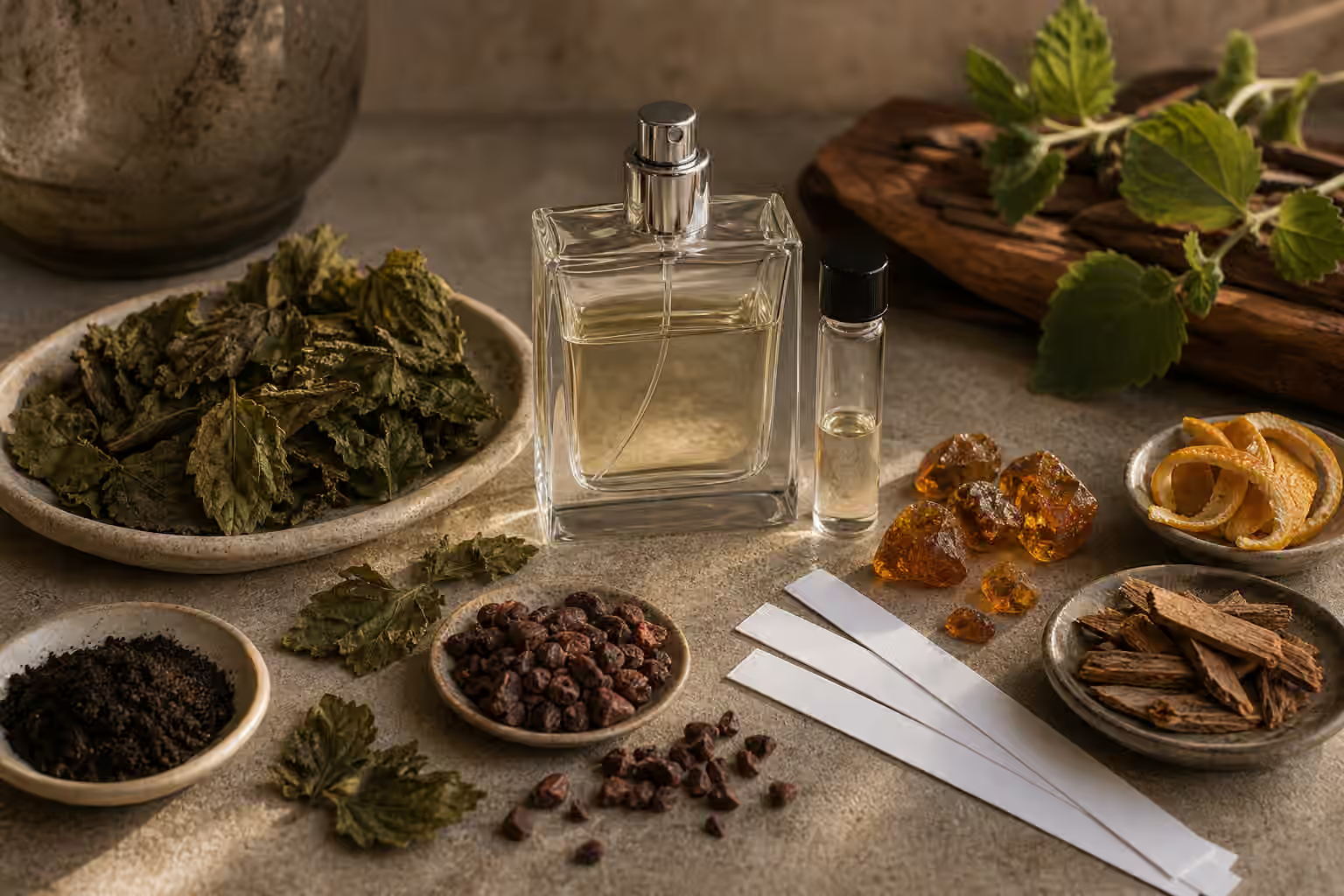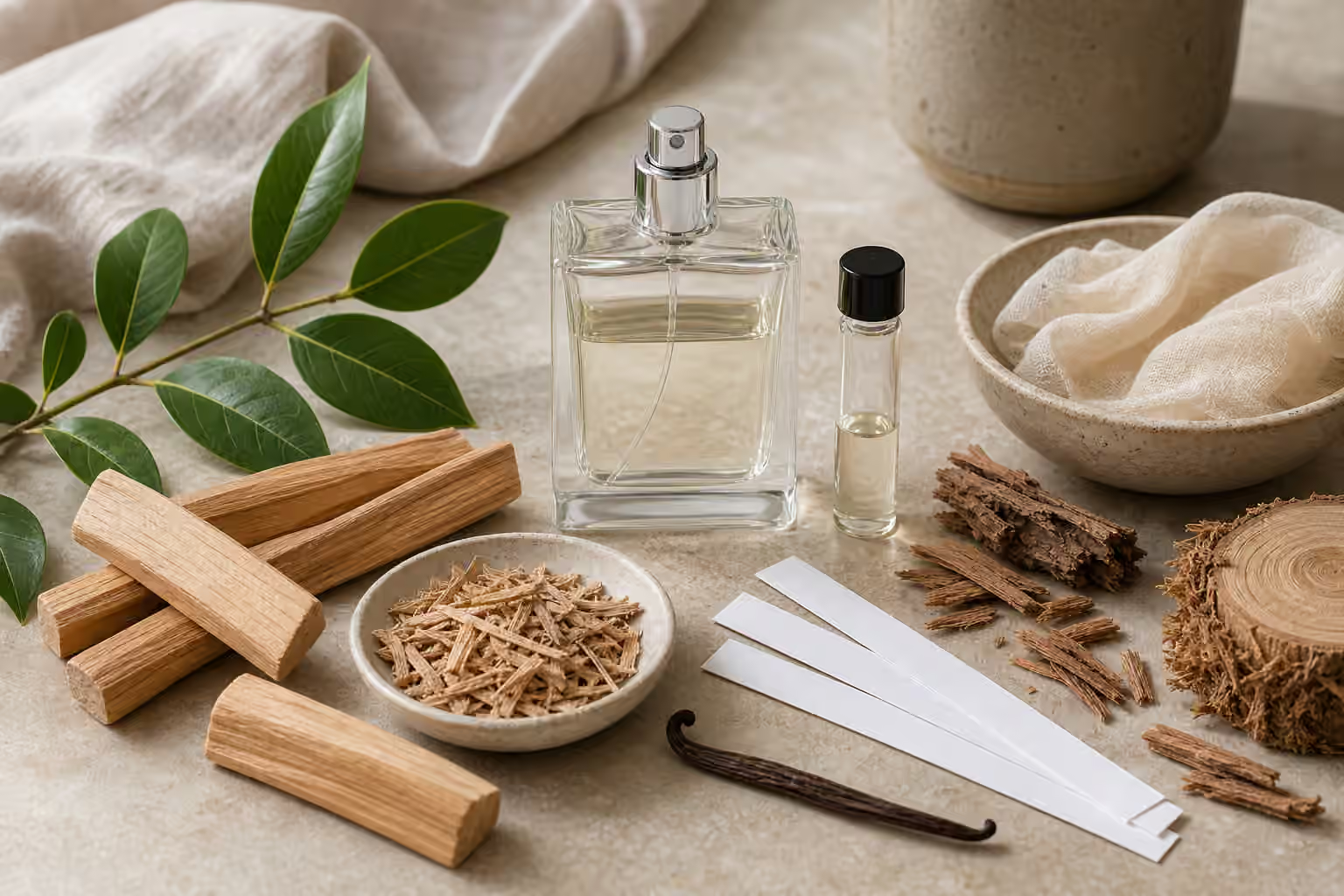
Sandalwood and cedar are two of the easiest woody ideas to recognize, but they teach very different lessons. Sandalwood often suggests creaminess, warmth, smooth grain, soft milk, skin, incense, or a polished wooden box. Cedar tends to feel drier, cleaner, sharper, pencil-like, airy, and structural. One wraps a perfume. The other gives it lines. Together they explain why Woody Scents are not automatically dark or heavy. Wood can be pale, intimate, fresh, powdery, spicy, creamy, minimal, or quietly persistent.
Many beginners meet woods as base notes after the brighter materials fade. Citrus lifts away, florals soften, spices settle, and then a woody drydown remains. That drydown may be the part that makes the scent wearable for hours. It may also be the part that makes a perfume feel too dry, too creamy, too sharp, or too similar to others in the same wardrobe. Learning the difference between sandalwood and cedar makes those judgments clearer.
Sandalwood is smoothness with a pulse
Sandalwood in perfume often feels smooth rather than splintery. It can be creamy, milky, softly spicy, warm, nutty, musky, or faintly incense-like. Some sandalwood fragrances feel like clean skin warmed under a sweater. Others feel like carved wood, temple air, or a soft base under florals and vanilla. Modern sandalwood effects can vary widely, from transparent and musky to dense and creamy.
The creamy quality makes sandalwood useful with materials that need softening. It can round citrus, make rose warmer, give iris a gentle base, and turn vanilla away from obvious dessert. It often works beautifully with Musk and Skin Scents because both can sit close and create a calm aura. Sandalwood can make musk feel less bare and more finished.
The risk is blur. If every edge is softened, a sandalwood perfume can become pleasant but indistinct. Spice, tea, iris, vetiver, citrus, or cedar can give it shape. A little dryness helps creaminess feel intentional. Without contrast, sandalwood may become the fragrance equivalent of beige fabric: comfortable, but not memorable.
Cedar gives perfume a dry frame
Cedar often feels cleaner and drier than sandalwood. It can suggest pencil shavings, a cedar chest, dry boards, fresh-cut wood, soft smoke, or airy structure. It is common in masculine-marketed scents, but it is not inherently gendered. Cedar is a tool. It can make citrus feel tailored, florals less sweet, musk more precise, and amber less syrupy.
Because cedar has a sharper outline, it is useful when a perfume needs clarity. A citrus cedar scent can feel crisp after the opening fades. A rose cedar scent can feel like petals on a wooden desk instead of a bouquet in syrup. A cedar musk can feel clean without turning laundry-like. A cedar vetiver can feel dry, green, and quietly formal.
Cedar can also be scratchy if handled poorly. Too much dry cedar over thin musk may feel like sawdust. Too much cedar with pepper can become harsh. Skin matters here, especially if your skin tends to make woody materials feel sharper. A fragrance that seems elegant on paper may need warmth, lotion, or a smaller dose to feel comfortable on skin.
Creamy and dry woods work better together
Sandalwood and cedar often appear together because they balance each other. Sandalwood adds warmth and continuity. Cedar adds lift and structure. One keeps the scent from becoming brittle. The other keeps it from becoming too soft. The pairing can support many styles: fresh woods, clean musks, floral woods, spicy woods, incense woods, and quiet vanillas.
This balance is helpful for people building a small fragrance wardrobe. A pure creamy wood may feel too cozy for warm weather. A very dry cedar may feel too formal or severe. A blend of creamy and dry woods can travel across more situations. It can work with a T-shirt, a sweater, a jacket, or a close evening, depending on projection.
When sampling, notice which side is dominant. If the fragrance feels like soft skin and pale warmth, sandalwood may be leading. If it feels crisp, vertical, or pencil-dry, cedar may be leading. If it shifts from citrus and cedar into sandalwood and musk, the perfume may be designed as a day-to-night woody structure.
Woods change florals without hiding them
Woody bases can make florals feel less decorative. Rose over cedar becomes drier. Jasmine over sandalwood becomes creamier. Iris over cedar becomes cooler and more architectural. Violet over sandalwood becomes softer. White flowers over cedar can feel clearer and less lush. Orange blossom over sandalwood can become warm and skin-like.
This is where woody notes connect to Floral Scents and Iris and Violet Scents . The wood does not need to take over. It can simply decide what kind of floral the perfume becomes. A floral without a base may be pretty for an hour and vague later. A floral with a thoughtful wood base can hold a shape all day.
Wood also affects formality. Cedar can make a floral feel dressed. Sandalwood can make it feel relaxed and intimate. A floral cedar fragrance may suit work or cool weather. A floral sandalwood may feel better close to skin, especially if musk and vanilla are present. These are not strict rules, but they are useful expectations.
Spice and vanilla reveal different wood grains
Spice can bring woods alive. Cardamom makes sandalwood feel airy and warm. Pepper makes cedar feel brighter. Saffron can make woods feel leathery or golden. Cinnamon and nutmeg can make sandalwood sweeter, though they need restraint. Ginger can keep a woody perfume from becoming too still. The Spice Notes in Perfume guide is helpful because spice often acts like light moving across grain.
Vanilla and tonka do something different. They soften wood and make it more comfortable. Sandalwood with vanilla can feel creamy and calm. Cedar with vanilla can feel dry-sweet, like a wooden box holding vanilla beans. Too much sweetness can flatten the wood, but a little can make it easier to wear. The guide to Vanilla and Tonka Scents explains that sweetness has many textures, and woods are one of the best ways to give it shape.
If a woody fragrance feels too severe, look for musk, vanilla, amber, or sandalwood. If it feels too soft, look for cedar, vetiver, citrus, tea, pepper, or green notes. Woods are not one temperature. They can be adjusted.
Modern woody bases can be very persistent
Many modern woody fragrances use materials that project clearly and last a long time. Some smell like cedar, amberwood, dry musk, mineral wood, or polished abstract wood rather than a literal plank or chip. They can be effective and beautiful, but they can also become tiring if oversprayed. A fragrance may seem simple because the notes are minimal, yet still fill a room through its base.
This is where Projection and Sillage becomes practical. Woody molecules can cling to fabric and remain detectable after you stop noticing them. A sandalwood musk may feel close and soft, while an amber-cedar base may create a large scent radius. Test with fewer sprays than you think you need, especially on coats, scarves, and sweaters.
Sandalwood and cedar reward attention because they are often the part of a fragrance you live with longest. The opening may sell the scent, but the wood decides whether you keep reaching for it. If the drydown makes you feel calm, clean, dressed, or quietly warm, the wood is doing its work. If it scratches, smothers, or blurs, the structure is wrong for you. That distinction is the beginning of real woody taste.