Perfume becomes much easier when you stop treating it like a secret language. At first, the words can feel theatrical. A bottle might promise bergamot, jasmine sambac, smoked woods, cashmere musk, salted vanilla, or sun-warmed skin, and none of that tells you whether it will feel clean after a shower, cozy under a sweater, polished at work, or too loud in a small car. Fragrance writing is full of poetry because smell is hard to describe, but wearing perfume is practical. You put it on your body, live inside it for several hours, and decide whether it makes your day better.
The first useful shift is to think of perfume as a wardrobe, not as a trophy shelf. A clothing wardrobe works because you have different things for different weather, moods, and levels of effort. You might own a white T-shirt, a wool sweater, a dark jacket, and something a little more dramatic for dinner. A fragrance wardrobe can work the same way. You do not need dozens of bottles. You need a few scents that answer different real situations: a fresh easy scent, a soft everyday scent, something warm, something polished, and perhaps one scent that feels special enough to save.
The second useful shift is to test slowly. Perfume is not fully revealed by the first spray. The opening can sparkle, snap, or bloom, but it is only the beginning. Many fragrances have a bright first act, a heart that arrives after the sharpest notes fade, and a drydown that stays close to the skin. A scent that feels too citrusy in the first five minutes may become gentle and musky after an hour. A vanilla that feels delicious on paper may become heavy in warm weather. A woody scent that seems quiet in the shop may turn beautifully clean on your skin. The only way to know is to wear it through an ordinary day.
Start with notes, but do not worship them
Notes are the named impressions inside a fragrance. They are not always literal ingredients. When a label says pear, rose, cedar, amber, or coconut, it may refer to natural materials, aroma molecules, blends, or a perfumer’s impression of that smell. Notes are useful because they give you a map, but they are not a guarantee. Two fragrances with vanilla can feel completely different. One might smell like whipped cream and sugar. Another might smell like dry vanilla bean, wood, and warm skin. A third might use vanilla only to soften a floral heart.
Think of notes the way you think of ingredients in food. Knowing that a dish contains lemon helps, but it does not tell you whether the dish is sweet, salty, rich, sharp, cooked, raw, delicate, or loud. In perfume, bergamot can feel sparkling and clean, but it can also sit inside a dense amber. Rose can feel fresh and watery, powdery and vintage, jammy and dark, or green and almost spicy. Notes are the vocabulary. Wearing teaches you the accent.
Learn the main families
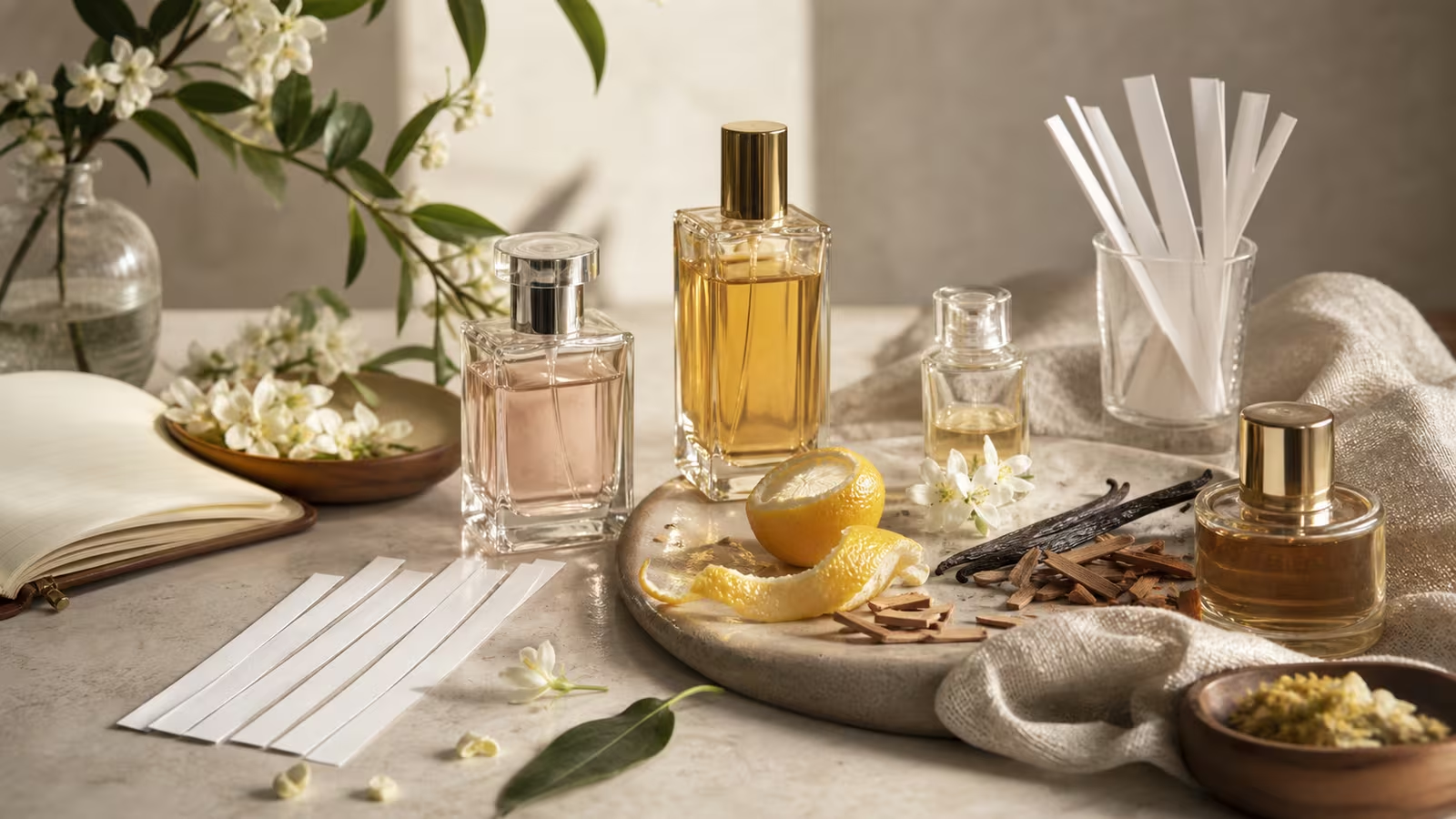
Scent families are broad neighborhoods. Fresh fragrances often use citrus, watery notes, green leaves, herbs, clean musks, or airy woods. Floral fragrances revolve around flowers, but they can be soft, bright, creamy, powdery, fruity, or spicy. Woody fragrances use materials that suggest cedar, sandalwood, vetiver, patchouli, moss, resin, pencil shavings, dry bark, or polished furniture. Gourmand fragrances borrow from dessert and comfort foods: vanilla, caramel, chocolate, coffee, almond, sugar, cream, and pastry-like warmth.
Families are helpful because they describe the overall mood faster than notes do. If someone says a scent is fresh, you immediately imagine air, soap, citrus, water, laundry, herbs, or a clean shirt. If they say gourmand, you imagine sweetness, warmth, and edible comfort. The family does not decide whether the scent is good. It simply helps you choose where to begin. A beginner who hates sweet perfumes should not start with a syrupy gourmand just because it is popular. Someone who loves clean laundry scents may be happier sampling fresh musks and soft florals before trying smoky woods.
Understand concentration without overthinking it
Concentration names tell you something about strength and style, but they do not behave like exact volume settings. Eau de toilette usually feels lighter than eau de parfum. Eau de parfum often has more body and lasting power. Parfum or extrait can feel richer and denser. Body mists are usually more casual and easier to reapply. Perfume oils often sit closer to the skin and can feel intimate rather than projecting across a room.
Still, concentration is only one clue. Some eau de toilettes last beautifully because the materials are tenacious. Some eau de parfums fade quickly because the style is airy. Some oils last a long time but never announce themselves loudly. The practical question is not “Which concentration is best?” The practical question is “How do I want this to behave?” A work scent may be better if it stays soft. A going-out scent may be more enjoyable if it has presence. A bedtime scent might be perfect as a mist or oil because it feels comforting without filling the whole room.
Sample like a person, not a machine
The easiest beginner mistake is smelling too much at once. A shop counter can turn your nose into noise within minutes. The air is full of other people’s sprays, the blotters blur together, and your brain starts reaching for any word it can find. A calmer method is to try a few on paper, choose one or two for skin, and then leave. Wear the scent outside the shop, in your own air, with your own clothes, through your own routine.
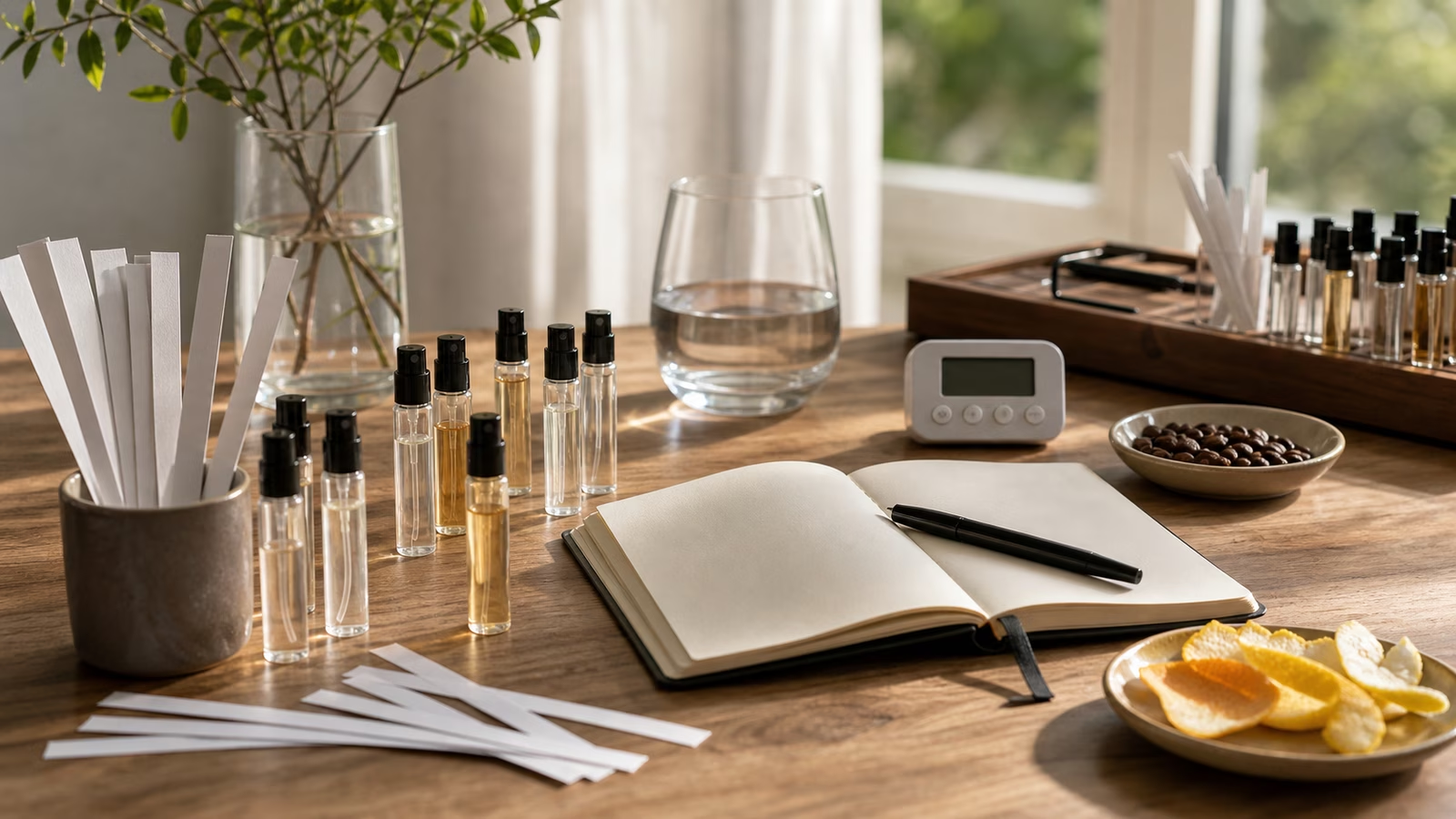
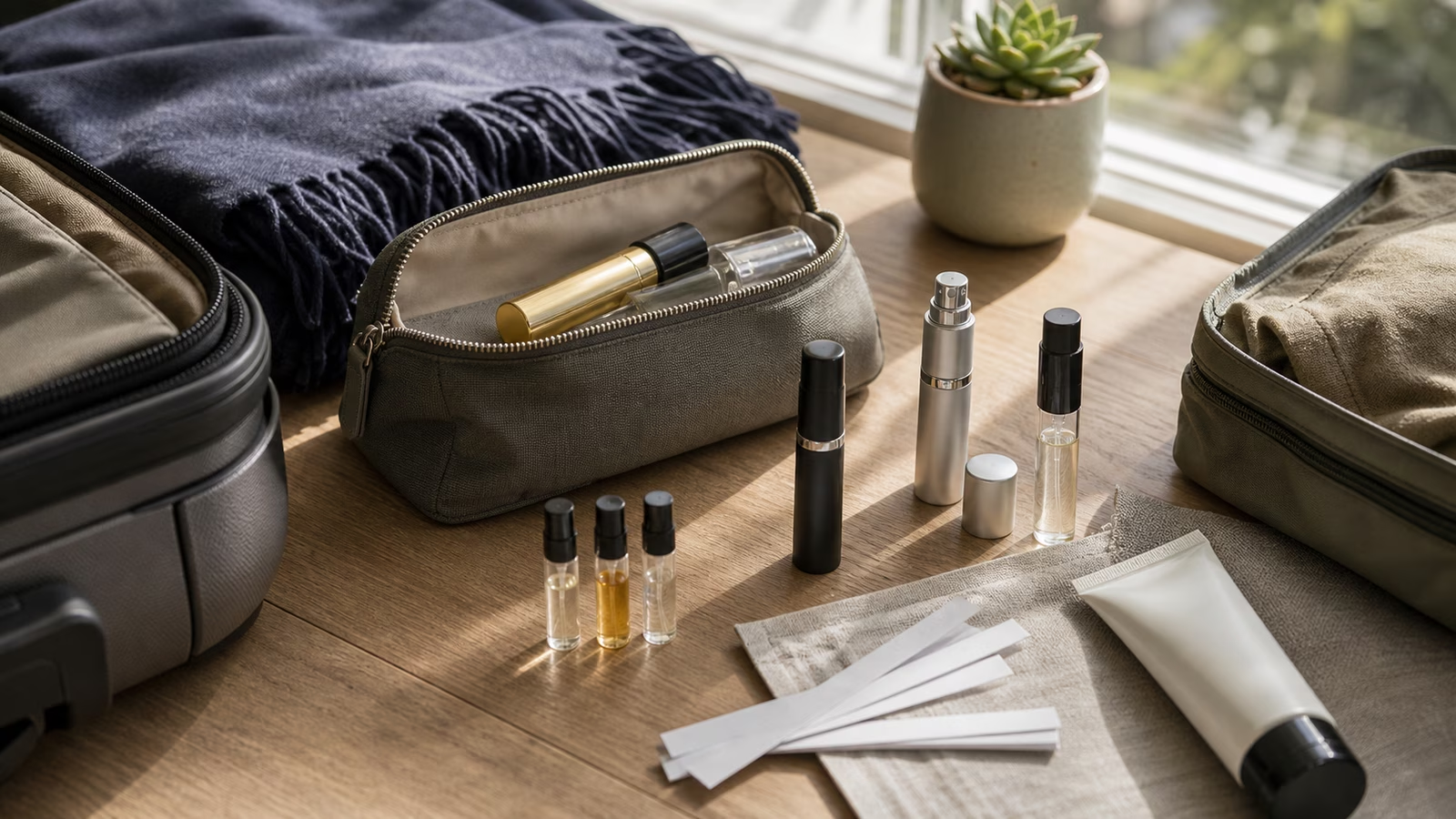
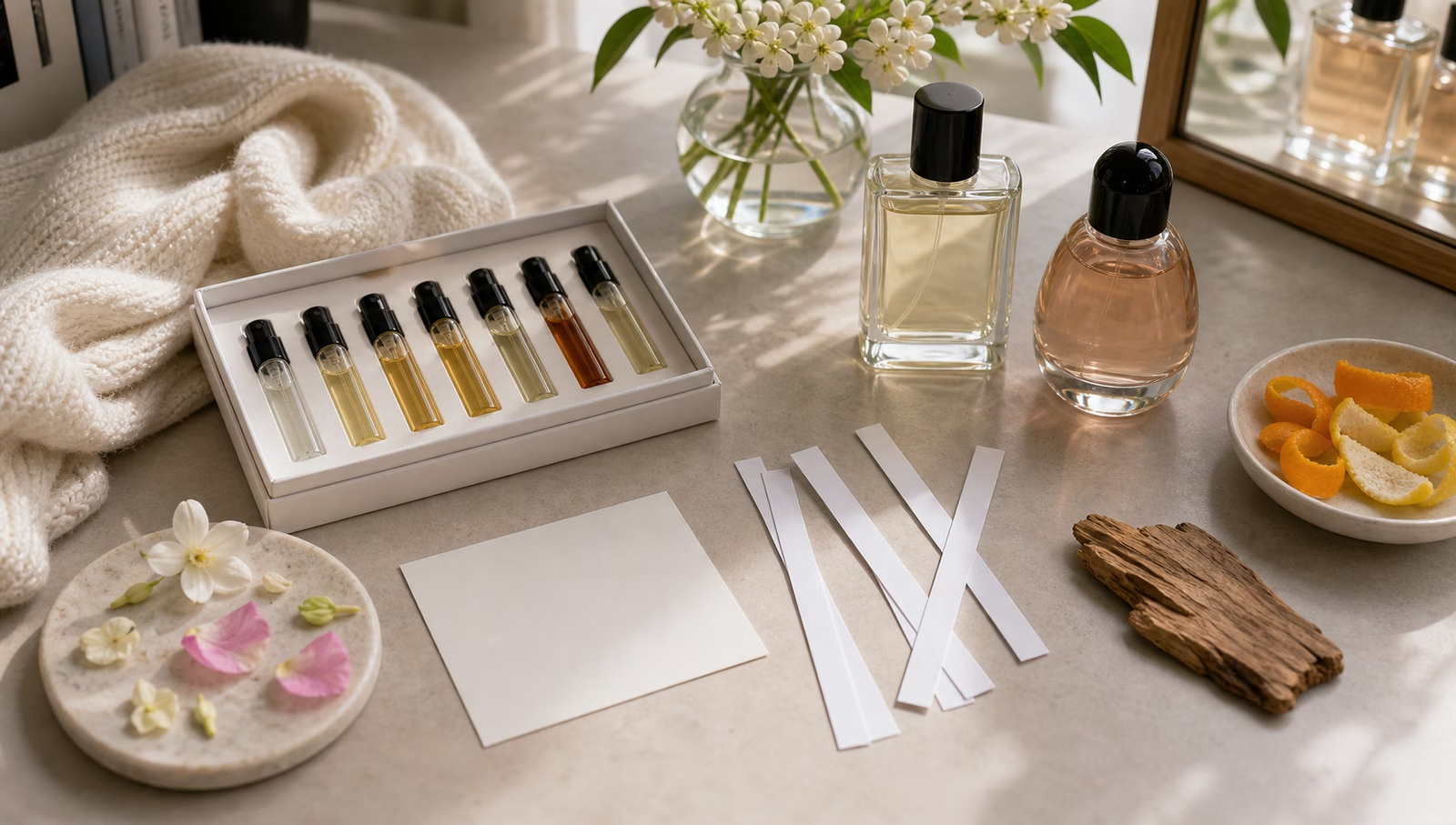
At home, discovery sets are excellent teachers. They remove the pressure of a salesperson and give you several days to notice patterns. Put one scent on clean skin in the morning, not four. Write down what you notice at the start, after lunch, and near bedtime. Do not worry about elegant language. “Sharp lemon at first, then clean soap, gone by dinner” is more useful than forcing yourself to write “effervescent aromatic citrus accord.” Your nose learns faster when your notes sound like you.
Build a small wardrobe before chasing perfection
A beginner fragrance wardrobe can be very small. One fresh scent handles easy mornings, warm weather, workouts, errands, and days when you want to smell clean without making a statement. One soft floral or skin musk can work for everyday closeness. One warm scent, perhaps vanilla, amber, tea, or soft woods, can be comforting in cooler weather. One more polished scent can cover dinners, dates, interviews, events, or days when you want to feel dressed even in simple clothes.
The point is coverage, not collecting. If two bottles do the same job, you may not need both. If you keep buying dramatic evening scents but have nothing comfortable for a plain Tuesday, your wardrobe will look exciting and feel impractical. The best early purchases are the ones you reach for repeatedly without negotiation. They make getting ready easier.
Wear gently and store well
Application is part of taste. Perfume does not need to be rubbed into the skin; rubbing can flatten the opening and spread oil in a way the perfumer did not intend. Spray on pulse-adjacent areas, clothes that can safely take fragrance, or the back of the neck if you want a softer trail. Start with less than you think you need. You can always add a small refresh later, but you cannot easily remove a fragrance from a sweater, scarf, or car interior.
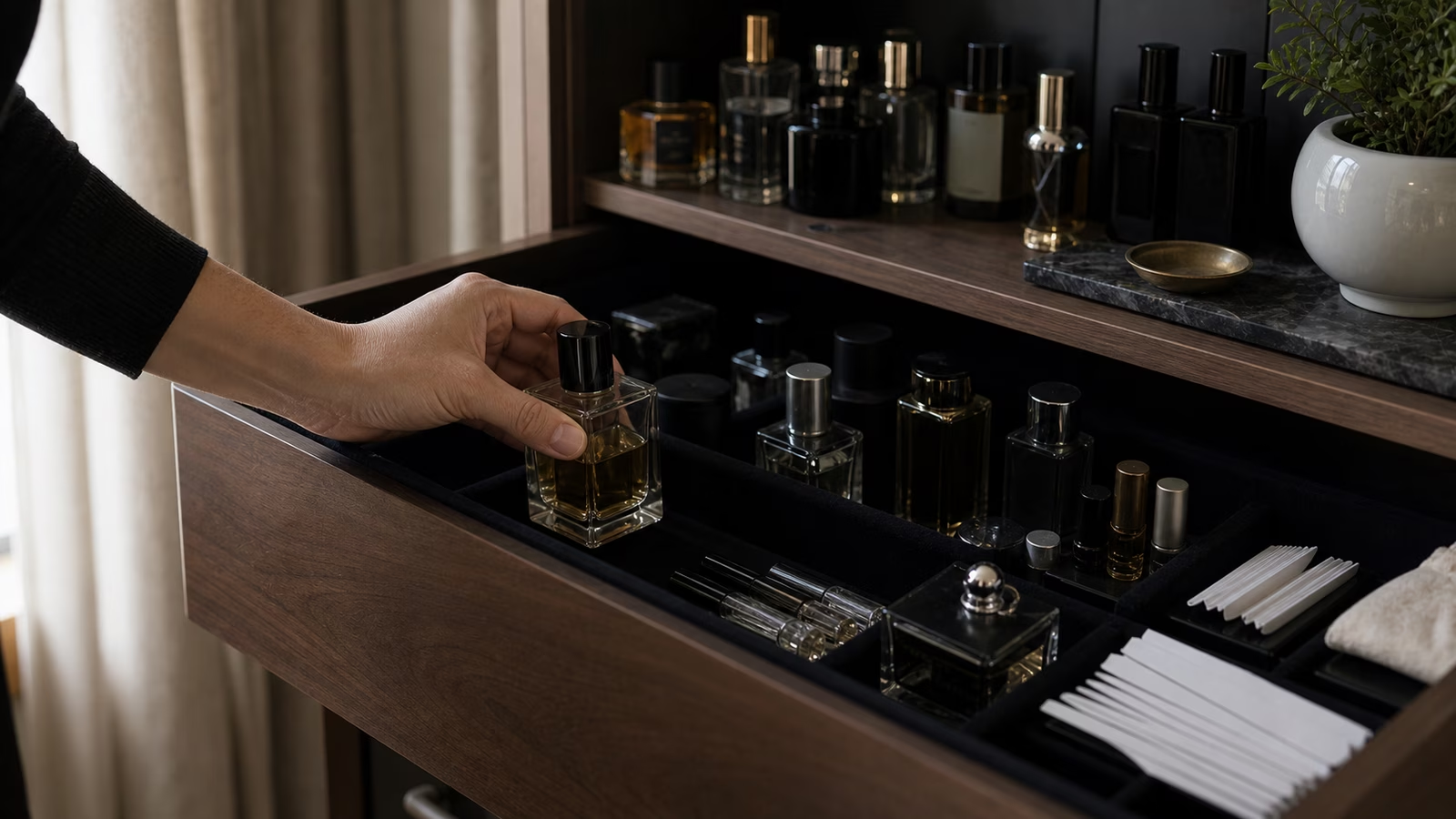
Longevity improves when skin is moisturized, when fragrance is stored away from heat and light, and when you match the scent to the setting. A citrus mist may never last like a dense amber, and that is not a failure. It may be designed to feel bright and temporary. A perfume oil may last close to the skin without projecting much. A woody eau de parfum may hold onto fabric for days. Notice behavior instead of judging every fragrance by the same standard.
Your next good step
Choose one sample or one scent you already own. Wear it alone tomorrow. Notice the opening, the middle, the drydown, how far it travels, how long it lasts, and whether you still like it when you forget you are testing it. That small exercise teaches more than reading twenty reviews. Fragrance is personal, but it is not random. With a little structure and a slower pace, the whole subject becomes warmer, clearer, and much more fun.