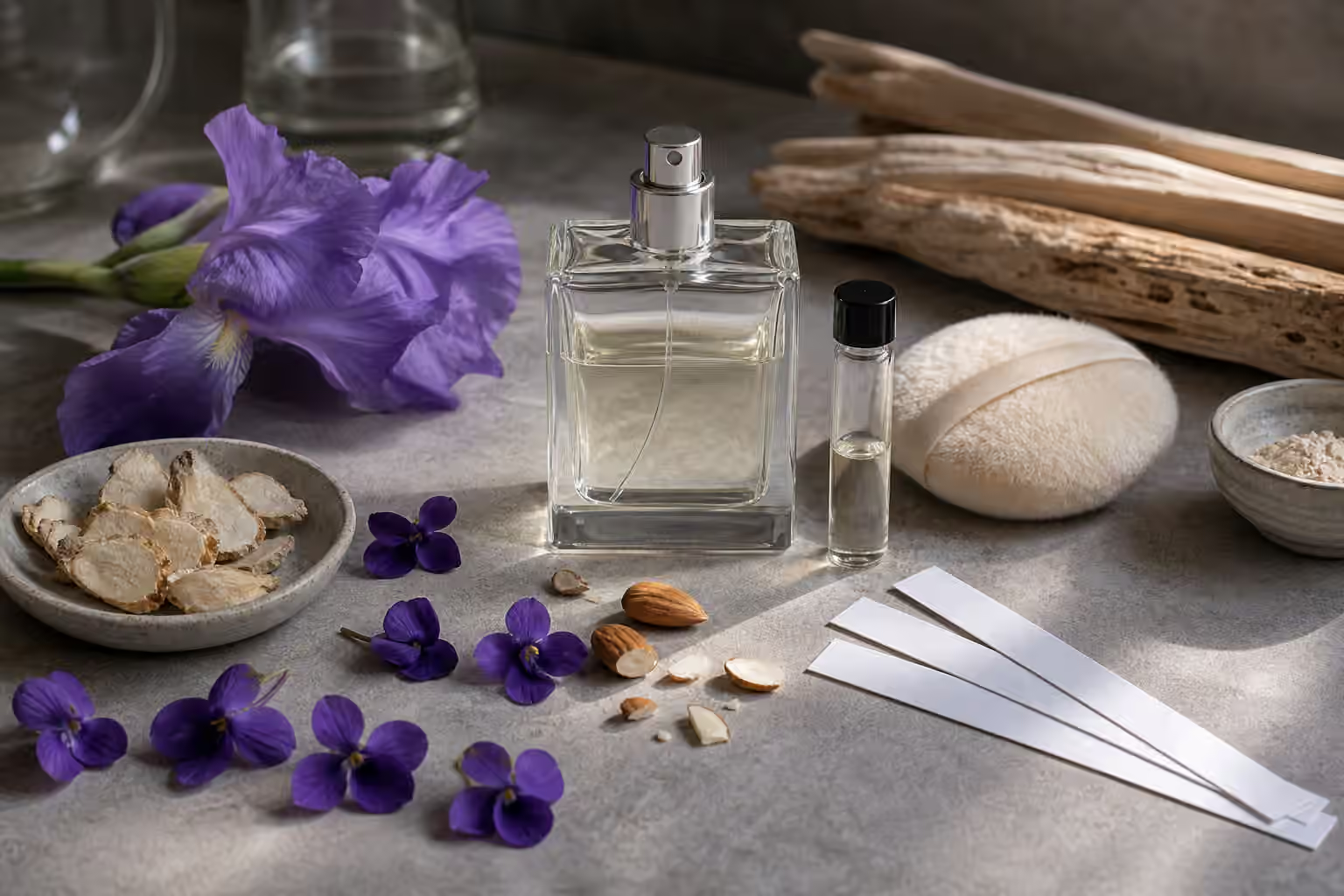
Powdery scents are easy to misunderstand because the word can sound flat, dusty, or old-fashioned before you smell a good example. In perfume, powder is not one material and it is not always a vintage mood. It is a texture. It can feel like a clean powder puff, a lipstick case, pressed rice powder, soft cotton, suede gloves, almond skin, violet candy, cool paper, or a dry veil over flowers and woods. Some powdery fragrances are polished and formal. Some are tender and close. Some are clean enough for a white shirt. Some are warm enough to feel like cashmere.
The category sits between several neighborhoods on the Scent Families map. Powder can come from floral materials, musks, woods, amber, heliotrope, almond-like notes, violet effects, iris materials, or a cosmetic-style accord built from many pieces. That is why two powdery perfumes can have almost nothing obvious in common. One may smell like cool iris root and lipstick. Another may smell like soft laundry musk. Another may smell like almond cream and pale flowers. The shared quality is not the note list. It is the way the scent settles into a dry, soft, slightly tactile surface.
Powder is texture before it is a family
Many fragrance families are easy to imagine. Fresh scents suggest air, citrus, herbs, water, or clean fabric. Gourmands suggest vanilla, caramel, coffee, chocolate, and edible warmth. Woody scents suggest cedar, sandalwood, vetiver, patchouli, and drydown structure. Powder is less literal. It describes the finish of a perfume, the way notes feel once they are softened, dried, or smoothed.
Think of the difference between a fresh rose in water and a rose lipstick. Both can be floral, but the lipstick version has wax, pigment, musk, violet, orris, and cosmetic polish around it. Think of clean cotton compared with liquid soap. Both can feel clean, but cotton has a dry softness that liquid soap may not. Think of almond syrup compared with almond powder. One is sticky and sweet; the other is pale, soft, and slightly nutty. Powdery fragrances live in those differences.
This is why the word can create disagreement. One person hears “powdery” and imagines elegant makeup. Another imagines baby powder. Another thinks of old perfume on a scarf. Another thinks of a clean musk that feels like laundered sheets. The term is useful only when you ask what kind of powder the perfume is making.
Iris and violet make powder cool
Iris is one of the great powdery materials in perfume language, though it often points toward orris effects from the iris root rather than the smell of a blooming iris flower. It can feel cool, dry, papery, rooty, cosmetic, suede-like, earthy, or faintly carrot-like. In a perfume, iris can make sweetness feel more composed. It can turn a floral into something tailored. It can make a woody scent feel smoother and more expensive without making it louder.
Violet is related in mood but not identical. Violet can be powdery, green, sweet, candy-like, dewy, or cosmetic. It often brings a tender purple softness, especially when paired with musk, rose, iris, or heliotrope. A violet fragrance may feel like petals and powder, but it can also have a leafy edge that keeps it from becoming too plush. If iris is the cool compact on a dressing table, violet is often the softer bloom beside it.
The Floral Scents guide introduces iris and violet as part of the floral family, but powdery perfumes deserve their own attention because the floral material is not always the star. Sometimes iris is there to make suede feel smoother. Sometimes violet is there to make musk feel tender. Sometimes both are used to turn rose, almond, amber, or wood into something more tactile than decorative.
Musk, heliotrope, and almond make powder warm
Not all powder is cool. Musks can create a clean powder effect that feels like cotton, skin, sheets, or a soft cosmetic cloud. Some musks are bright and laundry-like. Some are warm and skin-like. Some are fluffy, dry, and nearly invisible until they gather around the body. When powder comes from musk, it often feels less like makeup and more like fabric. It may be the reason a fragrance seems clean without smelling sharply soapy.
Heliotrope is another important powdery direction. In perfume language, heliotrope often suggests a soft blend of almond, vanilla, cherry-like sweetness, and powder. It can feel comforting, pale, and slightly edible without becoming a full dessert. Almond has a similar range. It can be marzipan-sweet, bitter, cherry-like, creamy, or dry. In a powdery perfume, almond is often most appealing when it gives plushness without syrup.
This is where powder can overlap with Gourmand Scents without becoming a gourmand. A heliotrope or almond powder may remind you of sweets, but the perfume may still feel cosmetic, floral, or musky rather than edible. The difference usually comes from the base. Woods, musks, iris, violet, and soft amber can keep almond powder wearable. Heavy vanilla, caramel, praline, or sugar can pull it toward dessert.
Cosmetic does not have to mean dated
Powdery perfume often carries memory. Some people associate it with a grandmother’s dressing table, a vintage compact, theater makeup, pressed face powder, old handbags, or formal perfume counters. Those associations can be beautiful or difficult depending on the person. The mistake is assuming that cosmetic means outdated. A powdery scent can be modern when it is sheer, clean, dry, woody, or quietly musky. It can feel like a clean shirt and a bare face rather than a full vanity.
The dated feeling usually appears when several signals arrive together: dense powder, heavy aldehydes, sweet florals, vintage-style musk, thick amber, and a formal application. Change one or two pieces and the whole impression shifts. Iris with cedar can feel architectural. Violet with green leaves can feel fresh. Powdery musk with tea can feel calm and minimal. Almond powder with sandalwood can feel soft without reading as retro.
Powder also changes with clothing. A powdery iris under a wool sweater can feel elegant and quiet. A violet musk on a scarf can become tender and persistent. A cosmetic amber sprayed heavily in warm indoor air can feel much larger than expected. The material may be soft, but softness does not always mean low projection. The guide to Projection and Sillage matters here because powdery notes can cling to fabric and trail in a subtle but noticeable way.
When powder turns dusty
Powdery scents can fail for real reasons. A fragrance may become dry without enough lift, leaving a dusty impression. It may use a powder accord that reminds you of baby products. It may turn waxy, papery, or stale on your skin. It may feel too formal for your clothes. It may sit on top of scented lotion or laundry detergent and become confusing. Those reactions are not proof that powder is wrong for you. They are clues about the kind of powder you dislike.
If baby powder is the problem, look for iris, violet leaf, tea, cedar, or musk instead of heliotrope, vanilla, and fluffy white musk. If cosmetic powder is the problem, try powdery woods or clean musks rather than lipstick-style florals. If dryness is the problem, choose powder with sandalwood, amber, almond, or soft vanilla. If sweetness is the problem, look for green violet, rooty iris, suede, or cedar.
Skin Chemistry and Perfume is especially relevant because powder can change with skin moisture, heat, and the rest of your routine. Dry skin may make some powdery scents feel thinner. Scented body products may push a delicate iris toward soap or a soft almond toward dessert. Fabric may preserve the powdery base long after the floral opening has vanished. A fair test needs clean skin, time, and enough air around the scent.
Sampling powdery fragrances
Powdery perfumes reward patience. The opening may not tell the truth. A scent can start with citrus, pear, rose, or aldehydes and become powdery only after the heart arrives. Another may seem powdery on a blotter but soften into skin musk after an hour. A third may smell beautiful from a distance and too dry when you press your nose directly into the wrist. This family is often about aura and drydown, not the first minute.
Use the method from How to Sample Fragrances and keep the test uncrowded. Try one powdery perfume on skin rather than comparing several on the same arm. Smell it from a little distance before sniffing close. Notice the opening, the point where the texture appears, and the final base. Ask whether the powder feels cool, warm, clean, cosmetic, sweet, dry, papery, suede-like, or musky. Those ordinary words will teach you more than forcing yourself to identify every material.
It helps to test powder in the setting where you might wear it. Some powdery scents make sense during a quiet workday because they stay close and polished. Some are beautiful with knitwear and cool air. Some are too persistent for a small car or a warm meeting room. Close-Space Fragrance is a useful companion because powder often feels polite, but a polite style can still be too present if overapplied.
Where powder fits in a wardrobe
Powdery fragrance is useful because it gives a wardrobe softness without relying only on sweetness. A powdery iris can be the polished daytime scent that feels dressed but not loud. A violet musk can be the gentle close scent for errands, shared rooms, or quiet evenings. A powdery almond can be comforting without becoming a bakery fragrance. A powdery suede can add texture to a wardrobe that already has clean musks and woods.
If you are building from the advice in Beginner Fragrance Wardrobes , powder can fill the space between fresh and warm. It is softer than many woody scents, drier than many gourmands, and less obviously floral than a bouquet. It can make simple clothes feel intentional. It can also become a bridge between styles: iris for floral and leather lovers, violet for people who like tender musks, almond powder for people who want comfort with restraint, and powdery amber for those who like warmth but not syrup.
Application should stay measured until you know the perfume. Powdery scents often feel subtle because they are smooth, but smoothness can hide persistence. One or two sprays may be enough, especially if fabric is involved. A small amount on the chest under clothing can make the scent feel intimate. A spray on a scarf may last for days. That can be pleasant when the fragrance is soft and annoying when you want to switch moods.
Powdery scents are not only nostalgic, and they are not only clean. They are a way of giving perfume surface, quiet, and touch. Once you learn the difference between cool iris powder, tender violet powder, fluffy musk powder, and warm almond powder, the word stops being vague. It becomes a useful clue. Powder tells you that a fragrance may not shout from the opening, but it may settle into the kind of softness that makes you return to your sleeve hours later.