Perfume bottles are designed to be looked at. That is part of the pleasure. Glass catches light, caps feel weighty, labels promise a mood, and a row of bottles on a dresser can make an ordinary morning feel arranged. The problem is that the prettiest place to display perfume is often one of the worst places to keep it alive.
Fragrance is a mixture of aromatic materials, alcohol or oil, and careful balance. It changes when exposed to heat, light, air, and time. Some perfumes are sturdy. Others are delicate. None of them become better because they spent a summer on a sunny windowsill or lived for years in a steamy bathroom beside a hot shower.
Storage is not glamorous, but it is part of owning fragrance well. A small wardrobe that is cared for will give more pleasure than a dramatic collection slowly cooking in plain sight.
Light is the first quiet enemy
Sunlight makes fragrance look beautiful and ages it badly. Direct light can damage aromatic materials, shift color, and flatten the shape of a perfume over time. Even bright indirect light can be unkind if bottles sit exposed every day.
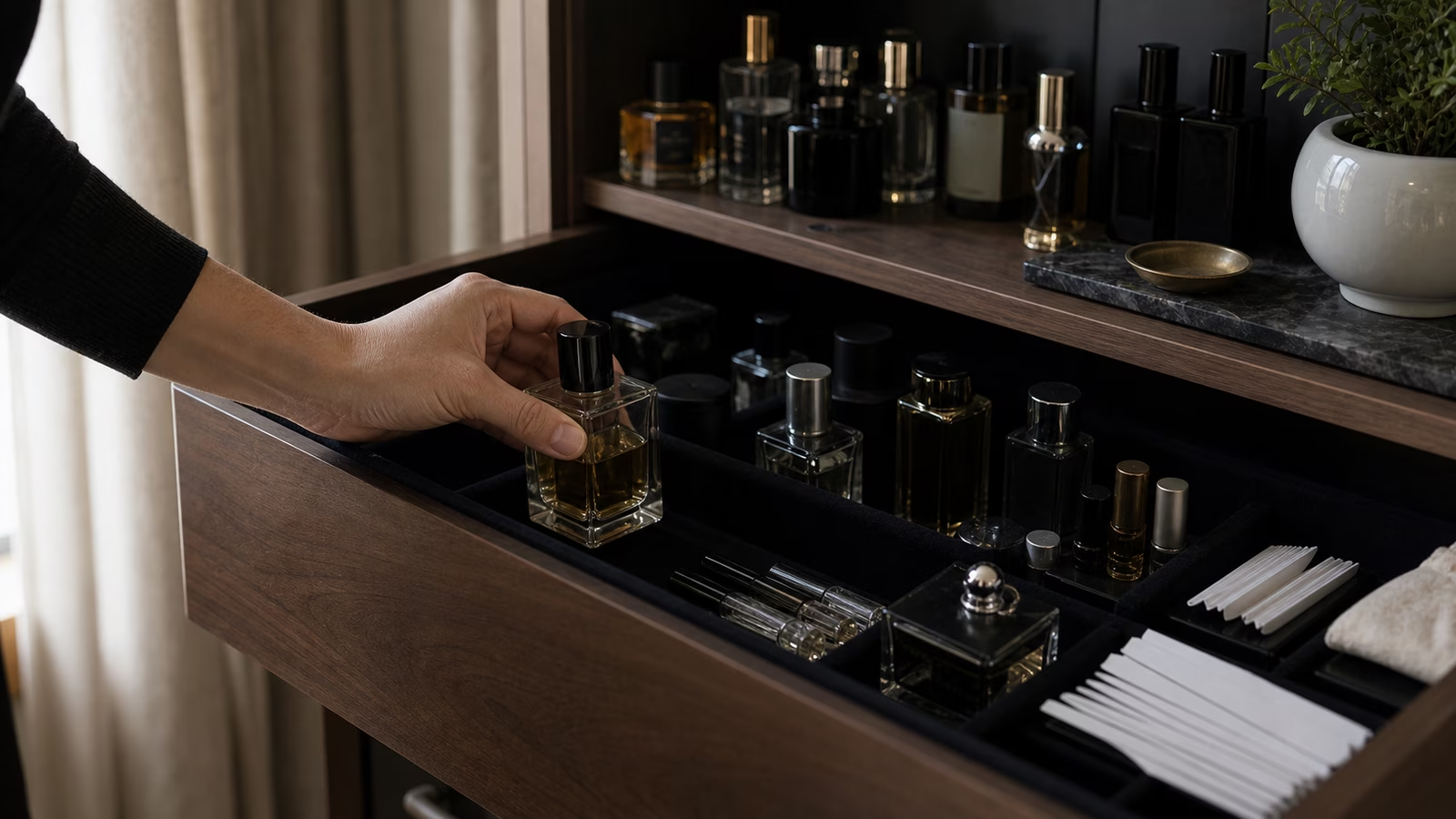
This is why the best storage is usually boring: a drawer, cabinet, closet shelf, shaded box, or original packaging kept away from windows. A perfume does not need to be hidden as if it is shameful, but it should not be used as sunlit decor if you want it to last.
Clear bottles are especially vulnerable because they let light reach the liquid easily. Dark glass helps, but it is not permission to store a bottle in heat or direct sun. Packaging can help too. The box that seemed like clutter may actually be a useful little shelter.
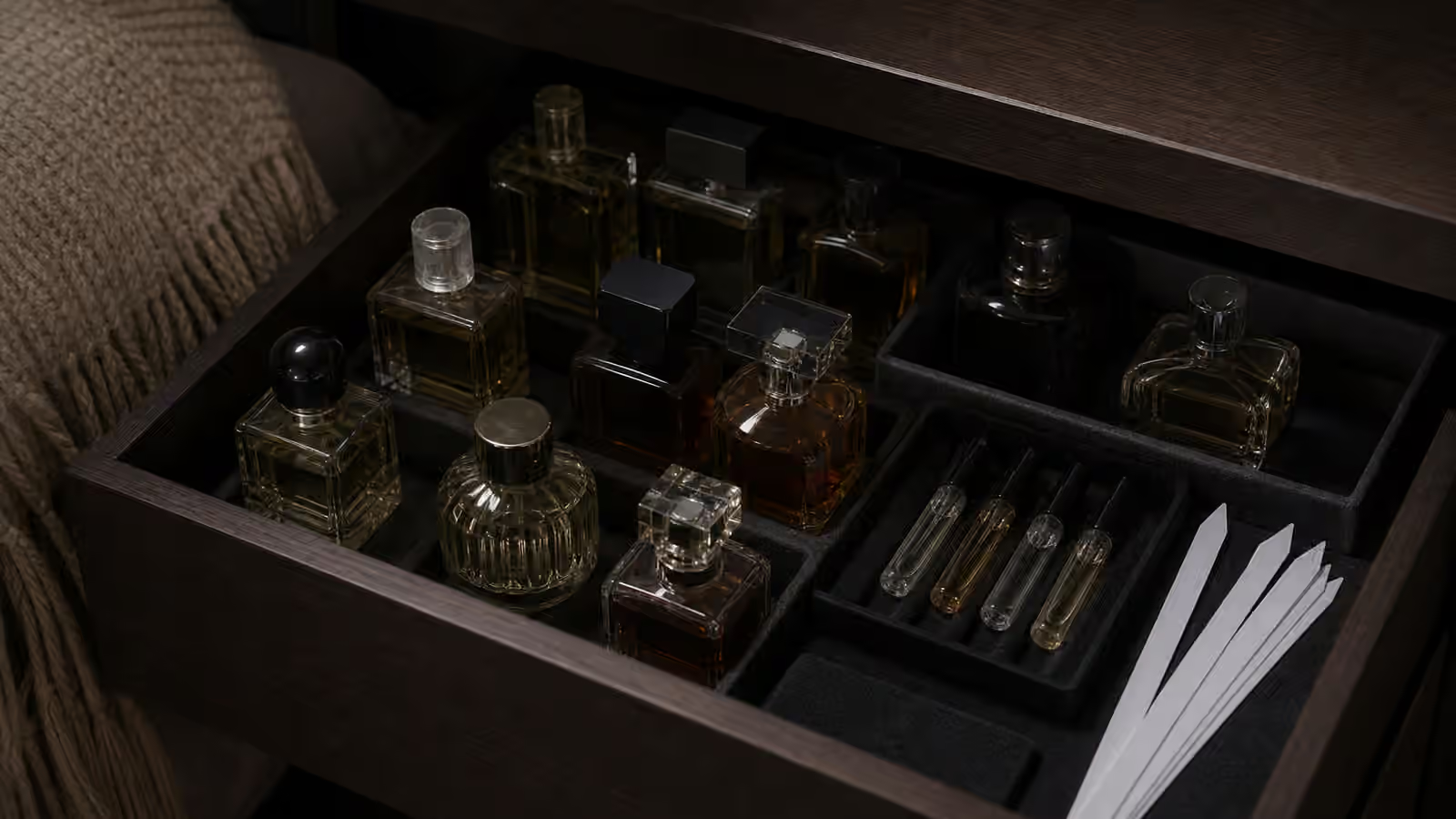
Beginner Fragrance Wardrobes encourages a small set that actually gets worn. Storage is easier when the wardrobe is not sprawling. You can protect five bottles without turning your room into a stockroom.
Heat changes the scent’s balance
Heat speeds up change. A bottle kept near a radiator, in a hot car, on a sunny dresser, or in a bathroom that warms daily may lose brightness, sour, darken, or simply stop smelling like itself. The change may be gradual enough that you do not notice until you compare it with a fresher sample.
Perfume does not need refrigerator treatment in most homes. Extreme cold, food smells, condensation, and constant moving in and out can create their own annoyances. What perfume usually wants is stable coolness. A room-temperature drawer away from heat swings is often enough.
Think of storage as reducing drama. Less heat, less light, less humidity, fewer temperature swings, fewer loose caps, fewer half-open travel sprays in bags. Fragrance likes calm.
Bathrooms are convenient and risky
The bathroom seems logical because scent often belongs to getting ready. It has mirrors, counters, and routines. It also has steam, heat shifts, humidity, and hard surfaces where bottles can fall. For many perfumes, it is a poor long-term home.
If the bathroom is the only place you will remember to use a scent, keep a small daily body mist or inexpensive bottle there if you accept the tradeoff. But the bottles you care about should live somewhere steadier. A bedroom drawer, closet shelf, or shaded dresser cabinet is usually better.
This is not about being precious. It is about not asking a fragrance to survive the same environment that fogs a mirror.
Air matters after opening
Every spray introduces a little more air into the bottle. Over time, oxygen can change a fragrance, especially when the bottle is nearly empty. This does not mean opened perfume is doomed. It means the half-inch left in a bottle for years may not smell exactly like the first month.
Keep caps on. Avoid decanting more than you need. Use travel atomizers as temporary tools rather than long-term vaults unless they seal well. If a spray mechanism breaks, do not leave the bottle open while you decide what to do. Air exposure is one of the fastest ways to turn a repairable problem into a lost bottle.
Samples and discovery vials need even more attention. Small volumes change faster because there is less liquid and often more air relative to the amount of perfume. If you are sampling seriously, How to Sample Fragrances will help you work through vials before they become a drawer of evaporating maybes.
Display can be seasonal
You do not have to choose between enjoying your bottles and caring for them. One practical compromise is rotating a small tray. Keep most of the wardrobe stored well, then place one or two current scents somewhere shaded and easy to reach for a week or two. The full collection stays protected. The morning ritual still feels visible.
This also helps with decision fatigue. A crowded perfume display can make you wear the same thing anyway because the choice becomes noisy. A small seasonal tray keeps the current mood close. The rest waits in better conditions.
How to Choose a Fragrance for Seasons and Occasions pairs naturally with this habit. Storage and wearing are connected. A summer citrus, winter amber, office skin scent, and weekend floral do not all need to sit in the same exposed row year-round.
Travel is where bottles get careless
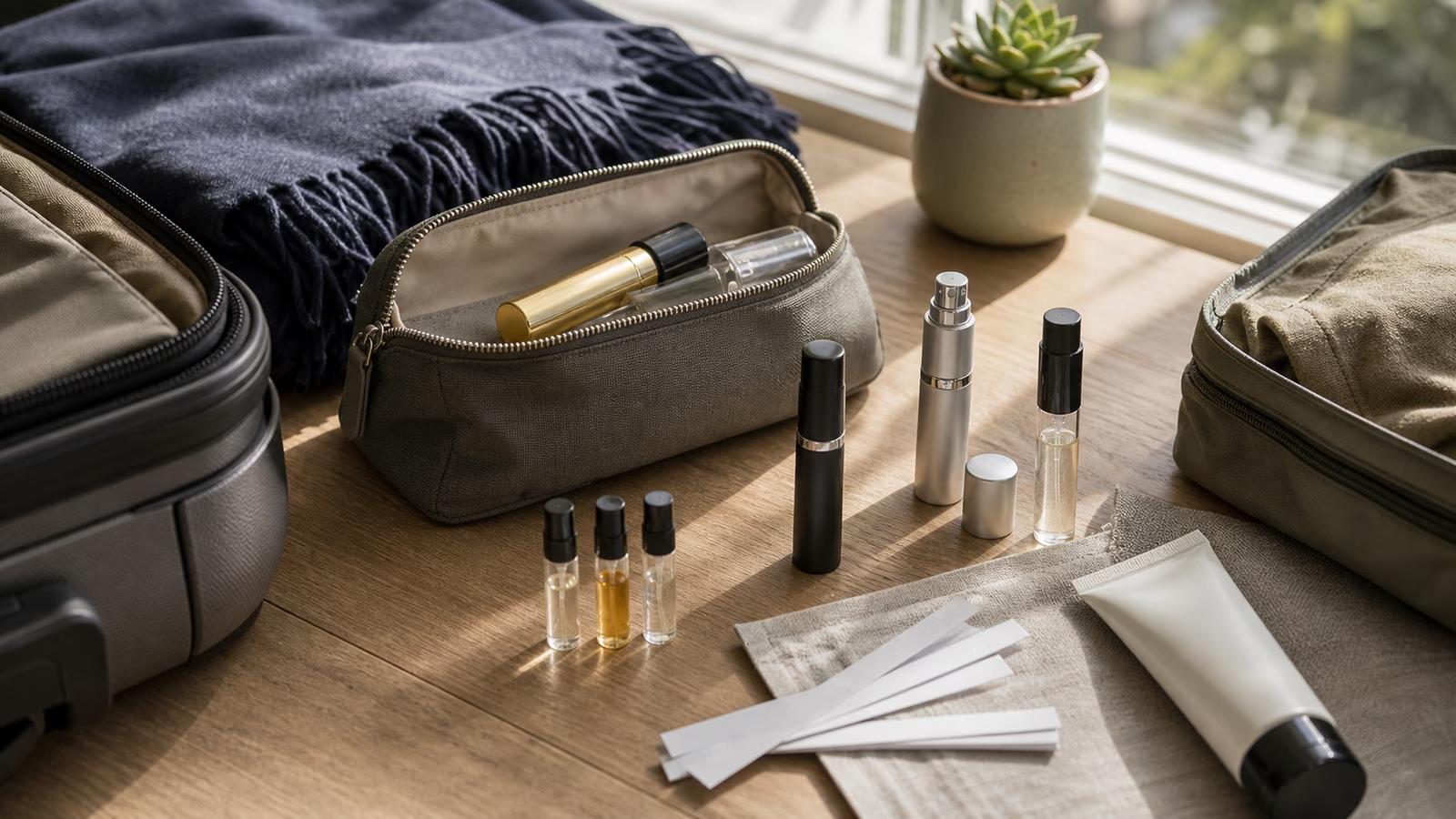
Travel is hard on fragrance. Bags heat up. Caps loosen. Glass knocks against chargers and keys. Air pressure changes can annoy leaky atomizers. A full bottle in a suitcase is often more risk than reward.
Use smaller travel sprays when possible. Fill them cleanly, label them in a way you understand, and do not keep them for years as mystery liquids. Wrap glass if it must travel. Keep perfume out of hot cars and direct sun. If a fragrance is precious, ask whether it needs to travel at all.
Body mists, oils, and small samples each have different travel personalities. Body Mist vs Perfume and Perfume Oils explain how lighter formats and close-wearing oils can fit casual routines without turning every trip into a bottle-protection exercise.
Learn the signs of change
A changed perfume may smell sour, flat, metallic, dusty, overly alcoholic, strangely sharp, or missing the top notes you remember. The color may darken. The texture may look odd. Sometimes the scent is not ruined, only aged into a slightly different version of itself. Sometimes it is clearly gone.
Do not judge from the first harsh second alone. Alcohol can flash off sharply, especially from a cool bottle. Spray on paper, wait, and compare with memory or another sample if you have one. If the fragrance still blooms after a few minutes, it may be fine. If it remains unpleasant or unrecognizable, storage or age may have won.
Perfume is not immortal. That can be disappointing, but it is also a useful limit. A bottle exists to be worn, not worshiped from a shelf until it fades unused. Good storage extends the window. It does not replace the pleasure of actually using the fragrance.
The best care is simple: keep perfume cool, dark, closed, stable, and in rotation. Let the bottles be beautiful sometimes, but do not make beauty fight the chemistry every day.