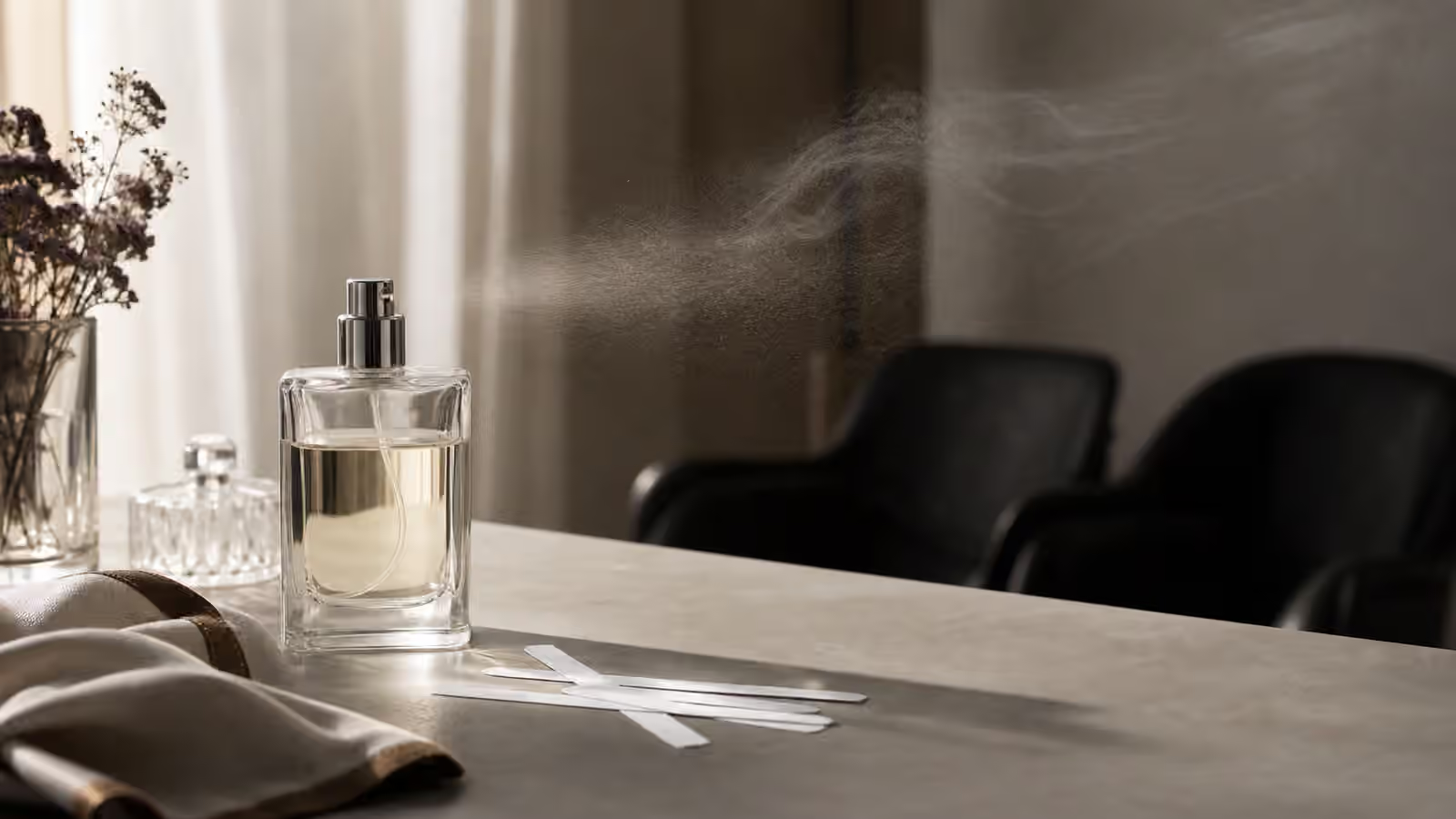
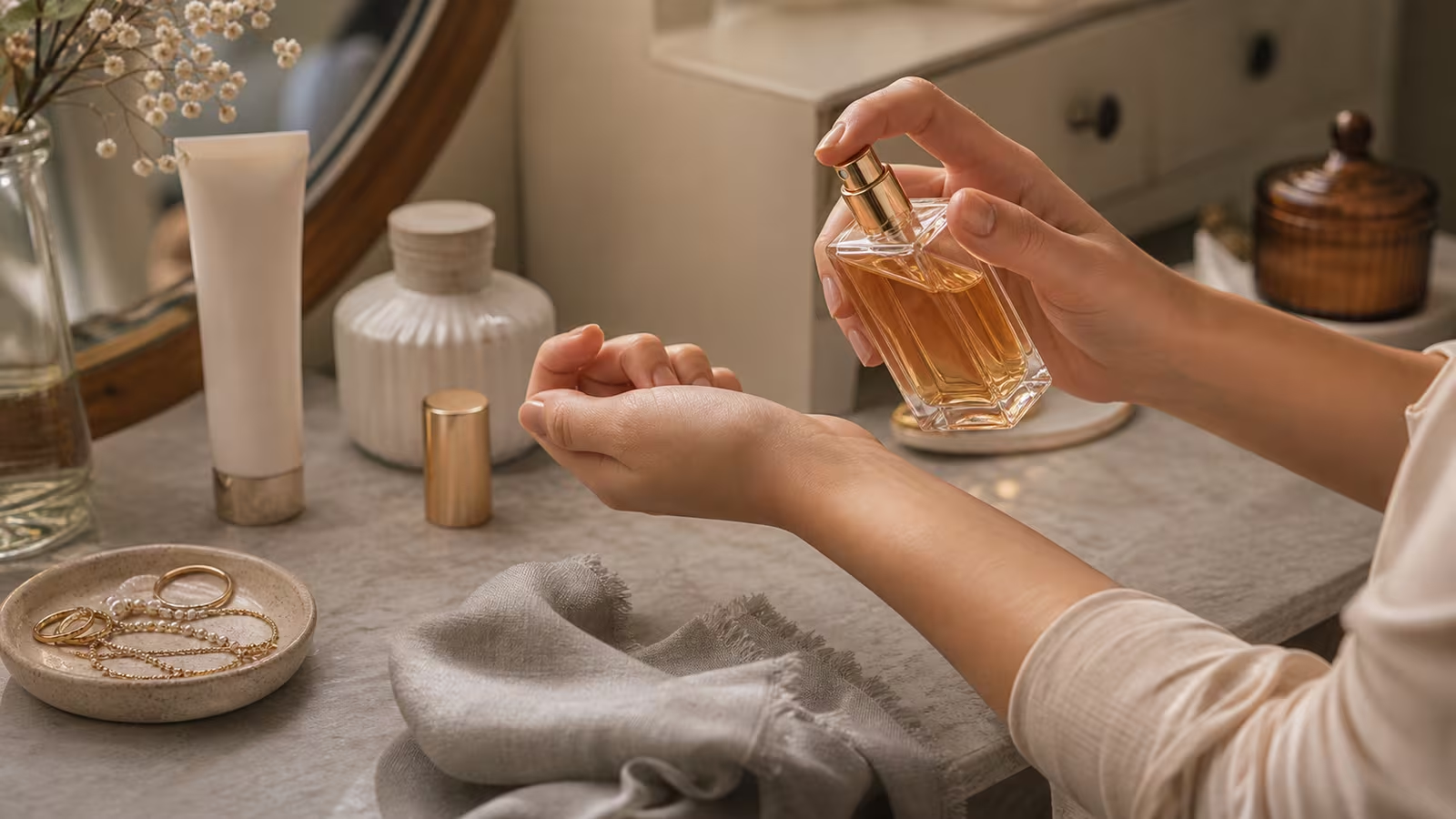
Perfume on fabric can be beautiful for the same reason it can become complicated: cloth remembers. A spray on skin may fade through heat, motion, washing, and natural skin chemistry, but a scarf, coat collar, sweater, or shirt cuff can hold base notes for days. Musk, amber, vanilla, woods, smoke, powder, and some florals often cling to fibers long after the wearer has stopped noticing them. That persistence can make a favorite scent feel soft and lived-in. It can also make yesterday’s perfume argue with today’s choice.
Most fragrance advice begins with skin because skin is where perfume becomes most personal. Still, fabric is part of real wearing. Clothing frames the body, catches scent as you move, and often carries the drydown longer than wrists do. The skill is not to avoid fabric completely. It is to understand what fabric changes, what risks it introduces, and how to use it with restraint.
Fabric gives fragrance a steadier surface
Skin is warm, oily, salty, and alive. It changes throughout the day. Fabric is usually cooler and more stable, which means fragrance often evaporates more slowly from it. This is why a perfume that disappears from skin after lunch may still be obvious on a scarf in the evening. It is also why a drydown can seem clearer on fabric. The bright top notes may lift away, while the base sits in the weave and releases gradually.
That steadiness can be useful with light fragrances. A citrus, tea, musk, or fresh floral that feels brief on skin may gain a little more presence when one spray lands on a cotton shirt or linen layer. A woody or amber scent can leave a pleasant trace on a jacket. A soft musk can make a sweater feel familiar without announcing itself loudly. Fabric can turn perfume into atmosphere.
The same steadiness can become a problem with strong scents. A loud amber on wool may feel generous at first and heavy the next morning. Smoke, leather, patchouli, vanilla, and dense musks can linger in collars and coat linings. If you rotate fragrances often, fabric can create a background mixture you did not choose. That mixture may be pleasant for a while, then muddy. It is worth noticing which garments have become part of your scent wardrobe.
Fabric is not a neutral test strip
Blotter strips are designed to receive fragrance cleanly. Clothing is not. Fabric has dye, finishing treatments, detergent residue, softener, body oil, dust, and its own texture. Cotton, silk, wool, linen, synthetics, denim, and knits can all hold perfume differently. A scent sprayed on a white cotton shirt may feel airy. The same scent on a wool coat may become warmer and deeper. On a synthetic blouse, it may sit sharply on the surface.
This is why Where to Apply Perfume treats clothing as one option rather than the whole method. Skin tells you how perfume lives with you. Fabric tells you how it clings to what you wear. Both answers are useful, but they are not interchangeable.
When you are testing a new perfume, start on skin or a blotter before spraying clothing. If you already know you enjoy the drydown, then try fabric carefully. A hidden test patch is sensible with delicate, pale, vintage, or expensive garments because some perfumes contain oils, colorants, resins, or materials that may leave marks. Even clear perfume is not automatically harmless on every textile. Let the test dry fully before trusting it.
Scarves and coats need special patience
Scarves, coat collars, and jackets are tempting because they sit near the face and move through air. They are also the garments most likely to hold a scent long enough to surprise you later. A scarf sprayed with vanilla musk may smell wonderful for two days. A coat collar sprayed with smoky leather may still be there the next time you reach for a fresh floral. This is not always bad. It is simply durable.
If a garment is difficult to wash, use lighter application. Spray the air in front of the fabric and pass the garment through only if the material tolerates that kind of misting. Better yet, spray a removable layer such as a washable scarf rather than a coat lining. If the scent is strong, keep it lower on the body or on skin beneath clothing so it can soften before it reaches other people.
Projection also changes near the neck. A perfume on a scarf may sit close to your own nose for hours, which can create fatigue. You may stop smelling it while others still notice it, or you may become irritated by a scent you normally like because it has nowhere to go. Fragrance Fatigue and Nose Blindness is useful here because fabric wear can make adaptation feel confusing. If you keep adding sprays because you cannot smell your scarf anymore, the people around you may experience a much larger fragrance than you do.
Laundry products are already layers
Clothing often carries scent before perfume arrives. Detergent, softener, dryer sheets, stain treatments, storage sachets, closet wood, and the smell of the room can all affect how fragrance reads. A clean musk perfume over a strong laundry scent may become louder and sharper than expected. A delicate tea scent over tropical detergent may lose its clarity. A warm vanilla sprayed on a sweater with lingering smoke or cooking smells may feel heavier than it should.
This is one reason Scent Layering begins with the whole routine rather than the perfume bottle alone. Fabric belongs to that routine. If your clothes are already highly scented, perfume has less room to speak. If your laundry is quiet, even a modest spray can feel more polished.
For people who enjoy close, clean fragrance, unscented or lightly scented laundry products can make perfume easier to judge. That does not mean every product in life must be fragrance-free. It means background scent should be chosen instead of accidental. A fresh shirt that smells strongly of detergent is already making a fragrance statement before the perfume begins.
Distance matters more on fabric
Perfume sprayed directly onto fabric from very close range can concentrate in one spot. That can create a harsh patch of scent, a visible mark, or a drydown that feels oddly dense. Spraying from a little distance gives the fragrance room to disperse. One light spray on clothing is often enough, especially if skin already carries the perfume.
Fabric application also changes the personal boundary of a scent. A wrist can be moved away. A collar stays near the face. A coat projects as you walk into a room. A scarf releases scent whenever it shifts. If you care about close-space fragrance, fabric requires more restraint than skin because it can keep speaking after your nose has moved on. Close-Space Fragrance pairs naturally with this topic: fabric can be kind and subtle, but only when the wearer respects shared air.
Ask for feedback in practical terms. Instead of asking whether someone likes the perfume, ask whether they can smell it from where they are sitting. That answer helps you adjust distance and amount without turning taste into a debate. A perfume that is perfect at arm’s length on skin may be too present when a scarf keeps releasing it at face level.
Fabric can preserve the drydown you love
The best use of fabric is often selective. If you love the late stage of a perfume, a small amount on a scarf or shirt cuff can preserve that drydown beautifully. Woods, musks, iris, soft florals, tea, and gentle amber materials can become quieter and more textured on cloth. The scent feels less like a fresh spray and more like part of the outfit.
This works especially well when the perfume is already comfortable. A fragrance with an annoying drydown will not become better because it lasts longer on fabric. A scent that turns scratchy, sour, too sweet, or too smoky on skin may become even more persistent on clothing. Perfume Drydown should come before fabric experiments. Know what remains before you decide to let cloth hold it.
It also helps to keep a few garments scent-neutral. If every scarf, sweater, and coat has a perfume history, sampling becomes harder. A clean cotton shirt, an unscented sweater, or a washable layer gives you a better testing surface when you want to understand a new fragrance. The rest of your wardrobe can hold memories, but your sampling clothes should not be crowded with them.
When fabric is the wrong place
Some situations call for skin only or no perfume at all. Delicate silk, pale leather, heirloom fabrics, formal wear you cannot easily clean, borrowed clothing, and anything with uncertain dye should be treated cautiously. Strong oils and dark liquids deserve particular restraint. Hair mists, body mists, perfume oils, and sprays all behave differently, but none should be assumed safe for every material.
Travel is another case where fabric persistence matters. A perfume sprayed heavily on a coat before a flight, train ride, or long car trip may feel pleasant to you and inescapable to someone nearby. Traveling With Fragrance covers close quarters for exactly that reason. Fabric can turn a modest application into a shared environment.
Perfume on clothes is best treated as a finishing choice, not a rescue plan. It can add longevity, softness, and a beautiful trail. It can also trap scent, stain fabric, and make layering messy. Start with one light application, use washable or less precious materials first, and notice what remains the next day. Cloth remembers, so give it something worth remembering.