Perfume oils feel different from sprays before you even smell them. A spray blooms into the air. An oil touches the skin. A spray can make a room notice you. An oil often waits until someone is close. This intimacy is the main reason people love perfume oils. They can feel warm, private, and personal, like a scent that belongs to the body instead of floating above it.
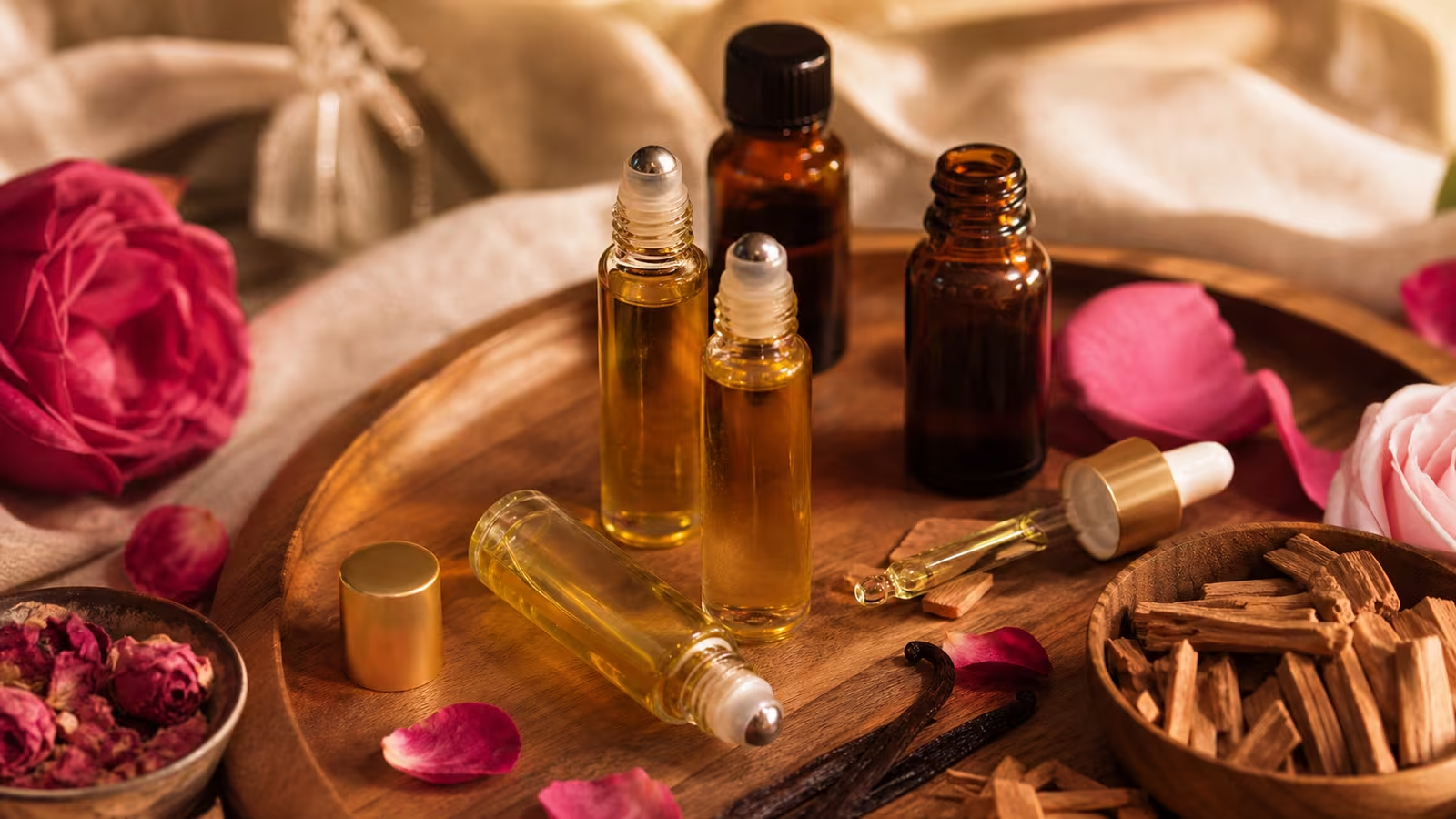
Perfume oil is usually aromatic materials diluted into a carrier oil or oil-like base. It may come in a rollerball, a small bottle with a wand, or a dabber. Instead of alcohol helping the fragrance lift and diffuse, the oil keeps the scent closer and often slows its movement. This can make oils feel longer-lasting on skin while projecting less. That difference is important. Longevity and projection are not the same. A perfume oil may be detectable on your wrist for eight hours while nobody across the table smells it strongly.
Why oils feel intimate
Alcohol-based sprays evaporate more quickly, carrying fragrance materials into the air. That evaporation creates lift, brightness, and diffusion. Oils evaporate more slowly, so the fragrance tends to stay near the application point. This makes oils excellent for people who want fragrance to be discovered rather than announced. A vanilla oil on the wrists, a soft musk behind the ears, or a sandalwood oil on the chest can create a quiet aura that feels comforting without filling the room.
This close-wearing quality is useful in shared spaces. Offices, classrooms, airplanes, medical waiting rooms, and family gatherings do not always welcome strong perfume. An oil can give you the pleasure of scent while staying polite. It is also useful for bedtime, meditation, low-key errands, or days when you want to smell good only to yourself and anyone who comes near.
The tradeoff is that oils may feel underwhelming if you expect a traditional perfume trail. If your ideal scent enters before you do, oil may not satisfy that job. But if your ideal scent lives at hug distance, oils can be beautiful.
Notes that work well in oil
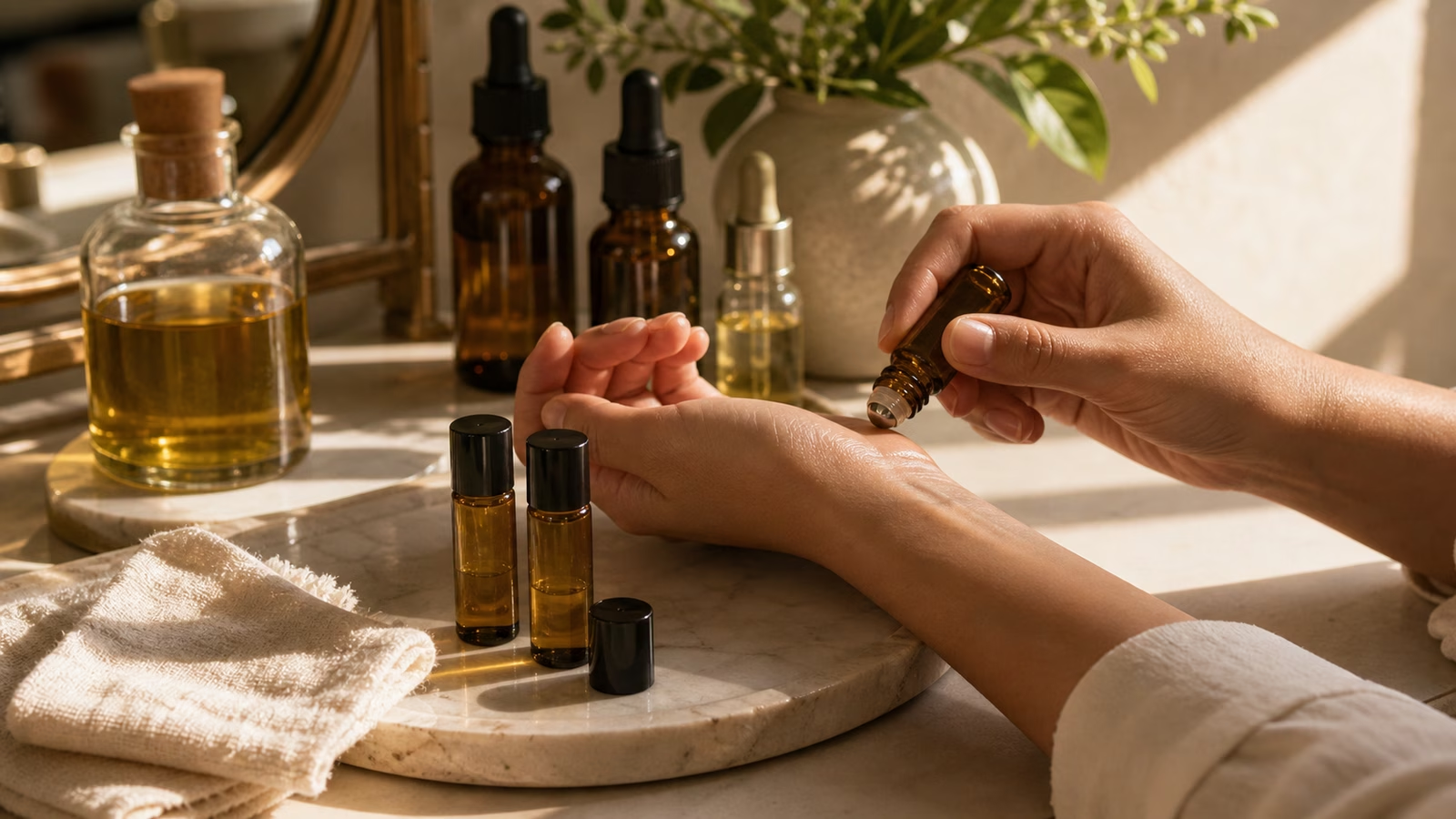
Many cozy notes shine in oil: vanilla, amber, musk, sandalwood, rose, patchouli, coconut, almond, tonka, resin, soft spice, and skin-like blends. These notes already have warmth and persistence, so oil’s slower behavior suits them. A vanilla oil can feel less like frosting in the air and more like warmth on skin. A sandalwood oil can feel creamy and meditative. A rose oil can feel plush and personal rather than bouquet-like.
Fresh oils exist too, but they behave differently from fresh sprays. Citrus in oil may feel softer and less sparkling because the alcohol lift is missing. Green notes may feel smoother. Aquatic notes may be harder to capture in a satisfying way. This does not mean fresh oils are bad, only that you should judge them as oils. If you want a bright grapefruit burst, a spray may serve you better. If you want a soft citrus musk that stays close, oil can work.
Application matters
Apply perfume oil lightly. Rollerballs make it easy to overdo because the scent feels quiet at first. A small roll on the wrists, inner elbows, behind the ears, or chest is enough for many oils. Give it time to warm. Oils can seem faint immediately and then become more noticeable as they settle into skin.
Avoid rubbing hard. A gentle dab is enough. Keep oils away from irritated or broken skin, and patch test if you are sensitive. Essential oils and natural materials can cause reactions just like synthetic materials can. Natural is not a safety guarantee. If a product does not give clear usage guidance, be cautious.
Be careful with clothing. Oils can stain fabric, especially silk, pale cotton, wool, and delicate materials. Let the oil absorb before dressing, and do not roll directly onto clothes unless the product is designed for that and you accept the risk. A scent mark on a scarf can last a long time, but an oil mark may last too.
Layering with oils
Perfume oils are excellent layering anchors. Because they sit close, they can add warmth underneath a spray without necessarily competing in the air. A sandalwood oil under a floral perfume can make the floral feel smoother. A vanilla oil under a citrus fragrance can add warmth after the citrus fades. A musk oil under a body mist can make the whole routine feel more skin-like.
The key is to choose a simple oil when layering. A complex oil under a complex perfume may create confusion. Beginners usually do best with single-mood oils: vanilla, musk, amber, sandalwood, rose, or clean skin. Apply the oil first, let it settle, then spray perfume lightly. Wear the combination for a full day before deciding. The drydown is where layering either becomes beautiful or muddy.
Oils can also revive a perfume that feels too sharp. A soft musk or sandalwood base may round out edges. But oils cannot fix every mismatch. If a perfume turns sour on your skin, adding oil may only make the sourness last longer. Layering should improve a scent you already like, not rescue one you do not.
Rollerballs and hygiene
Rollerballs are convenient, but they touch skin directly. Over time, skin oils, lotion, and tiny particles can transfer back to the roller. This is usually not a disaster, but it is worth using clean skin and avoiding application over heavy lotion that may gum up the ball. If you share fragrance, sprays are more hygienic than rollerballs. Personal rollerballs are best kept personal.
Small oil bottles are easy to carry, but they can leak if stored carelessly. Keep caps tight, store upright when possible, and avoid leaving oils in hot cars or sunny bags. Heat can damage scent and thin the oil, increasing leak risk.
Value and buying
Perfume oils can be affordable, but quality varies widely. Some are thoughtful compositions. Some are simple dupes. Some are charming single-note oils. Some are poorly diluted or harsh. Buy from brands that explain ingredients, usage, and skin safety. Be skeptical of claims that an oil is safe simply because it is natural. Also be skeptical of oils that promise to smell exactly like an expensive perfume for almost no money. They may be enjoyable, but they may not have the same texture, safety testing, or refinement.
Sample when possible. Oils can change significantly on skin because they stay so close. A vanilla oil that smells perfect in the bottle may become too sweet after an hour. A musk that smells faint at first may become addictive. A rose that smells heavy from the vial may soften beautifully on warm skin.
When oil is the right choice
Choose oil when you want closeness, softness, portability, or a quiet base for layering. Choose spray when you want brightness, projection, a clearer opening, or a fragrance that moves through the air. Many wardrobes benefit from both. A spray can be your public silhouette. An oil can be your private texture.
Perfume oils invite a slower kind of attention. You notice them when your wrist passes your face, when your sweater warms, when someone leans in, or when the day has quieted down. They may not win the loudest compliment, but they can become the scent you associate with comfort, skin, and small rituals. For a beginner, that is a valuable lesson: not every beautiful fragrance needs to announce itself. Some of the best ones stay close.