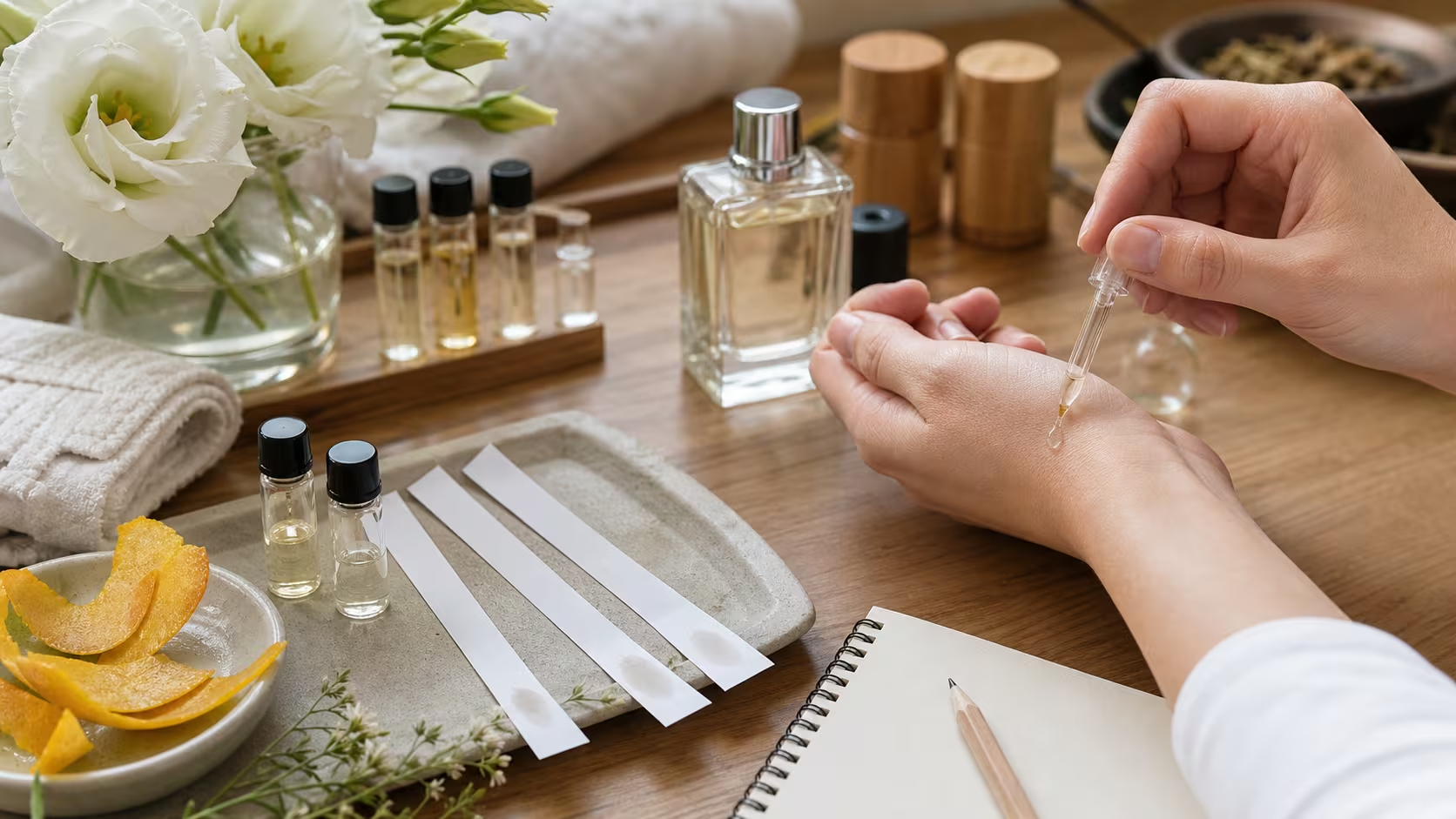
Perfume drydown is the part of a fragrance that appears after the first spray has stopped performing. It is not always the most dramatic stage, but it is often the stage you actually live with. The opening may catch attention with citrus, alcohol lift, fruit, herbs, bright flowers, or pepper. The drydown is what remains after movement, body heat, clothing, air, and time have done their work. It might be cedar on a scarf, musk on skin, a soft vanilla trace at the collar, a powdery iris veil, or a faint mineral freshness that only appears when you move.
This is why a good fragrance decision takes longer than a store visit wants to allow. Perfume is built to unfold. Some scents are designed around a vivid first minute, while others are quiet until the base warms up. If you buy only from the opening, you may end up with bottles that smell wonderful at the counter and wrong by dinner. If you learn to wait for the drydown, you begin judging the part of the fragrance that follows you through real life.
The opening is a promise, not proof
The first spray is useful because it tells you how a fragrance introduces itself. Bright materials rise quickly. Citrus peel, green notes, aromatic herbs, watery fruit, aldehydic sparkle, and peppery lift can make a perfume feel immediately fresh or exciting. Alcohol can also sharpen that moment. A fragrance may seem bigger, cleaner, sweeter, or more electric in the first minute than it will feel after ten minutes.
The opening is not false, but it is incomplete. It is like meeting someone at the door while they are still wearing a coat. You have useful information, but not the whole person. A lemon opening may become a white musk. A juicy pear may settle into rose and clean woods. A smoky first impression may soften into suede. A sharp green start may become elegant once flowers and moss arrive. Fragrance Notes Explained makes this easier to understand because note names often describe impressions that move through time rather than fixed ingredients sitting still.
Beginners often get trapped by openings because openings are easy to compare. Spray three blotters and the brightest one wins. That does not mean it will be the best fragrance to wear. Some perfumes are built like fireworks and fade into something ordinary. Others begin quietly and become beautiful only after warmth and air have softened them.
The heart tells you what the fragrance is trying to be
After the opening settles, the heart begins to show the main character of the perfume. Florals, spices, tea, creamy notes, fruits, aromatic materials, powder, and soft woods often become clearer here. This is the point where a fragrance starts to feel less like a list and more like a mood. A fresh perfume may reveal a jasmine center. A woody fragrance may turn creamy. A clean musk may become powdery. A gourmand may stop smelling like sugar and start smelling like warm skin, tonka, or sandalwood.
The heart matters because it connects the exciting first spray to the lasting base. If that connection feels awkward, the fragrance may seem unstable. You might enjoy the citrus opening and the musky base, but dislike the sour floral middle. You might love the spicy heart, but find that the sweetness grows too much before the base arrives. These middle-stage problems are easy to miss if you sniff once and decide.
A careful wear test gives the heart room to appear. Do not press your nose to the same wrist every three minutes. That can tire your nose and make the scent seem weaker or stranger than it is. Let the fragrance move around you while you do ordinary things. Notice it when you stand up, step outside, wash your hands, put on a jacket, or lean near fabric. The heart is often best understood from a little distance.
The base is the part that stays with you
Drydown usually points toward the base: the slower materials that linger after brighter notes fade. Woods, musks, amber materials, resins, vanilla, tonka, patchouli, moss, leather, sandalwood, cedar, vetiver, incense, and powdery fixatives often shape this stage. They may not all smell heavy. A base can be transparent, clean, salty, creamy, dry, smoky, or soft as cotton. What matters is persistence.
This stage decides whether a perfume belongs in your life. A fragrance can have a gorgeous opening and a base you do not want on your sweater. It can also have a plain opening and a base that becomes the whole reason you wear it. Musk and Skin Scents are especially good teachers here because many of them are built around quiet drydown rather than obvious drama. Woody Scents teach the same lesson from a more structured direction: cedar, sandalwood, vetiver, and patchouli often define what remains after the top notes leave.
The base also affects your sense of value, but not in the simple way people sometimes describe. Longer lasting is not automatically better. A four-hour citrus cologne may be perfect if it gives you clean lift in the morning. A twelve-hour amber may be beautiful on a cold walk and too much in a small office. The useful question is not “How long does it last?” It is “Do I like the part that lasts?”
Skin and fabric tell different stories
Skin drydown is intimate because it meets body heat, oil, salt, lotion, and motion. Some fragrances bloom on warm skin. Some become sharper. Some fade quickly on dry skin unless the wearer moisturizes first. Some musks seem to disappear to the wearer while other people still notice them. Skin Chemistry and Perfume is helpful beside this topic because it explains why the same scent can feel creamy on one person and metallic on another.
Fabric drydown can be slower and more persistent. A scarf may hold vanilla, musk, amber, woods, smoke, or powder long after skin has gone quiet. That can be pleasant when the scent is soft and familiar. It can be annoying when yesterday’s fragrance interferes with today’s choice. Fabric also changes texture. Citrus may vanish, but woody and musky materials can stay. A perfume that seems moderate on skin may become more noticeable on wool or a collar.
This is one reason not to spray every test directly onto clothing. If you are sampling, skin gives you the most personal answer. Fabric can help later, once you already know you enjoy the drydown. A hidden patch test is sensible with delicate fabric because some perfumes contain colored materials or oils that may mark cloth.
How to check drydown without making it a chore
A good drydown test is simple. Wear one fragrance on clean skin and give it several hours. Check the opening, then leave it alone for a while. Return after about half an hour to understand the heart. Return later to understand the base. Use ordinary language when you write notes. “Sharp lemon became soft musk” is useful. “Pretty rose, then too much powder” is useful. “Loved the dry cedar on my sleeve” is useful. You are collecting evidence, not trying to sound like a perfume critic.
The method in How to Sample Fragrances works because it slows the decision down. One fragrance worn through a normal day teaches more than ten blotters lined up at a counter. The drydown should be tested while you are living: working, walking, cooking, commuting, sitting in a warm room, stepping into cool air. Perfume changes with context, and the base is often where those changes become obvious.
It is also worth testing a fragrance more than once before buying a full bottle. Mood, weather, skin condition, and application amount can change your impression. A perfume that seemed flat on a cold, dry day may become radiant in mild weather. A vanilla that felt cozy at night may feel cloying in the morning. A bright floral may be beautiful outdoors and too present at a desk. Drydown is not a single laboratory result. It is a pattern you learn by wearing.
When the drydown disappoints
A disappointing drydown does not mean your nose failed. It means the fragrance is not giving you the ending you want. Sometimes sweetness grows until it feels sticky. Sometimes clean musk turns sharp. Sometimes a woody base feels scratchy. Sometimes a floral becomes soapy in a way you do not enjoy. Sometimes the scent simply becomes blank. These are useful discoveries because they help you sample with more direction.
Try naming the problem precisely. If vanilla gets too sugary, look for vanilla with cedar, musk, tea, salt, or dry amber instead of caramel and praline. If musk gets too laundry-like, try warmer skin musks or sandalwood musks. If woods feel harsh, try creamier sandalwood, softer cedar, or iris woods. If powder becomes dusty, try powder with green notes, tea, or clean musk. The neighboring scent-family guides can help you find these alternate paths without rejecting an entire family too quickly.
Drydown teaches patience, but it also teaches self-trust. The first spray is public and persuasive. The drydown is private evidence. It tells you what a fragrance becomes after the sale pitch has quieted, after the top notes leave, after your own day has started to shape it. A perfume earns its place when the part that remains still feels right.