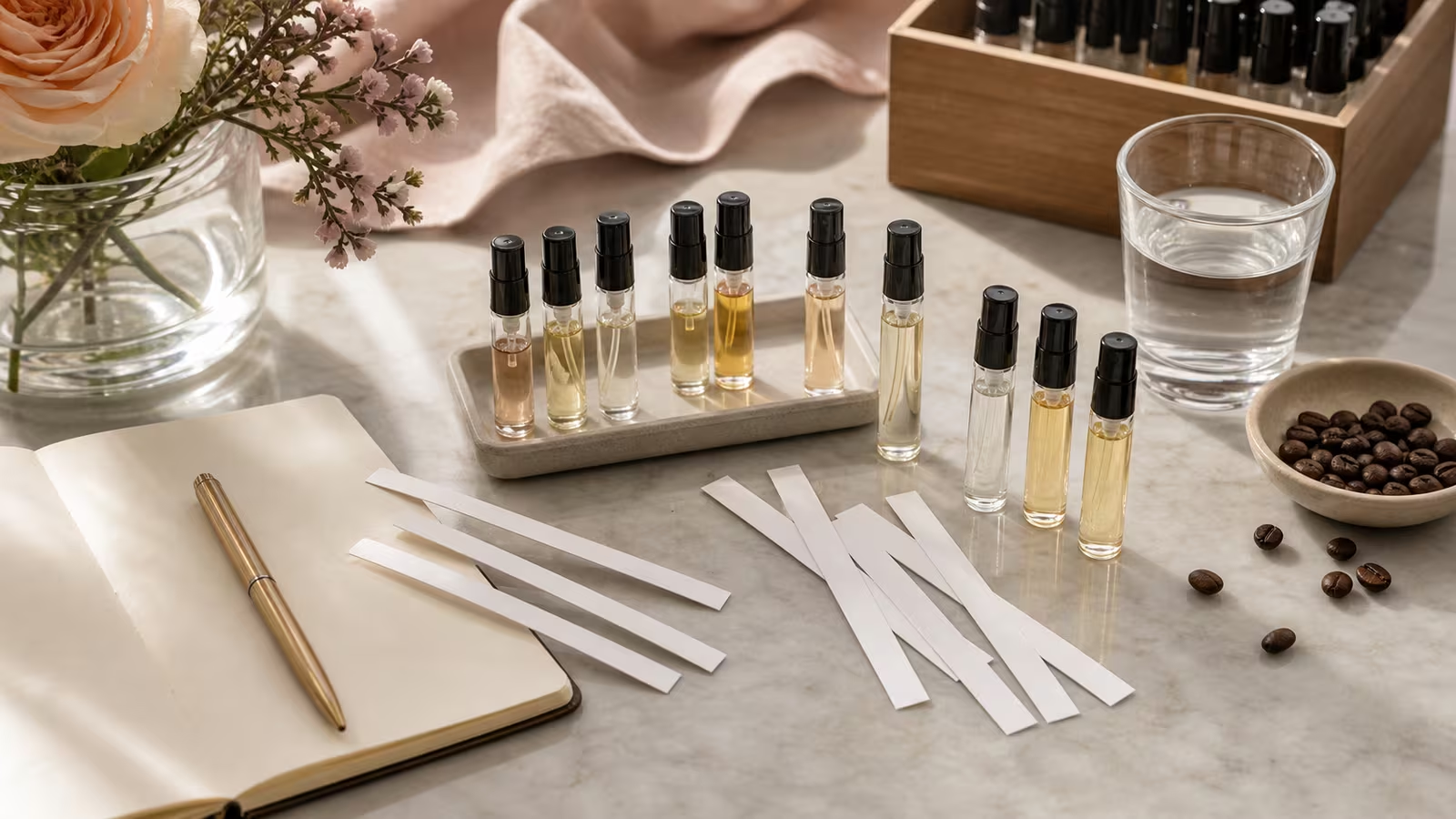
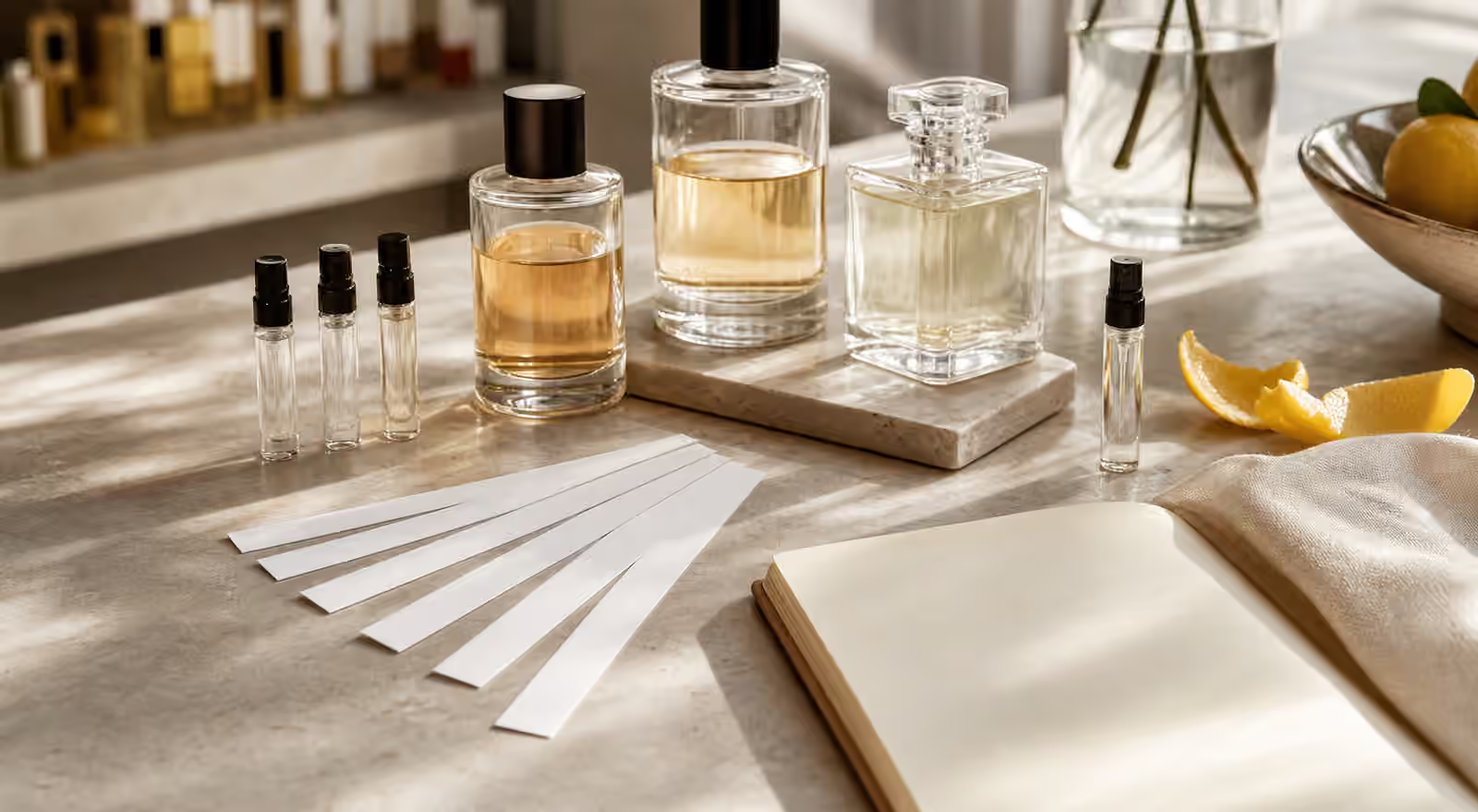
Perfume decants and discovery sets are useful because they put distance between curiosity and commitment. A full bottle can make a sample feel like a verdict. A decant keeps the question smaller: do I want to wear this again, in my real day, after the opening has calmed down? That smaller question is often the one that saves a fragrance wardrobe from becoming a shelf of beautiful mistakes.
A decant is simply a smaller amount of perfume moved into another vial or atomizer. A discovery set is a group of samples chosen by a brand, shop, perfumer, or theme. Both formats are imperfect, and both are valuable. They let you learn how a fragrance behaves on skin, how it sits in the air, how it clings to fabric, and how often you actually reach for it after the excitement of the first spray fades. They also slow down the part of fragrance culture that makes every pretty opening feel urgent.
Decants are for wear, not only for smelling
The main advantage of a decant is time. A paper blotter can tell you whether the opening is bright, sweet, smoky, floral, or strange. A tiny skin test can show the first movement. A decant gives you enough liquid to live with the scent more than once. That matters because perfume judgment changes with weather, clothing, mood, and routine. A vanilla that feels cozy at night may feel too sweet at breakfast. A green tea scent that seems plain at home may become perfect during a warm commute. A vetiver that feels severe on paper may relax beautifully on a sweater.
This is why decants belong beside How to Sample Fragrances rather than after buying advice. Sampling is not a shopping chore. It is the skill of letting evidence collect slowly. If a decant lasts through several normal wears and you still miss it when it is gone, that tells you more than a dramatic first impression at a counter.
Spray format matters too. Some small vials dab instead of spray. Dabbing can feel softer and more intimate, but it may not show projection accurately. A travel atomizer gives a more realistic cloud, though it can also encourage overspraying because the bottle feels less precious. Notice the format when you write notes. “Loved one dab at home” and “too strong from one spray on the chest” are different findings.
Discovery sets need a pace
A discovery set can feel like a small library, which is part of the pleasure. The danger is treating it like a race. Six, eight, or twelve samples can blur into one another if you test them in a single afternoon. After a few sprays, your nose starts adapting. Strong musks, ambers, smoke, white florals, and sweet bases can linger in the room and distort the next sample. The guide to Fragrance Fatigue and Nose Blindness is especially useful here because fatigue often makes beginners buy the loudest scent, not the best fit.
A slower rhythm gives better information. Smell the cap or a blotter if you want an introduction, then choose one scent for skin. Let it unfold. Do not keep sniffing the same wrist every two minutes until it vanishes from your own perception. Check it after the opening, again after an hour, and later when you notice it naturally. If it is still interesting on a quiet day, try it in a different setting. Some fragrances are better outdoors. Some are better under a coat. Some are lovely at home but too present in shared rooms.
Discovery sets also reveal house style. One brand may love transparent musks and airy woods. Another may build everything around amber, vanilla, and projection. Another may favor bitter green openings or powdery florals. Even when an individual sample is not for you, the set teaches you what a particular style does well. That is useful knowledge, not wasted sampling.
Labels protect your memory
Sample confusion is common because small vials look alike. A scent that seemed unforgettable on Tuesday can become a mystery by Friday if the label rubs off, the cap swaps, or the atomizer leaks into a pouch. Treat labeling as part of the fragrance, not as clerical fuss. If a vial arrives with a fragile sticker, add a small blank tag or keep it in its original sleeve. If you decant for yourself, write enough information that future you can identify the perfume without guessing.
Memory also needs context. A name alone rarely tells the whole story. This is where Fragrance Journaling earns its place. A short note can be plain and still useful: bright pear opening, soft musk after one hour, too much laundry on fabric. Another might say: beautiful incense outside, too serious for desk days. The best notes do not sound like reviews. They sound like evidence from your own life.
Date matters because samples age faster than full bottles when they are loosely capped, stored in heat, or left half empty with more air inside. You do not need to panic over every vial, but you should not treat an old, evaporated sample as perfect evidence of the perfume. If a sample smells unusually sharp, flat, sour, or darker than you remember, compare carefully before blaming your taste.
Store small samples like real perfume
Small containers can make fragrance feel temporary, but the liquid still dislikes heat, direct sunlight, and loose caps. Keep decants upright when possible. Keep them away from bathroom steam, windowsills, car interiors, and sunny desks. A drawer, box, or shaded tray is usually enough. The broader care principles in Perfume Storage and Care apply even more strongly to samples because tiny volumes change faster.
Leaks deserve respect. An atomizer that works at home may weep during travel. A dab vial can loosen in a bag. A discovery set sleeve can absorb scent and make every sample smell like the strongest one. Before carrying a decant, test it in a pouch for a day. Keep it inside a small sealed bag if the consequences of a leak would matter. The Traveling With Fragrance guide covers travel restraint and heat, but the everyday rule is simpler: a decant should make perfume easier to use, not turn your bag into a permanent base note.
Decide what a sample is asking
Not every sample is asking, “Should I buy a bottle?” Some are asking whether you like rose, incense, vetiver, aldehydes, marine notes, or clean musk. Some are asking whether you enjoy a style only in theory. Some are asking whether a perfume belongs as a travel spray, a bedtime scent, a seasonal treat, or a scent you admire but do not need to own.
This distinction prevents overbuying. If a decant is pleasant but you never choose it, the answer may be no. If it is beautiful but only for one very specific mood, a small size may be enough. If you keep reaching for it in different weather and miss it when it is gone, then it has earned attention. A full bottle should feel like the continuation of a pattern, not the reward for a thrilling first test.
The quiet benefit of decants is that they make perfume less performative. You can test without announcing a new identity. You can dislike a famous fragrance without drama. You can learn that a note you thought you hated only needed a different structure. You can build taste slowly, one small vial at a time, until your wardrobe reflects what you actually wear.