Perfume lasting power is often discussed as if it were only a matter of strength. A fragrance lasts, so it must be strong. A fragrance fades, so it must be weak. Real wear is less tidy. Some scents are built to sparkle and leave gracefully. Some are sheer but persistent. Some are powerful for other people after the wearer has stopped noticing them. Some keep a clear shape for hours because their base is well built, not because every part of the perfume is loud.
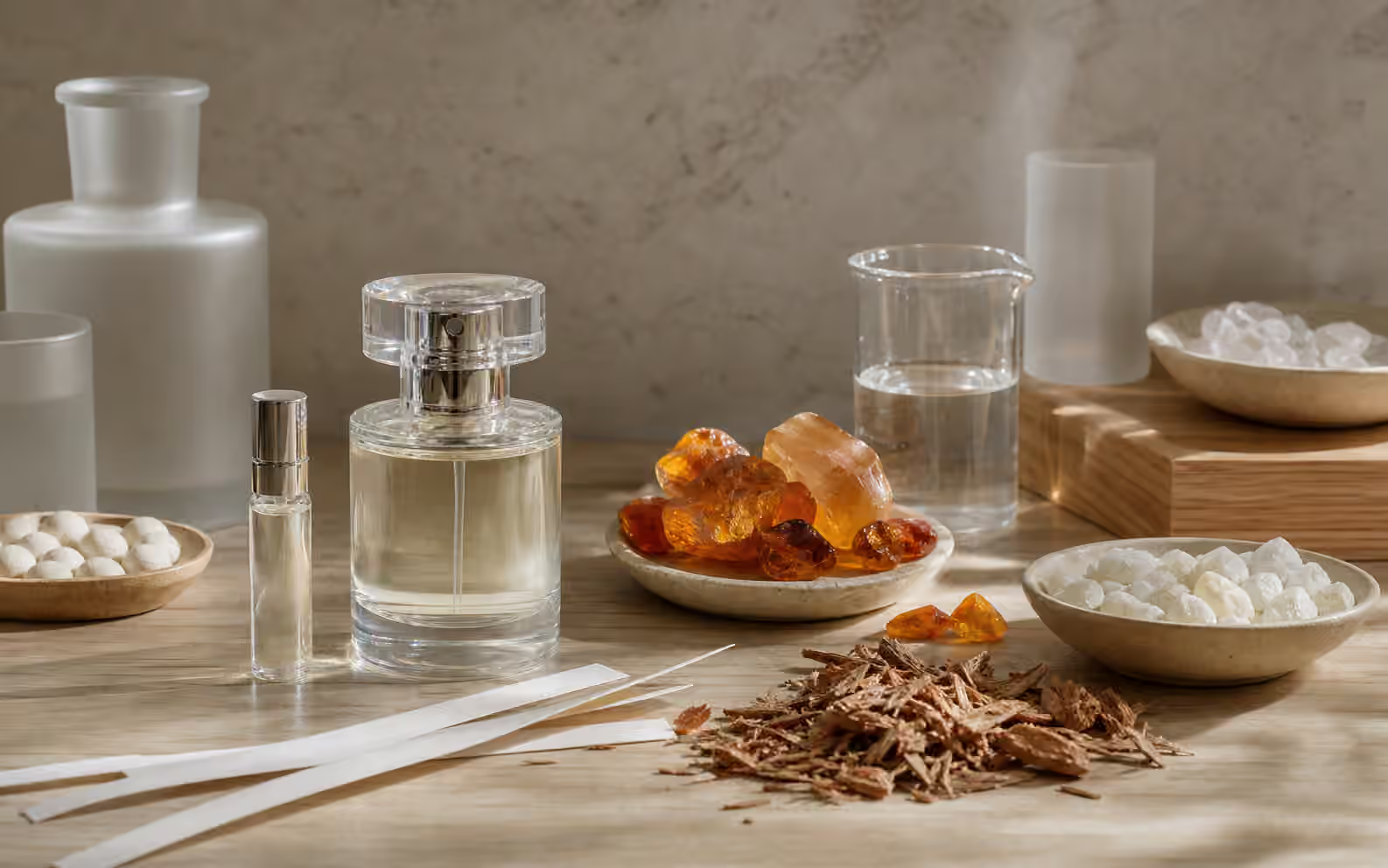
The base of a fragrance is the part that remains after the most volatile materials have lifted. It may include woods, musks, resins, amber materials, vanilla, patchouli, mossy effects, leather, smoke, or long-lasting floral and fruity molecules. The word fixative can make this sound like a single magic ingredient that pins perfume to skin. It is better to think of fixative effects as a set of structural choices. Certain materials slow the feeling of evaporation, extend a theme, hold softer notes in place, or leave a recognizable trail after the opening has changed.
A Base Is More Than What Comes Last
The Perfume Drydown guide explains the movement from opening to heart to base, but the base is not simply the last scene after everything interesting has happened. In many perfumes, the base is the quiet architecture from the beginning. It decides whether a citrus scent becomes clean musk, dry vetiver, soft amber, or nothing much at all. It decides whether a rose feels fresh for a short time or develops into velvet, powder, leather, woods, or skin warmth.
You can often sense the base early if you smell patiently. Behind a bright opening, there may be a dry cedar line. Under fruit, there may be musk. Under sweet vanilla, there may be benzoin, tonka, patchouli, or sandalwood. These materials may not announce themselves as separate notes at first, but they guide the perfume’s future. A fragrance with no convincing base can feel thrilling for fifteen minutes and vague by lunch. A fragrance with a thoughtful base can seem modest at first and become more satisfying as it settles.
That is why judging only the first spray is risky. The opening tells you what invited you in. The base tells you what you will live with. If you are deciding whether a scent belongs in your wardrobe, the later answer matters more.
Fixative Effects Are Not a Cheat Code
The language of fixatives can lead to unrealistic expectations. People sometimes imagine that a perfumer can add a fixative and make any scent last all day in its original form. But perfume is made from materials with different volatility, weight, diffusion, and character. A sparkling lemon effect cannot remain exactly sparkling forever. A watery cucumber note may not behave like a dense resin. Making a scent last longer can change how it smells, how it projects, and whether it still feels like itself.
Fixative effects work best when they support the idea of the perfume. A citrus cologne may use musks, woods, or vetiver to leave a clean trace after the sparkle fades. A tea scent may use pale woods and soft musks to keep the leaf impression from disappearing. A vanilla may use resins and woods so sweetness has depth rather than a flat sugar trail. In each case, the base extends the experience without pretending the top note is permanent.
This matters when reading performance claims. A perfume can last eight hours and still lose the part you loved in the first ten minutes. Another can last four hours and feel complete because its brief structure is graceful. The guide to Projection and Sillage is helpful here because longevity, scent radius, and trail are related but not identical.
Woods Give a Fragrance Lines
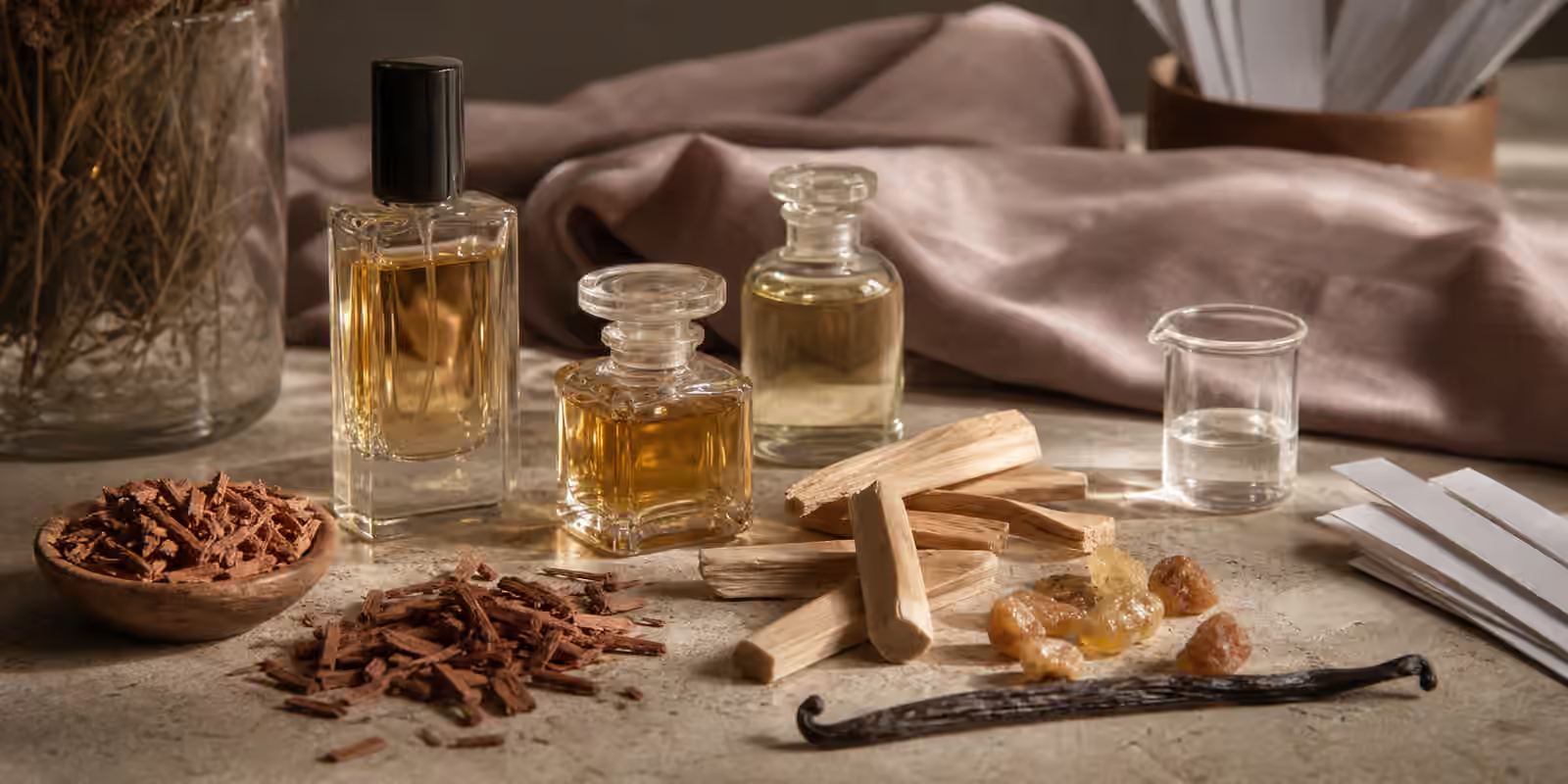
Woody materials are among the most familiar base builders. Cedar can feel dry, clean, pencil-like, airy, and structural. Sandalwood can feel creamy, warm, smooth, and close. Vetiver can give dry grass, root, smoke, and crispness. Patchouli can add earth, dark leaves, cocoa-like depth, or polished woodiness. Modern woody materials can be very persistent and can make a perfume radiate from fabric long after the wearer has adapted.
The guide to Sandalwood and Cedar Scents separates two everyday wood textures, while Vetiver Scents shows how a base can be woody, green, and dry at once. These materials are useful because they give perfume a line to follow. A floral with cedar may feel clearer. A citrus with vetiver may feel less fleeting. A vanilla with sandalwood may feel smoother and less edible.
Too much woody force can also flatten a perfume. Some bases become scratchy, dry, or oversized when they are used to chase persistence. A fragrance may last a long time but feel like the same loud wood for most of the day. Lasting power is only valuable when the lasting part is something you want to keep smelling.
Musks Make Space Around Skin
Musk is another major base language, but it is not one smell. Musks can feel clean, cottony, powdery, warm, salty, soft, radiant, or almost invisible to the wearer. They can blur edges, extend freshness, add skin warmth, or make a scent feel laundered. They are common in fresh fragrances, floral musks, clean scents, body mists, and many modern drydowns.
Musk and Skin Scents are especially useful for understanding fixative effects because the best musks often feel less like a note and more like a surface. They can hold a fragrance close. They can also create a large clean aura if the formula uses radiant materials. This is where nose blindness becomes important. A musk may seem gone to you while someone nearby still detects it clearly. Applying more can turn softness into a persistent cloud.
Musks also show why skin and fabric differ. On skin, a musk may warm and blend. On fabric, it may stay cleaner, drier, or more detergent-like. If you spray clothing, the base may outlast the prettier heart of the fragrance. The guide to Perfume on Clothes and Fabric helps keep that persistence useful instead of accidental.
Resins and Ambers Add Glow
Resins, balsams, amber accords, vanilla, tonka, benzoin, labdanum, and incense materials can give a fragrance weight and glow. They are common in warm perfumes because they create depth that lasts. Benzoin can feel sweet, powdery, and balsamic. Labdanum can feel dark, leathery, honeyed, or sun-warmed. Frankincense can be dry, mineral, airy, or smoky. Tonka can bring hay, almond, tobacco, and softness. Together with woods and musks, these materials can make a base feel plush without necessarily becoming dessert.
Amber, Resin, and Spice Scents covers the emotional side of this family, but the structural lesson is just as important. Warm bases can make a perfume feel expensive, comforting, dramatic, or enveloping. They can also become too sweet, too smoky, or too persistent for close rooms. In cool air, that depth may feel beautiful. In a hot car or crowded office, it may become more present than you intended.
The amount matters. A sheer amber musk can be gentle. A dense amber wood can fill a hallway. A little benzoin can soften a floral. Too much resin can turn the whole fragrance into a single warm blanket. Base materials are powerful because they remain. That power needs proportion.
Longevity Depends on the Whole Wearing
Even a well-built base does not behave the same on everyone. Skin dryness, lotion, temperature, clothing, humidity, application point, and the amount sprayed all change the result. A fragrance may last longer on moisturized skin. It may last much longer on wool than on bare forearms. It may bloom in heat and become louder than expected. It may seem short-lived because your nose adapts while the scent remains detectable at a distance.
This is why How to Make Perfume Last Longer should be read with realism. Better application can help, but it cannot turn every fragrance into an all-day amber. Trying to force longevity through overspraying often damages the part of the scent that made it appealing. A transparent tea perfume may be beautiful because it is transparent. A bright citrus may be refreshing because it does not sit heavily for ten hours.
Instead of asking whether a fragrance lasts long enough in the abstract, ask whether its base suits the job. A bedtime mist may not need persistence. A work scent may be better if it fades politely. A winter coat scent may need a base that can survive cold air and fabric. A special evening perfume may be enjoyable precisely because it has a memorable trail.
Sample for the Part That Stays
To understand bases and fixatives, sample past the opening. Put one fragrance on skin and give it a normal day. Notice the first impression, but do not stop there. Check after an hour, then later when the scent reappears naturally. Smell fabric separately if you spray clothing. Write what remains, not only what arrived first.
Useful questions are simple. Does the base still resemble the perfume you liked? Did the sweetness grow or settle? Did the wood become scratchy or elegant? Did the musk disappear to you but draw comments from others? Did the resin feel cozy or heavy? Did the fragrance become more personal as it dried down, or did it become less interesting?
A good base does not have to be dramatic. It only has to support the perfume honestly. Sometimes that means a soft musk that leaves clean skin. Sometimes it means cedar that keeps rose upright. Sometimes it means benzoin that gives vanilla a powdery glow. Sometimes it means vetiver that lets citrus land with dignity. When you learn to notice the part that stays, perfume shopping becomes less dependent on openings and more connected to real wear.