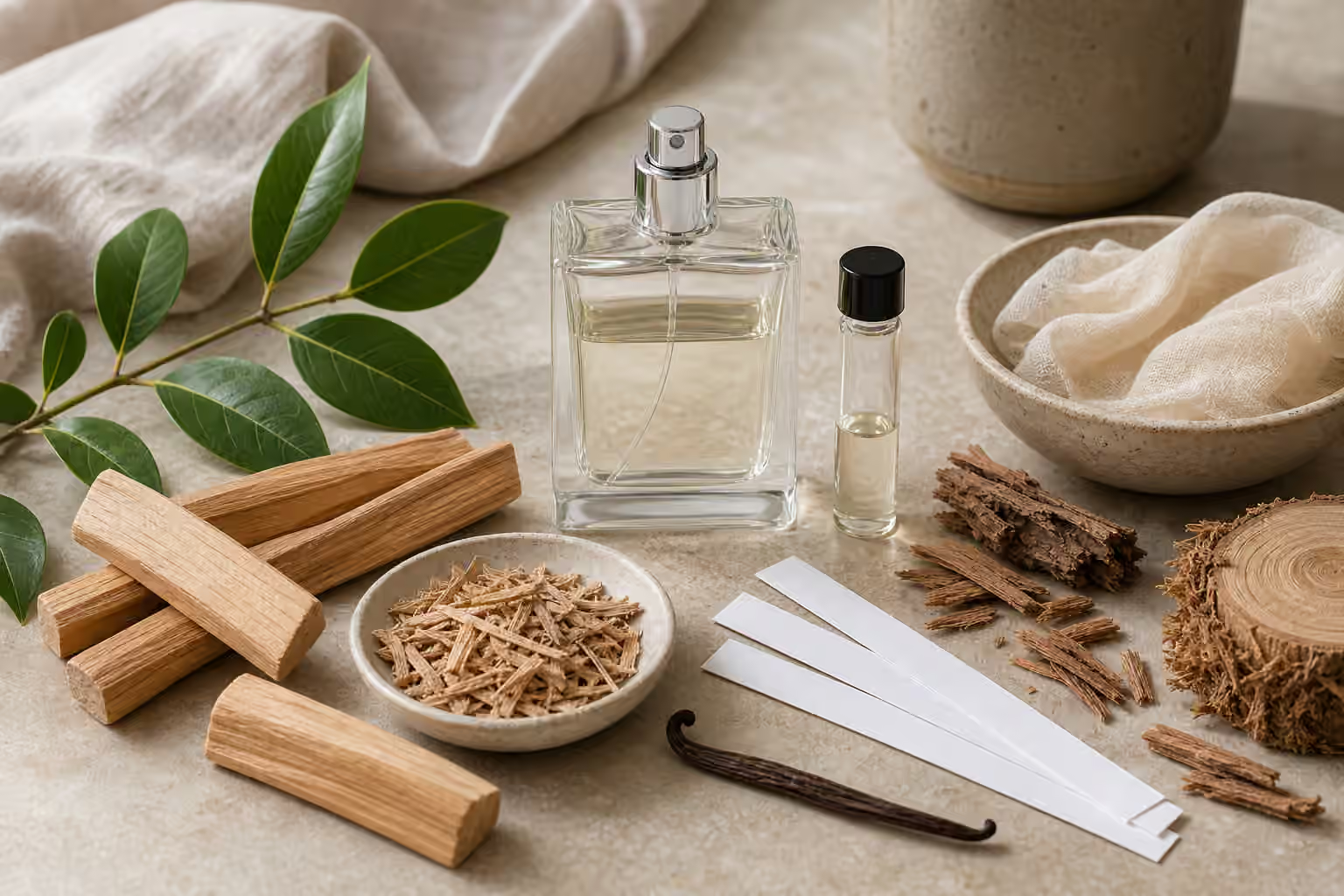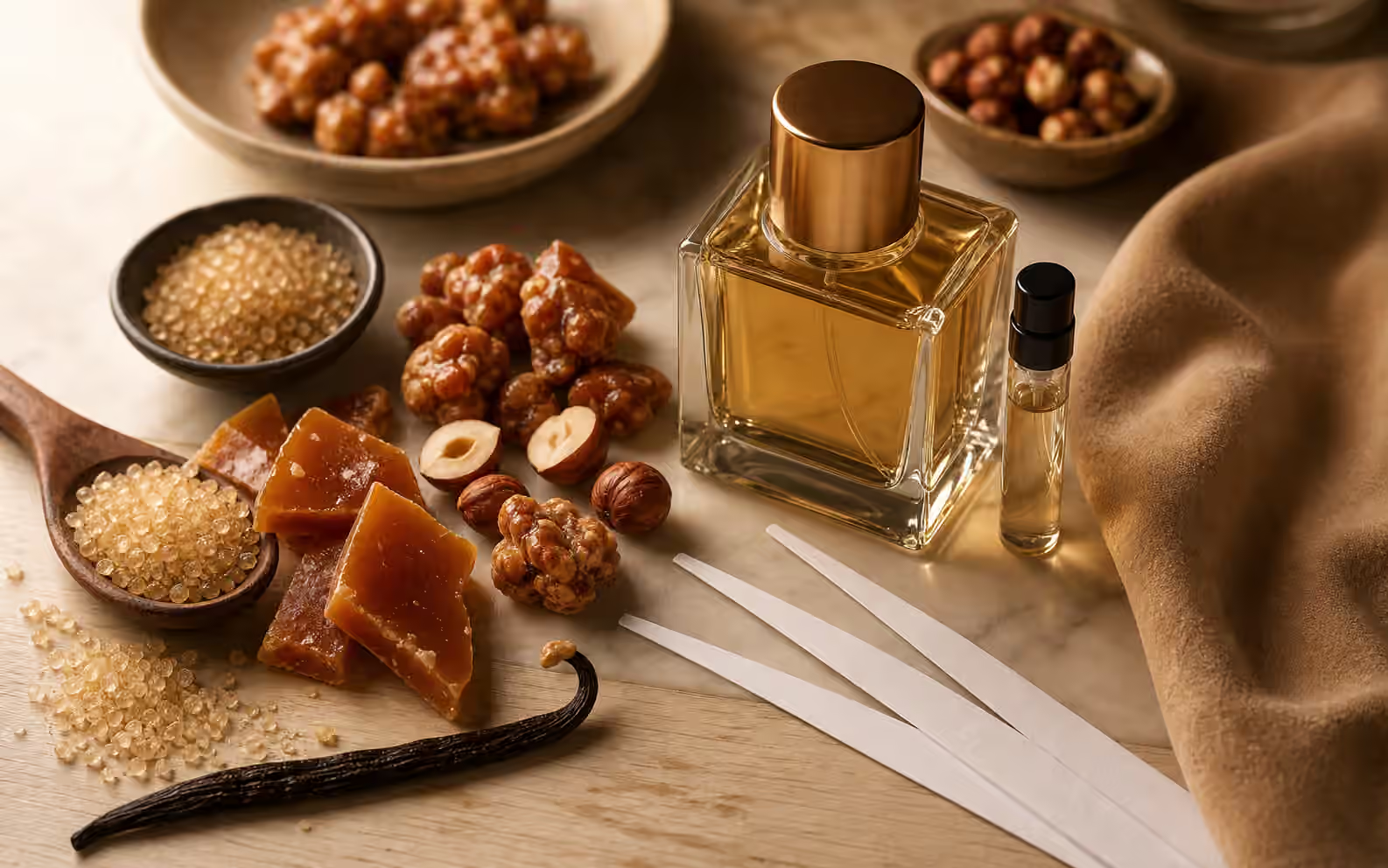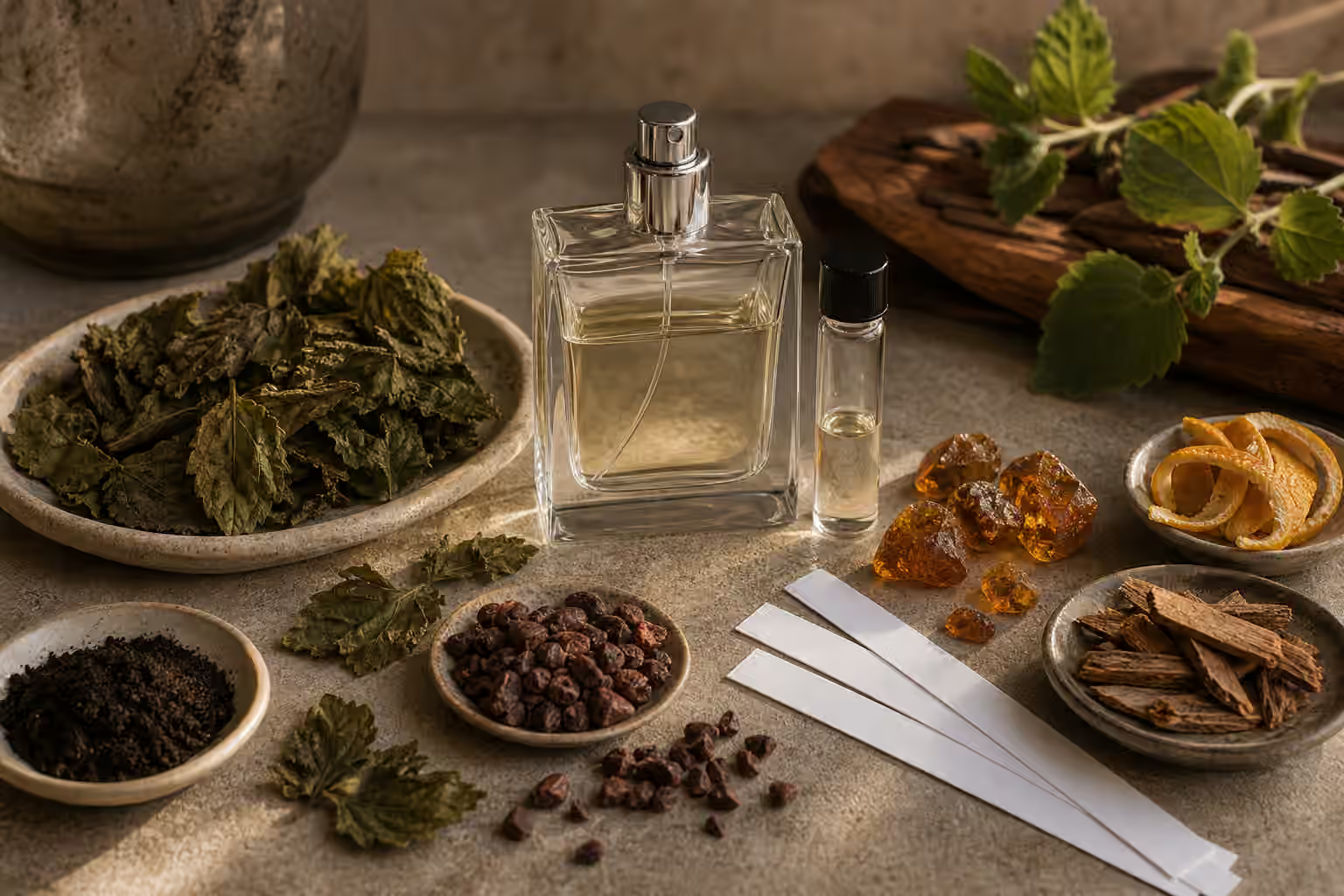
Patchouli is one of the most misunderstood materials in perfume. Some people hear the word and imagine damp earth, incense smoke, vintage shops, or a strong oil that fills a room. Others know patchouli only as the dark base hiding under rose, chocolate, amber, fruit, vanilla, musk, or polished woods. Both pictures can be true, but neither is complete. Patchouli can smell earthy, leafy, camphoraceous, woody, dusty, chocolate-like, minty, clean, dry, or plush. It can dominate a fragrance, or it can quietly hold the whole composition together.
That flexibility is why patchouli belongs beside Woody Scents and Amber, Resin, and Spice Scents , even though it is not simply wood or amber. It gives depth. It gives shadow. It gives sweet materials a floor. It can make fruit more adult, rose more dramatic, musk less blank, and vanilla less like frosting. A patchouli fragrance is not automatically heavy. The question is which side of patchouli the perfumer has chosen to show.
Earthy patchouli has texture and gravity
The earthy side of patchouli can suggest damp soil, dried leaves, roots, cellar air, old wood, or dark fabric. In small amounts, that earthiness can make a perfume feel grounded. In larger amounts, it can become the main event. Some people love the sense of depth. Others find it musty or too persistent. Much depends on the materials around it.
Earthy patchouli works especially well with rose, incense, vetiver, leather, tobacco, oakmoss-style accords, dark fruit, and amber. These pairings give patchouli a reason to be shadowed. A rose over patchouli can feel velvety rather than pretty. Incense and patchouli can feel meditative or dry. Vetiver and patchouli can create a rooty, almost mineral base. Leather and patchouli can feel worn-in instead of glossy.
The risk is heaviness. If a fragrance combines earthy patchouli with too much syrupy sweetness, it can become dense and tiring. If it combines patchouli with smoke and resin but no lift, it can feel closed. Citrus, green notes, tea, pepper, or dry woods can open a window. When sampling earthy patchouli, pay attention to whether the perfume has air.
Clean patchouli is quieter than its reputation
Modern patchouli can be surprisingly polished. Through material choice, fractionation, and composition, perfumers can emphasize the cleaner woody, musky, or chocolate facets while reducing the dampest earth tones. The result may be a base that feels smooth, dark, and persistent without smelling like the stereotype of patchouli oil.
Clean patchouli often appears in fragrances that do not announce it loudly. It may support a fresh floral, a musky amber, a woody vanilla, or a fruit accord. You may not smell it as a named note. You may simply notice that the perfume has lasting depth after the brighter materials fade. This is one reason note lists can be misleading. Patchouli may be doing important structural work even when the scent does not feel earthy.
This cleaner side is useful if you like Musk and Skin Scents but want more substance. Musk can feel soft but sometimes too plain. Patchouli can add shadow underneath it. In a controlled dose, it keeps a skin scent from disappearing into laundry-clean air.
Chocolate and cocoa facets make patchouli plush
Patchouli can have a dark cocoa quality, especially when paired with cacao, coffee, vanilla, tonka, amber, or woods. This does not always make a gourmand fragrance. Sometimes the chocolate impression is dry and bitter, closer to cocoa powder than dessert. Sometimes it is smooth and plush, giving the base a velvety darkness.
This side connects naturally to Gourmand Scents because patchouli can keep edible notes from becoming childish. Vanilla with patchouli may feel richer and drier. Chocolate with patchouli can smell less like candy and more like bitter cocoa on wood. Coffee with patchouli can become roasted and shadowed. Fruit with patchouli can feel jammy without turning simple.
The balance matters. Too much sweet amber over chocolate patchouli can become heavy. Too much dry patchouli over cacao can feel dusty. A good composition uses contrast: citrus in the opening, rose in the heart, musk in the base, or woods that keep the sweetness moving.
Rose and patchouli are a classic conversation
Rose patchouli is one of perfume’s durable pairings because the materials complete each other. Rose gives patchouli color and lift. Patchouli gives rose depth and shadow. Together they can feel fresh, jammy, spicy, dark, elegant, or dramatic depending on the supporting notes. Pink pepper can make the pair sparkle. Saffron can make it leathery. Amber can warm it. Oud-style woods can deepen it. Musk can soften it.
The guide to Rose Scents is useful here because rose itself has many personalities. A dewy rose over clean patchouli is not the same as a jammy rose over dark patchouli. A spicy rose patchouli can feel formal and evening-ready. A musky rose patchouli can feel surprisingly wearable for daytime. The pair is not one style. It is a structure.
When sampling rose patchouli, wait for the drydown. The first hour may be all petals and fruit. Patchouli often becomes clearer later, when the top notes thin and the base begins to show. If the drydown turns muddy, too sweet, or too sharp, the composition may not fit you even if the opening was beautiful.
Patchouli can anchor fresh and woody perfumes
Patchouli does not have to live only in dark fragrances. In small amounts, it can anchor citrus, herbs, green notes, and woods. It can give Citrus Scents something to land on after the sparkle fades. It can deepen lavender or aromatic notes. It can make cedar feel less pencil-dry and sandalwood less creamy. It can sit beside vetiver to create a dry, rooty base.
This use of patchouli is often subtle. You may smell a fresh opening, a clean heart, and then a slightly darker woody-mossy persistence. That persistence may be patchouli. It can make a fragrance feel more finished without changing its family completely. For someone who dislikes obvious patchouli, these hidden doses may be the easiest way to appreciate the material.
Patchouli also affects longevity. It is a tenacious base material, so it can remain after more volatile notes have gone. That does not mean every patchouli fragrance is loud. Some last close to skin. Others cling to fabric. A small spray on a sleeve can behave very differently from a small spray on warm skin.
Sample patchouli in real air
Patchouli can feel different in a shop than it does outside. In crowded air, its darker facets may become tangled with other perfumes. At home, the same sample may reveal clean woods, chocolate, or soft musk. Give it space. Wear it on a day when you can notice the opening, heart, and late base without adding several other scents nearby.
Use ordinary language in your notes. “Earthy at first, then rose and cocoa” is useful. “Clean woody base, no dampness” is useful. “Beautiful on paper, too heavy on sweater” is useful. Patchouli is a material where personal thresholds matter. A trace may feel elegant. A larger dose may feel like too much room has been taken.
The best patchouli scents understand proportion. They do not rely on reputation. They use earth, leaf, wood, cocoa, musk, or amber where those textures help the perfume breathe. If you have avoided patchouli because of one loud memory, try smelling it as structure rather than as a verdict. You may find it has been supporting perfumes you already like.