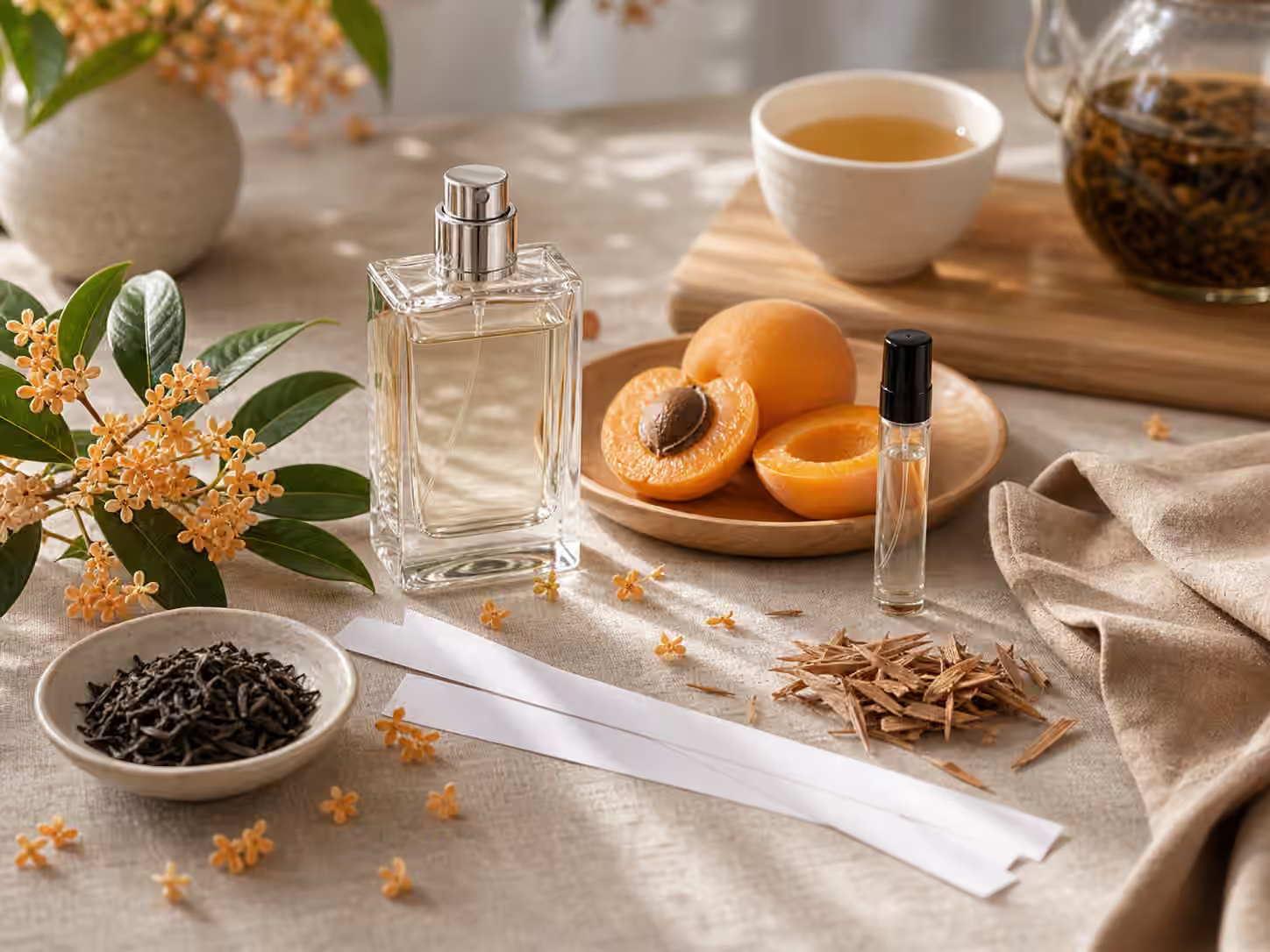
Osmanthus is a small flower with a surprisingly layered perfume vocabulary. In fragrance, it can suggest apricot skin, ripe peach, black tea, soft leather, suede, dried flowers, clean musk, hay, and quiet animalic warmth. It is floral, but not in the obvious bouquet sense. It is fruity, but usually drier than candy or jam. It is leathery, but often softer than a full leather accord. That combination makes osmanthus one of the most useful bridges between fruit, florals, tea, and texture.
For someone learning perfume, osmanthus is worth knowing because it teaches nuance. A note can be pretty without being simple. It can be fruity without being sugary. It can be floral without smelling like fresh petals in water. It can be leathery without becoming smoky or heavy. The category sits naturally beside Fruity Scents , Tea Scents , and Leather and Suede Scents .
Apricot gives osmanthus a soft glow
Many osmanthus fragrances have an apricot or peach-skin effect. It is not always juicy. Often it feels like the fuzzy surface of fruit, dried apricot, tea-soaked fruit, or a warm orange-gold softness. This is different from bright berry, crisp apple, or tropical fruit. Osmanthus fruitiness tends to be rounded, quiet, and slightly dry.
That dryness matters because it keeps the note elegant. A fruity perfume can become playful very quickly when sugar, syrup, or candy-like materials dominate. Osmanthus often avoids that by bringing tannin, suede, musk, or woods into the picture. The fruit remains, but it does not bounce. It glows. This makes osmanthus useful for people who like fruit but want something more grown-up than a sweet cocktail impression.
Apricot osmanthus also pairs well with floral materials. Rose can make it more romantic. Jasmine can make it warmer. Orange blossom can make it sunnier. Iris can make it powdery and refined. The fruit does not need to dominate. A small apricot facet can make a floral heart feel more tactile, as if the petals have skin.
Tea makes the fruit drier
Tea is one of the best companions for osmanthus because it emphasizes the dry, tannic side. Black tea can make the fruit feel steeped and warm. Green tea can make it fresher. Oolong-like effects can make it soft, floral, and lightly roasted. Smoky tea can darken the note without turning it into incense. This is why osmanthus tea fragrances often feel graceful rather than sweet.
The guide to Tea Scents explains how tea gives freshness a dry frame. With osmanthus, tea gives fruit a frame. It keeps apricot from becoming syrup. It makes the flower feel like something held in warm air rather than something dipped in sugar. It also helps the perfume sit closer to skin, especially when musk and pale woods appear in the base.
Tea can also make osmanthus more seasonal without being fragile. A bright osmanthus tea can work in warm weather because it has lift. A darker osmanthus black tea can work in cool weather because it has warmth without heavy amber. The drydown decides which side wins.
Suede and leather are quiet shadows
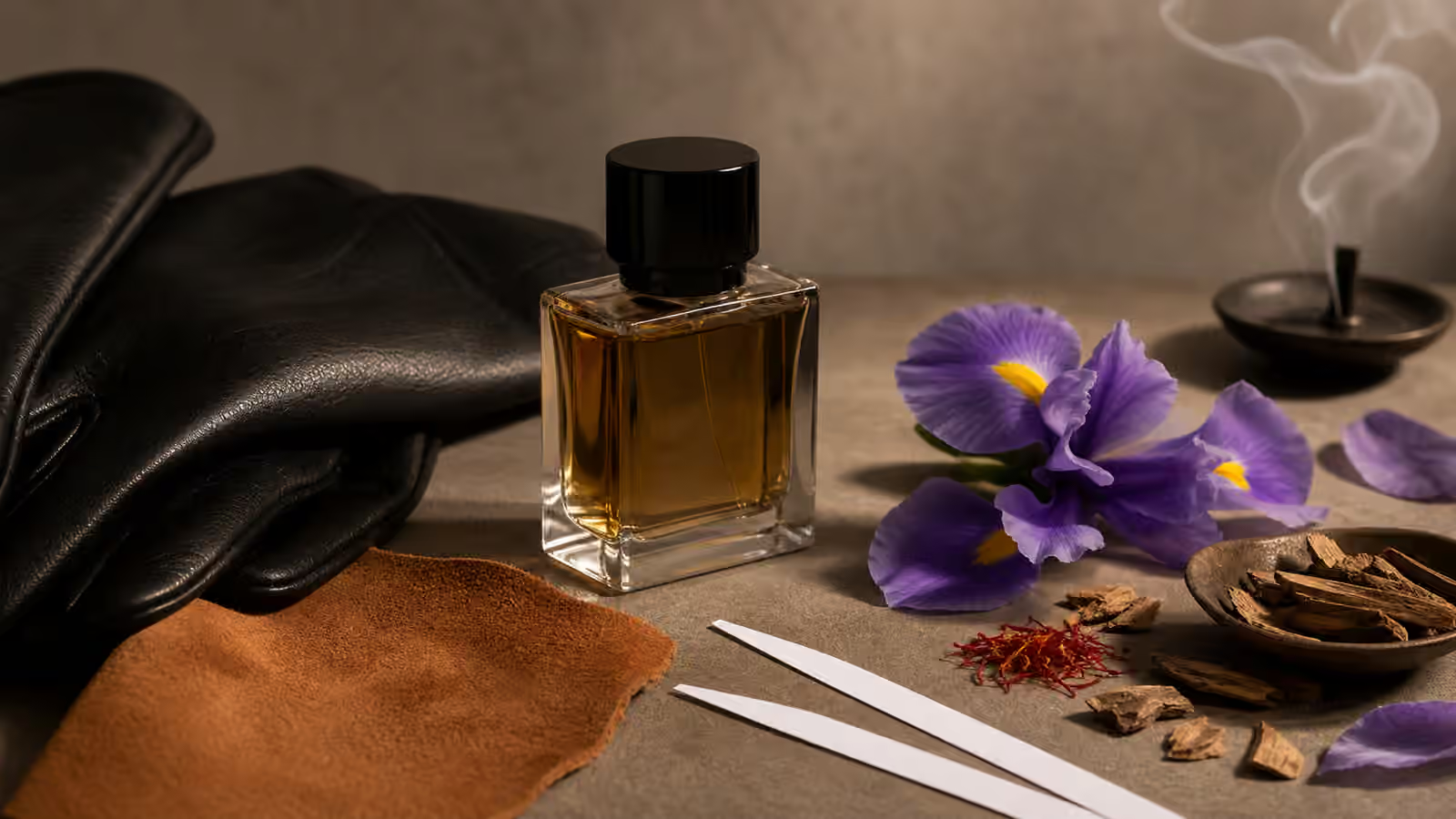
Osmanthus often has a suede or leather facet. This does not mean every osmanthus perfume smells like a jacket. The effect may be very soft: a brushed surface under fruit, a powdery leather glove, a warm skin texture, or a dry shadow that keeps the flower from floating away. It is one of the reasons osmanthus can feel refined.
The relationship to Leather and Suede Scents is important because osmanthus can introduce leather gently. If strong smoky leather feels too much, osmanthus suede may be a better starting point. It brings tactile depth without demanding that the whole perfume become dark. A little saffron, iris, musk, or cedar can make the suede clearer.
Animalic warmth can appear too, though usually in a quiet way. A trace of skin, hay, tea, or warm musk can make osmanthus feel alive. The guide to Animalic Notes in Perfume is useful here because the effect is texture, not a dare. In osmanthus, a small shadow can make apricot and flower feel more natural.
Woods, musk, and powder shape the drydown
Osmanthus needs a base that respects its subtlety. Cedar can make it dry and clean. Sandalwood can make it smoother. Vetiver can make the fruit feel more serious. Musk can make it soft and intimate. Iris or violet can make it powdery and elegant. Amber can make it warmer, though too much amber may bury the tea and suede.
This is where sampling matters. A fragrance may open with beautiful apricot and osmanthus, then dry down to generic musk if the base is too plain. Another may open quietly but become more interesting as tea, suede, and wood appear. Perfume Drydown is especially relevant because osmanthus often reveals itself through gradual texture rather than a loud first spray.
Projection varies. Some osmanthus scents are gentle skin scents. Others become more noticeable because fruit and musk travel. A dry tea osmanthus may be subtle. A honeyed apricot osmanthus may be much louder. The note itself does not guarantee softness.
Sampling osmanthus with enough time
Osmanthus should not be rushed. On paper, it may seem pretty but vague at first. On skin, it may show fruit, tea, suede, and musk over several hours. Try one fragrance at a time and smell from a normal distance. Up close, the fruit may seem sharper. In the air, the suede and tea may be clearer.
Use direct notes. Apricot skin, dried fruit, black tea, soft suede, floral musk, powder, hay, clean wood, too sweet, too faint, and beautiful drydown are all useful. The point is to learn which facet you enjoy. You may like osmanthus when tea is present but not when honey makes it plush. You may like it with suede but not with heavy amber. You may want the fruit bright or quiet.
The method in How to Sample Fragrances helps because osmanthus is easy to lose in a crowded testing session. Do not smell it after several loud gourmands, ambers, or white florals. Give it a clear nose and a few hours. The reward is often in the middle, not the opening.
Where osmanthus fits in a wardrobe
Osmanthus is useful when you want something textured but understated. It can fill the space between fruity, floral, tea, suede, and musk. A sheer osmanthus tea can be graceful for daytime. A suede osmanthus can feel polished without heavy leather. A honeyed osmanthus can feel warmer and more intimate. A woody osmanthus can be elegant in a simple wardrobe because it offers fruit without obvious sweetness.
In close spaces, choose the style carefully. A light tea osmanthus may sit politely. A sweet apricot musk may project more than expected. Close-Space Fragrance is still relevant because subtle notes can become persistent when musk and fruit cling to fabric.
Osmanthus is not a loud lesson, but it is a good one. It shows how perfume can make fruit feel dry, flowers feel tactile, leather feel gentle, and tea feel warm. If your wardrobe has citrus for brightness, rose for floral shape, woods for structure, and vanilla for comfort, osmanthus can add a quieter kind of sophistication: apricot skin, tea steam, and suede in the same breath.