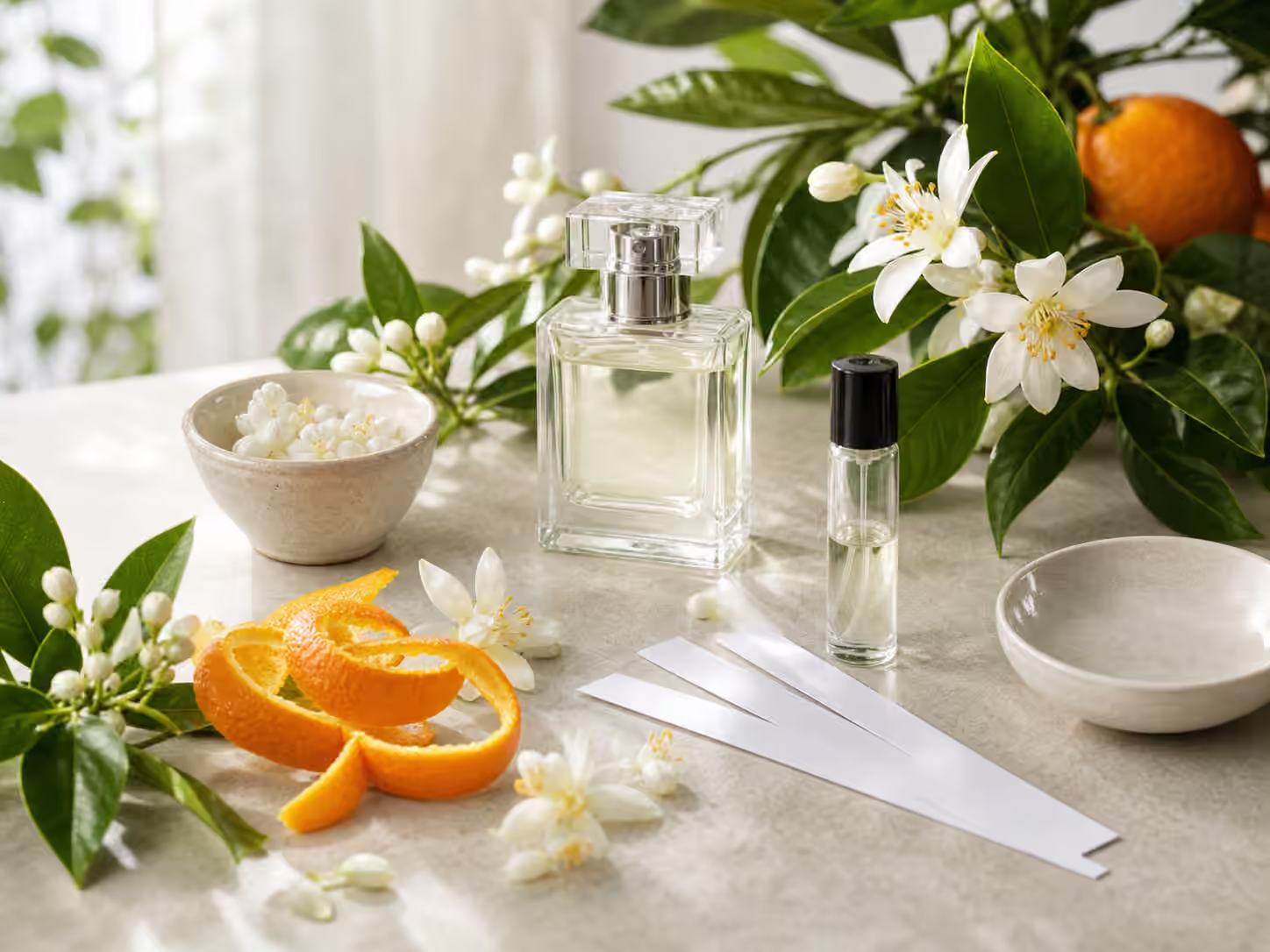
Neroli and orange blossom are close relatives in perfume conversation, but they do not always create the same mood. Neroli often reads as bitter, green, citrusy, airy, and clean. Orange blossom often reads as sweeter, more floral, creamy, honeyed, musky, or soapy. Many fragrances blur the two, and marketing copy is not always precise, but the distinction is useful because it explains why one orange-flower scent feels like a crisp cologne while another feels like warm white petals on skin.
This family sits between Citrus Scents and White Floral Scents . It can sparkle like peel, bloom like a flower, clean up like soap, or soften into musk. That range makes it approachable, but it also makes the category easy to misunderstand. If you expect orange juice, you may miss the bitter green elegance. If you expect a full jasmine-style white floral, you may be surprised by how fresh and crisp neroli can feel.
Neroli has bitter brightness
Neroli often gives a perfume a clean, bitter lift. It can suggest orange blossom petals, citrus rind, green twigs, petitgrain, soap, and bright air. It is floral, but not always soft. The bitter edge keeps it from becoming sugary. That is why neroli is so common in fresh compositions, colognes, musky florals, and summer scents. It has the polish of a white flower with the briskness of citrus.
The bitterness matters. Without it, an orange-flower perfume can become sweet and cosmetic very quickly. A neroli opening may feel almost sharp for a few minutes, especially beside bergamot, lemon, petitgrain, rosemary, lavender, or aldehydes. Let that opening settle before judging. The first flash may be all green rind and soap, while the heart becomes smoother and more petal-like.
Neroli also has an old-fashioned association because it appears in many classic fresh structures. That does not mean it has to smell dated. Paired with clean musk, tea, transparent woods, or mineral freshness, it can feel modern and easy. Paired with lavender, moss, and coumarin, it may lean more toward barbershop or fougere territory. Paired with white flowers and amber, it can become more dressed and sensual.
Orange blossom is softer and more floral
Orange blossom effects often bring more petal, nectar, cream, and warmth. They can smell radiant and clean, but they may also suggest honey, skin, sunscreen, white soap, almond, musk, or a soft floral sweetness. A perfume built around orange blossom may feel more rounded than one built around neroli. It may sit closer to the body, or it may project strongly if the white floral heart is dense.
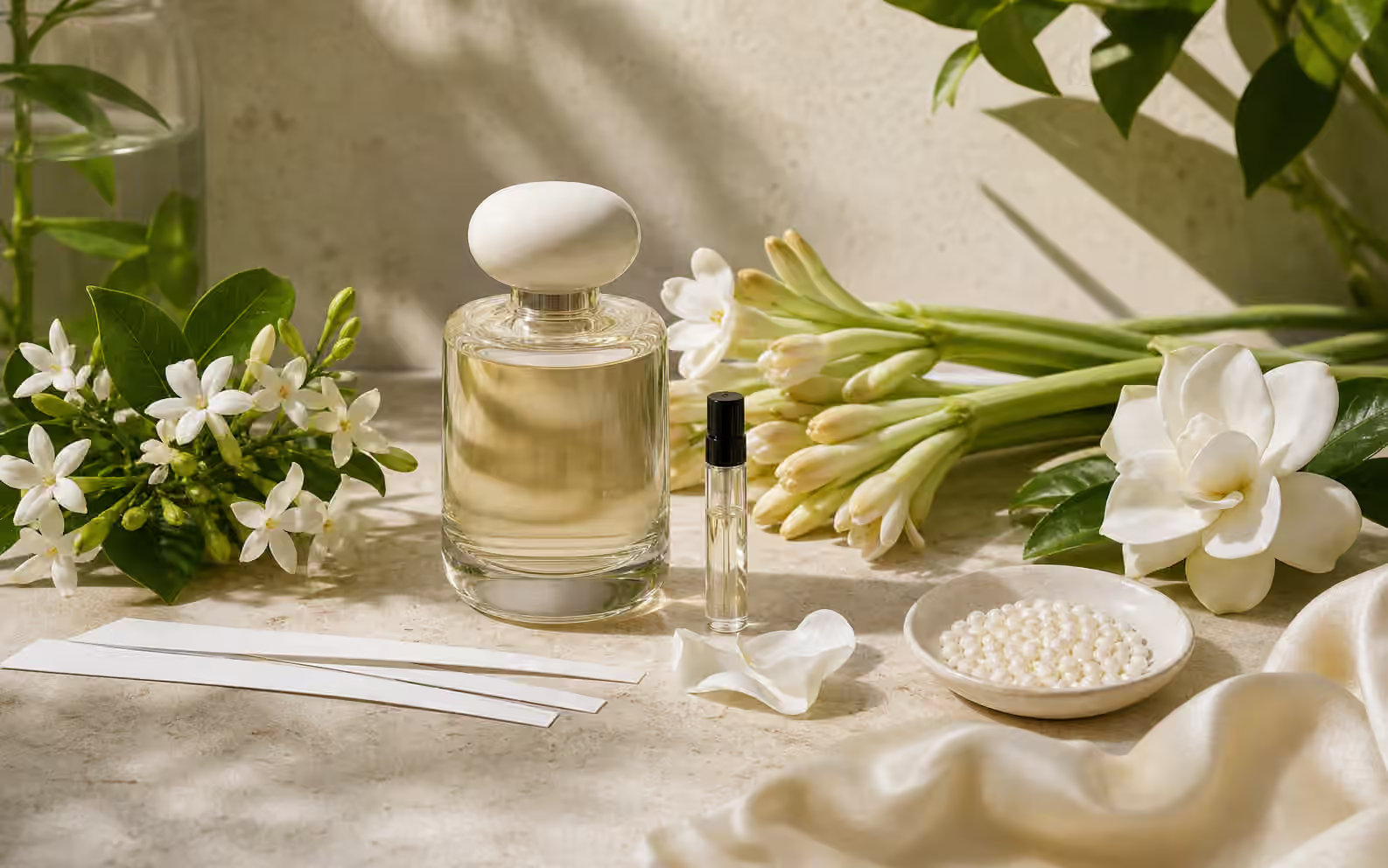
This is where orange blossom overlaps with jasmine, tuberose, gardenia-style accords, and other white flowers. It can be innocent and fresh, but it can also carry an indolic or honeyed edge. The guide to Animalic Notes in Perfume helps explain why some white florals feel alive rather than merely pretty. Orange blossom usually stays gentler than the boldest jasmine or tuberose, but it still has more depth than a simple citrus note.
Orange blossom also pairs beautifully with musk. A musky orange blossom can feel like clean skin after sun, not because it promises a beach scene, but because the material has warmth and light. Clean musk makes it laundry-fresh. Skin musk makes it more intimate. Powder makes it cosmetic. Amber makes it golden. The supporting base decides whether the flower feels crisp, creamy, nostalgic, or sensual.
Soapiness can be elegant or too polished
Many orange-flower scents smell soapy. This can be part of their charm. Neroli soapiness may feel like a well-made bar of hand soap, a bright bathroom after a shower, or a white shirt drying in open air. Orange blossom soapiness may feel softer, more floral, and more cosmetic. Some people find this clean and reassuring. Others find it too polished, especially if the fragrance also contains aldehydes, white musk, or powder.
The useful question is what kind of clean you want. Clean, Soapy, and Laundry Scents explains that clean perfume is not a single style. Neroli-clean is different from detergent musk, iris powder, aldehydic soap, or citrus cologne. It has a living flower under the soap, and that can make it warmer than a pure laundry scent.
If orange-flower soapiness bothers you, look for versions with tea, green notes, woods, or bitter citrus rather than heavy white musk and powder. If you love soapiness, pay attention to projection. Clean notes can travel clearly because people recognize them quickly. A fragrance that feels freshly washed to you may still fill more space than intended if sprayed high on the neck or onto a scarf.
Green leaves and petitgrain sharpen the flower
Petitgrain, citrus leaves, stems, and green herbal materials can change orange blossom dramatically. They pull the flower back toward the tree. Instead of a soft white petal, you get leaf, twig, rind, and sun-warmed green air. This can make the scent feel less sweet and more alive. It also creates a bridge to Green and Herbal Scents , especially when rosemary, basil, lavender, mint, or galbanum appears nearby.
Green orange-flower scents are often excellent in warm weather because they have lift without syrup. They can feel crisp with cotton, linen, and simple daily clothes. They can also become sharp if the formula leans too hard on bitter green facets. A little bitterness is elegant. Too much can feel like crushed stems with no flower left.
Woods can steady the green side. Cedar makes neroli feel clean and tailored. Vetiver makes it drier and more rooted. Sandalwood softens the heart. Pale musks keep it sheer. If the drydown is only citrus and musk, the scent may feel easy but short-lived. If the drydown includes thoughtful woods, the orange flower may remain recognizable for longer.
Sampling orange-flower scents
Orange-flower perfumes can mislead from the first spray. Alcohol, citrus, neroli, and aldehydes may create a sharp opening that later becomes soft. A creamy orange blossom may begin beautiful and then become too sweet, musky, or soapy after an hour. Test on paper first, but give skin time before deciding. The method in How to Sample Fragrances is useful because the heart matters more than the first burst.
Smell from the air around your wrist, not only with your nose pressed close. Neroli and orange blossom often read differently at distance. Up close you may notice bitterness, soap, or pollen. In the air you may notice freshness, floral lift, and musk. This is especially important for Projection and Sillage because bright clean florals can be more noticeable to other people than they feel to the wearer.
Use plain notes. Bitter neroli, orange peel, clean soap, creamy blossom, honeyed white flower, green leaf, musky drydown, too powdery, and easy cologne are all better than forcing a formal vocabulary. After a few tests, you will know whether you want the brisk tree, the soft blossom, or the polished soap.
Where this family fits
Neroli and orange blossom are useful when you want freshness with more grace than plain citrus. They can make a simple daytime scent feel finished. They can bring light to musk, soften clean fragrances, and make white florals easier to wear. They also work as a bridge for people who are curious about florals but do not want a heavy bouquet.
They require restraint in close rooms. Offices, classrooms, cars, trains, and small restaurants can make bright clean florals feel larger than expected. The advice in Close-Space Fragrance applies here: start with less, test the room, and remember that clean does not automatically mean quiet.
The best orange-flower scent for you may not be the most realistic. It may be the one with the right balance of bitter leaf, bright peel, petal, musk, and base. Neroli brings structure and air. Orange blossom brings softness and warmth. Together they show how a single tree can give perfume both freshness and tenderness.