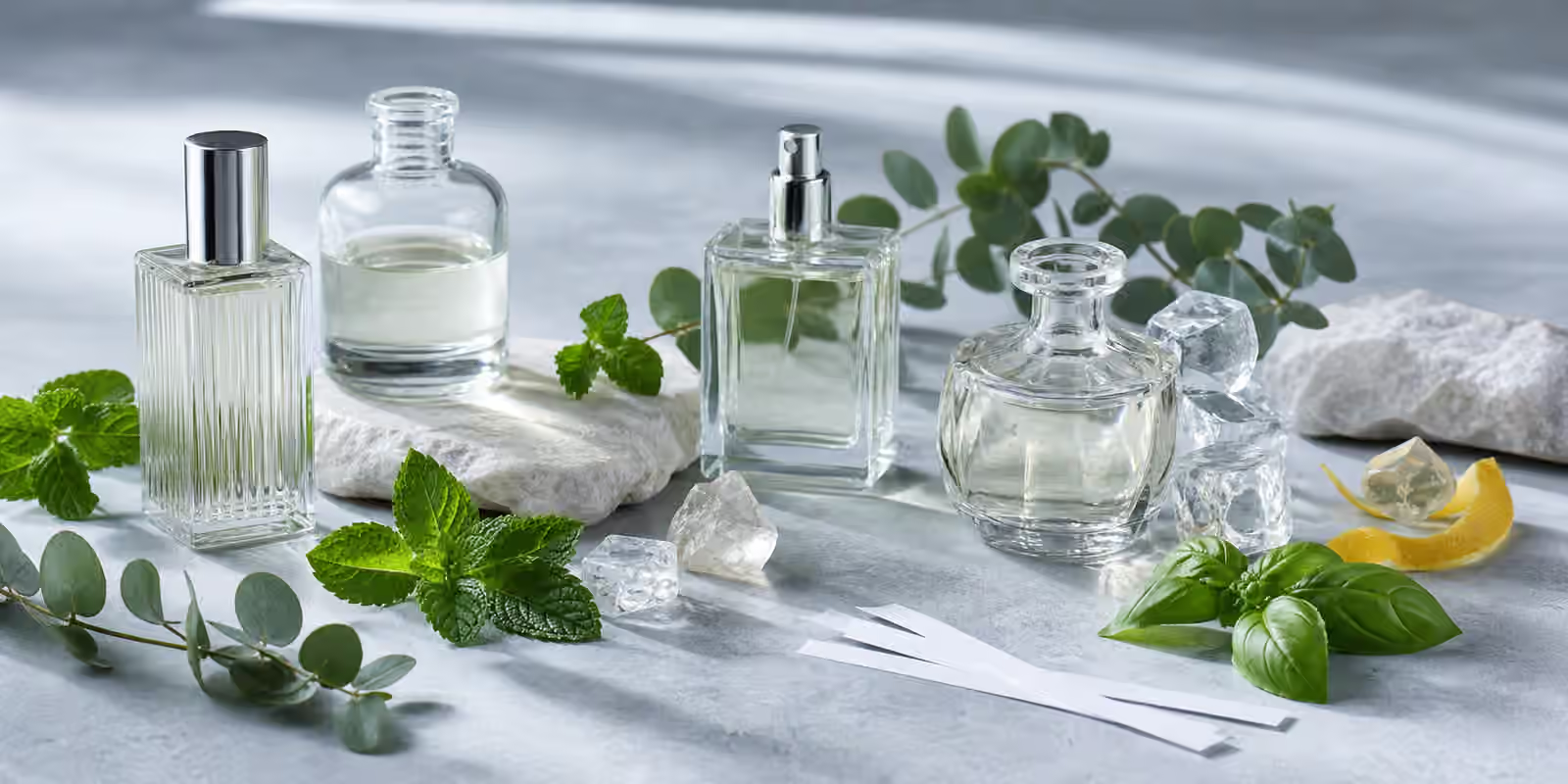
Mint and cooling scents occupy a particular corner of freshness. They are not simply clean, citrusy, aquatic, green, or herbal, though they can overlap with all of those families. Their special effect is temperature. A mint note can make a perfume feel colder than the room. Eucalyptus can open the air. Basil, shiso, rosemary, and other aromatics can give freshness a crisp green edge. Certain musks and mineral notes can feel icy even without smelling like an herb. Cooling scents are interesting because they change the imagined temperature of the skin.
They can also go wrong quickly. Too much mint becomes toothpaste. Too much eucalyptus can feel medicinal. A cold aquatic accord can seem like shower gel. A sharp green top can vanish before the base has earned attention. The best cooling fragrances use chill as a texture, not as the entire personality. They give air, contrast, and lift, then let woods, tea, musk, citrus, flowers, or soft amber carry the drydown.
Mint Is Bright, Green, and Risky
Mint in perfume can smell like crushed leaves, cool tea, chewing gum, toothpaste, shaved ice, herbal syrup, or a green breeze through citrus. The difference depends on dose and company. Paired with lemon, bergamot, or grapefruit, mint can make a fresh scent feel brisk. Paired with tea, it can feel calm and drinkable. Paired with chocolate, vanilla, or cream, it can become gourmand. Paired with clean musk, it may lean toward toothpaste or shower products if the balance is too literal.
This is why mint needs structure. A mint opening may be delightful for five minutes, but the perfume needs somewhere to land. Pale woods can give it dryness. Vetiver can make it grassy and tailored. Tea can make it quiet. Soft musk can make it wearable after the chill fades. Without that support, mint can feel like a trick in the opening rather than a fragrance you want for hours.
Green and Herbal Scents are close relatives, but mint is more temperature-driven than many herbs. Basil may feel leafy and savory. Tomato leaf may feel garden-like. Galbanum may feel bitter and resin-green. Mint adds a cooling sensation that can dominate the whole composition if it is not handled with restraint.
Eucalyptus and Camphor Need Air
Eucalyptus, camphoraceous effects, and certain aromatic materials can make perfume feel open, brisk, and almost nose-clearing. They may suggest leaves, steam, chest rub, spa products, sauna wood, or cold air. These associations are strong, which makes the materials powerful even in small amounts. A trace can add lift to woods or herbs. Too much can make a perfume feel more functional than wearable.
The challenge is context. In a fresh aromatic scent, eucalyptus can feel clean and modern. In a lavender or rosemary structure, it can make the herbal side sharper. With incense or woods, it can create an interesting contrast between cool vapor and dry base. With sweetness, it can become odd in either a pleasant or unpleasant way. The material asks for room because its associations are vivid.
This is where Lavender and Aromatic Scents offer a useful bridge. Aromatic freshness can be elegant when it has a base of tonka, mossy effects, woods, musk, or amber. Without that base, it can feel like a product rather than a perfume. Cooling aromatics need the same kind of grounding.
Cold Freshness Is Not Always Clean
Many people expect cooling scents to smell clean, but chill and cleanliness are not identical. A mint tea scent can feel fresh without smelling like soap. An icy iris can feel powdery and mineral rather than laundered. A cold incense can feel austere, not clean. A eucalyptus wood can feel forested, medicinal, or spa-like depending on the composition. The sensation of coolness is a texture that can attach to many families.
This distinction helps if clean scents usually feel too detergent-like for you. Clean, Soapy, and Laundry Scents often rely on musks, aldehydes, white florals, citrus, and powder. Cooling scents can provide freshness through herbs, air, bitter leaves, tea, mineral notes, or green woods. They may feel fresher to someone who dislikes laundry musk.
It also helps if citrus disappears too quickly on your skin. Citrus Scents are often brief in their brightest phase. Mint, tea, vetiver, and pale woods can extend the feeling of freshness after the citrus sparkle has faded. The scent will not remain a frozen lemon forever, but it can keep a cool outline.
Tea and Mint Make Chill Softer
Tea is one of the easiest ways to make mint wearable. Green tea, black tea, white tea, mate, and herbal tea accords can give mint a natural setting. Instead of smelling like toothpaste, mint begins to smell like leaves in hot or cold water. The tea note can add dryness, bitterness, tannin, or calm. It also slows the sweetness that sometimes makes mint feel like candy.
Tea Scents are already quiet teachers of restraint. Add mint and they become a lesson in temperature. A green tea mint scent can feel sheer and refreshing. A black tea mint can feel drier and more textured. A jasmine tea mint can move toward floral freshness. A smoky tea with mint can become unusual, giving cool leaf against a darker base.
The risk is thinness. Tea and mint can both be airy, so the drydown may need musk, woods, fig leaf, vetiver, or a soft amber trace. Otherwise the perfume may be lovely for an hour and then disappear into a vague clean memory. If you like quiet scents, that may be fine. If you want a full day’s wear, check the base carefully before buying.
Cooling Notes Can Make Sweetness Easier
Mint and cool aromatics can cut sweetness. In gourmand perfumes, a mint edge can make chocolate, vanilla, or cream feel less heavy. In fruity scents, mint can keep pear, apple, citrus, or berries from becoming syrupy. In amber scents, a cool aromatic opening can give the warm base more contrast. This is the same general lesson taught by Gourmand Scents : sweetness becomes more wearable when it has texture.
The balance has to be careful. Mint chocolate can become literal very quickly. Vanilla mint can become candy, gum, or toothpaste if the base is too sweet and the mint too bright. Fruit with mint can feel like a drink rather than a perfume. None of those effects is automatically bad, but they should be intentional. If you want a polished fragrance, look for woods, musk, tea, spice, or dry green materials that keep the composition from becoming only flavor.
This is also where personal association matters. Mint has strong food and hygiene connections. One person may find mint chocolate comforting. Another may only smell toothpaste. Scent Memory and Fragrance Associations is useful because cooling notes often trigger immediate memories before the rest of the perfume has a chance to explain itself.
Heat Changes the Whole Effect
Cooling scents seem made for warm weather, and many are excellent there. Mint, citrus, tea, green notes, and pale woods can feel refreshing when amber or vanilla would be too heavy. But heat can also amplify sharpness and sweetness. A mint musk that feels crisp indoors may become loud on a humid commute. A eucalyptus opening that feels elegant in cool air may become medicinal when warmed on skin. A sweet mint gourmand may expand more than expected.
Apply lightly at first. Cooling scents can be more noticeable than their airy character suggests. People often overspray fresh fragrances because they do not feel heavy. But fresh does not always mean quiet. A sharp mint, bright citrus, or radiant clean musk can travel clearly through a small room. Close-Space Fragrance is as relevant for fresh scents as it is for ambers.
Fabric can hold the base after the chill leaves. A mint opening may vanish, while musk, woods, or sweet notes remain on a shirt. If the cool top is the part you love, test whether the drydown still satisfies you. A fragrance is not failing when it warms up, but you should know what it becomes.
Sampling for Chill Without Shock
Blotters are helpful for cooling notes because the opening can be intense. Smell from a little distance and wait for the sharpest lift to calm. If the mint or eucalyptus still feels interesting after ten or fifteen minutes, try skin on a day when you can notice changes. A cold opening may soften into tea, musk, woods, powder, or sweetness. It may also disappear faster than expected.
Write down the specific kind of coolness. Was it crushed mint, toothpaste foam, eucalyptus steam, icy citrus, cold metal, wet stone, green tea, basil leaf, or clean musk? Those distinctions are more useful than simply writing fresh. They help you find the version of freshness that suits you. They also prevent one bad mint scent from making you reject every cooling structure.
Mint and cooling notes are best when they create air without flattening the perfume. They can sharpen citrus, calm sweetness, make tea more vivid, give woods a brisk edge, or turn clean scents away from laundry. Their pleasure is not only that they smell cold. It is that they make other materials feel newly awake. When the chill has a place to land, freshness becomes more than a quick blast. It becomes a clear, wearable temperature.