Leather and suede scents can sound intimidating before they are smelled. The words suggest jackets, saddles, gloves, car interiors, smoky rooms, and polished shoes, which may not seem like obvious perfume pleasures. In fragrance, though, leather is less a literal object than an atmosphere. It can be dry and smoky, soft and powdery, warm and resinous, floral and elegant, or close to the skin with only a hint of texture. A leather perfume does not have to make you smell like a store full of handbags. At its best, it gives fragrance structure, shadow, and a feeling of material richness.
This family is useful because it sits between several neighborhoods on the Scent Families map. Leather can lean woody, amber, floral, spicy, animalic, smoky, or musky depending on what surrounds it. Suede is usually the gentler version: smoother, softer, more tactile, and often easier to wear in daily life. If you enjoy dry woods, iris, saffron, rose, tobacco-like warmth, or quiet musks, there may be a leather or suede scent that makes sense for you.
Leather is an accord, not a jacket in the bottle
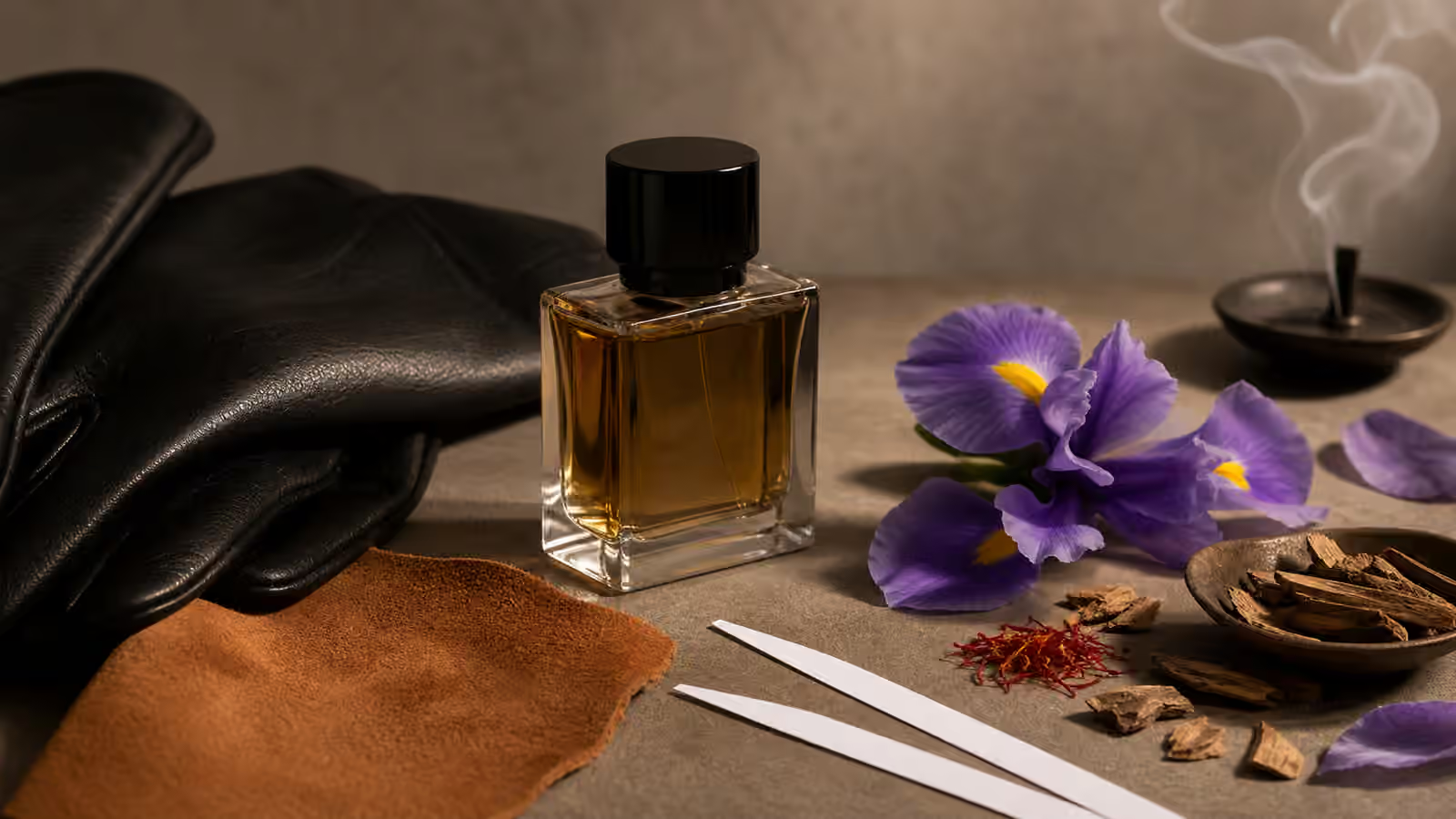
Perfume leather is usually an accord, which means it is built from materials that suggest leather rather than extracted from a leather object. This is the same idea explained in Fragrance Notes Explained : a note can point to an impression without being a literal ingredient. Leather effects may come from smoky materials, dry woods, labdanum, saffron, birch-like smoke, tobacco facets, bitter green notes, musks, or aroma molecules that create a dark, polished, slightly animalic texture.
That is why leather fragrances vary so much. One may smell like a new black jacket with a cool, polished surface. Another may smell like suede gloves stored with iris powder. Another may suggest a saddle warmed by sun, dry hay, and dust. Another may be almost smoky, like leather near a fireplace. The note name tells you the direction, not the volume or mood.
Beginners often meet leather through strong, dramatic perfumes and assume the whole family is heavy. Some leather scents are bold, especially when paired with smoke, oud-style woods, dense amber, dark rose, or patchouli. Others are surprisingly graceful. A small leather facet can make a floral feel less sweet, a citrus scent more tailored, or a musk more grown-up. The material does not always announce itself. Sometimes it simply gives the perfume a firm edge, like a belt that makes soft clothing look intentional.
Suede is leather with the volume turned down
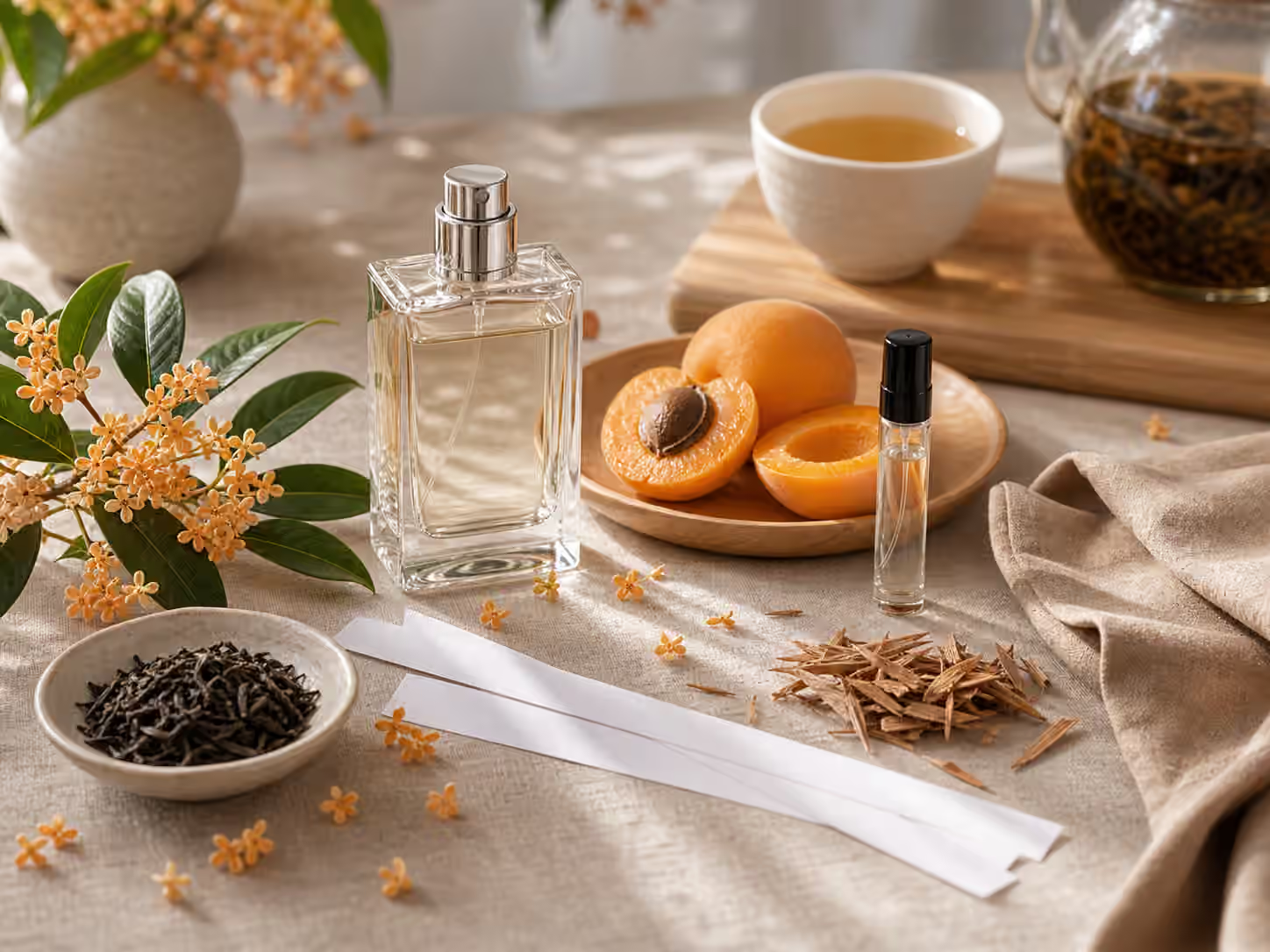
Suede scents usually feel softer than leather scents. They may suggest the nap of a suede glove, a brushed bag, a powder compact, or a pale jacket rather than a shiny black boot. In perfume, suede often appears with iris, violet, musk, osmanthus, apricot-like fruit, tea, saffron, sandalwood, or soft amber. These pairings make the texture feel touchable instead of harsh.
Iris is one of the most important suede partners. It can smell powdery, cool, rooty, cosmetic, papery, or almost leathery by itself. When iris meets musk and woods, the result can feel like clean skin under a suede jacket. When it meets violet, the effect may become more powdery and delicate. When it meets amber or saffron, the suede can feel warmer and more dressed. If you already like the cool elegance described in Floral Scents , suede may be a natural next step because it gives florals a drier frame.
Suede is also helpful for people who want texture without smoke. A smoky leather may feel too assertive in a small room, but a suede musk can be quiet enough for daytime. It can add polish to a simple wardrobe slot, especially when you want something more interesting than clean musk but less obvious than vanilla, rose, or citrus. Suede often rewards slow sampling because it can seem understated at first, then become more beautiful as the drydown warms.
Leather changes every note beside it
Leather is a strong modifier. It can make sweetness darker, florals less innocent, fruit less juicy, woods more substantial, and amber more shadowed. A raspberry note beside leather may feel jammy and dramatic rather than playful. Rose beside leather can feel velvety, formal, or moody. Orange blossom with suede can become polished and creamy. Violet with leather can feel like vintage cosmetics and soft gloves. Saffron with leather can create a dry, golden warmth that reads as elegant rather than sugary.
Woods are close relatives. Cedar can make leather feel dry and tailored. Sandalwood can make suede creamier. Vetiver can add grassy smoke, rootiness, and a serious edge. Patchouli can deepen leather into something earthy and rich. If Woody Scents already appeal to you, pay attention to whether you like leather most when it is dry, smoky, creamy, or mossy. That distinction matters more than the single word leather.
Amber and resin can make leather warmer. Labdanum often brings a naturally leathery, resinous, slightly honeyed shadow. Benzoin can soften the edges. Frankincense can add air and smoke. Myrrh can make the whole scent darker and more bitter. The warm family in Amber, Resin, and Spice Scents overlaps with leather often, especially when saffron, cardamom, cinnamon, or incense appears in the note list. These perfumes can be beautiful in cool weather, but they can also project more than expected.
Fresh notes change leather in a different way. Citrus can brighten the opening and make leather feel clean rather than dense. Green notes can make it feel outdoorsy, bitter, or vintage. Tea can soften it. Clean musk can turn leather into a skin scent, especially when the accord is used lightly. A good leather fragrance is rarely just leather. It is leather as part of a composition, and the partners decide whether the result feels formal, rugged, sensual, calm, or strange.
Smoke and animalic edges need patience
Some leather fragrances include smoke, tar-like darkness, animalic warmth, or bitter green roughness. These effects are not mistakes; they are part of the family’s history and vocabulary. They can make a perfume feel alive, textured, and memorable. They can also be too much if you expected soft suede and got charred wood, bitter herbs, and a black jacket left near a fire.
The useful question is not whether smoke or animalic notes are good. It is how much you want, and where you want to wear them. A small smoky facet can make leather elegant. A large smoky accord can dominate clothing and shared rooms. A touch of animalic warmth can make a floral leather feel human and intimate. Too much can feel dirty, sour, or distracting to someone who prefers clean scents. Your own tolerance matters more than any reviewer’s claim that a difficult note is sophisticated.
This is where sampling slowly protects you. Do not judge a leather perfume only from the first spray. The opening may be sharp, alcoholic, smoky, or medicinal before the heart settles. It may also open beautifully and become heavier later. Wear it for several hours and notice what remains on skin and fabric. The method in How to Sample Fragrances is especially useful here because leather often lives in the heart and base, not only in the first impression.
How to sample leather and suede
Start on paper, then choose carefully for skin. Leather can cling, and some styles are hard to ignore once applied. A blotter will show whether the opening is smoky, sweet, floral, bitter, or powdery. If the strip still interests you after twenty or thirty minutes, try one spray on skin. Avoid testing several leather scents at once because their drydowns can blur into a cloud of smoke, musk, woods, and amber.
Give the fragrance a normal day if possible. Leather changes with temperature and clothing. A suede iris may bloom under a sweater. A smoky leather may feel graceful outdoors and too dense in a heated car. A rose leather may seem dramatic at night and too formal in morning light. Fabric can hold leather notes for a long time, especially on scarves, coat cuffs, and wool. That can be pleasant if the scent suits the garment, but it can also make switching fragrances harder.
Keep notes in plain language. Instead of writing only “leather,” describe the behavior: soft suede, smoky jacket, powdery iris, dry saffron, bitter green leather, warm labdanum, polished wood, or dusty glove. Fragrance Journaling becomes useful because this family has many substyles. A few samples may teach that you dislike smoke but love suede, or that you enjoy leather only when rose or iris adds air.
Wearing leather with restraint
Leather scents often feel better when application matches the room. A suede musk can be easy in close spaces, while a smoky amber leather may need cold air, outdoor movement, or an evening setting. Projection matters because leather can remain noticeable after your own nose adapts. Projection and Sillage is worth reading beside this page if you are testing stronger leathers, especially those with saffron, incense, patchouli, or woody amber materials.
For a smaller scent bubble, apply leather under clothing or use a dabber, rollerball, or single spray. The chest under a shirt can soften the diffusion. The back of the neck can create a gentle trail, but it can also make a strong leather more noticeable behind you. Spraying scarves or jackets can be beautiful, yet fabric holds these notes stubbornly. Test before making a coat smell like one perfume for a week.
In shared air, treat leather as texture rather than volume. The advice in Close-Space Fragrance applies strongly because smoky, resinous, and animalic materials can feel larger indoors than they do outdoors. A soft suede, iris musk, or pale leather floral can be polished at conversational distance. A dense leather amber may be better saved for spacious settings or cooler weather.
Leather and suede scents are not only for drama. They can be quiet, elegant, comforting, strange, or intimate. The family rewards attention because its best effects often happen in the drydown, where florals become drier, woods become smoother, and skin warmth turns a rough idea into something wearable. If clean fragrances feel too plain, gourmands too sweet, and woods almost right but not tactile enough, leather may give your fragrance wardrobe the missing texture.