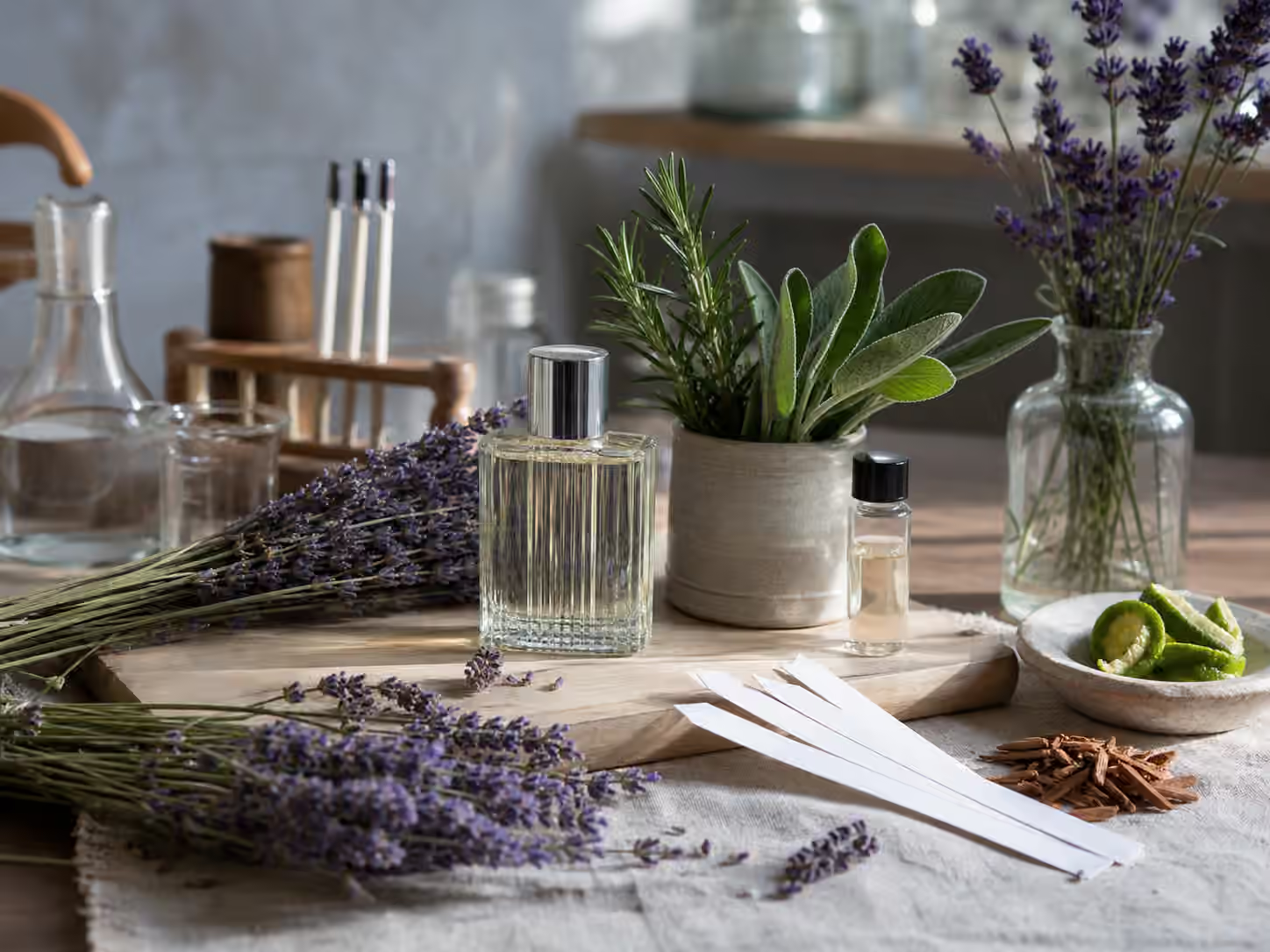
Lavender is familiar enough that it is easy to underestimate. Many people meet it through soap, laundry, sachets, shaving products, room sprays, or bedtime rituals before they meet it as perfume. Those associations can make lavender seem simple, but in fragrance it has a wide range. It can be herbal, floral, camphoraceous, clean, powdery, honeyed, smoky, woody, aromatic, or warmly ambered. It can make a perfume feel crisp and traditional, or soft and modern.
The category is also bigger than lavender alone. Aromatic scents often include rosemary, sage, thyme, basil, mint, clary sage, geranium, petitgrain, anise, cardamom, and other materials that suggest herbs, stems, leaves, and kitchen-garden air. Lavender often sits at the center because it bridges floral softness and herbal clarity. It belongs beside Green and Herbal Scents , but it also belongs beside Chypre and Fougere Scents because lavender is one of the pillars of many fougere structures.
Lavender is floral and herbal at once
Lavender can feel like a flower, but not in the same way as rose, jasmine, iris, or orange blossom. Its floral side is dry and aromatic rather than lush. Its herbal side can smell cool, green, medicinal, camphor-like, or slightly woody. That dual nature is what makes lavender so useful. It can soften a sharp aromatic scent, or it can give a sweet amber fragrance a cleaner frame.
Some lavender perfumes emphasize the crisp top. They may open with bergamot, lemon, petitgrain, rosemary, mint, or aldehydes. These versions feel bright, groomed, and almost barbershop-clean. Other lavender perfumes emphasize the heart and base. They may use vanilla, tonka, amber, musk, woods, incense, or honey to make lavender warmer and more rounded. The same note can feel brisk at breakfast and plush at night depending on the structure.
This is why the note list is only a starting point. If a fragrance says lavender, ask what kind. Is it dry lavender stems, clean soap, blue-purple flowers, aromatic herbs, shaving foam, warm amber, or powder? Those impressions point to very different wearing experiences.
Aromatic freshness is not the same as citrus freshness
Aromatic scents can feel fresh, but their freshness is not built only from sparkle. Citrus freshness rises quickly and often fades quickly. Aromatic freshness has more texture. Rosemary can be piney and camphoraceous. Sage can be dry and savory. Basil can be green and peppery. Mint can feel cool and sharp. Petitgrain can bring bitter leaf. Lavender can hold the whole structure together with a clean floral-herbal thread.
This makes aromatic perfumes useful when ordinary fresh scents feel too thin. A citrus cologne may give a beautiful first half hour and then disappear. An aromatic scent with lavender, herbs, musk, and woods may feel fresh while still leaving a drydown. The guide to Citrus Scents helps explain the difference: citrus often provides the flash, while aromatics provide the frame.
The risk is harshness. Too much camphor, mint, rosemary, or sharp lavender can feel medicinal or overly groomed. A soft base helps. Tonka, sandalwood, cedar, musk, amber, or a little vanilla can turn a severe aromatic opening into something wearable. The best aromatic fragrances often keep a clean edge without smelling like a medicine cabinet.
Fougere structure gives lavender a classic frame
Many lavender fragrances borrow from fougere structure, even when they do not advertise it. A traditional fougere often uses lavender, citrus, aromatic herbs, coumarin or tonka warmth, mossy or woody materials, and sometimes geranium or musk. The result can feel clean, masculine-coded by marketing history, and groomed. The structure is old, but it is still useful because it balances brightness, herbs, sweetness, and base.
The guide to Chypre and Fougere Scents explains this architecture more broadly. For lavender, the key lesson is contrast. Lavender alone can be pretty but thin. Lavender with citrus can be bright but fleeting. Lavender with tonka gains warmth. Lavender with moss or woods gains shadow. Lavender with musk becomes easier and closer to skin.
Fougere references can also explain why some lavender scents smell like shaving cream or a barbershop. That impression may come from lavender plus citrus, coumarin, oakmoss-like materials, clean musk, and aromatic herbs. Some people love that polished familiarity. Others find it too formal or too strongly tied to grooming products. Neither response is wrong. It is a matter of association and dose.
Lavender can soften amber, vanilla, and musk
Lavender becomes especially interesting when it meets warm materials. With vanilla or tonka, it can create a contrast between cool herb and soft sweetness. With amber, it can make warmth feel less heavy. With musk, it can turn clean skin into something more aromatic and textured. With sandalwood, it can become creamy and calm without losing its dry edge.
This is where lavender connects to Amber, Resin, and Spice Scents and Vanilla and Tonka Scents . Sweetness can make lavender more comfortable, but too much can flatten it. If the lavender disappears entirely under vanilla, the perfume may become pleasant but generic. If the lavender stays slightly herbal through the drydown, the sweetness has tension.
Lavender and musk can be especially wearable. Clean musk makes lavender feel freshly washed. Warm musk makes it quieter and more personal. Powdery musk can make it cosmetic. A musky lavender may be a good daily scent for someone who wants clean fragrance with more shape than laundry musk. Still, apply lightly at first. Lavender can become persistent on fabric, especially when supported by musk and amber.
Sampling lavender without leaning on associations
Because lavender is familiar, it is easy to decide too quickly. You may smell a perfume and think of soap, a drawer sachet, a shaving product, or a room spray before the fragrance has shown its actual structure. Give it time. The first minute may be all aromatic flash. The later heart may reveal tonka, woods, musk, incense, or amber.
Try to write what the lavender is doing instead of only whether you like lavender. Is it cooling the sweetness, cleaning up the musk, making citrus last longer, sharpening woods, or creating a groomed fougere impression? These questions are more useful than a simple yes or no. Fragrance Journaling is helpful because lavender styles can look similar on paper while feeling very different on skin.
Do not test too many aromatic fragrances together. Herbs blur quickly. Lavender, rosemary, sage, mint, and petitgrain can crowd the nose, and a tired nose may read everything as soap. Test one on paper, then one on skin if it still interests you. Notice the drydown after two hours. A good aromatic scent should still have a pleasing shape once the opening has settled.
Wearing aromatic scents with context
Lavender and aromatic fragrances often work well for daily wear because they can feel clean, composed, and not too sweet. They can suit work, daytime errands, warm weather, cool weather, and simple clothing depending on the base. A sheer lavender musk is very different from a dense lavender amber. A crisp fougere is different from a soft lavender vanilla.
In close spaces, remember that freshness can still project. Aromatic materials can cut through air, especially in the opening. The advice in Close-Space Fragrance applies to lavender as much as to louder florals or ambers. One restrained spray may read as polished. Several sprays can turn clean into insistent.
Lavender’s strength is balance. It can bring coolness to warmth, cleanliness to sweetness, and structure to softness. It is familiar, but not shallow. The more carefully you smell it, the more it becomes a tool for understanding how perfume uses herbs, flowers, soap, woods, and amber to make freshness last.